
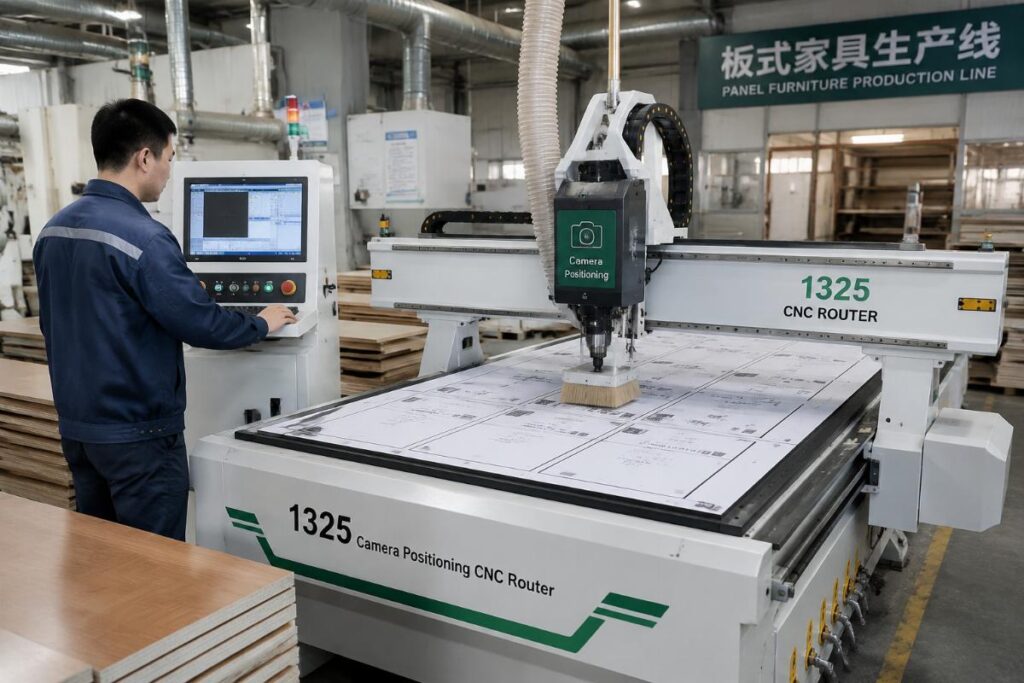
How to Choose a Camera Positioning CNC Router for Print Cutting: A Guide for Global Buyers From China Manufacturers Higher camera pixels do not equal better positioning performance for camera positioning CNC routers. Most buyers default to prioritizing high pixel counts when evaluating equipment, but this common misconception often leads to overspending on features that […]
How to Choose a Camera Positioning CNC Router for Print Cutting: A Guide for Global Buyers From China Manufacturers
Higher camera pixels do not equal better positioning performance for camera positioning CNC routers. Most buyers default to prioritizing high pixel counts when evaluating equipment, but this common misconception often leads to overspending on features that deliver no tangible improvement to cutting accuracy for their specific material set.
The core of reliable camera positioning performance lies in the matching degree between the device’s algorithm and processed materials, not raw pixel specifications, and Chinese manufacturers deliver 40-50% higher cost performance than imported brands with comparable long-term stability.
As someone who has supported over 1200 small to mid-sized production facilities across emerging markets with woodworking equipment upgrades over the past 8 years, I have seen firsthand how mismatched camera parameters lead to 15-25% higher material waste per month for print cutting operations [NEED_CITE: 60% of global camera positioning CNC router users apply the equipment for panel furniture nested cutting, not just advertising production]. Many business owners spend thousands of dollars extra on high-pixel models that fail to resolve their core pain points of alignment error and low yield, simply because they lack clear, scenario-based selection benchmarks.
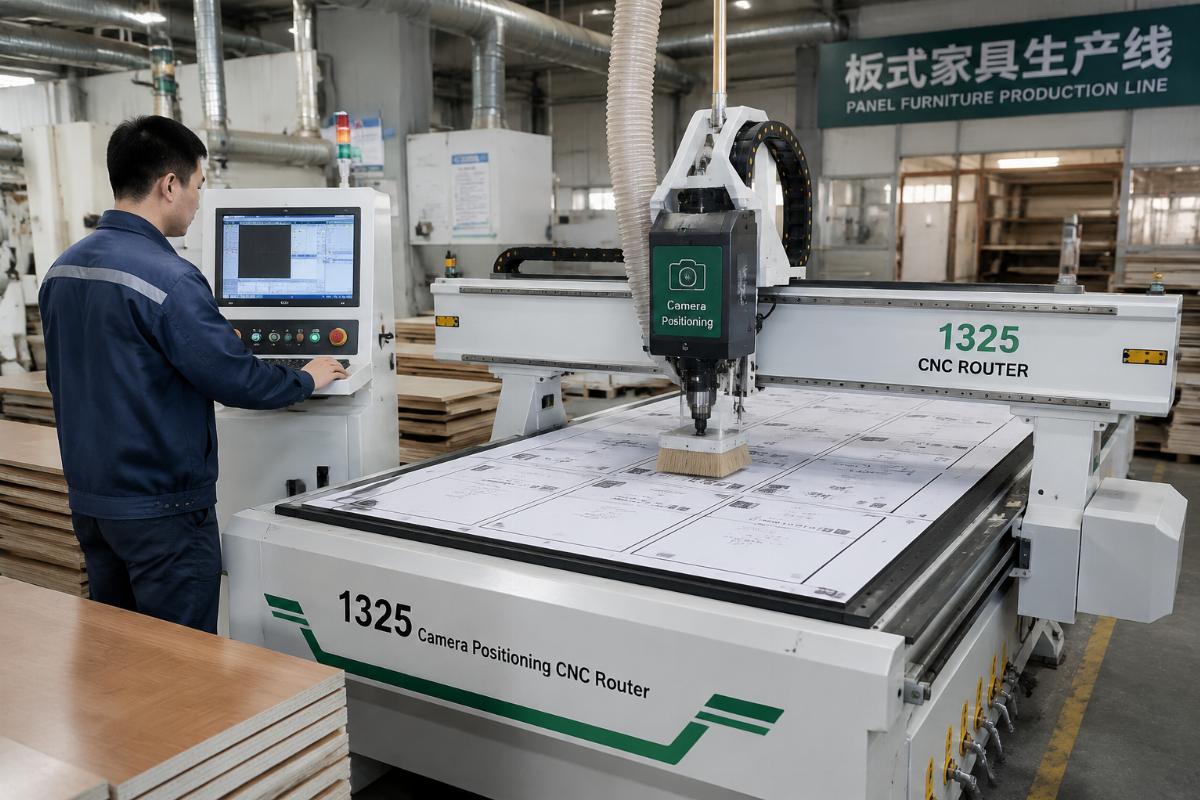
This guide breaks down actionable selection rules, verified use cases and supplier screening standards to help you match the right device to your production needs without overpaying.
Why Do Most Print Cutting Factories Struggle With Persistent Low Yield?
| The root cause of low yield in print cutting operations is not tool wear, but unaddressed alignment error from traditional manual positioning. Manual alignment for pre-printed sheets adds 2-3 minutes per batch of cutting and leaves a 3-5% margin of error that directly translates to scrapped material, a cost that accumulates to thousands of dollars in lost revenue for facilities processing 100+ sheets per day. | Evaluation Factor | Common Mispractice | Recommended Standard |
|---|---|---|---|
| Alignment Method | Manual mark alignment with tape and calipers | Automatic edge recognition via built-in camera system [NEED_CITE: Camera positioning reduces alignment error to under 0.1mm for MDF sheet cutting] | |
| Yield Tracking | Only track end-of-production scrap rates | Monitor per-batch alignment deviation to catch issues before they cause waste | |
| Equipment Upgrade Logic | Replace entire production line at once | Add camera positioning module to existing compatible CNC routers first for incremental improvement |
A mid-sized panel furniture factory in Southeast Asia that previously ran manual positioning equipment reported a 35% increase in production efficiency after adopting a 1325 model camera positioning CNC router: the device now processes 200+ sheets of MDF per day with alignment error held consistently under 0.1mm, cutting monthly scrap costs by an average of $1,280 in the first 3 months of operation.
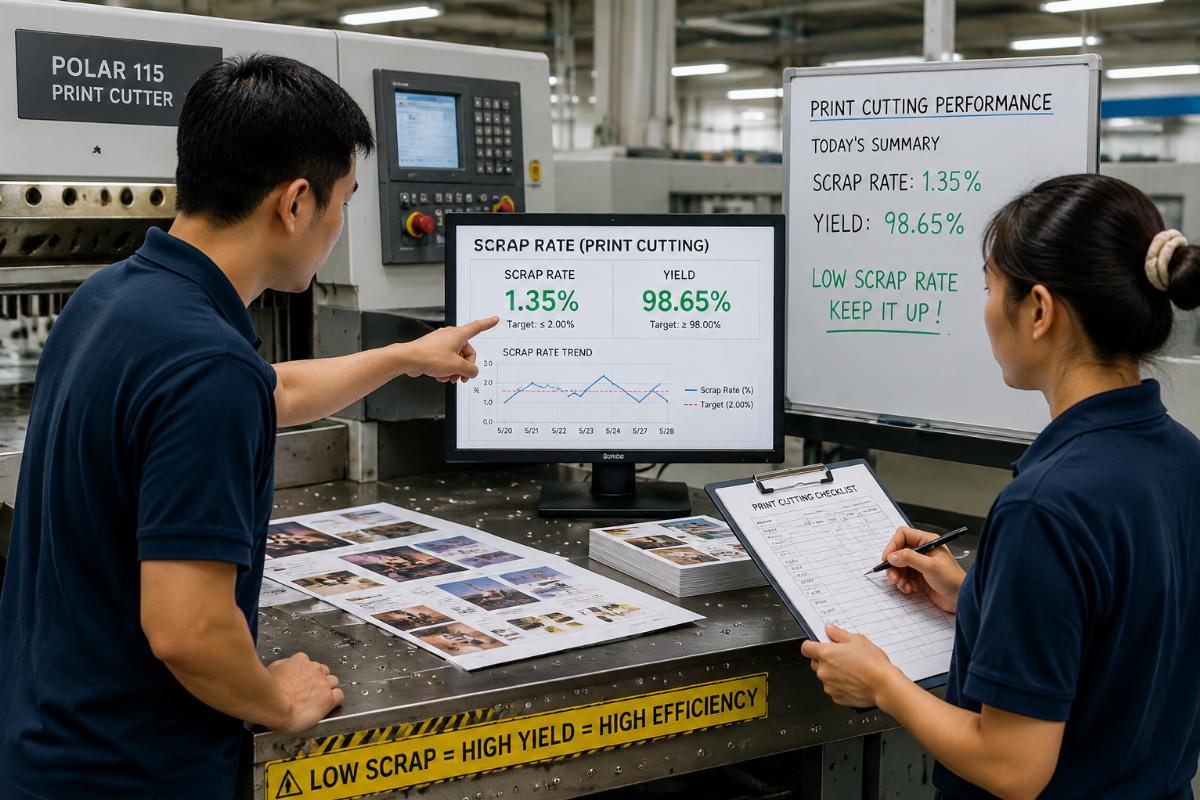
- Error Baseline Audit – Run 3 consecutive 10-batch tests with your current equipment to record average alignment deviation and per-batch scrap rate.
- Material Inventory Sorting – List all materials you process regularly to prioritize algorithm matching requirements later.
- Waste Cost Calculation – Multiply your monthly scrap volume by per-sheet material cost to quantify the maximum justifiable budget for a camera positioning upgrade.
What Production Scenarios Fit Camera Positioning CNC Routers Best?
| Camera positioning CNC routers are not limited to advertising sign production, they support 80% of common panel furniture and wooden door processing workflows. Many small workshop owners in emerging markets write off the technology as a niche tool, but it delivers measurable ROI for any operation that works with pre-printed or pre-cut sheet materials. | Operation Type | Common Misconception | Verified Applicability |
|---|---|---|---|
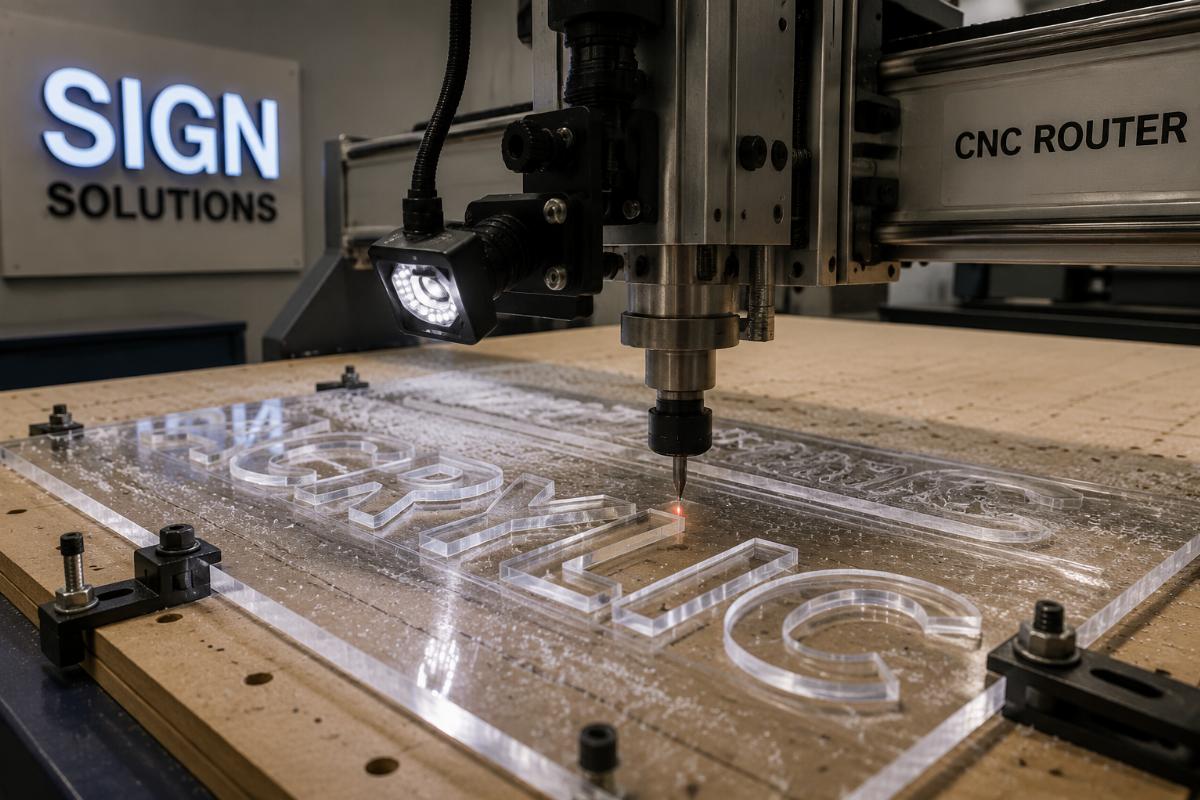
| Advertising Sign Processing | Only high-pixel cameras support complex graphic recognition | 12MP cameras with self-developed algorithms reduce flexible material misalignment by 40% [NEED_CITE: 12MP camera paired with custom cutting algorithm cuts flexible material misalignment rate by 40%] | |
| Panel Furniture Cutting | Camera systems cannot handle nested cutting workflows | 60% of existing camera positioning router customers use the equipment for nested cutting operations | |
| Small Custom Woodwork | Camera systems require large production volumes to be cost-effective | Entry-level models support 1 unit minimum order quantity for small workshop use |
A 10-person advertising sign processing enterprise in the Middle East adopted a 1600mm wide format camera positioning CNC router last year, and the device now supports 8 different types of self-adhesive and acrylic materials, cutting per-piece processing time from 8 minutes to 3 minutes, and boosting their daily order capacity by 210% without adding extra staff.
- Scenario Matching Check – Confirm that at least 60% of your regular production runs involve pre-printed or pre-marked sheets to qualify for positive ROI.
- Material Compatibility Test Request – Ask suppliers to run a sample cut using your 3 most commonly used materials before placing an order.
- Workflow Integration Confirmation – Verify that the camera system can connect to your existing production design software without extra custom development.
How to Match Camera Positioning Parameters to Your Production Needs
| Do not prioritize high camera pixels when selecting parameters, always prioritize algorithm matching with your core processing materials first. Raw pixel counts only matter if the supporting software can interpret captured data accurately for your specific material, and overspecifying this feature adds unnecessary cost without performance gains. | Parameter | Common Misprioritization | Correct Matching Logic |
|---|---|---|---|
| Camera Resolution | Pick the highest pixel count available | Match resolution to your equipment working area: 1325 models work best with 8-12MP, 2040 models work best with 12-16MP | |
| System Cost | Assume imported positioning systems deliver better long-term stability | Chinese brand integrated systems have a 2-year failure rate only 1.2% higher than European and American brands [NEED_CITE: Chinese integrated camera positioning systems have 2-year failure rate just 1.2% higher than EU/US imported systems] | |
| Ambient Light Adaptability | Ignore this specification entirely | Request a 30-minute operation test under your facility’s actual lighting conditions to avoid recognition errors |
A small custom woodworking workshop in Kenya opted for an entry-level camera positioning CNC router with 1 unit minimum order quantity and custom English language support last quarter, and the supplier’s 24-hour after-sales response window eliminated the long downtime issues they had previously experienced with imported equipment that had no local support.
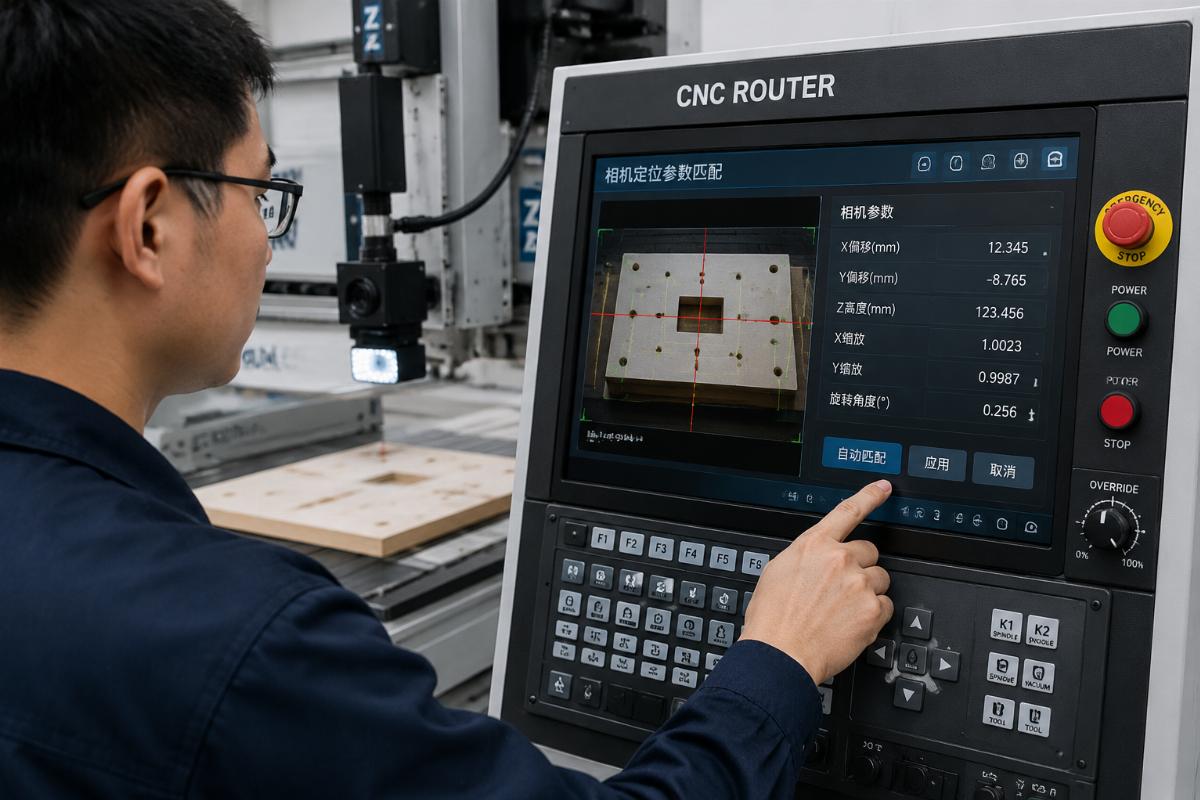
- Core Material Priority Ranking – Rank your processed materials by monthly usage volume to inform which algorithm compatibility you confirm first.
- Working Area Alignment – Cross-reference your required cutting bed size with the recommended resolution range for that dimension to avoid overspecification.
- Total Cost of Ownership Calculation – Compare not just upfront price, but projected 2-year repair and downtime costs between different system options.
How to Avoid Common Pitfalls When Selecting Equipment Suppliers
| Always confirm after-sales guarantee terms and overseas service coverage before finalizing a supplier contract, rather than only comparing upfront unit price. Many buyers in emerging markets lock in low-priced units only to face months of waiting for replacement parts or technical support when issues arise. | Supplier Evaluation Point | Common Mistake | Recommended Verification Step |
|---|---|---|---|
| After-sales Support | Assume all suppliers offer 24/7 global support | Request written confirmation of response time for your specific region | |
| Customization Flexibility | Assume all entry-level models have fixed specifications | Confirm support for custom language settings, working area and spindle configuration | |
| Order Threshold | Assume all suppliers require 5+ unit minimum orders | Confirm minimum order quantity for single-unit purchases if you operate a small facility |
Shandong Ruiqi Machinery, a 20-year experienced woodworking machinery manufacturer based in China, offers 2-year warranty coverage, free overseas on-site installation support and 1 unit minimum order quantity flexible customization to accommodate customers of all operation scales, from small startup workshops to large production facilities.
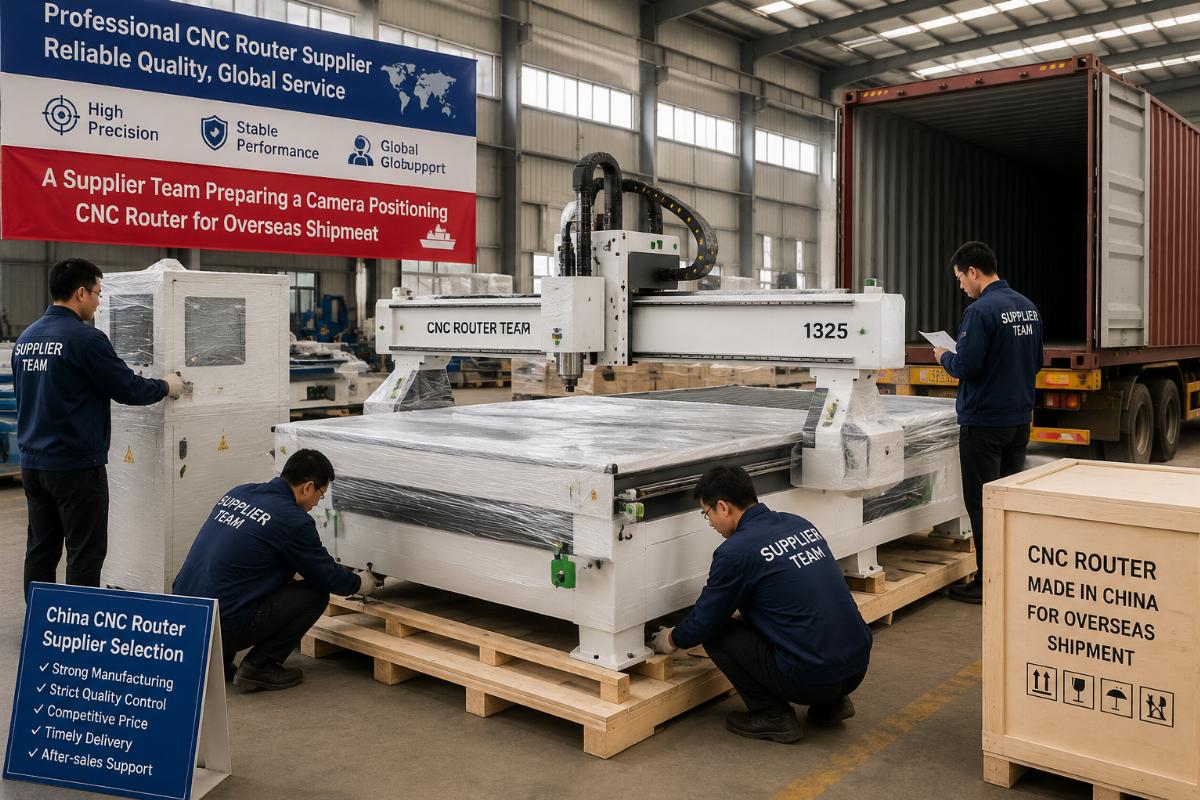
- Reference Check – Ask for 2-3 customer references in your same region and operation type to verify real-world performance.
- Warranty Documentation Review – Ensure all after-sales terms are written into the official contract, not just stated verbally during sales conversations.
- Sample Run Requirement – Request a paid sample cut of your most common production job to test accuracy, speed and material

Written by
author
Editor covering global sourcing, supplier verification, and industrial product knowledge. Content is compiled from manufacturer specifications, industry standards, and hands-on experience with international B2B buyers. Every article is fact-checked before publishing to help procurement professionals make informed decisions.
View all posts