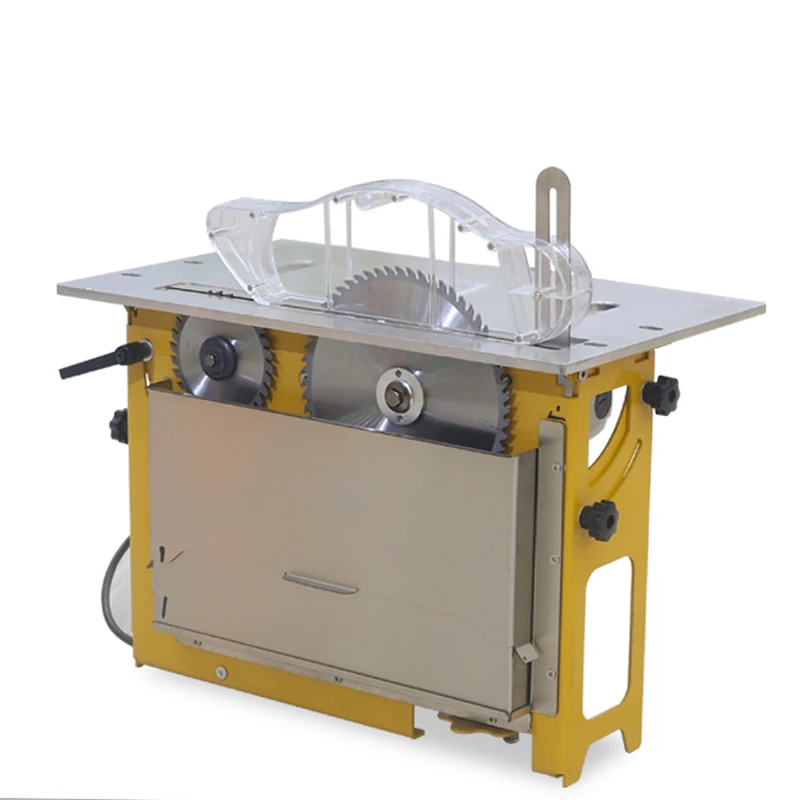
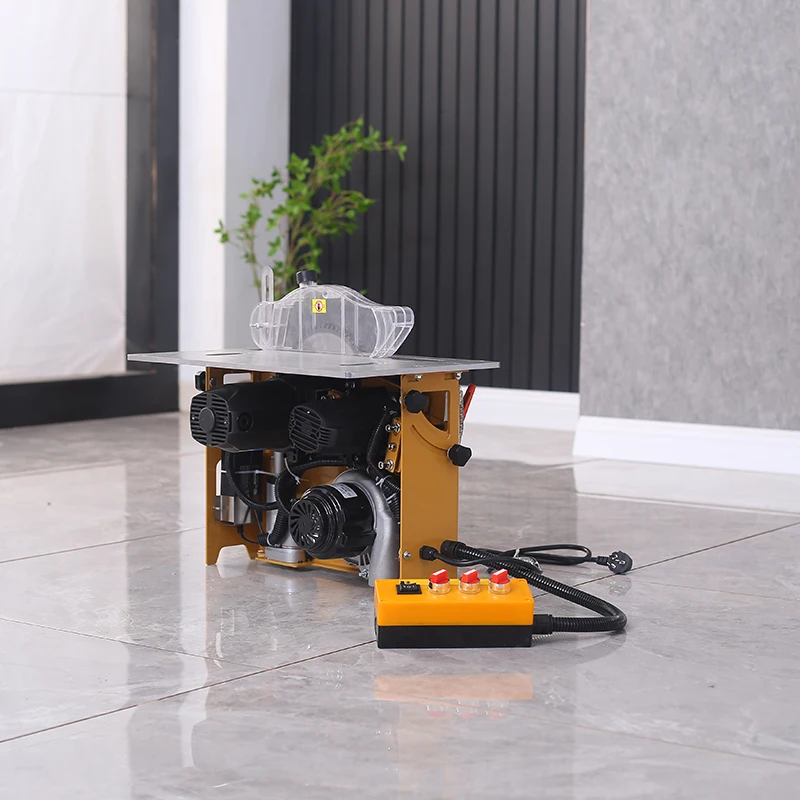
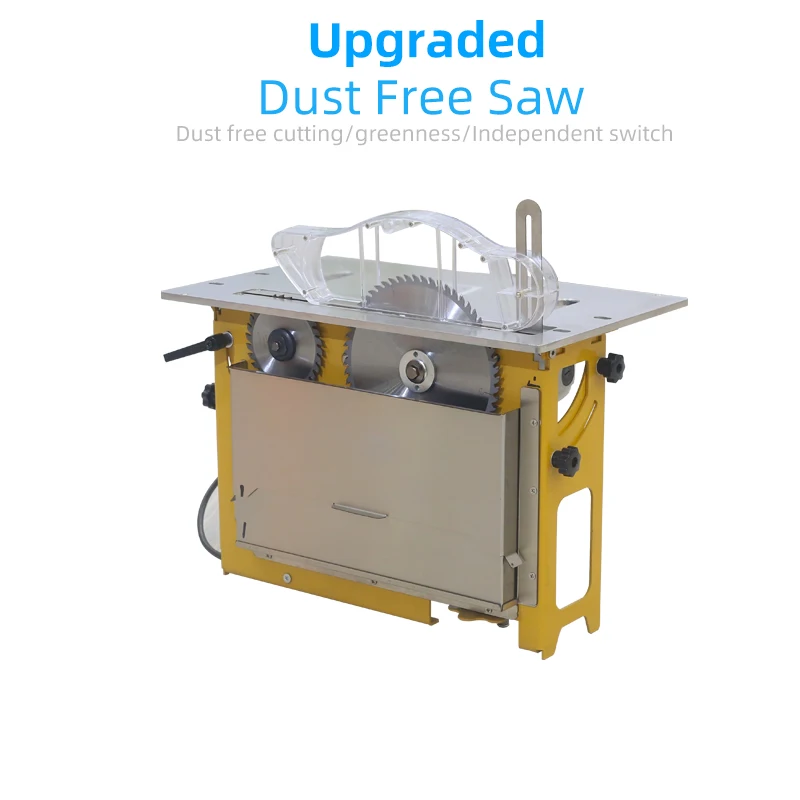
Description
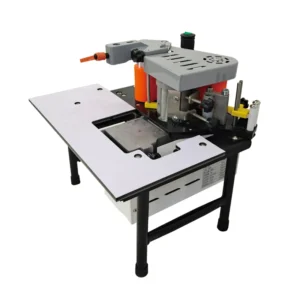
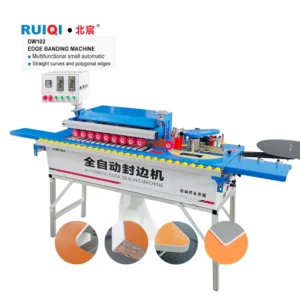
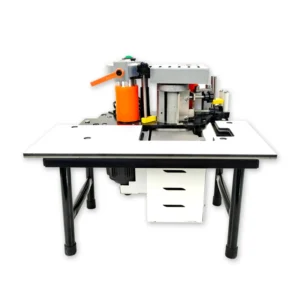
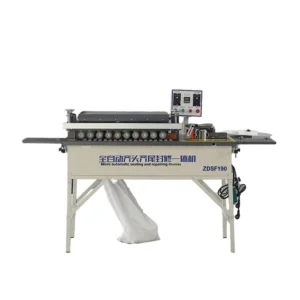
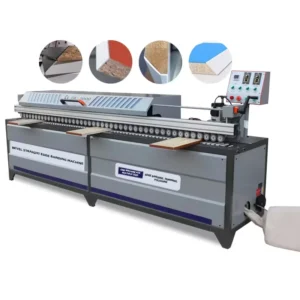
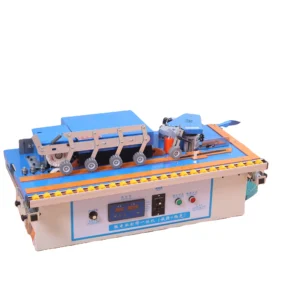
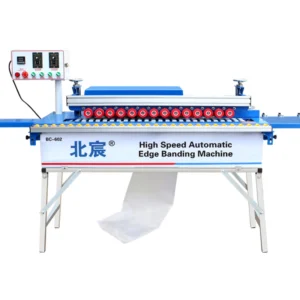
Complete Range Visibility — every portable panel saw model mapped to workshop scale so buyers match saw to actual panel size before committing.
Technical Specifications
| Parameter | Value |
|---|---|
| Product Type | Portable Panel Saw with Sliding Table |
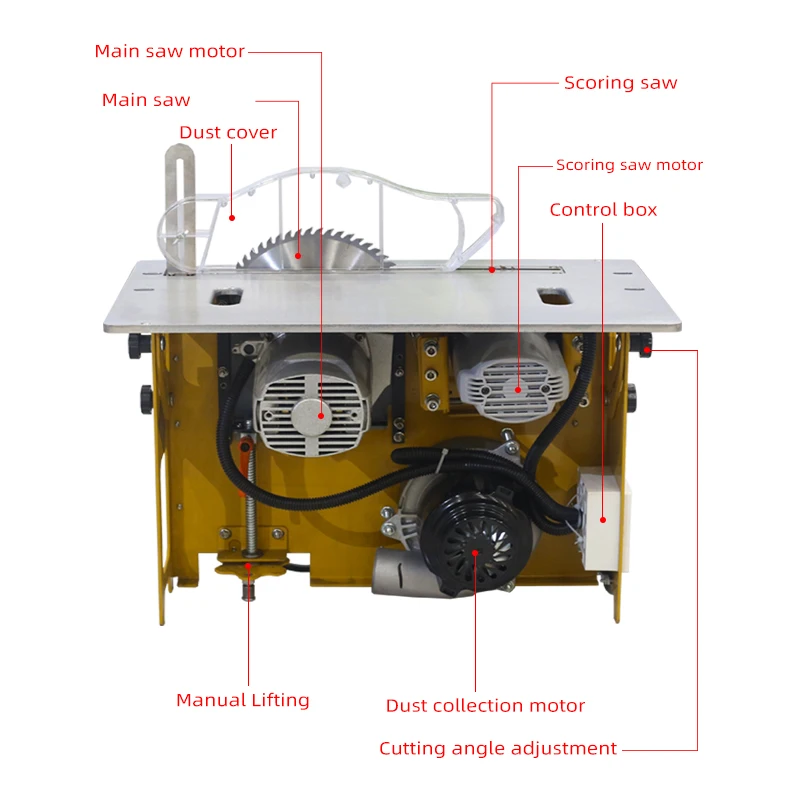
| Total Power | 6200 W |
| Main Saw Power | 3000 W |
| Main Saw Speed | 3800 r/min |
| Main Saw Blade Diameter | 200 mm |
| Sub Saw Power | 2000 W |
| Sub Saw Speed | 13000 r/min |
| Vacuum Cleaner Power | 1200 W |
| Maximum Cutting Length | 2.44 m |
| Maximum Cutting Thickness | 40 mm |
| Net Weight | 22 kg (source value — verify against manufacturer catalog) |
| Overall Dimensions | 50 × 30 × 38 cm (source value — verify against manufacturer catalog) |
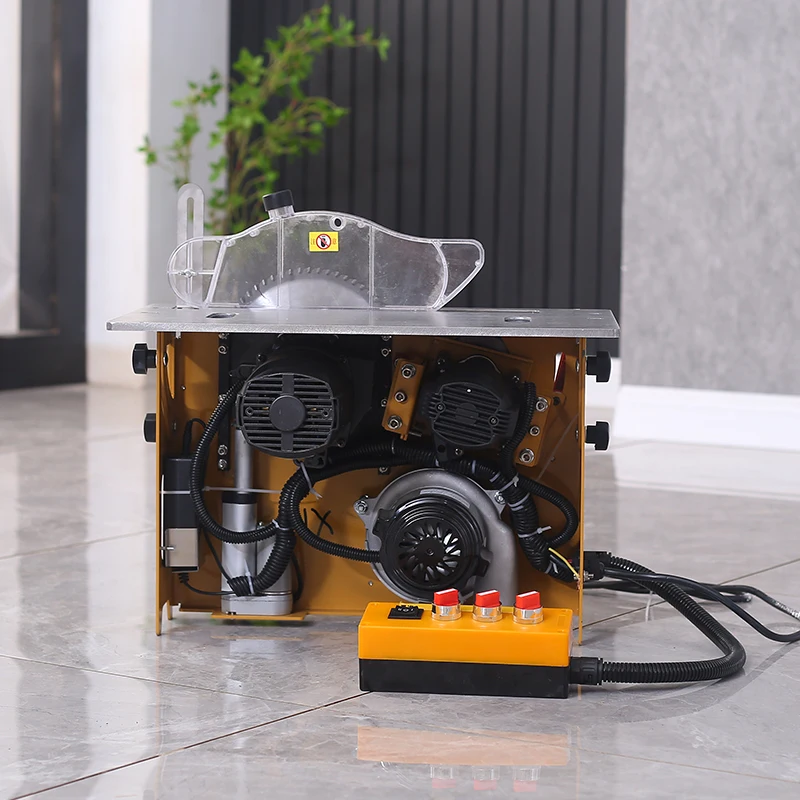
| Control Panel Language | Chinese, English; Spanish and other languages customizable |
| Plug Options | EU, USA, AU, UK |
| Dust Extraction | Integrated vacuum cleaner included |
Application Suitability
| Application | Material or Output |
|---|---|
| Cross-cutting MDF and particleboard | Furniture component sizing up to 2.44 m length and 40 mm thickness |
| Ripping plywood panels | Cabinet side panels, shelving, and base units in small workshops |
| Joinery workshop upgrading from handheld tools | Guided panel sawing for improved edge accuracy on laminated boards |
| Space-constrained on-site woodworking | Portable cutting where a full-size sliding table saw cannot be accommodated |
Why the Voltage Question Should Come Before the Price for a Portable Panel Saw
Specifying voltage and frequency first prevents the saw from sitting idle on the workshop floor.
Over the years I have seen portable panel saws arrive at joinery shops only to discover the motor was wound for a different grid standard. The buyer focused on cutting length and blade diameter during the quoting stage, assuming electrical compatibility was a given. A Portable Panel Saw manufacturer that confirms your local voltage and frequency before production starts removes this risk entirely. When a 2000 W sub saw motor receives the wrong frequency, it may run but overheat under continuous load, shortening bearing life [NEED_CITE: voltage and frequency standards by export market].
Where Each Model Sits in the Full Wood Saw Machine Range
A portable panel saw with sliding table occupies the entry tier of Ruiqi’s wood saw machine catalogue. Workshops producing small batches of custom cabinet components find this format practical — the integrated vacuum and compact footprint suit environments where a full production panel saw would dominate the floor. For joinery operations transitioning from manual circular saws, this configuration introduces guided cutting without requiring a dedicated machine bay.
Scaling Up When Cutting Volume Grows
As daily panel throughput increases, workshops typically move to a larger sliding table saw with higher feed speeds and automated fences. The advantage of surveying the complete range before ordering is clear: you see the upgrade path within one product family. Control panel language, plug standard, and voltage customization remain consistent across tiers, so operator familiarity carries over when you eventually expand capacity [NEED_CITE: machinery directive requirements for woodworking equipment].
Dual-Blade Configuration and Cut Quality on Laminated Panels
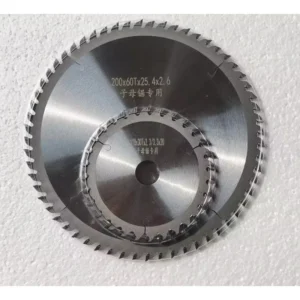
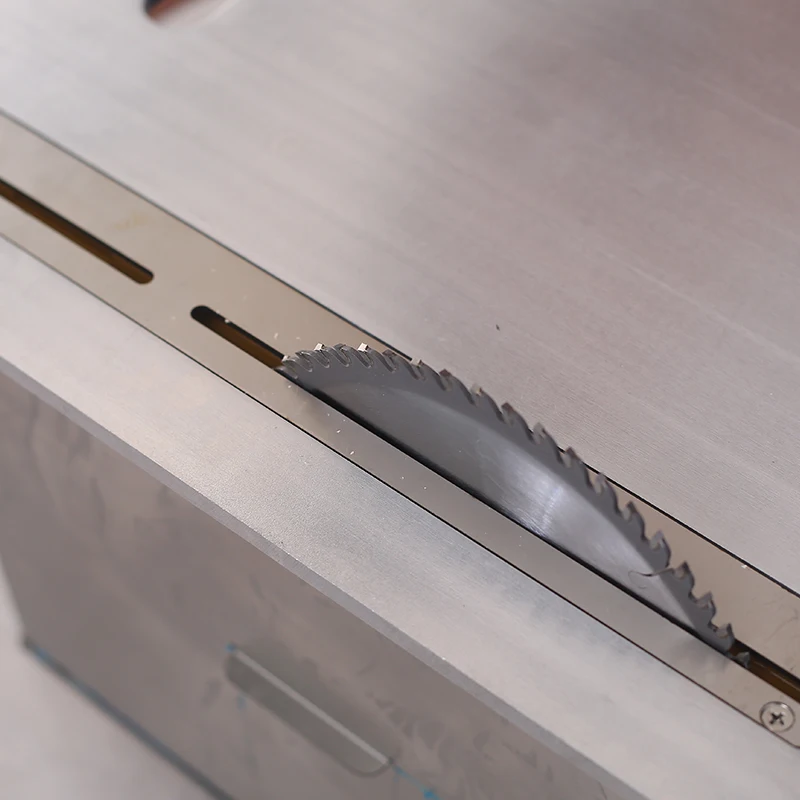
The main saw at 3800 r/min handles the primary kerf through MDF, particleboard, or plywood up to 40 mm thick, while the sub saw running at 13000 r/min scores the underside of laminated surfaces before the main blade exits. This scoring action prevents tear-out on melamine and veneer-faced boards, which matters when visible panel edges go straight to assembly without secondary edge banding. The 200 mm main blade diameter balances cutting depth with motor load — pushing a larger blade through dense moisture-resistant board at full depth demands more from the 3000 W main motor than intermittent use can sustain over a full shift. Integrated dust extraction at 1200 W captures particulate at the source, keeping the sliding mechanism clear and reducing airborne fines in small workshops where ventilation may be limited.
The Cost of Buying a Single Saw Without Seeing the Full Line
Purchasing one machine in isolation often leads to feed height mismatches with downstream edge banders or boring machines already on the floor. The operator discovers that panels cut on the portable saw require additional handling before the next station accepts them. Production rhythm breaks, and the workshop invests in material handling workarounds that a line-level assessment would have flagged beforehand [NEED_CITE: production line integration for panel furniture manufacturing].
Why Source the Full Catalogue from One Manufacturer
Ruiqi maintains the complete portable-to-production saw range under one roof, so specification comparisons across tiers use consistent measurement standards. Voltage and plug options are confirmed per order rather than assumed, with electrical schematics provided before shipment. The four-stage QC process covers incoming material inspection through pre-shipment verification on your specified panel thickness. CE declaration and ISO 9001 documentation ship with every unit. Engineer-led configuration review within 24 hours of inquiry means the recommendation accounts for your actual board density and daily cut count, not just catalogue maximums.
Documentation & Verification
- CE declaration of conformity covering the portable panel saw and integrated vacuum unit
- Machine specification sheet with confirmed voltage, frequency, and plug standard for your market
- Electrical schematic showing main saw, sub saw, and vacuum circuit separation
- Factory test record on your panel material and thickness range before dispatch
- Operation and maintenance manual in the agreed language with spare parts list
Installation, Commissioning & Support
- Verify workshop power supply matches the 6200 W total load with a dedicated circuit
- Confirm plug type (EU, USA, AU, UK) matches local socket standard before unpacking
- Level the sliding table mechanism on a flat surface to maintain cut accuracy
- Run scoring blade alignment check on your actual laminated panel stock
- Train operators on control panel in the specified language before production starts
- Establish blade replacement schedule based on your daily cutting volume and board density
What We Need to Recommend the Right Configuration
Share your typical panel dimensions, the densest board material you cut regularly, and your daily panel count so we can position this saw correctly within the range. Confirm your workshop voltage, frequency, and preferred plug standard. Let us know if operators need a specific control panel language beyond Chinese or English.
Frequently Asked Questions
Q: How do I choose between a portable panel saw and a larger sliding table saw for my workshop?
A: The decision depends on your daily cutting volume and the largest panel dimension you process regularly. A portable unit suits workshops cutting panels up to 2.44 m on a low-to-moderate schedule where floor space is limited. When daily throughput increases or panels exceed the portable saw’s capacity, moving to a larger model in the same product family keeps operator training consistent.
Q: What voltage and frequency options are available for export markets?
A: The portable panel saw supports customization across multiple plug standards including EU, USA, AU, and UK configurations. Voltage and frequency are confirmed during the quotation stage based on your local grid. The manufacturer provides an electrical schematic and voltage confirmation document before production begins, ensuring the motor winding matches your site supply.
Q: Can the control panel language be customized for operators who do not read English?
A: Standard options include Chinese and English, with Spanish and other languages available on request. Specifying the required language during the inquiry stage ensures the control interface ships ready for your operators, avoiding commissioning delays caused by unreadable menus or error messages on the workshop floor.
Q: How does this portable saw integrate with downstream edge banding and boring equipment?
A: Cut panels from this saw feed into standard edge banding and boring stations, provided the panel dimensions fall within the portable saw’s maximum 2.44 m length and 40 mm thickness. Reviewing the full catalogue together allows configuration of compatible feed heights and throughput rates across stations, preventing bottlenecks where one machine outpaces the next.