Description
Verified Tolerance — Patented cutting mechanisms hold ±0.02mm on edge trimming, confirmed through a four-stage quality check before the ZDSF120 leaves the assembly floor.
Technical Specifications
| Parameter | Value |
|---|---|
| Model | ZDSF120 |
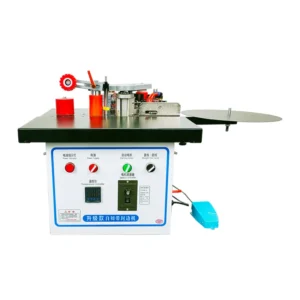
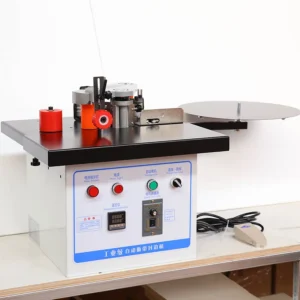
| Product Type | Portable Edge Banding Machine |
| Rated Power | 2.4 kW |
| Voltage & Frequency | 220V (frequency to be confirmed for destination market) |
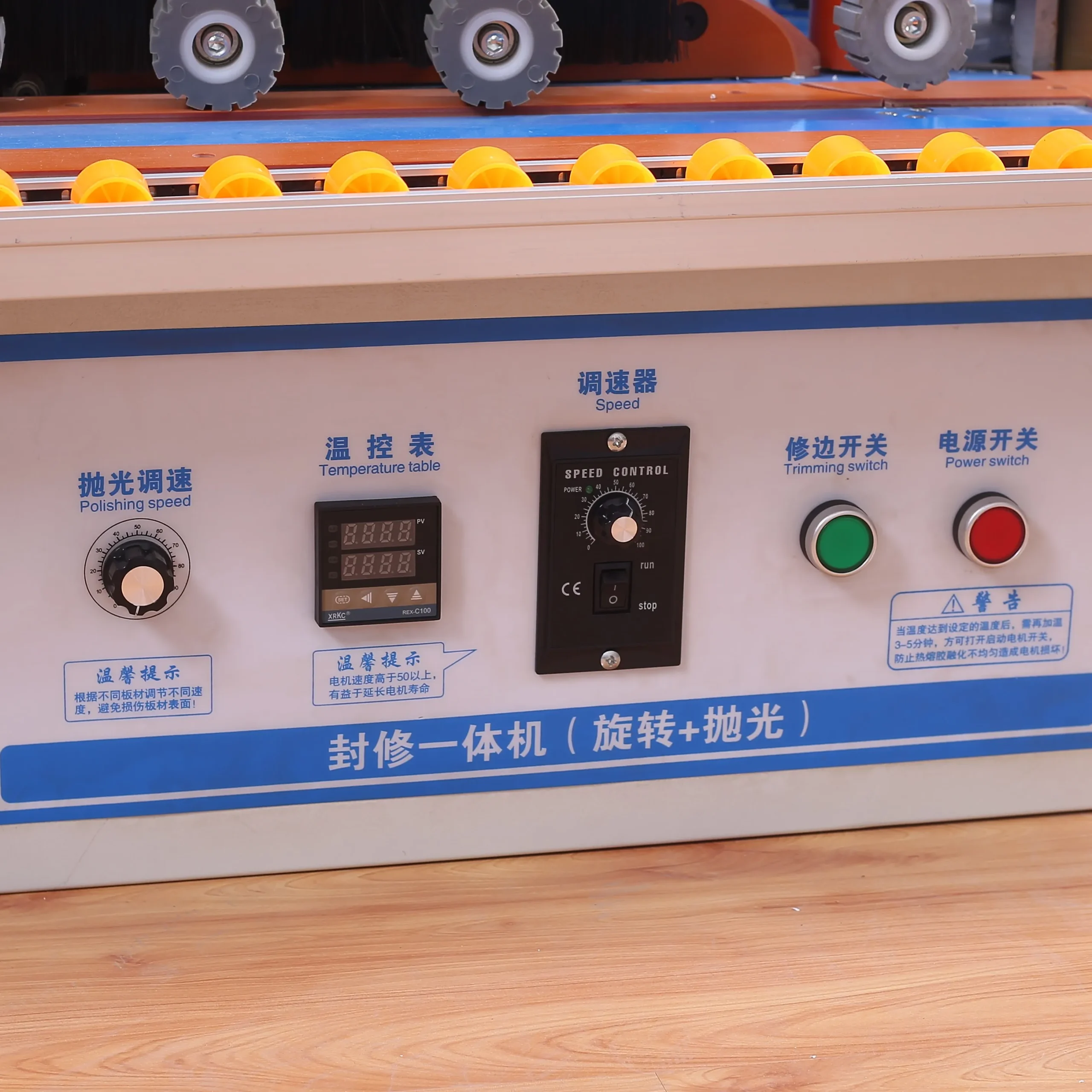
| Control System | Manual operation with heating and belt feed control |
| Overall Dimensions (L×W×H) | 105×50×45 cm |
| Net Weight | 45 kg |
| Panel Thickness Range | 10–50 mm |
| Edge Strip Thickness Range | 0.5–2 mm |
| Feed Speed | 0–14 m/min (belt feeding, 25W motor) |
| Glue Pot Capacity | 1000 ml |
| Glue Pot Heating | 800W (heat-up 5–10 min) |
| Trimming Stations | Top and bottom trimming (800W ×2), pneumatic trim |
| Air Supply Requirement | 0.4–0.6 MPa |
| Warranty | 1 Year |
| Assembly State | Portable, single-unit |
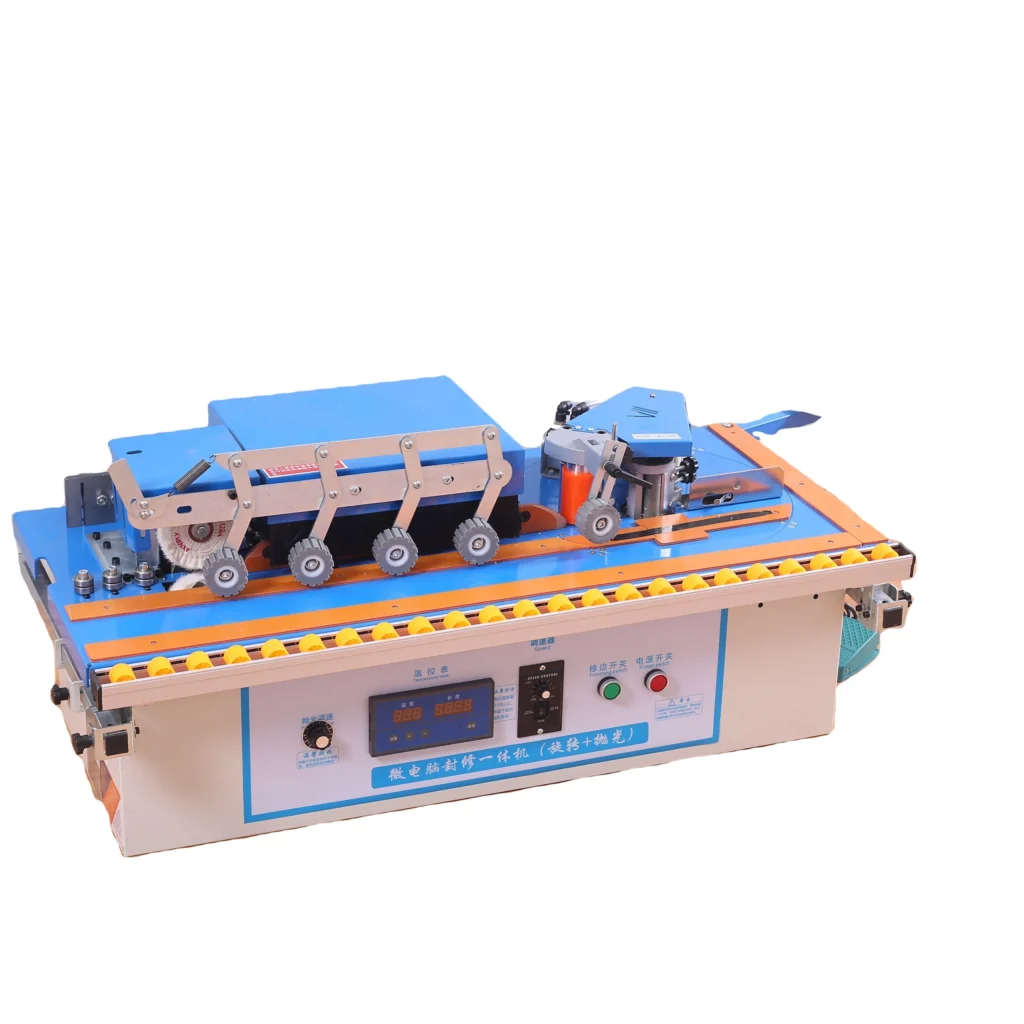
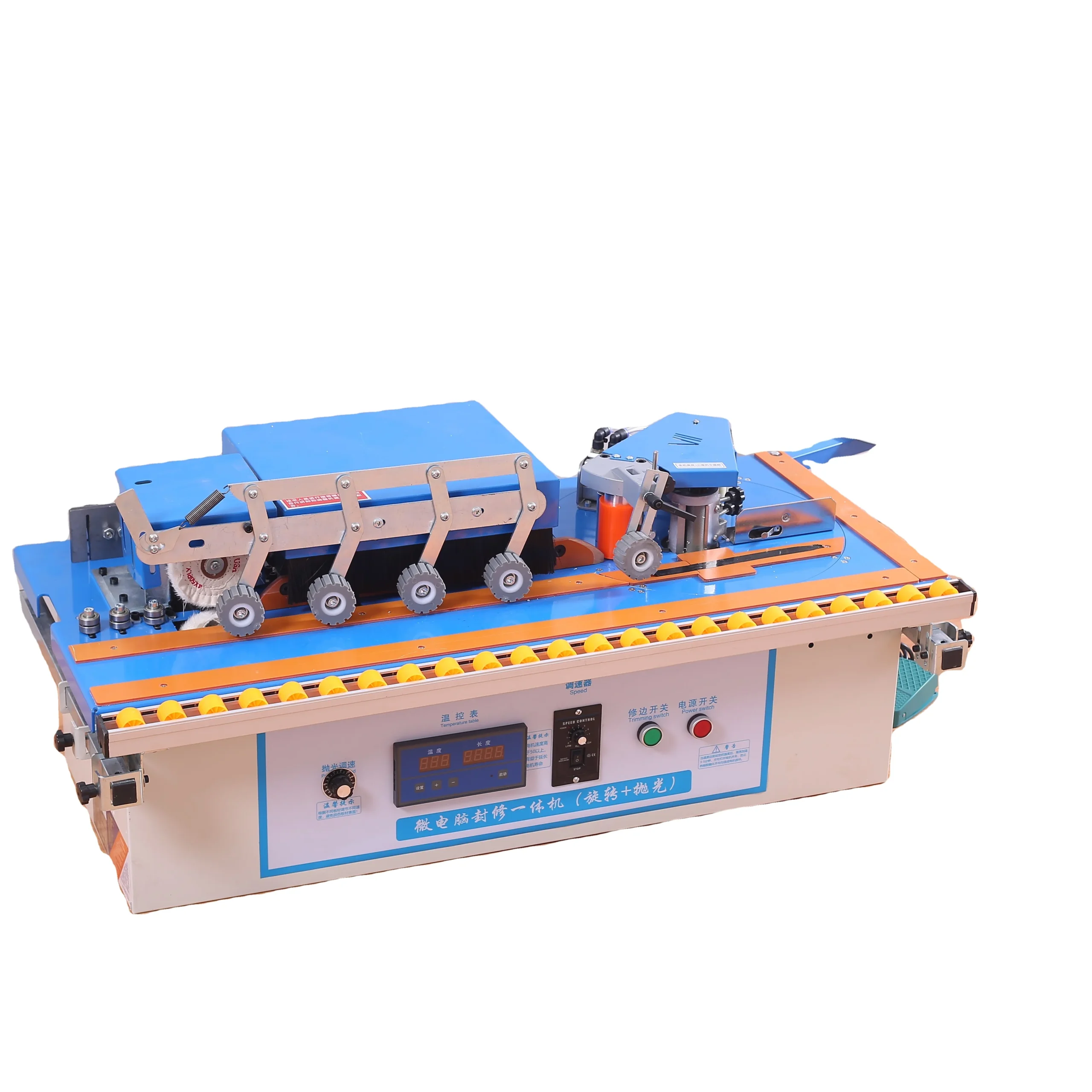
| Functions | Edge banding, double-sided gluing, top and bottom trimming, pneumatic trim, straightening |
Application Suitability
| Application | Material or Output |
|---|---|
| Handicraft workshops producing small batches | MDF, plywood, and particleboard panels with PVC or veneer edge strips |
| Custom furniture operations moving from manual application | Cabinet sides and shelving up to 50 mm thickness |
| On-site installers finishing field-cut panels | Plywood and blockboard requiring portable edge finishing at the job site |
| Small joinery operations upgrading workflow | Laminated panels with 0.5–2 mm strip materials |
Why Voltage Confirmation Must Come Before the Portable Edge Banding Machine Manufacturer Selection
Specifying local voltage and frequency before the order prevents a machine that arrives ready to run only on paper.
I have walked through workshops where a brand-new edge bander sat under a tarp because the local supply was 60Hz and the motor was built for 50Hz. The glue pot heated unevenly, the feed motor ran at the wrong speed, and trimming quality fell apart. [NEED_CITE: voltage and frequency standards by export market] These mismatches are not rare; they show up when a buyer skips the electrical confirmation step and assumes a standard configuration will fit. With the ZDSF120 operating at 220V, the frequency must be locked in before production starts so that the heating element, feed motor, and trimming motors all behave as designed.
Where the ZDSF120 Fits Across the Ruiqi Catalogue
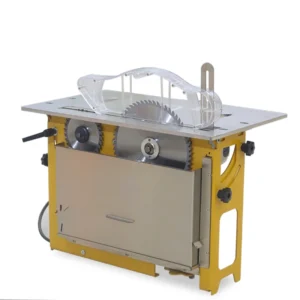
When you are surveying a full machinery range, knowing where each model sits matters more than reading isolated spec sheets. The ZDSF120 occupies the compact, portable end of our portable edge banding machine manufacturer lineup, built for workshops that need edge finishing without a fixed production line. It pairs naturally with a small panel saw and a manual boring setup, filling the gap between hand-applied edging and a full automatic machine.
Scaling Without Changing Supplier
A joinery shop starting with the ZDSF120 can later move into the mid-range pre-milling models and eventually into a continuous automatic line — all within one product family. This matters because feed heights, control panel layouts, and spare part inventories stay familiar as volume grows. [NEED_CITE: woodworking machinery scaling for small to mid-size factories] Buyers who plan their equipment path early avoid the downtime that comes from learning a new supplier’s service model every few years.
Trimming Precision and the Glue Pot Design
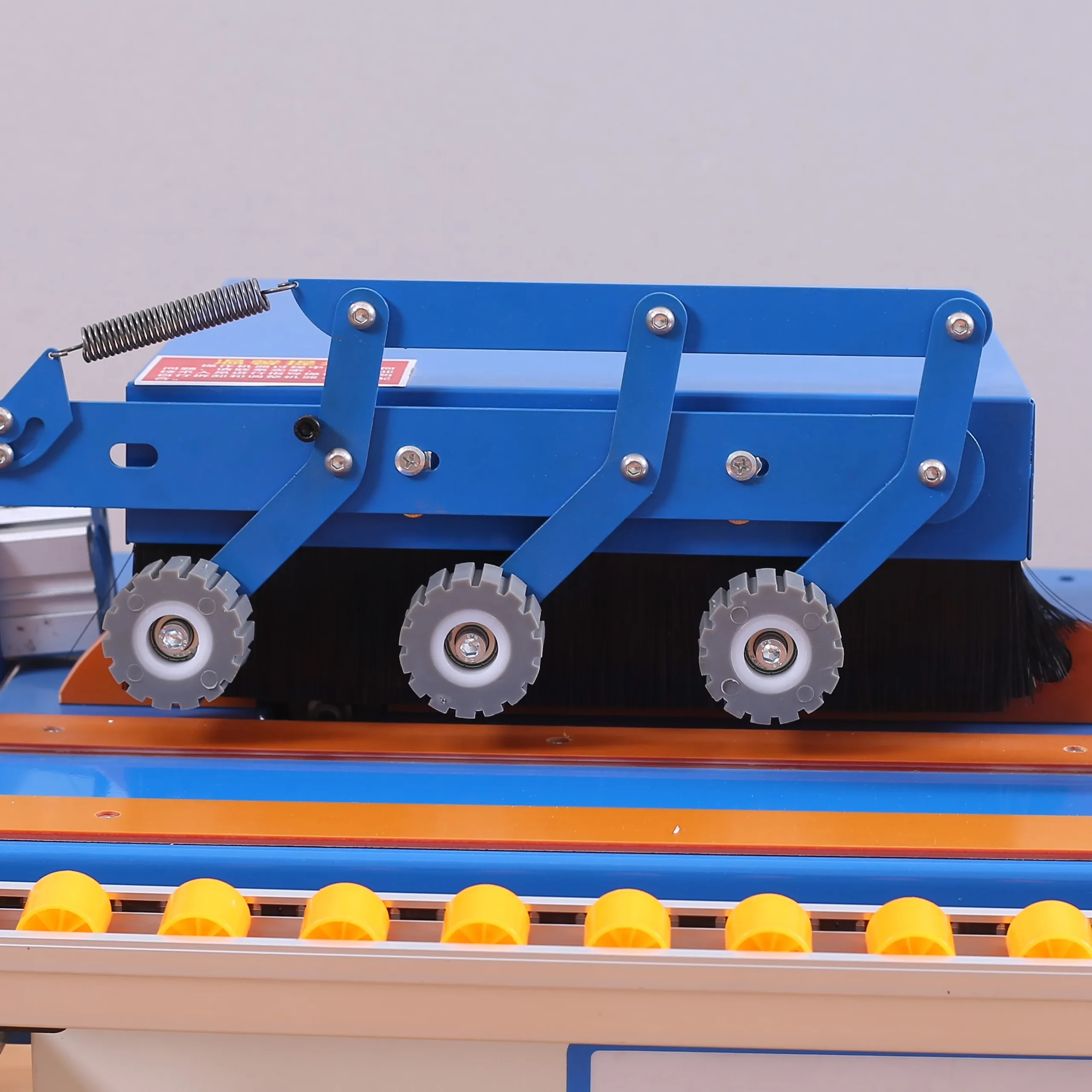
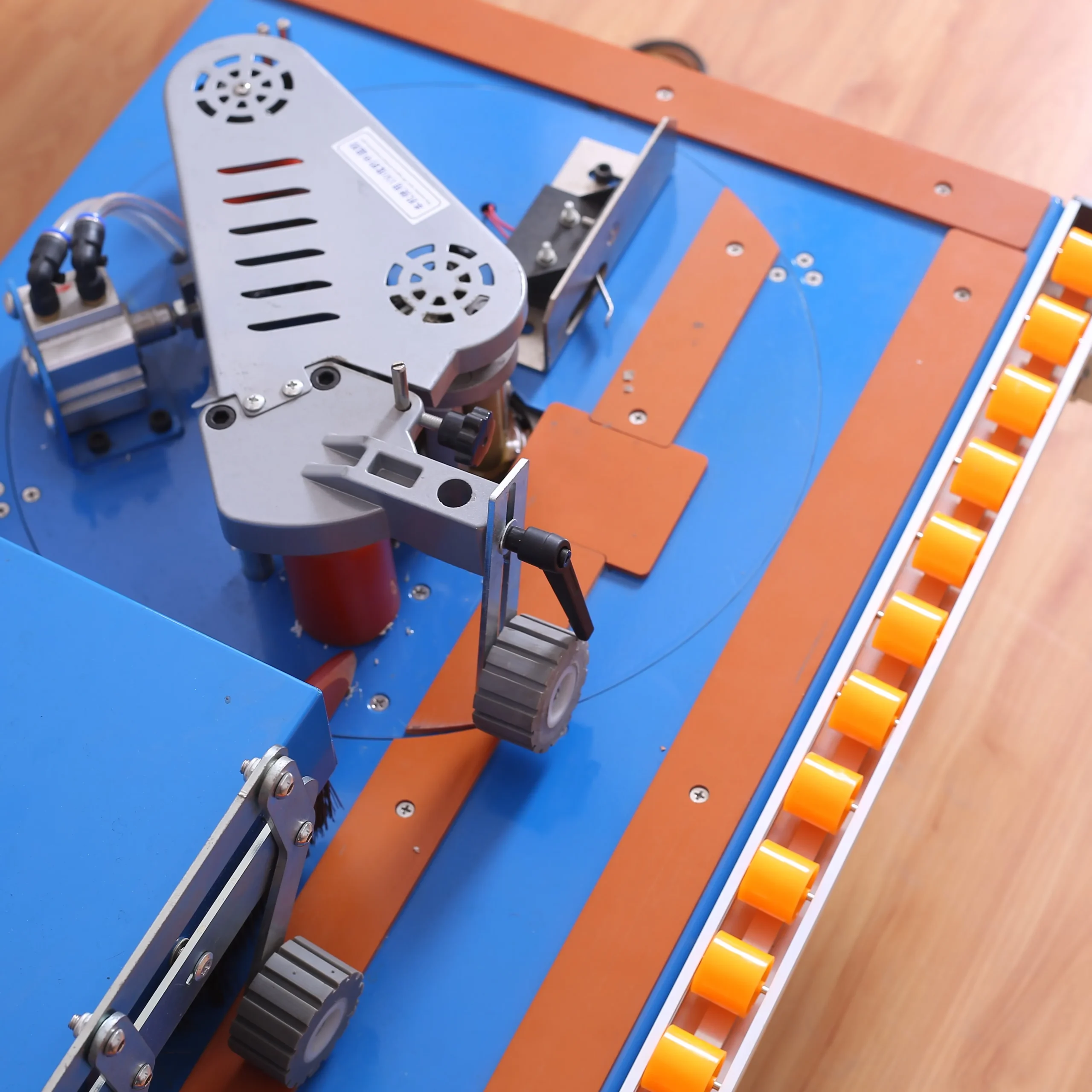
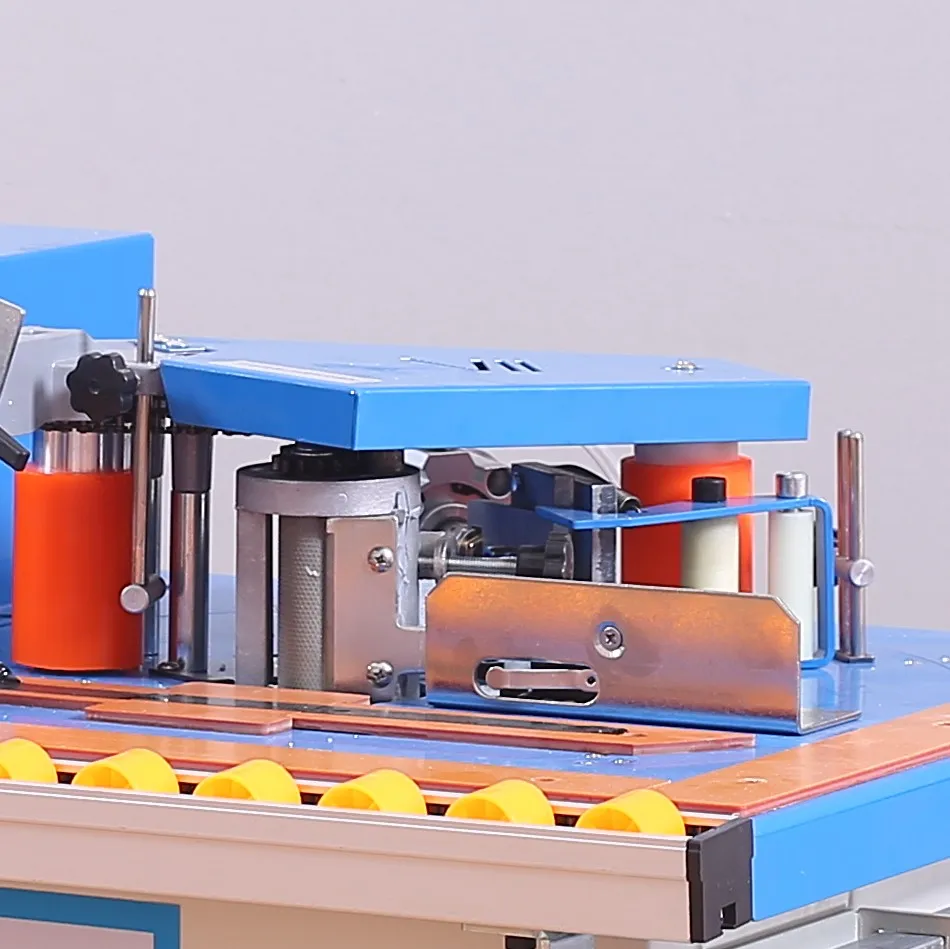
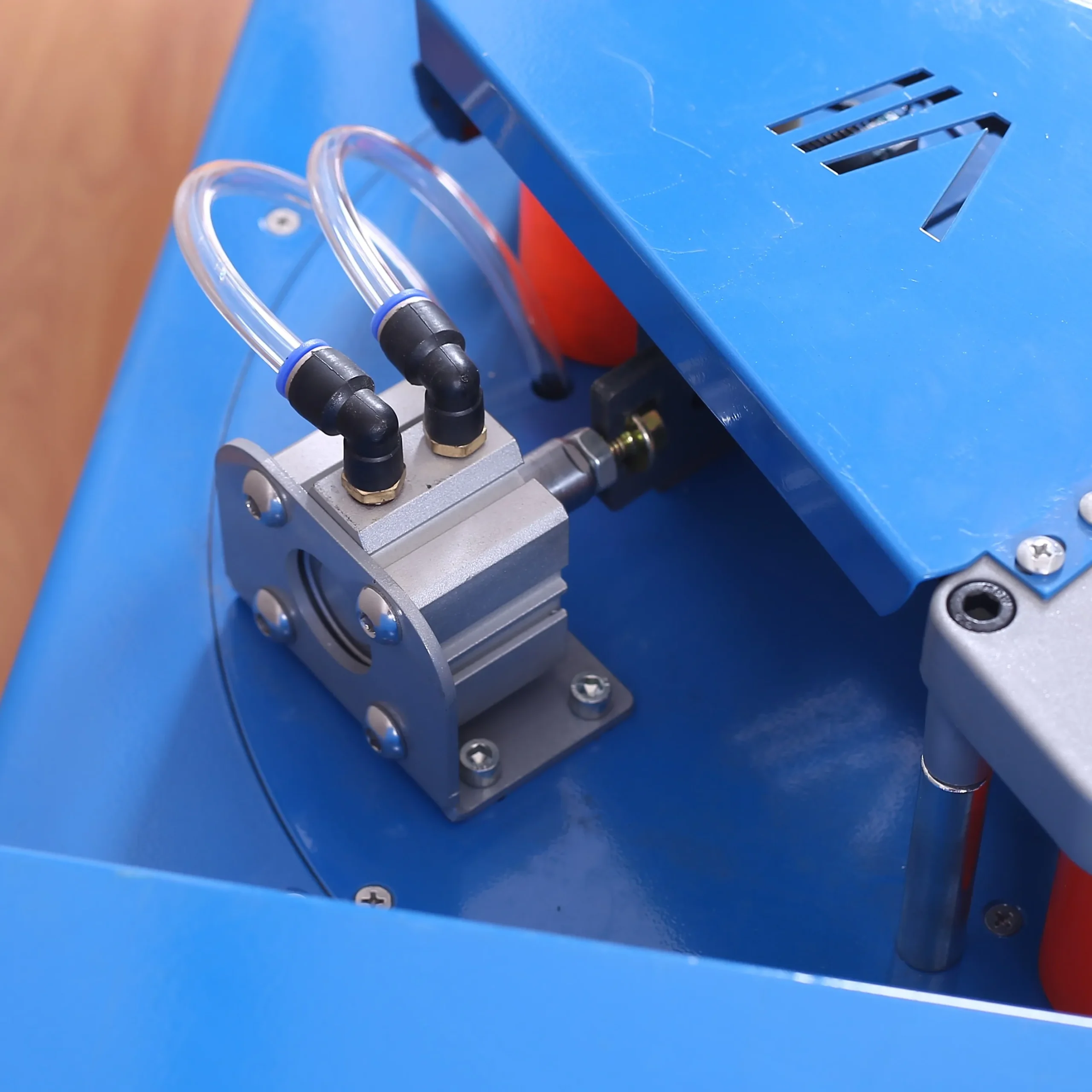
The dual trimming stations each draw 800W, giving enough spindle power to cut cleanly through PVC and veneer strips from 0.5 to 2 mm thick without tearing the material edge. Pneumatic trim actuation keeps the cutting head pressure consistent regardless of how fast the operator feeds the panel. The 1000 ml glue pot with its dedicated 800W heater reaches melt temperature in five to ten minutes, meaning short production runs do not waste hours waiting for the adhesive to stabilise. Panel thickness capacity from 10 to 50 mm covers most furniture and shelving stock, though operators feeding boards near the upper limit should reduce the belt speed below the 14 m/min maximum to maintain adhesion contact time.
The Cost of Skipping Upstream Compatibility
Buying a portable unit in isolation often leads to feed height mismatches with the panel saw upstream or the assembly bench downstream. Panels cut on a saw set to one table height arrive at the edge bander at a different elevation, forcing the operator to support them by hand and introducing feed angle errors. [NEED_CITE: woodworking line integration and material flow] Trimming quality suffers, glue transfer becomes uneven, and the operator spends more time adjusting than producing.
Manufacturing Depth Behind This Product Range
In-house manufacturing means every model from the ZDSF120 upward shares a common quality protocol rather than relying on outsourced assemblies. The four-stage QC process covers incoming material checks, in-process inspection, finished product verification, and pre-shipment testing with a documented record. Patented cutting mechanisms are built on the same factory floor, so tolerance claims can be verified physically before the machine ships. Voltage, language, and specification customization are treated as standard configuration steps rather than special requests. An engineer reviews the buyer’s production requirement and issues a formal configuration proposal within 24 hours, matching the ZDSF120 to the rest of the workshop layout.
Documentation & Verification
- Factory test record showing trimming quality on your specified panel thickness and strip material before dispatch
- Electrical schematic confirming voltage and frequency matched to the destination workshop supply
- Operation and maintenance manual written in the agreed language covering glue pot cleaning and trimming blade replacement
- Spare parts list identifying trimming blades, feed belt sections, and glue pot heating elements by part number
- Video outgoing-inspection demonstrating the ZDSF120 running on sample stock under load
- Packing photographs documenting machine condition and crate integrity before container loading
Installation, Commissioning & Support
- Floor space requirement of roughly 105×50 cm with clearance on both sides for panel infeed and outfeed support
- Dedicated 220V circuit rated for at least 2.4 kW with correct frequency confirmation before first power-on
- Portable single-unit design requiring no heavy lifting equipment — two operators can position the 45 kg machine on a standard workbench
- First-run glue temperature calibration on the 1000 ml pot to match the specific PVC or veneer strip material in use
- Trimming station alignment check at 0.4–0.6 MPa air pressure to confirm clean cuts across the full 0.5–2 mm strip range
- Spare trimming blade and feed belt inventory recommended for workshops running daily production cycles
What to Share Before Requesting a Quotation
Tell us the panel material you work with most often — whether that is virgin MDF, recycled particleboard, or plywood — because glue behaviour changes significantly across substrates. Share your local voltage and frequency so we confirm electrical compatibility before the build starts. If you already have a panel saw or plan to add one, let us know the model so we can check feed height alignment across the Ruiqi range.
Frequently Asked Questions
Q: Where does the ZDSF120 sit in the Ruiqi edge banding range, and what is the upgrade path?
A: The ZDSF120 is the portable entry point in the Ruiqi catalogue. Workshops typically start here for small batches and on-site work, then move to mid-range automatic models with pre-milling as volume increases. Because all models share the same product family, feed heights and spare part systems remain compatible, reducing the friction of scaling up.
Q: What voltage and frequency options are available, and how is this confirmed?
A: The ZDSF120 runs on 220V, but the frequency must be confirmed for the destination market before production begins. Our engineer verifies your local electrical standard during the configuration proposal stage. The electrical schematic shipped with the machine documents the confirmed voltage and frequency for your records and for local inspection.
Q: Which edge strip materials and thicknesses work best with this portable model?
A: The ZDSF120 handles PVC and veneer strips from 0.5 to 2 mm thick. PVC in the 0.5–1 mm range feeds most reliably at higher belt speeds, while veneer strips near 2 mm benefit from slower feed rates to allow full adhesive contact. Glue temperature should be adjusted to match the specific strip material and backing type.
Q: How does feed speed and glue pot capacity compare to larger automatic models?
A: The ZDSF120 feeds at 0–14 m/min with a 1000 ml glue pot, suited to batch work and on-site finishing. Larger automatic models in the Ruiqi range run at higher continuous speeds with larger glue reservoirs designed for full-shift production. The portable unit fills the gap for workshops that do not yet need line-speed throughput.
Q: Can the ZDSF120 be ordered as part of a broader workshop equipment package?
A: Yes. Ruiqi supplies panel saws, boring machines, and auxiliary equipment alongside the ZDSF120, configured so feed heights and material flow align across the workshop. Ordering as a matched set avoids the integration issues that arise when machines from different suppliers are placed side by side without coordination.