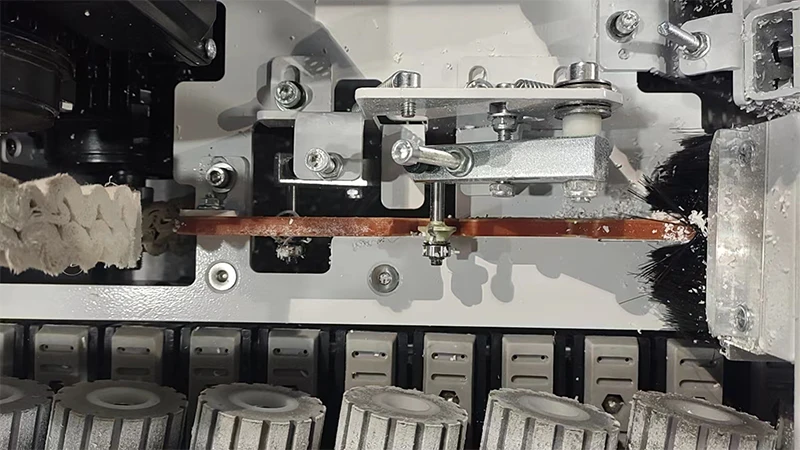

Description
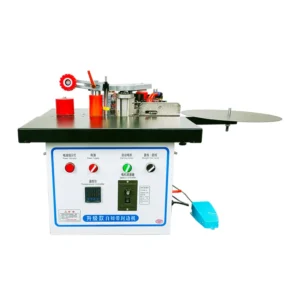
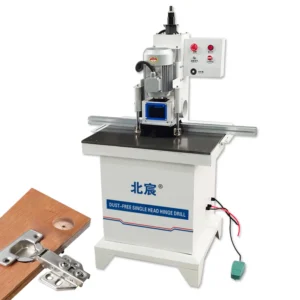
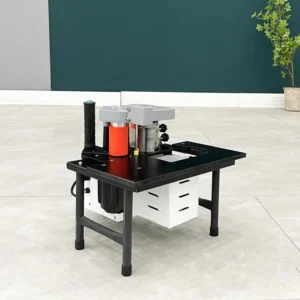
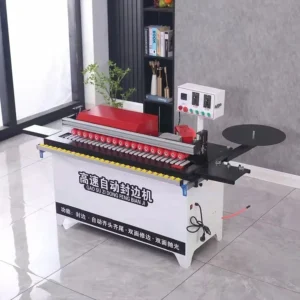
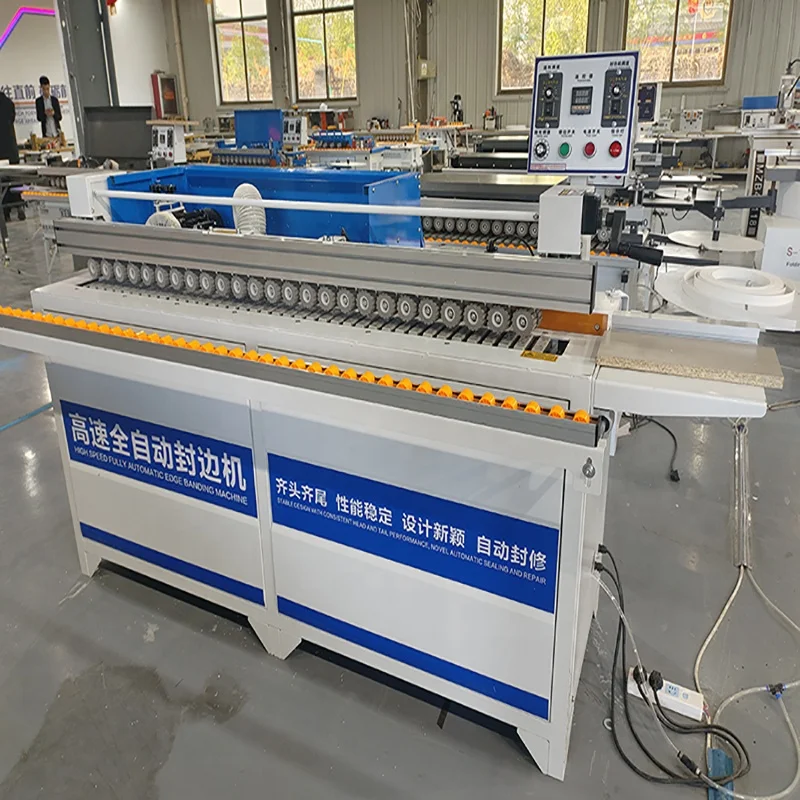
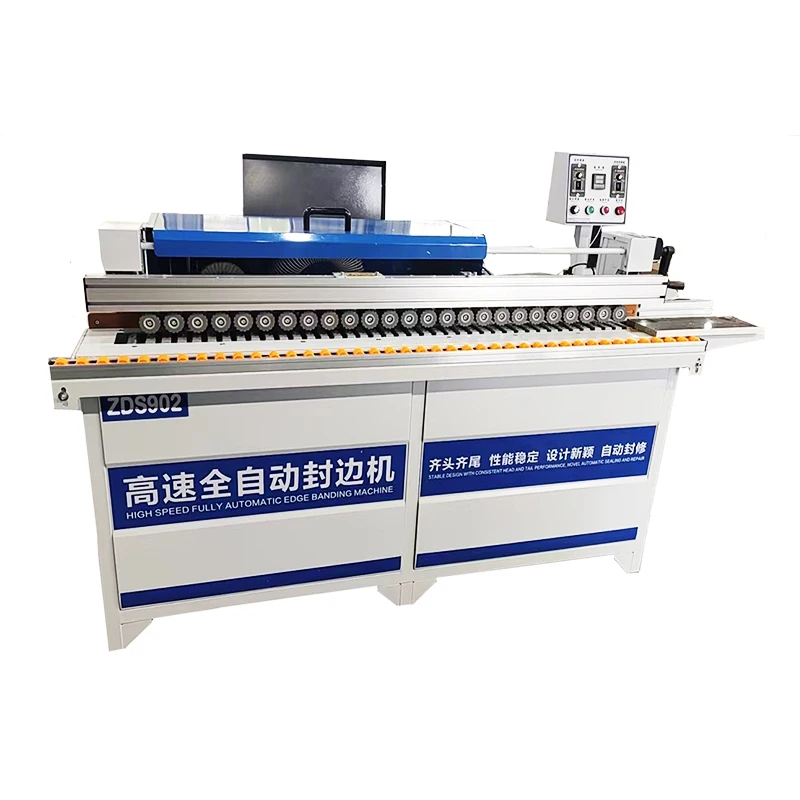
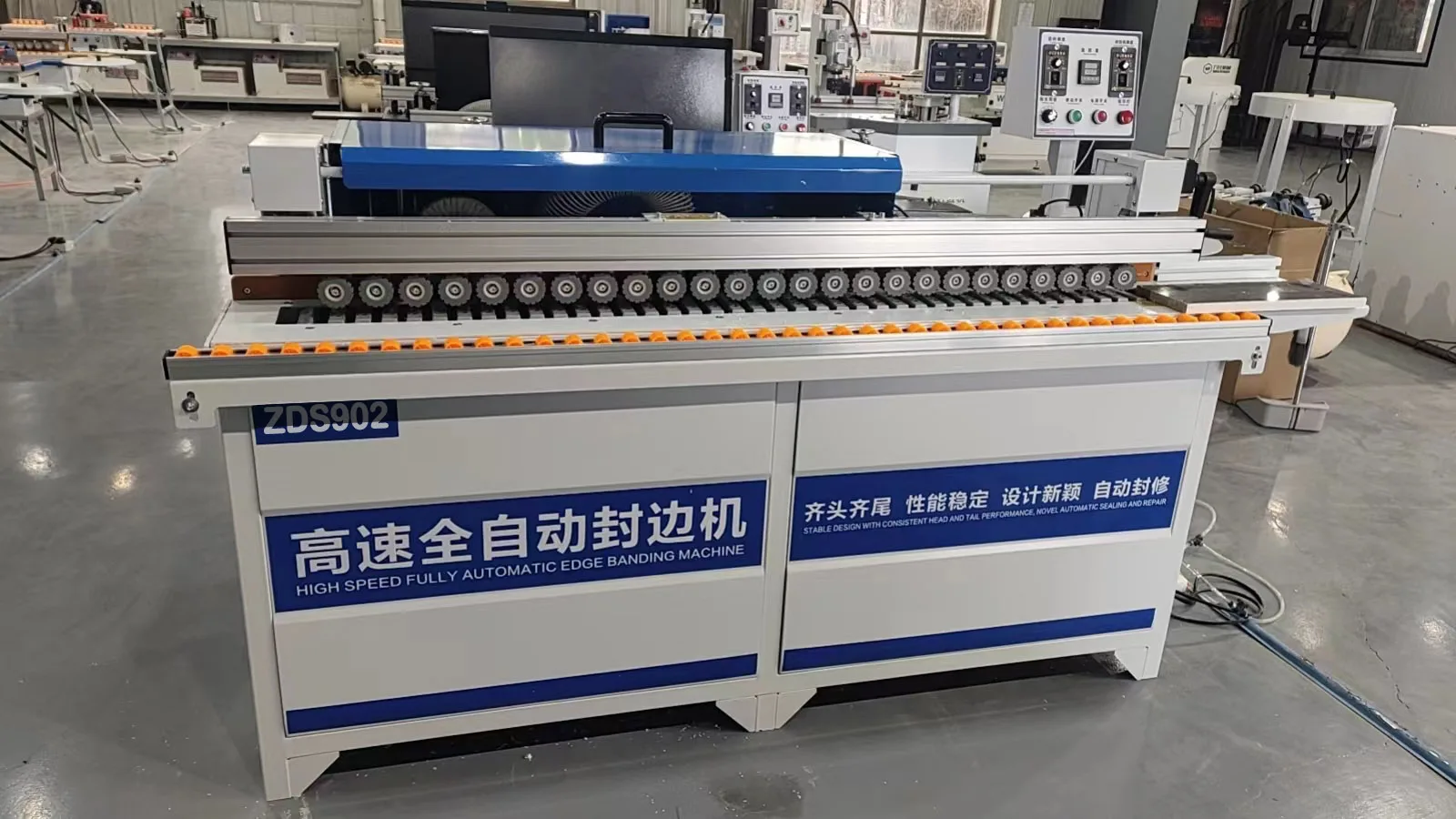
Full Model Range — High-speed Fully Automatic Edge Banding Machine family scales from entry-level to full-function production without changing supplier.
Technical Specifications
| Parameter | Value |
|---|---|
| Product Type | Automatic Edge Banding Machine |
| Voltage | 220V (frequency to be confirmed for target market) |
| Total Power | 4200W |
| Overall Dimensions (L×W×H) | 207 × 60 × 122 cm |
| Net Weight | 245 kg |
| Edge Banding Type | Linear Edge Banding Machine |
| Edge Band Height Range | 0–35 mm |
| Edge Band Thickness Range | 0.5–2.5 mm |
| Glue Pot Capacity | 4000 ml |
| Gluing System | Double-sided gluing with intelligent temperature control |
| Pressure Beam | Integrated with adjustable handle |
| Pressure Wheels | Double rows |
| Conveyor Belt | Silicone material |
| Edge Strip Cutting Device | Pneumatically controlled |
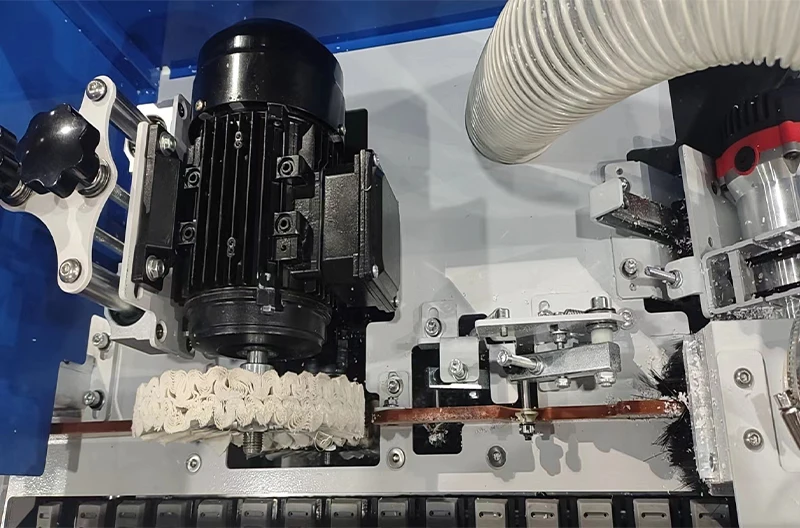
| Trimming Motors | Double high-speed trimming motors (up and down) |
| Polishing Motors | Up and down two polishing motors |
| Warranty | 1 year |
Application Suitability
| Application | Material or Output |
|---|---|
| Custom furniture panel edge banding | MDF and particleboard with PVC edge banding |
| Cabinet door and carcass production | Plywood panels with veneer edge strips |
| Joinery workshop automation | Solid wood panels up to 35 mm band height |
| Panel processing plant throughput | MDF, plywood, particleboard with 0.5–2.5 mm banding |
| Small-batch bespoke furniture | Mixed substrate runs requiring quick banding changeover |
Why the Voltage Question Must Come Before the Quotation
An automatic edge banding machine manufacturer that skips local electrical verification is selling you a problem, not a solution.
I once saw a custom cabinet maker receive a 380V edge bander at a workshop wired for 220V. The machine sat idle on the floor for three weeks while a step-down transformer was sourced and installed. The factory floor lost production time, the installation crew made return trips, and the cabinet maker missed delivery deadlines on two kitchen projects. This happens more often than buyers expect when an automatic edge banding machine manufacturer does not confirm site voltage and frequency before building the order [NEED_CITE: voltage and frequency standards by export market]. The configuration conversation needs to happen at quotation stage, not after the crate arrives at the dock.
Complete Range Configuration Without Supplier Changeover
The real advantage of a full product family is that a workshop can start with a basic trimming and polishing setup and move up to pre-milling and corner-rounding models later — all within one supplier relationship. When you source from an automatic edge banding machine manufacturer with tiered models sharing common spare parts and control logic, operator training carries over between machines and maintenance staff already know the mechanical layout.
Matching Machine Tiers to Production Stage
Entry-level units handle short runs on single substrates where the operator loads panels one at a time. Mid-range models introduce pneumatic edge strip cutting and double-row pressure wheels, supporting the higher feed consistency that cabinet production demands. Full-function machines add intelligent temperature control across the 4000 ml glue pot, keeping adhesive viscosity stable through long shifts on mixed MDF and particleboard batches [NEED_CITE: adhesive viscosity requirements for wood panel edge banding]. Choosing the right tier means matching the machine to where production actually sits today, not where the sales pitch suggests it will be next quarter.
What the Specification Sheet Tells You About Edge Quality
The 0.5–2.5 mm edge band thickness range covers PVC, ABS, and veneer strips used in furniture production, while the 0–35 mm band height range accommodates standard 18 mm board as well as thicker solid-wood panels. Double high-speed trimming motors working both top and bottom remove overhang in a single pass, which directly affects whether assembled cabinet boxes sit flush at the joints. The silicone conveyor belt and double rows of pressure wheels keep the panel stable during feeding, preventing the micro-shifts that cause visible glue lines on lighter substrates. The 4200W total power rating supports simultaneous operation of both polishing motors and the pneumatic cutting device without tripping a standard workshop circuit.
The Hidden Cost of Skipping Specification Confirmation
Buyers who order a single machine without confirming how it fits the existing production flow often discover feed-height mismatches with upstream panel saws or downstream boring machines. The integrated pressure beam with its adjustable handle covers a range of panel thicknesses, but if the upstream saw is cutting panels outside that range, the edge bander cannot compensate. Similarly, a machine specified for 60 Hz running on a 50 Hz supply will feed panels slower than rated, causing operators to push throughput beyond what the glue pot temperature can sustain. These mismatches do not show up in the brochure; they appear on the first production day [NEED_CITE: consequences of electrical frequency mismatch in industrial woodworking equipment].
What You Actually Get from This Manufacturer
In-house manufacturing with patented cutting mechanisms means tolerance claims can be verified on the factory floor, not just stated in a catalog. A four-stage QC process covers incoming material inspection, in-process checks, finished-product testing, and pre-shipment verification with documented results. Voltage and frequency are confirmed per order, and control panels are built in the operator’s working language so commissioning does not stall on day one. The engineer-led configuration process produces a formal quotation within 24 hours, giving buyers a detailed specification to compare rather than a single-line price [NEED_CITE: industrial machinery pre-shipment testing standards].
Documentation & Verification
- CE declaration of conformity matching the exported machine configuration
- ISO 9001 certificate covering manufacturing and QC processes
- Machine specification sheet with electrical schematic and confirmed voltage
- Factory test record on your panel thickness and edge band material before dispatch
- Operation and maintenance manual in the agreed operator language
- Spare parts list identifying consumables and recommended reorder quantities
Installation, Commissioning & Support
- 207 × 60 × 122 cm footprint requires level concrete floor with clearance for panel infeed and outfeed
- 4200W total power draw needs a dedicated 220V circuit with confirmed frequency at the site
- Machine ships assembled; positioning requires standard pallet jack access through workshop doors
- First-run calibration covers glue pot temperature setting for your specific PVC or veneer banding material
- Operator training addresses the integrated pressure beam adjustment for your panel thickness range
- Pneumatic edge strip cutting device requires clean compressed air supply at the workshop manifold
What to Include in Your Inquiry
Send your panel material types, typical board thicknesses, and the edge banding materials you run most often. Confirm your workshop voltage, frequency, and available compressed air capacity. If you are planning a full production line rather than a standalone machine, share your upstream panel saw model and downstream boring or drilling equipment so feed heights and throughput can be matched before the quotation is prepared.
Frequently Asked Questions
Q: How do I select the right model tier from entry-level to full-function for my workshop?
A: Selection depends on your daily panel volume, substrate mix, and whether you run single batch sizes or mixed runs. Entry-level models suit joinery workshops moving from manual to machine edge banding on one or two board types. Full-function models with intelligent temperature control and pneumatic cutting serve factories running MDF, particleboard, and plywood across multiple thicknesses in the same shift.
Q: What voltage and frequency options are available for my country?
A: Voltage is configurable from 110V to 440V, and frequency must be confirmed as 50 Hz or 60 Hz for your local grid. The electrical schematic is prepared after confirmation so the motor windings, control transformer, and glue pot heater all match your supply. This verification happens before production begins.
Q: Which edge banding materials and panel substrates does this machine handle?
A: The machine processes PVC, ABS, and veneer edge banding in 0.5–2.5 mm thickness and 0–35 mm height. Compatible substrates include MDF, plywood, particleboard, and solid wood panels. The double-sided gluing system and intelligent temperature control maintain consistent adhesion across these different material combinations.
Q: Can I visit the factory for a sample processing test before placing an order?
A: Factory visits are welcome, and sample processing tests can be arranged using your own panel material and edge banding stock. The test demonstrates edge quality, trimming finish, and polishing result on your specific substrate before the order is finalized.
Q: What documentation and spare parts come with the machine?
A: Each shipment includes a CE declaration, ISO 9001 certificate copy, specification sheet with confirmed voltage, factory test record, operation manual in your chosen language, and a spare parts list. Packing photographs and customs documentation support are provided before dispatch.