
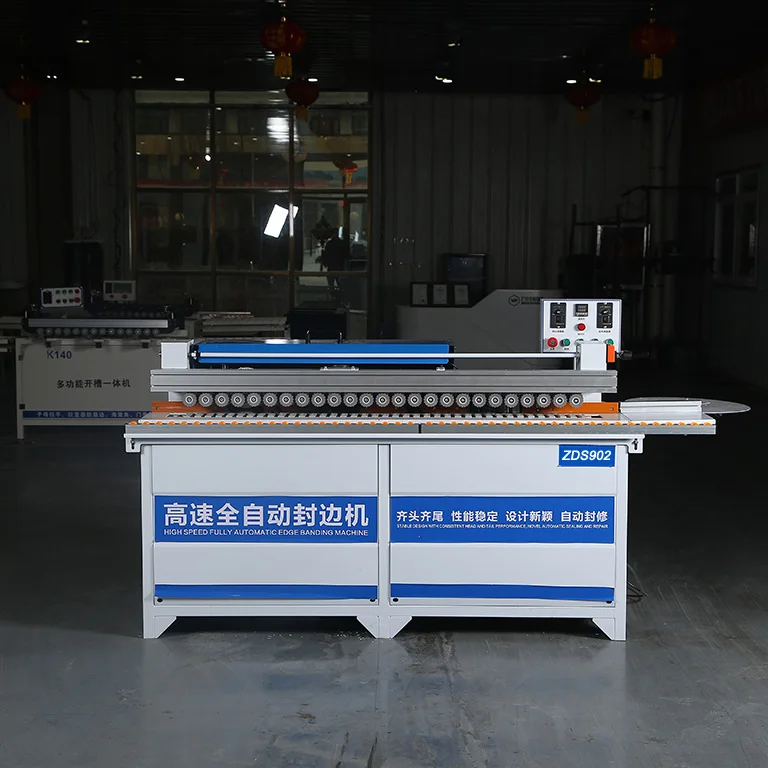
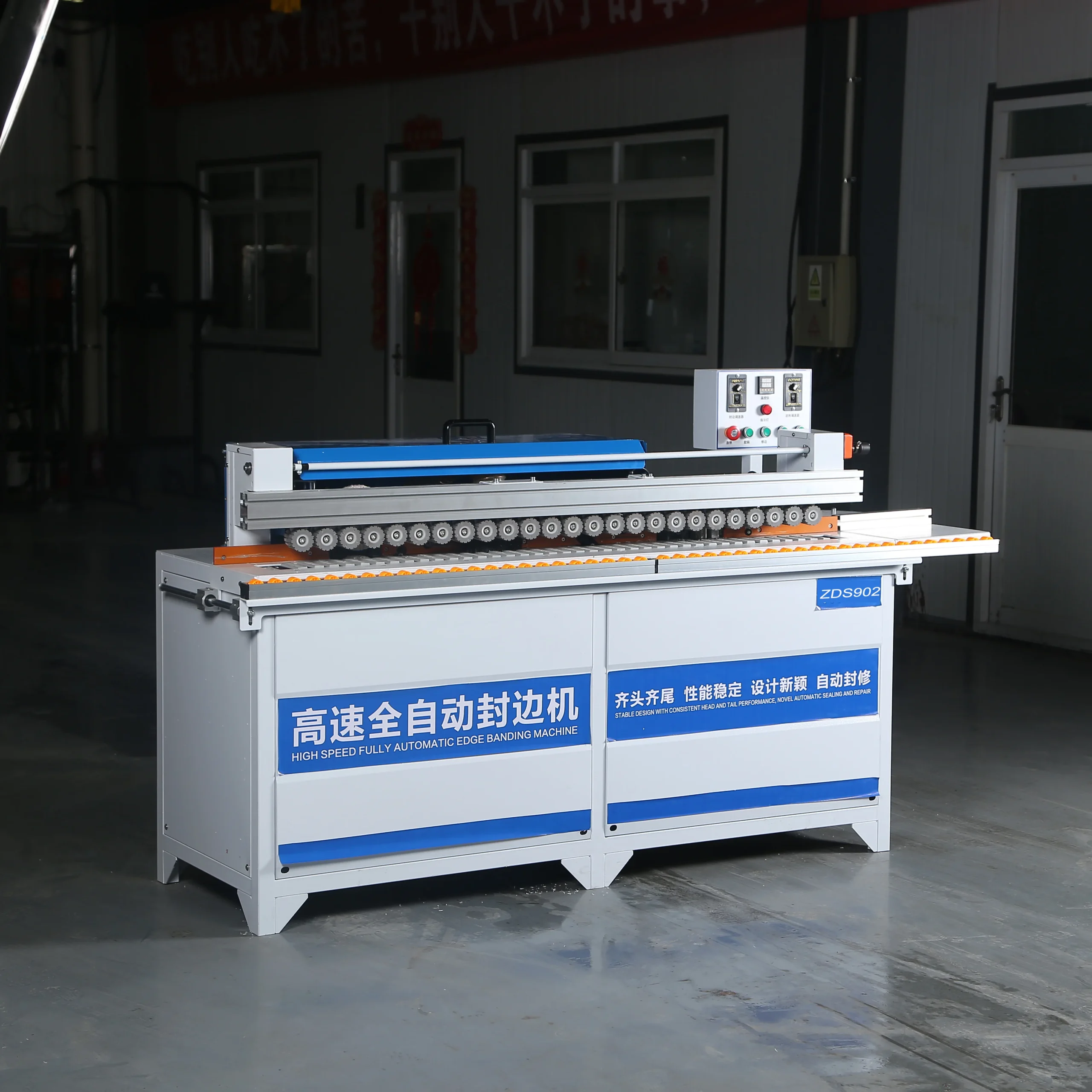
Description
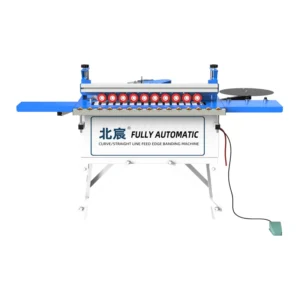
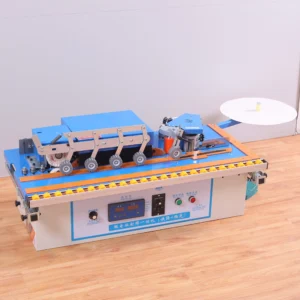
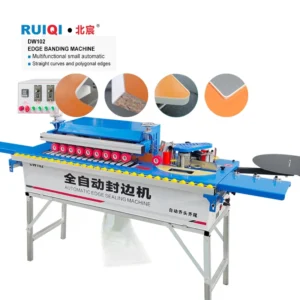
Double-Sided Gluing at Workshop Scale — A portable edge bander engineered for joinery shops that need consistent adhesion on MDF and plywood without committing to a full automatic line.
Technical Specifications
| Parameter | Value |
|---|---|
| Product Type | Portable Manual Edge Banding Machine |
| Voltage | 220V (configurable from 110V to 440V) |
| Total Power | 4200W |
| Equipment Size (L×W×H) | 2070×600×1220 mm |
| Net Weight | 245KG |
| Edge Banding Type | Linear Edge Banding |
| Edge Band Height Range | 0–35 mm |
| Edge Band Thickness Range | 0.5–2.5 mm |
| Glue Pot Capacity | 4000ML |
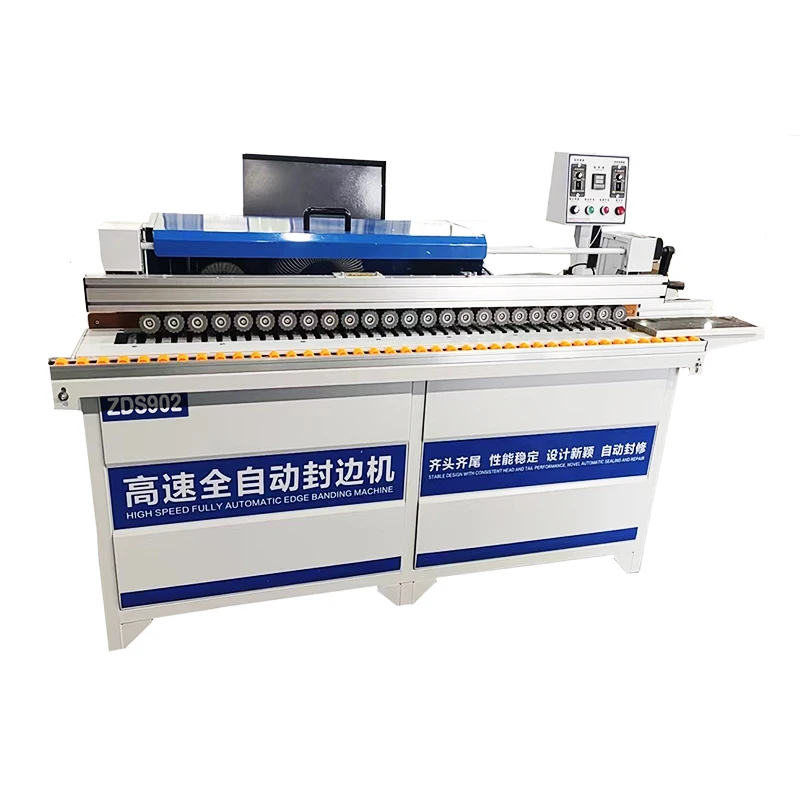
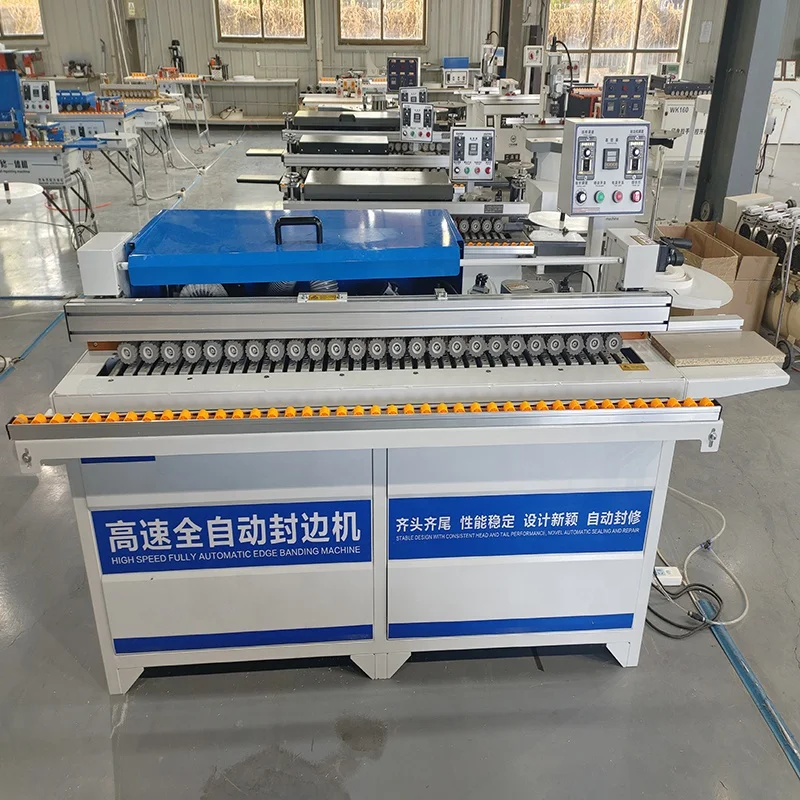
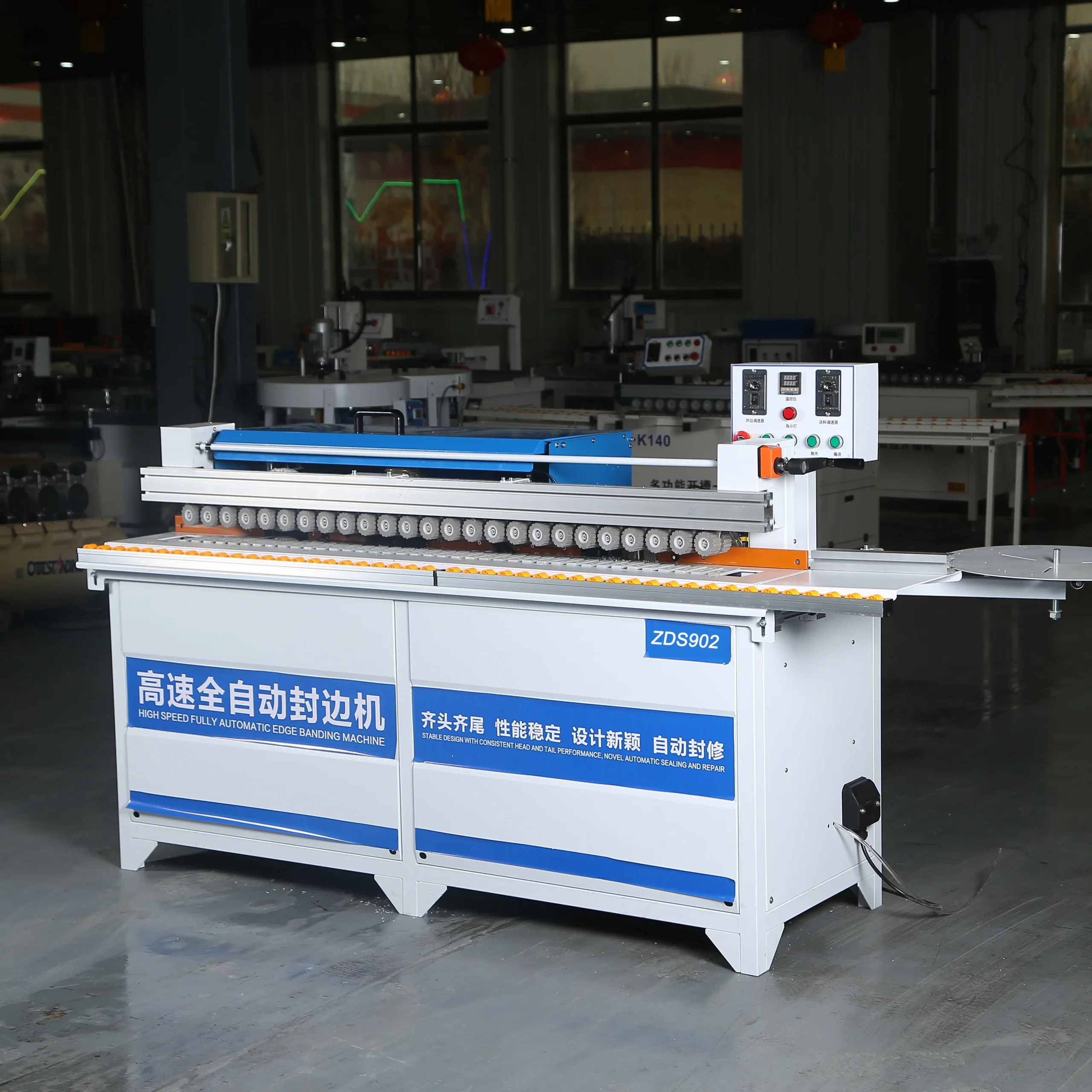
| Pressure System | Integrated pressure beam with double rows of pressure wheels |
| Conveyor Belt Material | Silicone |
| Edge Strip Cutting | Pneumatically controlled |
| Polishing Motors | 2 units (up and down) |
| Trimming Motors | Double high-speed (up and down) |
| Pressure Beam Adjustment | Manual handle for board height |
| Key Features | Double-sided gluing, intelligent temperature control, independent operating platform |
| Warranty | 1 year |
| Standards | CE, ISO 9001 |
Application Suitability
| Application | Material or Output |
|---|---|
| Custom cabinet door edging | MDF panels with PVC edge banding |
| Plywood shelving production | Plywood sheets with veneer or melamine strips |
| Small-batch furniture components | Particleboard panels up to 35 mm band height |
| On-site joinery and fit-out work | Solid wood panels in constrained workshop spaces |
| Backup edge banding alongside primary line | Mixed substrates during changeover periods |
Why Voltage Confirmation Must Precede Every Portable Edge Banding Machine Order
A machine wired for the wrong frequency will run, but the glue pot will never hold stable temperature.
I once watched a workshop in Southeast Asia uncrate a bander that powered on fine but cycled the heater incorrectly because the local grid ran at 60 Hz while the machine expected 50 Hz. The glue viscosity drifted all shift, and every third panel showed delamination at the trimming stage. That kind of fault does not appear on the factory test bench — it only surfaces once the machine meets local power. A Portable Edge Banding Machine manufacturer must confirm voltage and frequency before production begins, not after the crate arrives. [NEED_CITE: voltage and frequency standards by export market]
How Double-Sided Gluing Changes Adhesion on Porous Substrates
Most entry-level banders apply glue to the panel edge only, which works on sealed MDF but struggles with raw particleboard where the substrate absorbs adhesive before the strip makes contact. This portable edge banding machine applies glue to both the panel edge and the back of the strip simultaneously, creating a bond layer on each surface. Intelligent temperature control keeps the glue pot within a narrow thermal band, so viscosity stays consistent whether you are running thin veneer at a slower pace or thicker PVC at full feed.
Pressure Beam Design and Its Role in Edge Quality
The integrated pressure beam uses double rows of pressure wheels rather than a single roller, distributing clamping force across a wider contact zone. This matters when you switch between a 16 mm MDF shelf and a 25 mm particleboard carcass panel — the manual handle adjusts beam height, and the dual-row layout prevents the strip from lifting at the trailing edge. Silicone conveyor belt material grips the panel without marring finished surfaces, which is important when you are banding pre-laminated boards that go straight to assembly. [NEED_CITE: edge banding pressure distribution on composite panels]
Reading the Specs That Actually Affect Your Panels
The 0.5–2.5 mm edge band thickness range covers the most common PVC and veneer strips used in custom furniture, but the real constraint is the 0–35 mm height range. Panels thicker than 35 mm will not pass under the pressure beam without adjustment, and very thin strips below 0.5 mm tend to wrinkle in the feed path. The 4200W total power must be matched to your workshop circuit — at 220V this draws roughly 19 amps, so a dedicated breaker is necessary rather than sharing a line with other equipment. The 4000ML glue pot capacity means fewer refill interruptions during a production run, but it also means longer heat-up time from cold start, so plan your morning warm-up accordingly. Pneumatically controlled cutting requires a compressed air supply rated for the trim cylinder, typically around 6 bar, and the up-and-down polishing motors handle both top and bottom overhang in a single pass.
What Happens When You Skip the Substrate Conversation
A buyer once specified a standard glue temperature for a batch of high-density particleboard without mentioning the board density was above the typical range. The standard temperature could not penetrate the denser fiber structure, and the bond line failed at the trimming stage — the strip peeled cleanly off every panel. This portable unit addresses that risk with adjustable intelligent temperature control, but only if the operator knows to change the setpoint for the substrate in use. Buying a machine without confirming your primary board material is how you end up with a unit that works perfectly on test samples and fails on your actual production stock. [NEED_CITE: adhesive bond failure on high-density particleboard]
Why Sourcing From the Same Product Family Matters
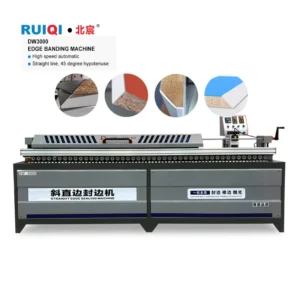
This portable edge banding machine sits at the entry point of a full product family that extends through pre-milling automatic models. When a workshop outgrows manual feed and needs higher throughput, the transition to a fully automatic unit from the same manufacturer means the control logic, glue system architecture, and maintenance procedures carry over. Spare parts overlap across the range, and the technician who learned to service the portable unit already understands the pressure beam adjustment and trimming motor alignment on the larger machines. Engineer-led configuration recommendations ensure the initial portable purchase does not become a dead-end asset once volume grows.
Documentation & Verification
- Factory test record run on your specified panel thickness and edge band material before dispatch
- Electrical schematic confirming your local voltage and frequency configuration
- Operation and maintenance manual translated into your agreed language
- Machine specification sheet with verified tolerance and power ratings
- Pre-shipment verification photographs showing your serial-numbered unit
Installation, Commissioning & Support
- Requires a dedicated 220V circuit capable of sustaining 4200W continuous draw with appropriate breaker sizing
- Compressed air line at 6 bar for pneumatic edge strip cutting and trimming cylinders
- 2070 mm footprint fits standard workshop aisles; allow clearance on both sides for panel feed
- First-run parameter setup covers glue temperature calibration for your specific substrate and strip material
- Pressure beam manual handle adjustment demonstrated during commissioning for your panel thickness range
- Silicone conveyor belt inspection and cleaning schedule provided in the maintenance manual
Preparing a Useful Inquiry
To configure this portable edge banding machine correctly, share the primary panel material you work with — MDF, particleboard, or plywood — along with the typical board thickness range and edge band type. Specify your local voltage and frequency so the electrical system can be confirmed before production. If you plan to scale toward higher throughput later, mention your expected daily panel volume so the configuration can account for a future upgrade path within the same product family.
Frequently Asked Questions
Q: How do I confirm the correct voltage and frequency for my country before ordering?
A: Provide your local supply voltage and frequency during the inquiry stage. The manufacturer configures the electrical system to match — options range from 110V to 440V — and the electrical schematic in your documentation package confirms the final configuration before the machine leaves the factory.
Q: What panel and edge band thicknesses does this portable model handle?
A: The machine accepts edge band heights from 0 to 35 mm and strip thicknesses from 0.5 to 2.5 mm. This covers standard PVC and veneer materials used on MDF, plywood, and particleboard panels common in custom furniture and cabinet production.
Q: How does this portable unit fit into a larger upgrade path?
A: This model belongs to a product family that extends to full-function automatic edge banders. When your production volume grows, you can transition to a higher-tier machine from the same manufacturer with familiar control systems and overlapping spare parts inventory.
Q: What spare parts are included and how do I source replacements?
A: A spare parts list ships with every machine, covering consumables like trimming blades and pressure wheel replacements. Long-term replacements are available directly from the manufacturer, and the parts catalog aligns across the product family for cross-model compatibility.
Q: Can I visit the factory or request a sample processing test before ordering?
A: Factory visits are welcomed, and you can arrange a sample processing test using your own panel material and edge band stock. This lets you verify bond quality and trim finish on your actual substrates before committing to an order.