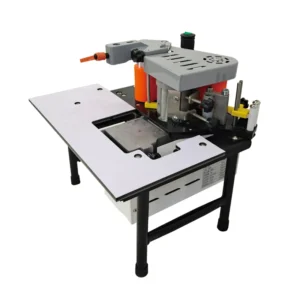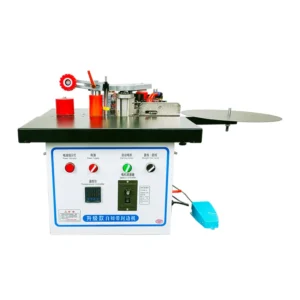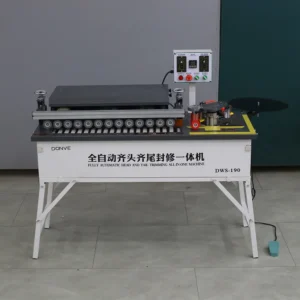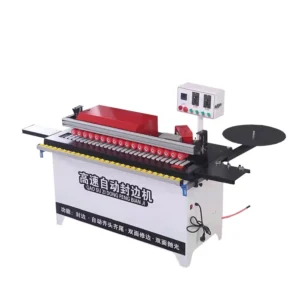
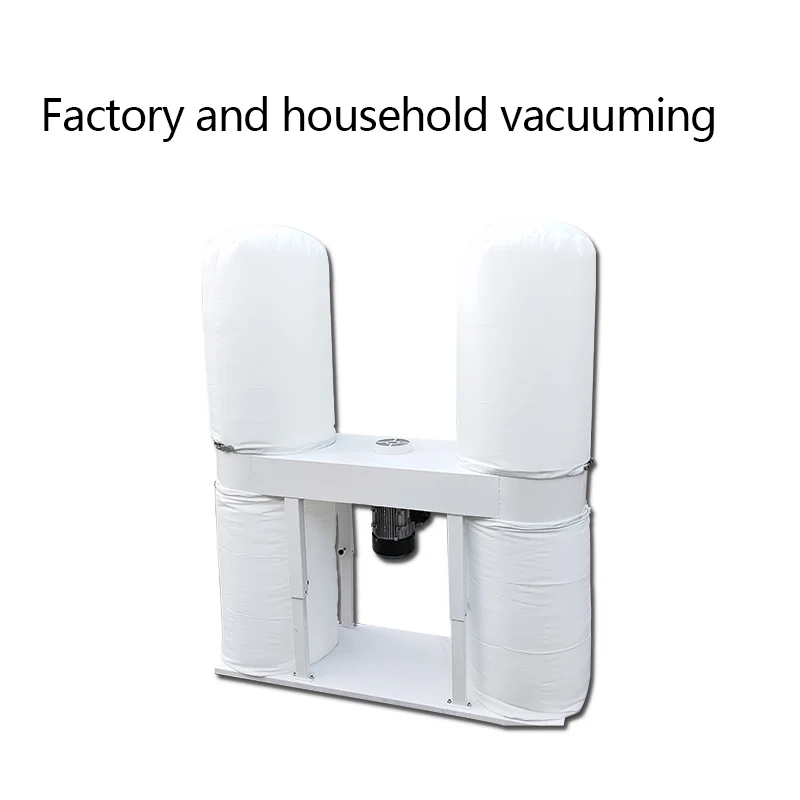
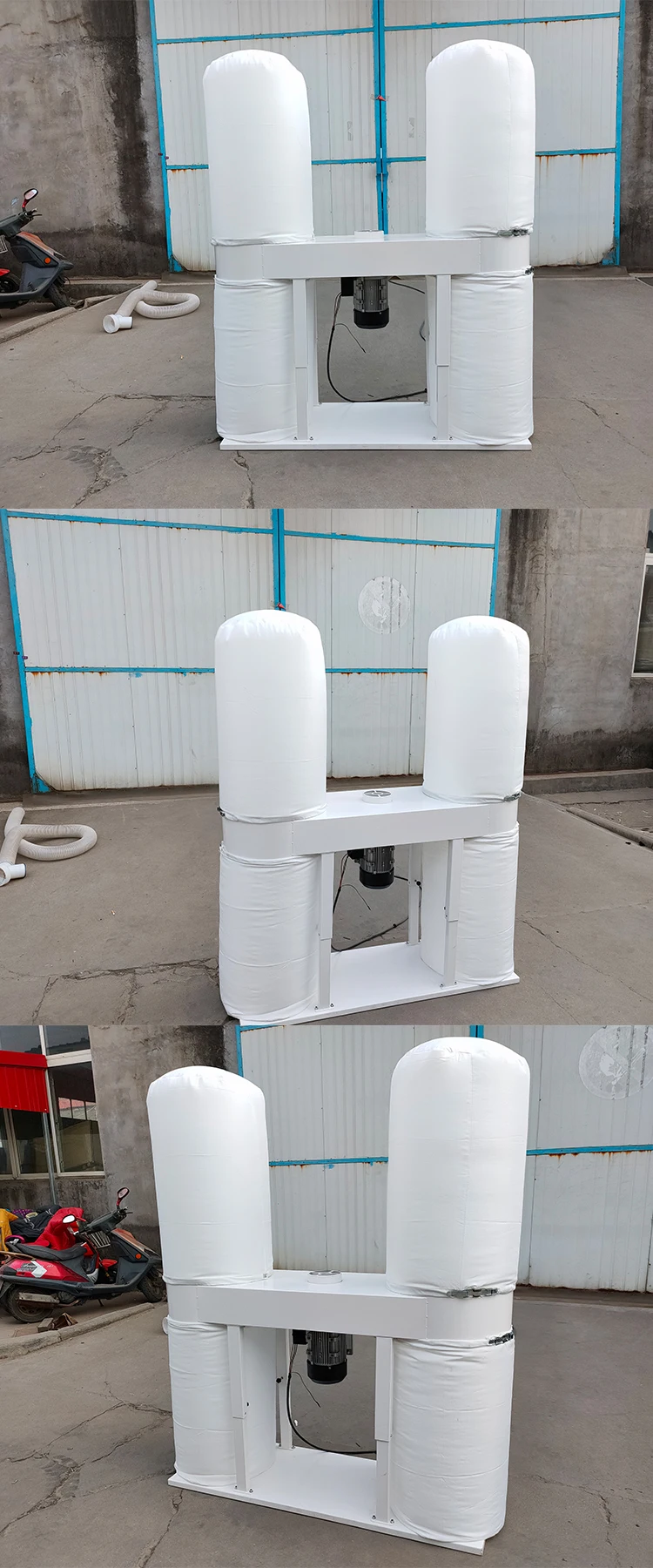
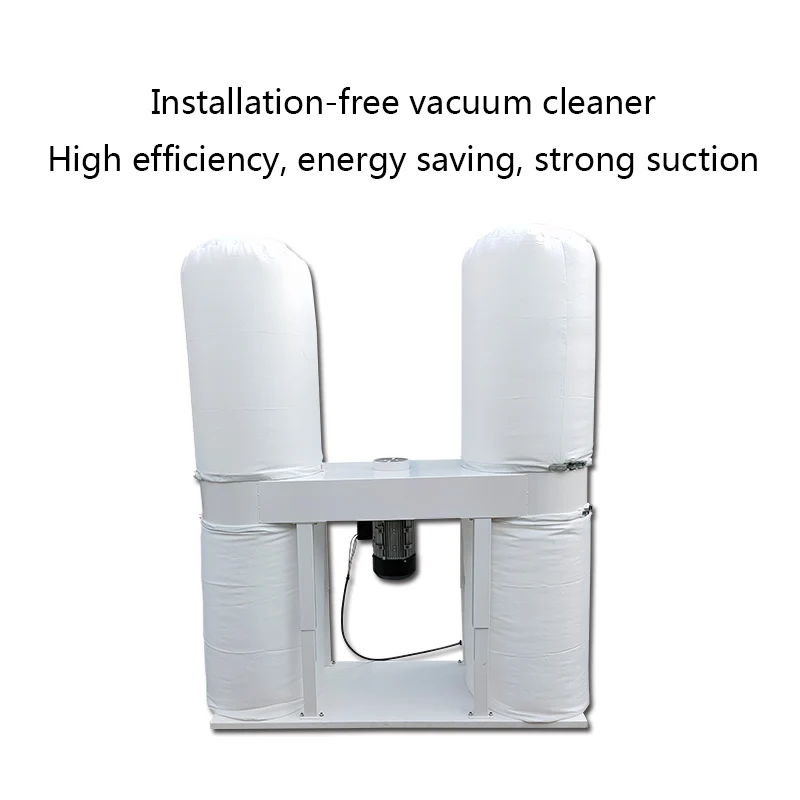
Description
Engineer-led Configuration — Every dust collector for woodworking machines is matched to your exact line layout, voltage grid, and control language before production begins.
Technical Specifications
| Parameter | Value |
|---|---|
| Product Type | Dust Collector for Woodworking Machinery |
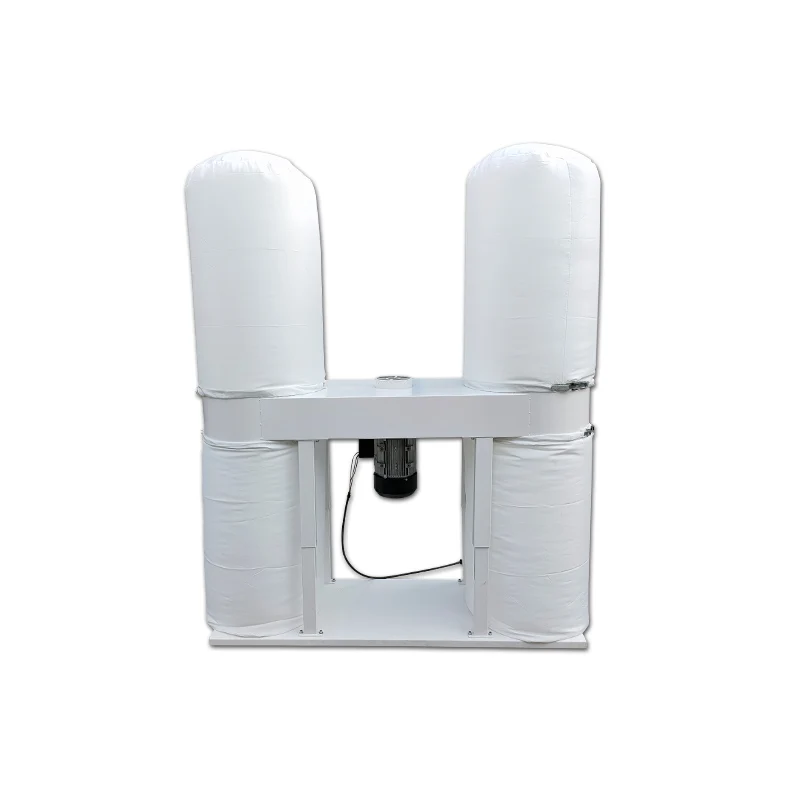
| Filtration Method | Bag filter with diversion device for large particle separation |
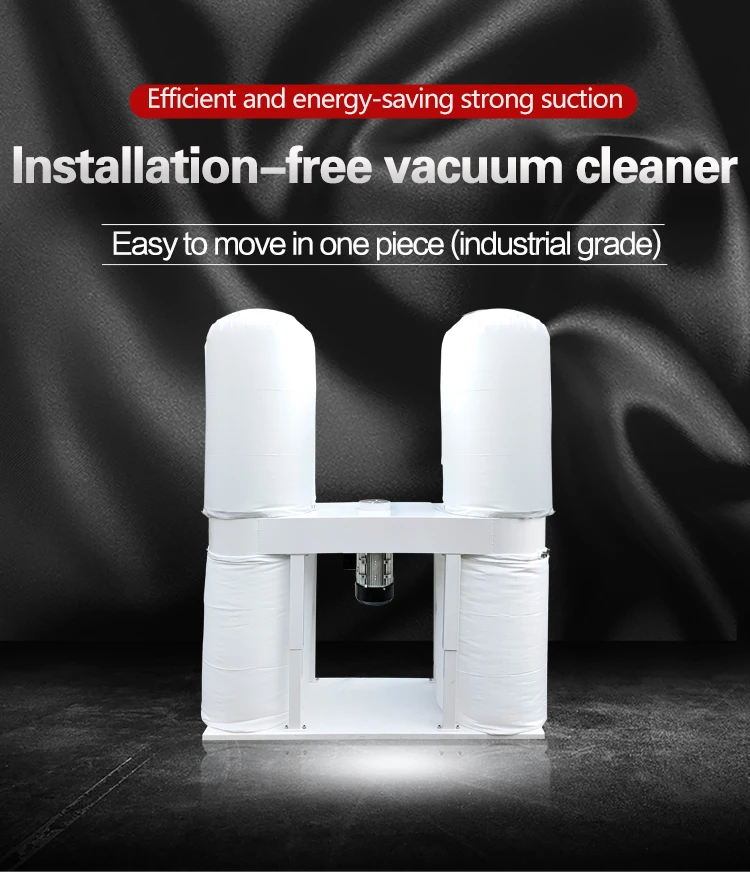
| Assembly State | Mobile unit with bag inlet and dust hopper |
| Plug Options | EU, USA, AU, UK |
| Control Panel Language | Chinese and English standard; Spanish and other languages available on request |
| OEM Capability | Custom logo printing and production according to buyer drawings |
| Packaging | Wooden box |
| Power / Voltage / Dimensions / Weight / Airflow | (basis not stated in source — confirm motor kW, voltage/frequency, footprint, suction volume) |
Application Suitability
| Application | Material or Output |
|---|---|
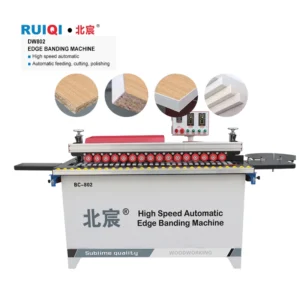
| Edge banding machine dust extraction | PVC, ABS, and wood veneer edge banding trimmings and adhesive residue |
| Sliding table saw and panel saw suction | MDF, particleboard, plywood, and solid wood panel offcuts and fine dust |
| Multi-boring and hinge boring machine cleanup | Boring chips from laminated boards and composite substrates |
| Slotting machine waste removal | Groove waste from MDF shelving and cabinet carcass panels |
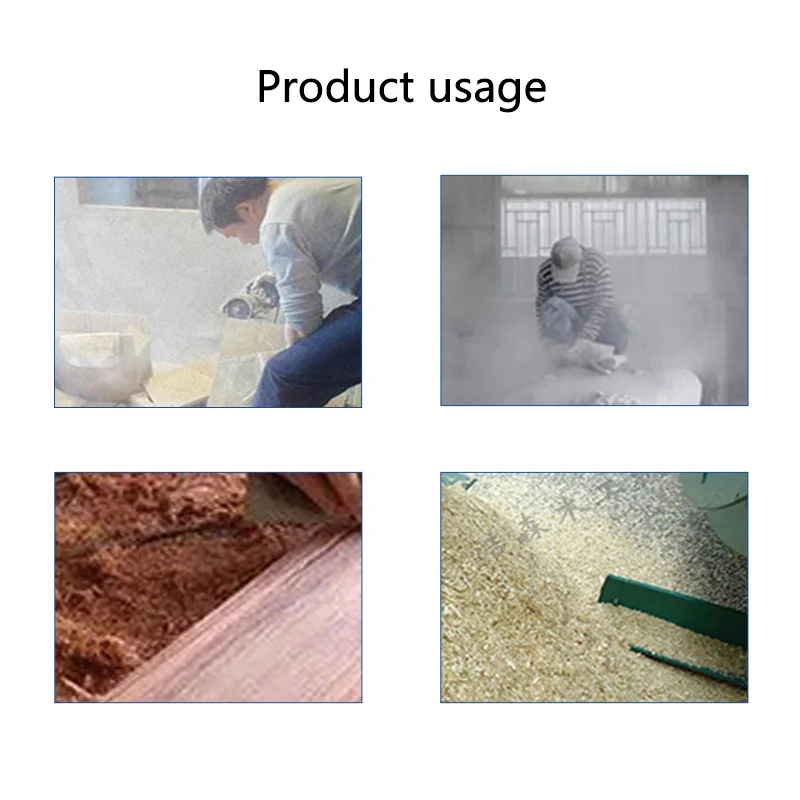
| General workshop air quality control | Ambient airborne particulate across custom furniture factory floors |
Why the Voltage Question Should Come Before the Price Quote
Confirming local voltage, frequency, and plug type eliminates the single most preventable cause of day-one machine failure.
A furniture factory once received a dust collector wired for a 380V three-phase supply, only to find their workshop ran on 220V single-phase. The motor burned out within hours, production stalled for a full week, and the replacement shipment took nearly a month to arrive. This failure is entirely avoidable when the dust collector for woodworking machines manufacturer verifies the electrical environment at the inquiry stage rather than assuming a standard configuration. Every export market carries its own grid reality, and the spec sheet must reflect it before the crate is built [NEED_CITE: voltage and frequency standards by export market].
Positioning Dust Extraction Within the Full Machine Catalogue
A dust collector is not an isolated purchase; it sits downstream of every cutting, boring, and edge banding station on your floor. Buyers sourcing from a single manufacturer can match the suction capacity and duct diameter of the dust collector for woodworking machines to the throughput and waste volume of their primary equipment. This eliminates the guesswork of pairing units from different suppliers and ensures the feed height, airflow rating, and electrical circuit are compatible from day one.
Scaling Dust Collection as Production Volume Grows
Workshops that begin with a single sliding table saw and a compact bag filter often add edge banders, multi-boring machines, and CNC routers as order volume increases. Planning duct routing and manifold connections early allows each new machine to tie into the existing extraction network without re-engineering the entire system. A dust collector for woodworking machines manufacturer that supplies the full auxiliary range lets buyers phase their investment while keeping every component within one product family [NEED_CITE: industrial dust extraction duct layout standards].
Reading the Specs That Actually Matter on the Shop Floor
The diversion device is the first stage of separation: heavy particles and large chips fall directly into the dust hopper before reaching the filter bags, which reduces the particulate load on the fabric media and extends bag service intervals. Multi-chamber airflow distribution ensures that suction remains consistent across all connected machines, preventing the pressure drop that causes weak extraction at the furthest workstation. Plug options spanning EU, USA, AU, and UK standards mean the unit can be wired to a dedicated circuit without adapters or on-site rewiring. Control panels available in the operator’s language remove the commissioning delay that occurs when maintenance staff cannot read fault codes or adjustment menus.
The Hidden Cost of Mismatched Suction Capacity
When a dust collector is undersized for the number of machines it serves, suction at the furthest drop point weakens to the point where fine MDF dust escapes into the workshop air. Operators then complain of visibility issues and surface contamination on finished panels. Oversized units create excessive negative pressure that can pull small workpieces off the feed table of a sliding saw. Neither problem appears in a product brochure; both surface only after installation, when reconfiguring ductwork and replacing the motor becomes a multi-week disruption [NEED_CITE: woodworking dust extraction airflow matching guidelines].
Why Buyers Source Auxiliary Equipment From the Same Line
Ruiqi manufactures the primary woodworking machines alongside the dust collection units, so duct diameters, voltage ratings, and control interfaces align across the entire workshop. Voltage, plug type, and control language are confirmed and documented before production begins. A four-stage quality control process covers incoming material inspection, in-process checks, finished product verification, and a pre-shipment test under load. The full auxiliary range means a buyer can spec dust collectors for every station without introducing a second supplier. Engineer-led configuration recommendations are delivered with a formal quotation, ensuring the unit matches the actual machines on your floor rather than a generic catalogue entry.
Documentation & Verification
- Electrical schematic confirming voltage, frequency, and plug type for your market
- CE declaration of conformity covering the dust collector unit
- ISO 9001 certificate available for your import documentation package
- Factory test record showing suction performance under simulated load before dispatch
- Operation and maintenance manual printed in the agreed control panel language
- Spare parts list with filter bag specifications and replacement intervals
Installation, Commissioning & Support
- Dedicated electrical circuit sized to the confirmed motor kW and voltage rating
- Mobile base allows repositioning on the shop floor without foundation work
- Bag inlet and duct connections matched to your existing machine exhaust ports
- First-run suction test with all connected woodworking machines operating simultaneously
- Operator training on filter bag inspection and dust hopper emptying intervals
- Spare filter bags and diversion baffles shipped with the initial order
Preparing Your Inquiry for an Accurate Configuration
To receive a spec sheet that matches your actual workshop conditions, share the types and quantities of woodworking machines that will connect to the dust collector, the local voltage and frequency at your facility, and your preferred control panel language. If you are planning a phased line expansion, note which machines will be added later so the manifold and duct layout can accommodate future connections.
Frequently Asked Questions
Q: How do I match dust collector suction capacity to my woodworking machines?
A: List every machine that will connect — edge banders, saws, boring units — along with their dust port diameters and waste volumes. The engineer then calculates the total airflow requirement and selects a filter bag chamber count that maintains consistent suction at the furthest drop point, preventing pressure loss across the duct network.
Q: Can the voltage, plug, and control language be customized for my market?
A: Yes. Voltage is confirmed from 110V to 440V based on your local grid, plug type is set to EU, USA, AU, or UK standard, and the control panel is produced in your operator’s language. All three parameters are documented on the electrical schematic before the unit enters production.
Q: Where do dust collectors fit within the full Ruiqi machine range?
A: Dust collectors are positioned as auxiliary units alongside primary equipment such as edge banders, panel saws, and boring machines. Sourcing from one manufacturer ensures duct connections, voltage ratings, and throughput capacity are compatible across every station in your workshop.
Q: How often do filter bags need replacing, and are spares available?
A: Replacement intervals depend on daily operating hours, the volume of MDF or particleboard processed, and the diversion device’s effectiveness at separating large chips before they reach the bags. A spare parts list with exact bag dimensions and specifications ships with every unit for straightforward reorder.