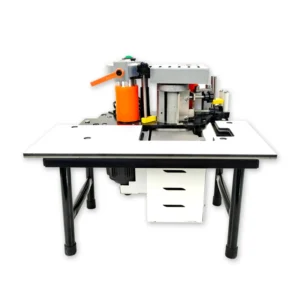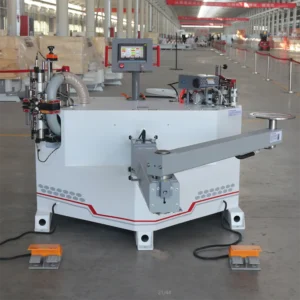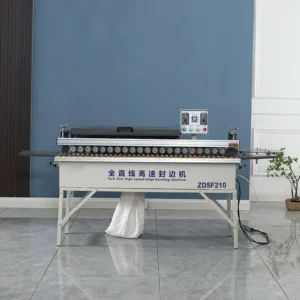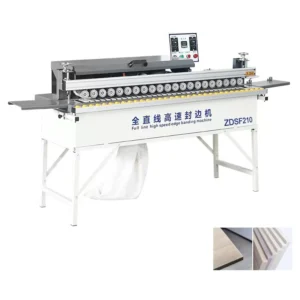


Description
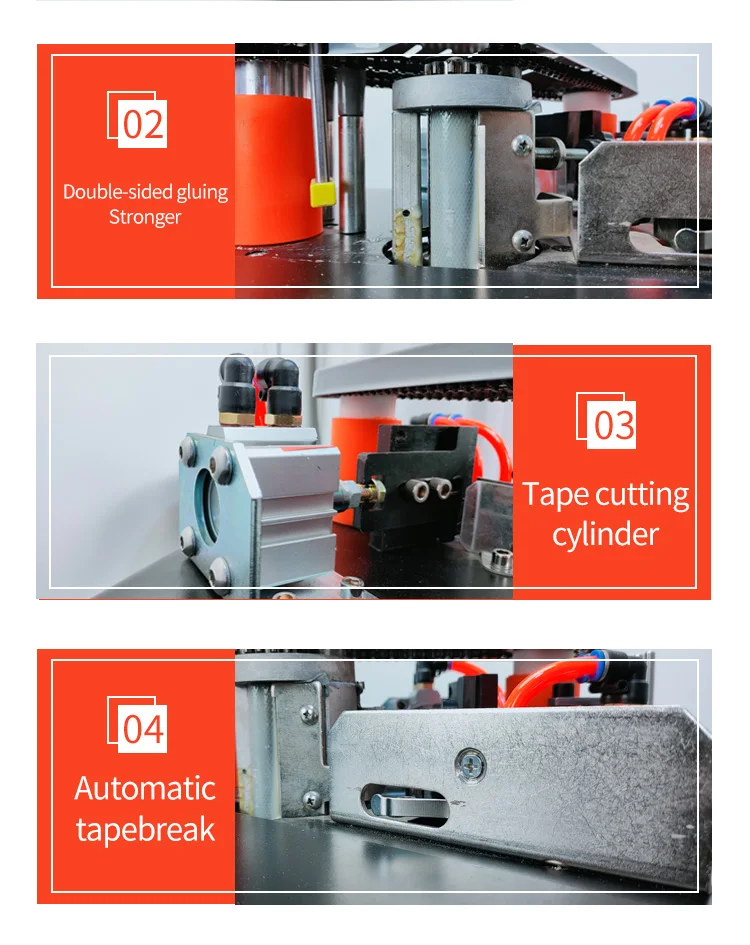
Verified tolerance — ±0.02mm cutting precision backed by in-house patented mechanisms, giving this entry-level model a foundation usually reserved for higher-tier machines.
Technical Specifications
| Parameter | Value |
|---|---|
| Model | ST-50 |
| Product Type | Manual Edge Banding Machine |
| Total Power | 1000W |
| Voltage & Frequency | 220V/380V/customization |
| Edge Power | 20W |
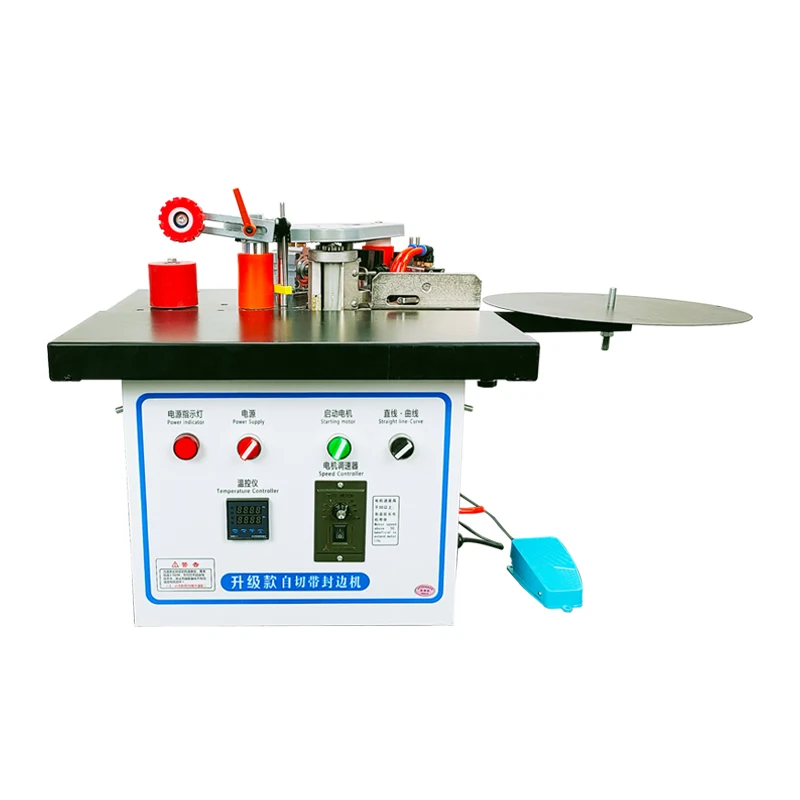
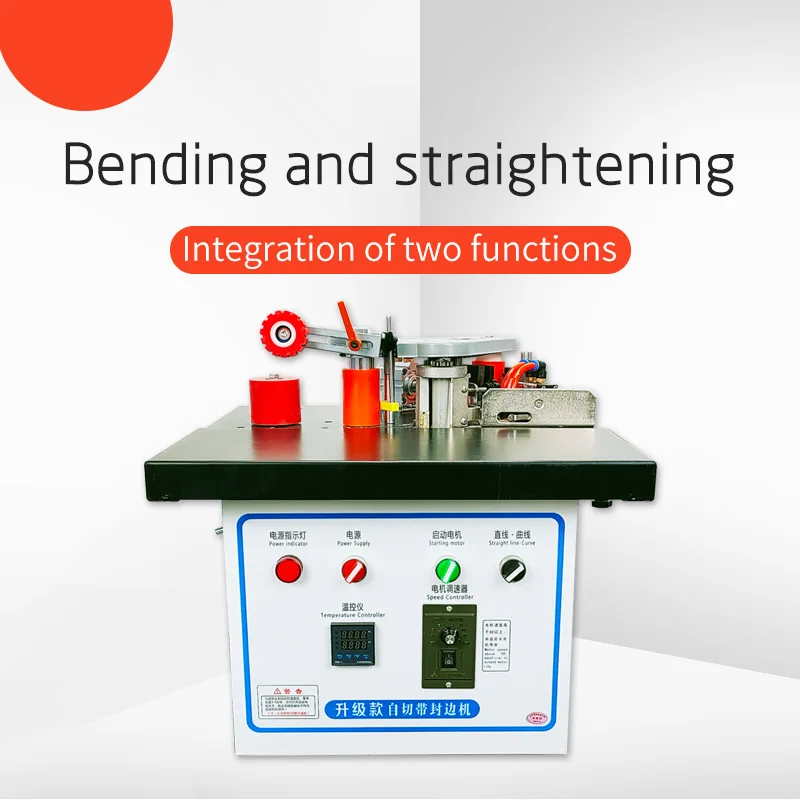
| Standard Features | Curved and straight edge banding |
| Minimum Length of Sheet | 25cm |
| Minimum Width of Sheet | 3cm |
| Edge Banding Height | 0–50mm |
| Edge Banding Thickness | 0.3–3mm |
| Air Source Pressure | 0.5–0.8MPa |
| Glue Pot Capacity | 1000ml |
| Overall Dimensions (L×W×H) | 50×50×47cm |
| Net Weight | 22kg |
| Language Options | Chinese/English, other languages customizable |
| Plug Options | EU / USA / AU / UK |
| Certification | CE |
Application Suitability
| Application | Material or Output |
|---|---|
| Furniture panel edge sealing | MDF, particleboard, plywood |
| Solid wood board banding | Solid wood panels with PVC or veneer strip |
| Home decoration production | Ecological board and laminated substrates |
| Small workshop furniture repair | Curved and straight profile restoration |
| Custom cabinet prototyping | Short-run panels requiring both radius and linear edges |
Why Glue Temperature Matters More Than Machine Price on a Manual Edge Bander
The wrong glue temperature for your edge material causes more rework than any mechanical tolerance ever will.
I remember a Middle East buyer who received a manual edge bander configured for PVC banding, only to discover on-site that the workshop was running solid wood strips. The standard heating module could not maintain adequate melt temperature for the thicker, denser adhesive layer that solid wood demands. Panels left the station with visible delamination along every curved section [NEED_CITE: adhesive bonding requirements by edge banding material]. Two weeks of on-site adjustment followed. A manual edge banding machine for sale becomes a liability when the thermal profile does not match the actual production material.
Positioning Within a Scalable Edge Banding Range
The ST-50 sits at the starting point of the Ruiqi edge banding lineup. Workshops evaluating a manual edge banding machine for sale often plan to add automatic units as volume grows, and keeping one supplier across the range means consistent glue chemistry, compatible feed heights, and familiar operator workflows across every station.
Curved and Straight Capability in One Footprint
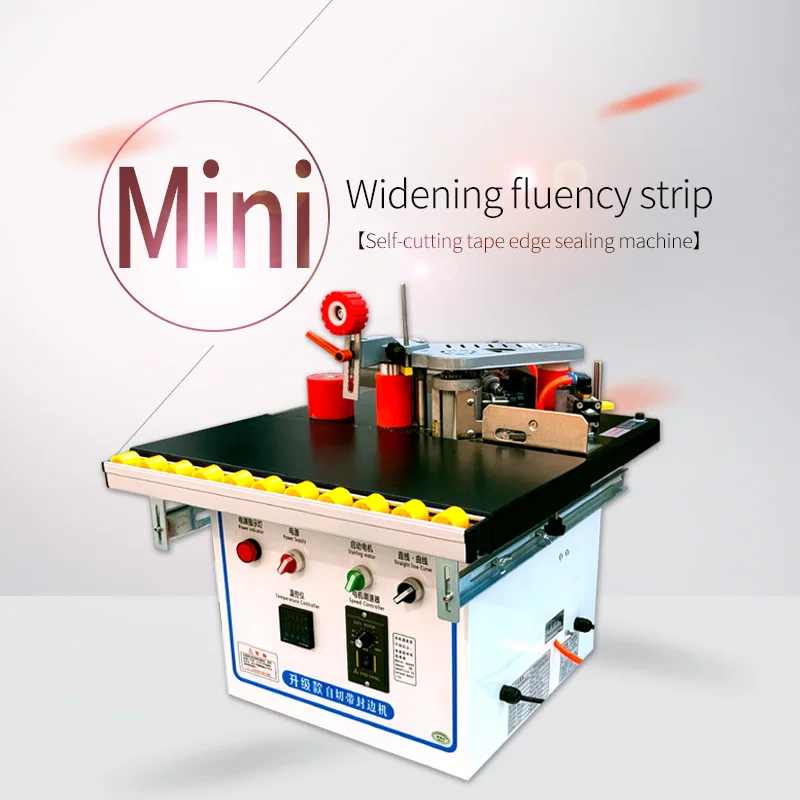
Most compact edge banders handle only straight runs. The ST-50 covers both curved and straight profiles without a secondary machine, which matters for joinery shops cutting radius cabinet doors or arched shelving. The 0–50mm banding height range accommodates standard panel thicknesses, while the 0.3–3mm banding thickness window spans PVC, melamine, and thin veneer strips. This dual-profile capability reduces the number of machines a small workshop needs on the floor [NEED_CITE: woodworking machinery safety standards for manual feed operations].
Reading the Specification Sheet Against Your Actual Workload
The 1000W total power rating is adequate for continuous PVC and melamine runs at moderate pace. If you intend to run thick veneer or solid wood strips, confirm with the engineer whether the standard heating module reaches the melt temperature your adhesive requires, or whether an upgraded module should ship with the machine. The 1000ml glue pot capacity allows extended runs between refills — roughly equivalent to a full morning shift on standard cabinet components before topping up. The 25cm minimum sheet length and 3cm minimum width define the smallest offcut you can edge; plan your cutting layout so that no saleable panel falls below those limits. The 0.5–0.8MPa air pressure requirement means the machine needs a small compressor connection, typically available in any workshop already running pneumatic tools.
The Hidden Cost of Configuring a Machine for the Wrong Material
Buyers who quote a machine without specifying the edge banding material often discover the mismatch only after the first production batch. Glue that bonds well to PVC at standard temperature will under-cure on solid wood, leaving edges that peel within days of delivery. On curved sections the problem multiplies because the banding is under tension while the adhesive sets. The cost of rework — stripping banding, re-sanding, re-gluing — quickly exceeds any savings from a quick purchase decision [NEED_CITE: common edge banding failure modes in small workshops].
Why Source This Model Here
In-house manufacturing with patented cutting mechanisms means the same precision-ground components used on the full-function automatic models are available on the ST-50, verified at ±0.02mm tolerance. Voltage and plug type ship configured for your local supply — 220V, 380V, or another standard — eliminating the scenario where a machine arrives and cannot be powered on. Multilingual control panels are available as a standard option, so the operator reading the display is reading it in a language they understand. A four-stage QC process with pre-shipment verification means the unit is tested against your specified panel thickness and banding material before crating. Factory visits and sample processing tests are available before order commitment.
Documentation & Verification
- Machine specification sheet with confirmed voltage and frequency for your electrical standard
- Operation and maintenance manual produced in the agreed language before dispatch
- CE declaration of conformity and ISO 9001 certificate available on request
- Factory test record on your specified panel thickness and banding material
- Electrical schematic with plug type and circuit requirements for local electrician
- Spare parts list with part numbers for glue pot, heating element, and pressure roller
Installation, Commissioning & Support
- Requires a dedicated 220V or 380V circuit matching the confirmed configuration; verify amperage with the electrical schematic before installation
- Overall footprint of 50×50×47cm fits a standard workbench; no special foundation or floor anchoring required
- Arrives fully assembled — connect air supply at 0.5–0.8MPa and power on for first run
- Initial glue temperature and feed rate calibrated during commissioning based on your edge material
- Glue pot and pressure roller inspected as part of routine weekly maintenance schedule
- Spare heating elements and rollers shipped with the unit for first-year coverage
What to Include in Your Inquiry
Tell the engineer what panel substrates you run most often — MDF, particleboard, plywood, or solid wood — and which edge banding materials you use. Confirm your local voltage and frequency so the machine ships wired correctly from the factory. If you want to see the ST-50 process your own panels, arrange a sample test or factory visit before committing to an order.
Frequently Asked Questions
Q: How does the ST-50 fit within the full Ruiqi edge banding machine range and when should I consider stepping up to an automatic model?
A: The ST-50 is the entry point in the Ruiqi edge banding family, suited for workshops handling short runs and mixed curved-and-straight profiles. When your daily volume reaches a point where manual feed speed becomes the bottleneck, stepping up to an automatic model within the same range keeps glue chemistry and operator training consistent.
Q: What panel substrates and edge banding materials work best with this machine?
A: The ST-50 handles MDF, particleboard, plywood, ecological board, and solid wood panels. Banding materials include PVC, melamine, and thin veneer within the 0.3–3mm thickness range. For solid wood strips, confirm the heating module configuration with the engineer before shipment.
Q: Can voltage and plug type be configured for my local electrical standard before shipment?
A: Yes. Voltage options include 220V and 380V with further customization available. Plug options cover EU, USA, AU, and UK standards. The machine specification sheet confirms the exact configuration before production begins.
Q: What is the minimum sheet size this machine handles and how does that affect my cutting plan?
A: Minimum sheet length is 25cm and minimum width is 3cm. When planning panel cuts, ensure no saleable component falls below these dimensions. For very small offcuts that need edging, consider grouping them into a larger panel and trimming after banding.
Q: How do I arrange a factory visit or sample edge banding test before placing an order?
A: Contact the sales engineer with your panel material, edge banding type, and required edge height. The team prepares a sample processing test using your specifications, and factory visits can be scheduled alongside the test run.