Description
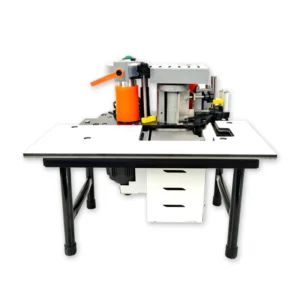
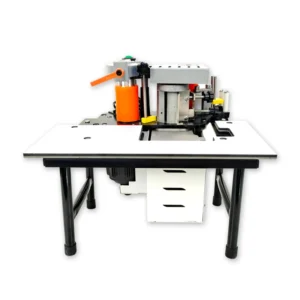
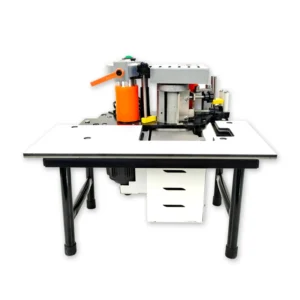
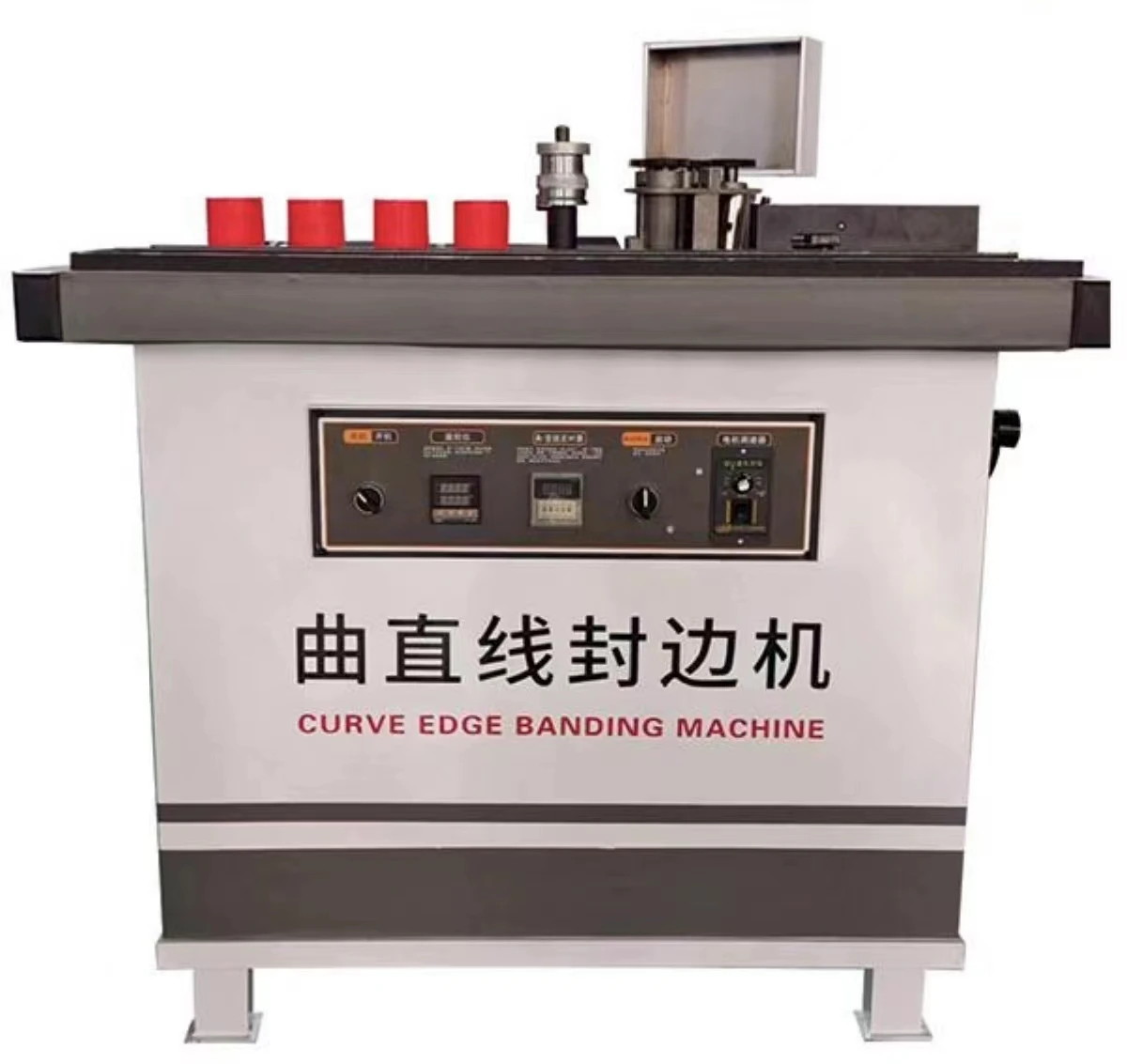
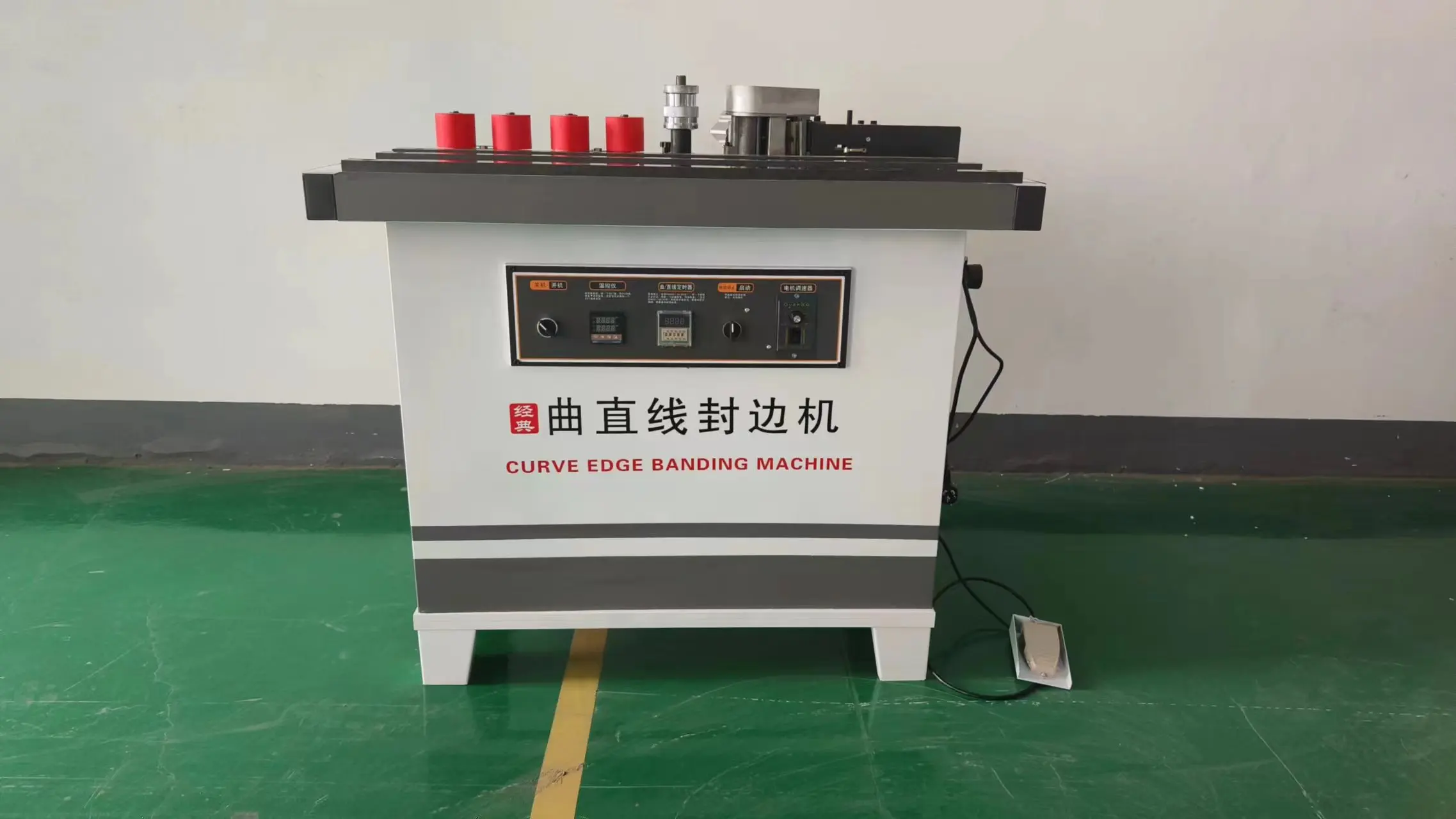
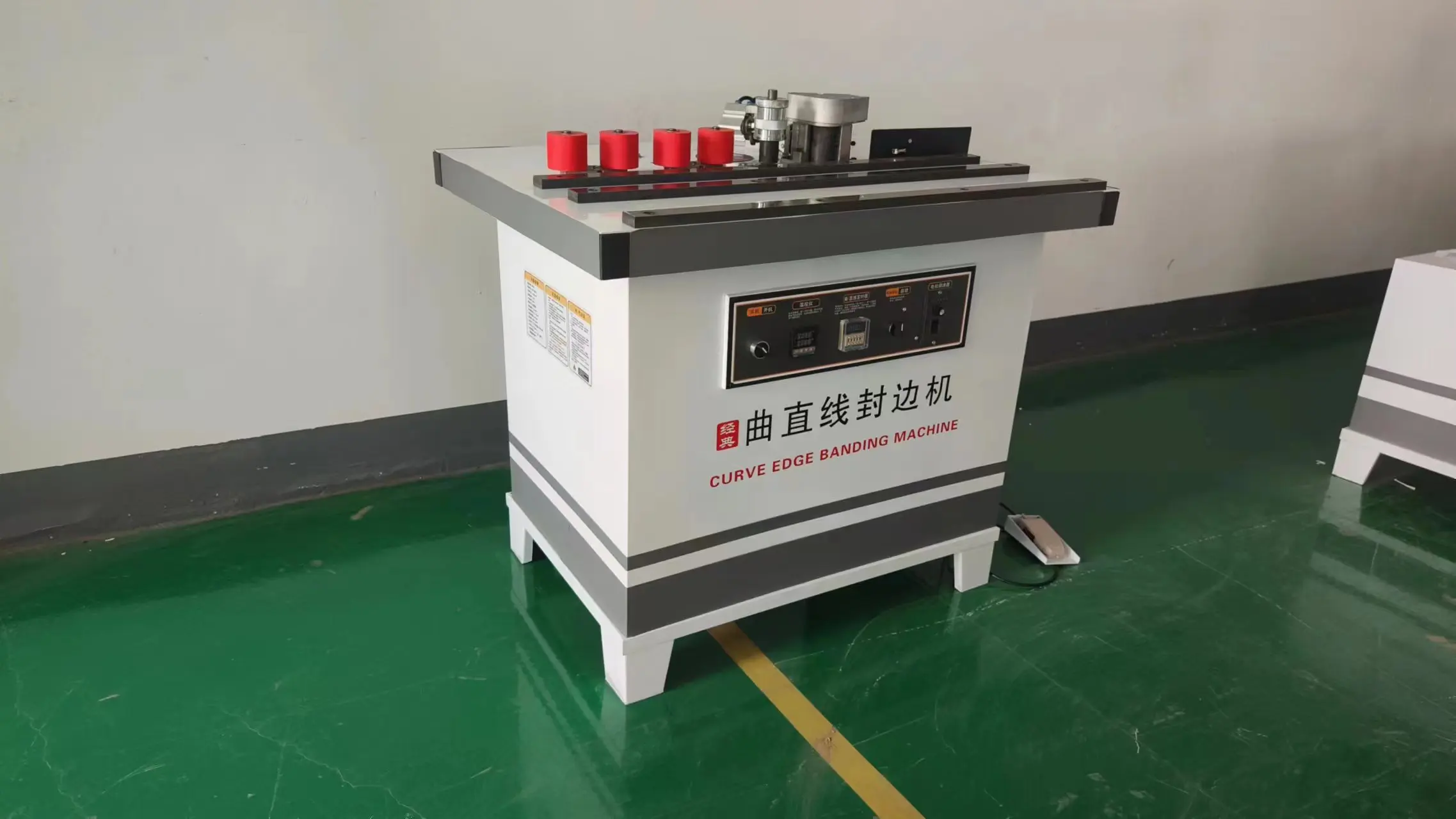
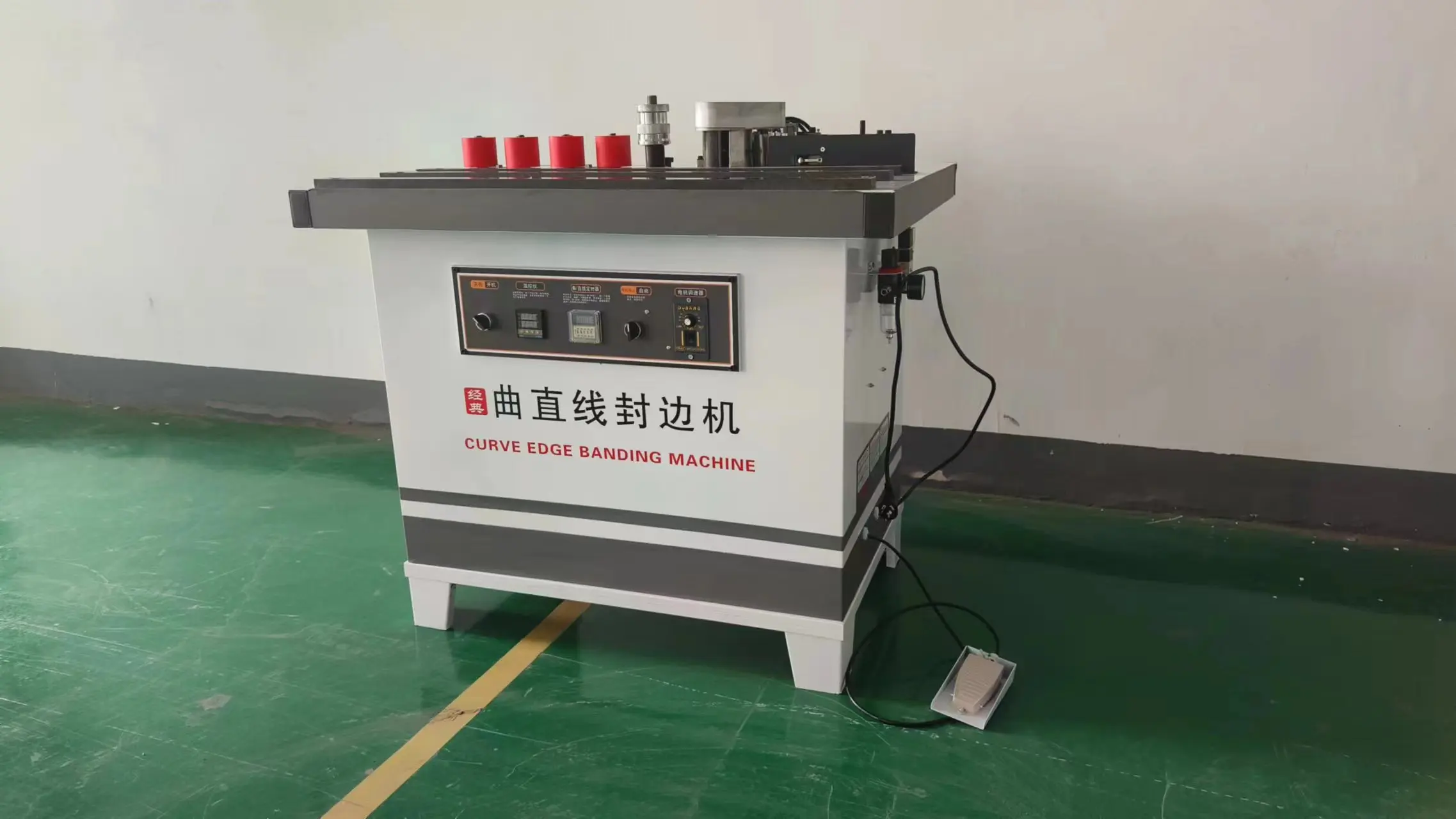
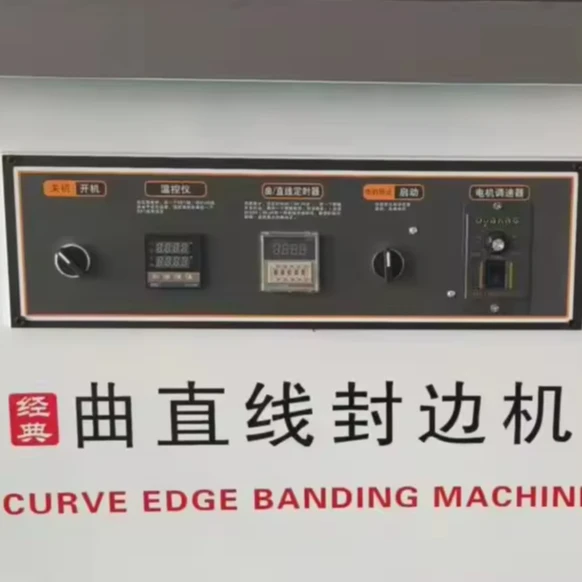
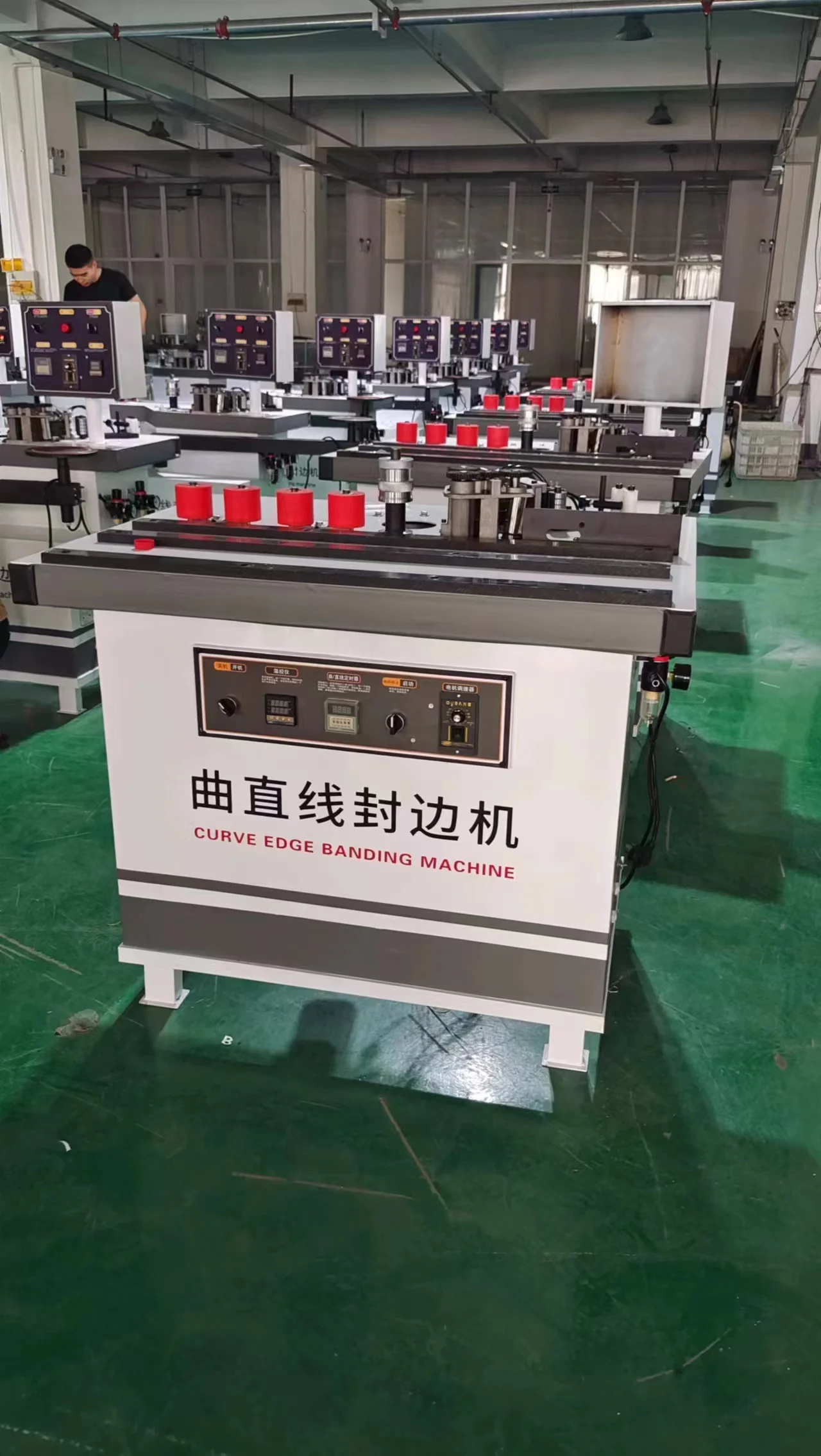
Dual-purpose curved and straight banding — the ZDS702 handles PVC, wood veneer, melamine and plastic edge banding on both profiles within a 100×75×95 cm footprint, letting small workshops consolidate two operations into one machine before scaling into automated tiers.
Technical Specifications
| Parameter | Value |
|---|---|
| Model | ZDS702 |
| Product Type | Manual Curved and Straight Edge Banding Machine |
| Rated Voltage | 220V |
| Rated Power | 1.4 kW |
| Trimming Height (Panel Thickness Range) | 10-50 mm |
| Rated Air Pressure | 0.6-0.8 MPa |
| Glue Pot Capacity | 2000 ml |
| Overall Dimensions (L×W×H) | 100×75×95 cm |
| Machine Weight | 120 kg |
| Edge Banding Mode | Curved & Straight dual-purpose |
| Gluing Method | Double sides gluing |
| Belt Breaking | Automatic breaking belt |
| Time Memory Function | Yes |
| Compatible Edge Banding Materials | PVC, Wood Veneer, Melamine, Plastic |
| Molding Table | One-time molding table (source value — verify against manufacturer catalog) |
Application Suitability
| Application | Material or Output |
|---|---|
| Custom cabinet door edge banding | MDF and plywood panels with PVC or melamine strips |
| Curved furniture component finishing | Solid wood and plywood with wood veneer banding |
| Small-batch shelving and drawer fronts | Particleboard with PVC edge banding on straight and radius cuts |
| Joinery workshop transition from hand trimming | Mixed panel substrates with plastic and melamine edges |
Why the Voltage Question Must Precede Any Edge Banding Machine Purchase
Confirming your local voltage and frequency before ordering prevents a machine from sitting idle on the workshop floor.
I once watched a joinery shop in Lagos unpack an edge bander that was wired for a grid they did not have. The crew spent days sourcing a step-down transformer that introduced its own voltage fluctuation, and the glue pot never reached stable temperature. When sourcing a Manual Edge Banding Machine manufacturer, the first question should always be about the electrical standard at the installation site, not the machine price [NEED_CITE: voltage and frequency standards by export market].
Matching the Machine Tier to Actual Workshop Volume
Entry-level equipment fails when it is pushed beyond its intended duty cycle. The ZDS702 is positioned for workshops that are moving away from hand-held trimming tools and need consistent edge adhesion on custom pieces, not for continuous three-shift panel processing plants. Running this class of machine at production volumes meant for fully automatic lines leads to premature wear on the feed mechanism and inconsistent glue transfer. A Manual Edge Banding Machine manufacturer should flag this mismatch during the quotation stage rather than after delivery.
Curved and Straight Capability in One Footprint
Most small workshops cannot justify separate machines for radius edges and straight runs. This dual-purpose design means the same glue pot and molding table handle a curved cabinet door stile and a straight shelving panel without reconfiguration. For shops working with wood veneer on solid wood components, that flexibility keeps floor space free and reduces the number of warm-up cycles the glue pot requires each day [NEED_CITE: woodworking adhesive open time and temperature stability].
Panel Thickness Range and Glue Transfer Behavior
The 10-50 mm trimming height range covers the majority of panel stock used in custom furniture, from thin 10 mm MDF drawer sides to 50 mm solid wood worktops. Panel thickness directly affects how the edge strip meets the substrate at the pressure zone — thinner panels flex more under the feed rollers, requiring lighter pressure to avoid banding misalignment. The 2000 ml glue pot capacity supports batch runs typical of small workshops without frequent refilling, maintaining consistent glue temperature across a morning production run.
The double-sides gluing method applies adhesive to both the panel edge and the banding strip simultaneously, which improves bond strength on porous substrates like particleboard where single-side gluing often starves the joint. The automatic belt breaking function cuts the strip cleanly at the panel end, reducing manual trimming time on each piece.
The Cost of Skipping Material and Voltage Verification
Shops that order without specifying their edge banding material often discover that the glue temperature suited for PVC does not work for wood veneer, which requires lower heat to prevent scorching. Similarly, machines arriving with a control panel in a language the operator cannot read sit uncommissioned until someone translates the settings — and incorrect settings mean wasted panels and wasted banding stock [NEED_CITE: CE machinery directive requirements for industrial equipment]. These are not machine defects; they are configuration gaps that a thorough pre-order process eliminates.
Why Source This Model Through Ruiqi Wood
The ZDS702 sits within a complete machine family documented on this catalogue site, meaning a workshop that starts with manual edge banding can move to semi-automatic and full-function pre-milling models from the same product lineage as volume grows. Ruiqi Wood maintains voltage customization from 110V to 440V and multilingual control panel options as standard configuration steps, not as special requests. Engineer-led configuration recommendations address your actual panel materials and edge profiles before the order is placed, and factory visits or sample processing tests let you verify edge quality on your own stock before committing.
Documentation & Verification
- Machine specification sheet confirming ZDS702 voltage and frequency match your site electrical standard
- Electrical schematic showing wiring diagram and breaker ratings for the 1.4 kW rated power
- Operation and maintenance manual translated into the language your operators speak
- Factory test record documenting edge adhesion results on your specific panel thickness range
- Packing photographs showing crate condition and component placement before container loading
Installation, Commissioning & Support
- Floor space requirement of 100×75 cm with clearance for operator access on three sides
- Dedicated 220V circuit with appropriate breaker rating for the 1.4 kW motor and glue pot heater
- Compressed air supply at 0.6-0.8 MPa with a moisture trap installed upstream of the machine
- Initial glue temperature calibration on your PVC, veneer or melamine stock during commissioning
- Spare parts list covering wear items specific to the ZDS702 feed and belt breaking assembly
What to Share When Requesting a Configuration Proposal
Tell us the panel substrates you work with most often — MDF, plywood, particleboard or solid wood — and the edge banding materials you run, including thickness and width. Share your local voltage and frequency, the language your operators need on the control interface, and whether you plan to process curved components or primarily straight edges. If you have existing upstream saws or downstream boring machines, mention those so we can confirm feed height and throughput alignment.
Frequently Asked Questions
Q: How do I decide between this manual edge bander and an automatic model?
A: The decision comes down to daily panel count and edge variety. If your workshop processes custom pieces with mixed curved and straight edges in small batches, the ZDS702 manual unit is the correct tier. Automatic machines are designed for high-volume straight-edge production runs. Moving between tiers within the same machine family avoids relearning controls when you scale.
Q: Can the ZDS702 handle wood veneer banding without burning or delaminating?
A: Wood veneer requires a lower glue temperature than PVC to prevent heat damage to the thin wood layer. The glue pot on this machine allows temperature adjustment, and we recommend a sample processing test with your specific veneer thickness and adhesive to confirm settings before production begins.
Q: What voltage options are available for export markets?
A: The ZDS702 is configurable from 110V to 440V to match local electrical standards. Voltage and frequency must be confirmed at the quotation stage so the motor, heater element and control transformer are all wound for your grid. This prevents the need for external transformers that introduce voltage instability.
Q: How does this machine fit into a future production line expansion?
A: The ZDS702 occupies the entry tier of a complete edge banding machine family. As your workshop volume grows, you can add semi-automatic or full-function pre-milling models from the same product range. The upgrade path is designed so operators already familiar with basic edge banding principles transition smoothly to automated feed systems.