Description
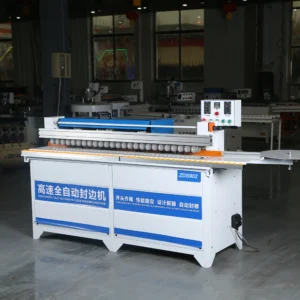
Verified Tolerance Assurance — every DW102 undergoes actual material test runs with your specified substrate before dispatch, ensuring the ±0.02mm edge quality you see is the quality you receive in production.
Technical Specifications
| Parameter | Value |
|---|---|
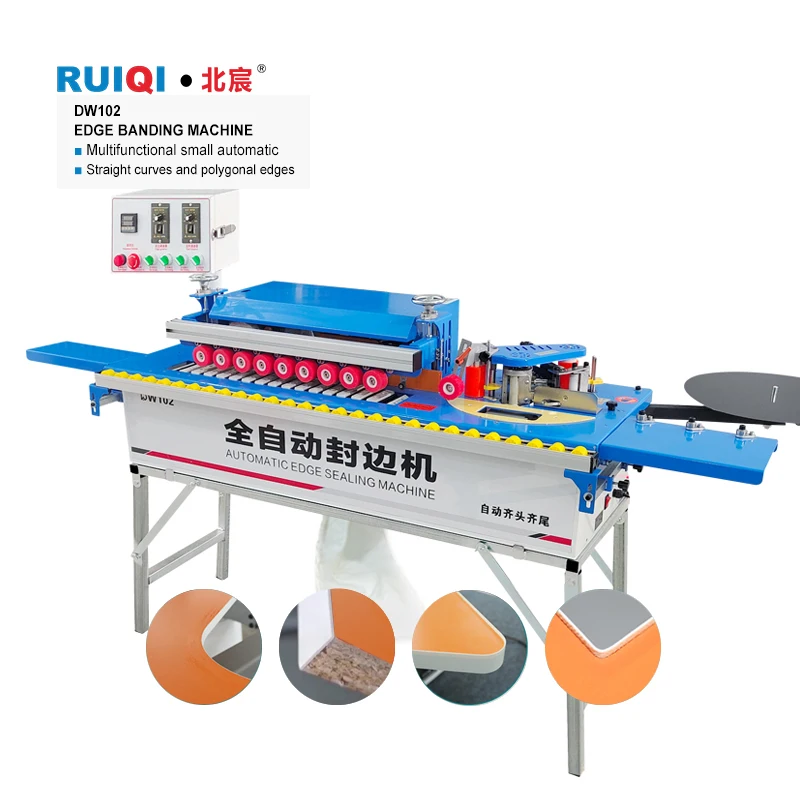
| Model | DW102 |
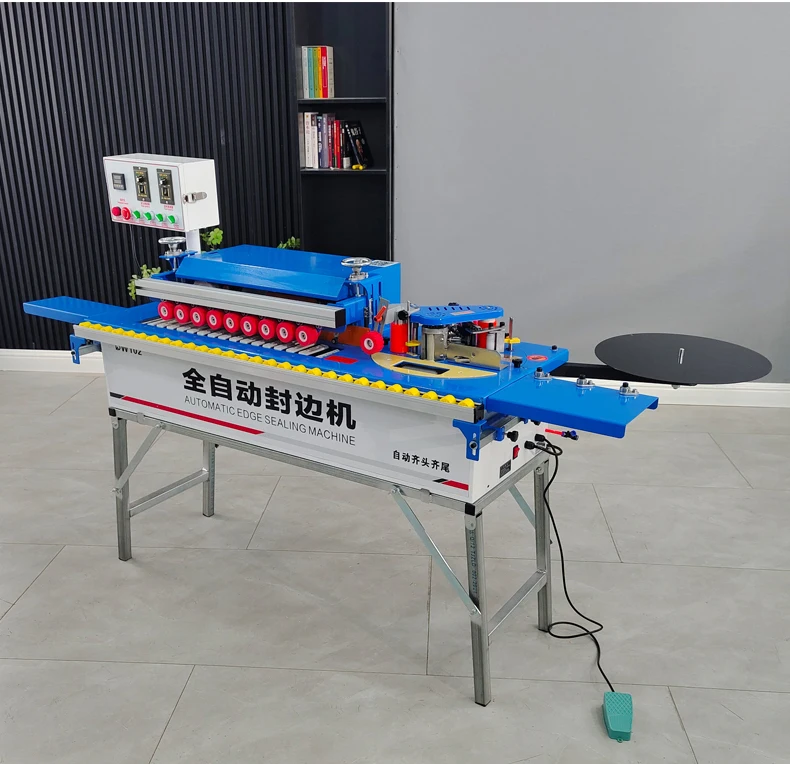
| Product Type | Automatic Edge Banding Machine |
| Total Power | 3800W |
| Voltage | 220V / 380V (customizable, frequency 50/60Hz to be confirmed) |
| Edge Banding Height | 0–50 mm |
| Edge Banding Thickness | 0.3–3 mm |
| Minimum Sheet Length | 250 mm |
| Minimum Sheet Width | 50 mm |
| Glue Pot Capacity | 1000 ml |
| Air Source Pressure | 0.5–0.8 MPa |
| Trimming Power | 650W × 2 |
| Polishing Power | 180W × 2 |
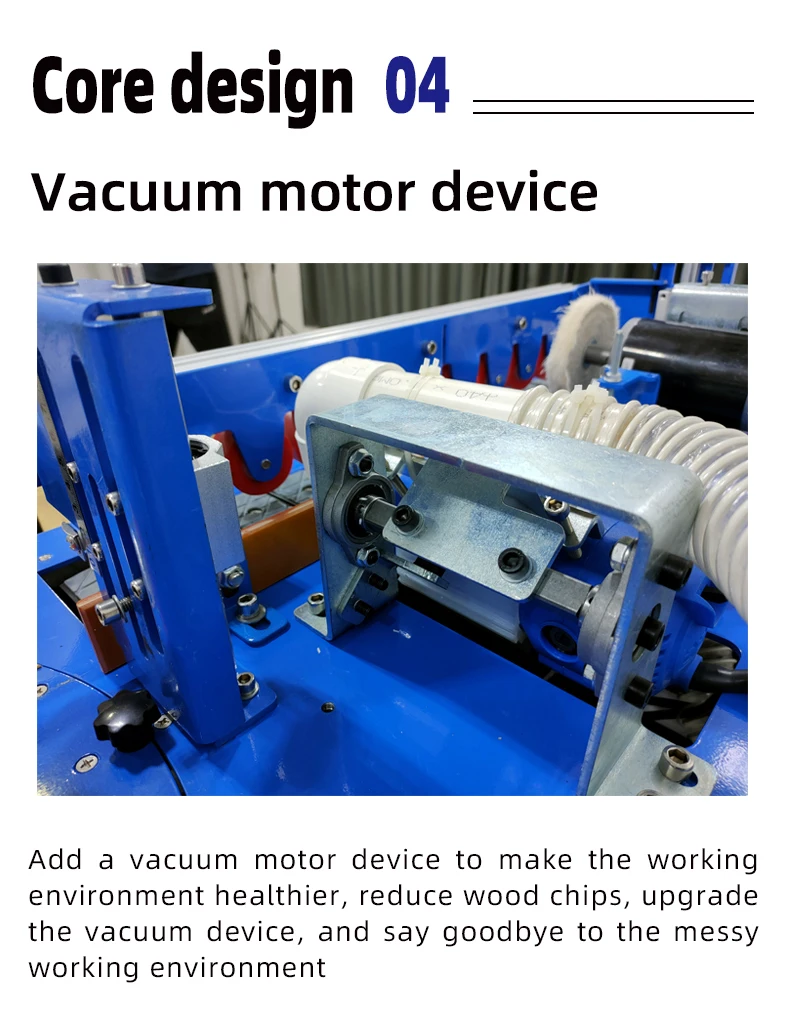
| Vacuum Power | 1200W |
| Edge Power | 20W |
| Transmission Power | 60W |
| Machine Dimensions | 128 × 47 × 69 cm |
| Machine Weight | 75 kg |
| Control Panel Language | Chinese and English standard; other languages customizable |
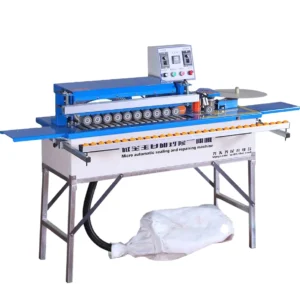
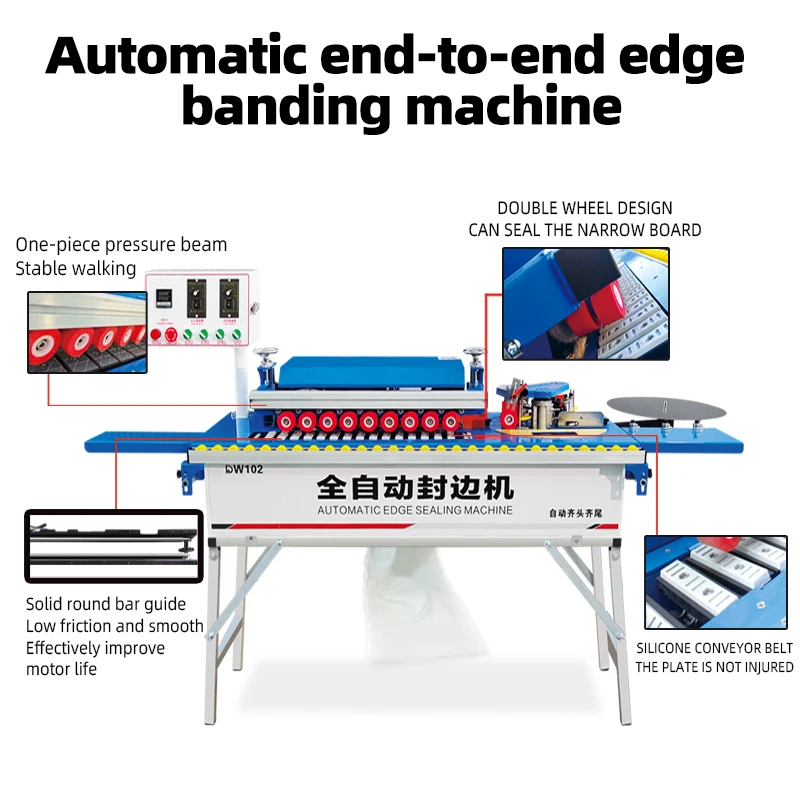
| Key Features | Curved and straight edge banding, edge trimming, polishing, automatic head and tail cutting, vacuum-assisted feeding |
Application Suitability
| Application | Material or Output |
|---|---|
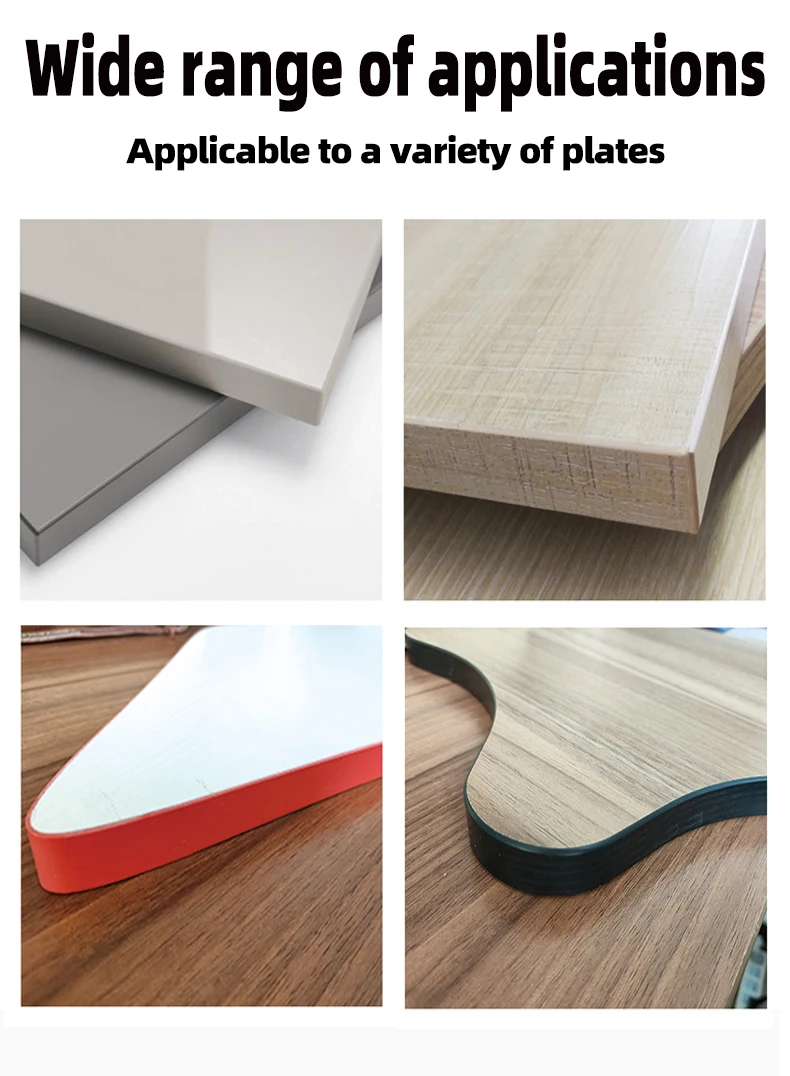
| Cabinet door and drawer front edge banding | MDF and melamine-faced particleboard with PVC or ABS edge tape |
| Custom furniture panel finishing | Plywood and blockboard with veneer or melamine banding |
| Straight and curved profile edging | Polymer door components and shaped panel parts |
| Workshop-scale production runs | Medium-density fiberboard and solid wood panels up to 50 mm banding height |
| Small-batch bespoke joinery | Mixed substrate environments switching between MDF, plywood, and particleboard |
Why Voltage Confirmation Must Happen Before You Place the Order
Machines quoted without verifying local voltage and frequency arrive on the shop floor unusable, and re-winding a motor after delivery costs more than the shipping.
I have watched an entire commissioning schedule collapse because a 380V three-phase unit was delivered to a workshop running 220V single-phase. The automatic edge banding machine manufacturer had shipped a perfectly built unit to the wrong electrical standard. The buyer assumed voltage was a detail that could be sorted later. In woodworking machinery export, it cannot [NEED_CITE: voltage and frequency standards by export market]. The DW102 is configurable between 220V and 380V, but the exact combination — including plug type, phase, and frequency — must be locked in before production begins. A control panel rewired in the field never performs as reliably as one built to specification.
Mapping the DW102 Within a Broader Machine Family
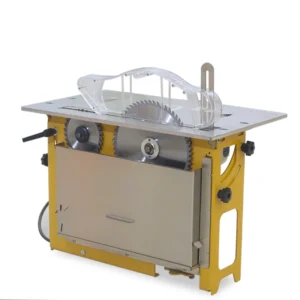
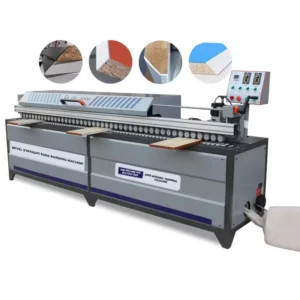
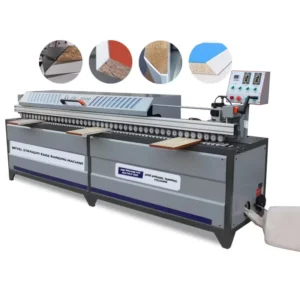
The DW102 operates as a mid-configuration unit in a complete edge banding range that extends from compact entry-level models through to full-function pre-milling machines. A workshop producing custom cabinets does not need a six-station pre-milling line on day one, but it does need a clear upgrade path. This automatic edge banding machine manufacturer structures the product family so that feed mechanisms, glue systems, and control architectures share common platforms across tiers, meaning maintenance training and spare parts carry forward as production volume grows.
What Curved and Straight Banding in One Pass Actually Resolves
Running separate operations for curved panels and straight panels forces a workshop to maintain two machines or re-fixture parts between stations. The DW102 handles both geometries with automatic head and tail cutting, eliminating the manual trimming step that typically introduces visible inconsistencies on curved cabinet doors and radius shelves. When a production manager evaluates automatic edge banding machines for a mixed-product furniture line, this dual capability reduces the changeover friction that eats into small-batch throughput [NEED_CITE: CE machinery directive requirements for industrial equipment].
Reading the Specification Sheet Against Real Production Conditions
The trimming power at 650W per unit indicates sufficient torque to cleanly shear PVC and ABS edge tape up to 3 mm thick without tearout on melamine-faced substrates. Glue pot capacity of 1000 ml supports sustained runs before refill interruption becomes a factor, though adhesive selection — EVA versus PUR — must match the thermal profile of the materials being bonded. Air source pressure between 0.5 and 0.8 MPa governs the pneumatic actuators driving the head and tail cutting mechanism; insufficient compressor supply will manifest as incomplete cuts rather than electrical faults. The 1200W vacuum unit is not optional for particleboard work, where dust accumulation at the feed rollers directly degrades tracking accuracy and produces the visible glue line that furniture buyers reject at inspection.
The Cost of Skipping Pre-Shipment Material Verification
An edge bander that produces perfect results on MDF during the factory demo may open glue lines on particleboard once installed in a different climate. The substrate density, moisture content, and surface porosity all change how adhesive transfers and cures. When buyers accept shipment without requesting a test run on their own panel stock, they inherit the risk that the machine was tuned for a material it will never see in production. I have seen this mismatch discovered only after the first batch of assembled cabinets shows edge separation at the hinge bore [NEED_CITE: substrate moisture content and adhesive bonding performance].
Why Buyers Source the DW102 From This Range
The DW102 is one tier within a full catalogue that a workshop can survey before narrowing to the exact configuration needed. Voltage, control panel language, and plug type are confirmed per order rather than assumed, so a unit arrives ready to commission in the buyer’s local electrical and operator environment. The four-stage quality process — incoming material, in-process, finished product, and pre-shipment — is applied to every model in the family, not reserved for premium tiers. Engineers provide a formal configuration proposal within 24 hours of receiving the buyer’s panel types and production requirements. Factory visits and sample processing tests using the buyer’s own materials are accommodated before any order is committed.
Documentation & Verification
- Machine specification sheet with confirmed voltage, frequency, and plug type for your market
- CE declaration of conformity and ISO 9001 certificate provided with shipment
- Factory test record run on your specified panel material and edge banding type
- Electrical schematic matching the as-built configuration for local electrician reference
- Packing photographs documenting machine condition before crate closure
Installation, Commissioning & Support
- Requires a dedicated circuit matching confirmed 220V or 380V supply with appropriate breaker rating for 3800W total draw
- Compact 128 × 47 × 69 cm footprint fits standard workshop layouts without special foundation work
- Arrives fully assembled; connect power, air supply at 0.5–0.8 MPa, and load glue into 1000 ml pot
- First-run parameter setting for trimming depth and polishing pressure against your actual banding material
- Operation and maintenance manual delivered in the agreed control panel language
- Spare parts list covering trimming cutters, polishing wheels, and pneumatic seals included
What to Include With Your Inquiry
Share your primary panel materials — MDF, plywood, particleboard, or a mix — along with the edge banding types and thicknesses you plan to run. Specify your workshop voltage and phase so the electrical configuration is locked before production. If you are evaluating the DW102 against other tiers in the range, include your expected daily panel count so an engineer can confirm this model matches your throughput requirement or recommend the appropriate step up.
Frequently Asked Questions
Q: How do I know if the DW102 is the right tier for my workshop volume?
A: The DW102 sits in the middle of a full automatic edge banding machine range that spans from compact entry-level units to full-function pre-milling models. Share your daily panel count, substrate mix, and edge banding types, and an engineer will map your requirements against the catalogue to confirm whether the DW102 matches your throughput or if a different tier serves your volume more effectively without overspending on unused stations.
Q: Will the voltage and plug match my local electrical supply?
A: Voltage is confirmed before production, not after. The DW102 is configurable for 220V or 380V, and the exact phase, frequency, and plug type are specified in your quotation based on your local supply standard. An electrical schematic matching the as-built configuration ships with the machine so your on-site electrician can verify the connection without guesswork.
Q: Can the control panel be set to a language my operators read?
A: Chinese and English are standard, and additional languages are available as a customization option. The agreed language is confirmed during the specification stage and applies to the control interface and the operation manual, so operators can run and troubleshoot the machine without translation barriers delaying commissioning.
Q: Can I see a test run on my own panel material before ordering?
A: Yes. Factory visits and sample processing tests are available, and the most reliable approach is to send your actual panel stock and edge banding material so the machine is tuned to your substrate before shipment. This eliminates the risk of adhesive or tolerance mismatches discovered only after the unit arrives at your facility.
Q: What is the difference between the DW102 and the pre-milling models in the range?
A: Pre-milling models add a station that squares and cleans the panel edge before glue application, which matters when panel saw cuts leave micro-chipping on melamine surfaces. The DW102 omits this station for workshops whose cutting quality is already sufficient, keeping the footprint compact and the cost lower while retaining automatic head and tail cutting, trimming, and polishing.