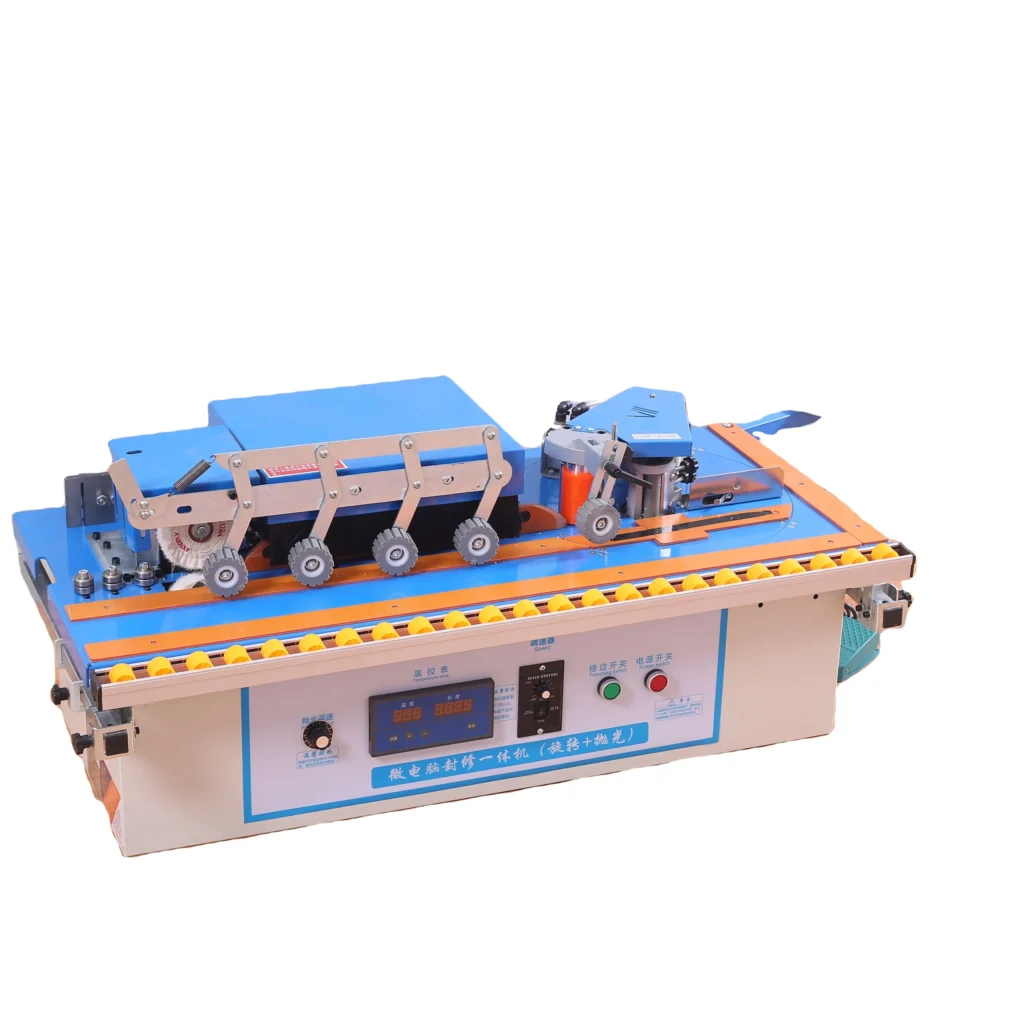
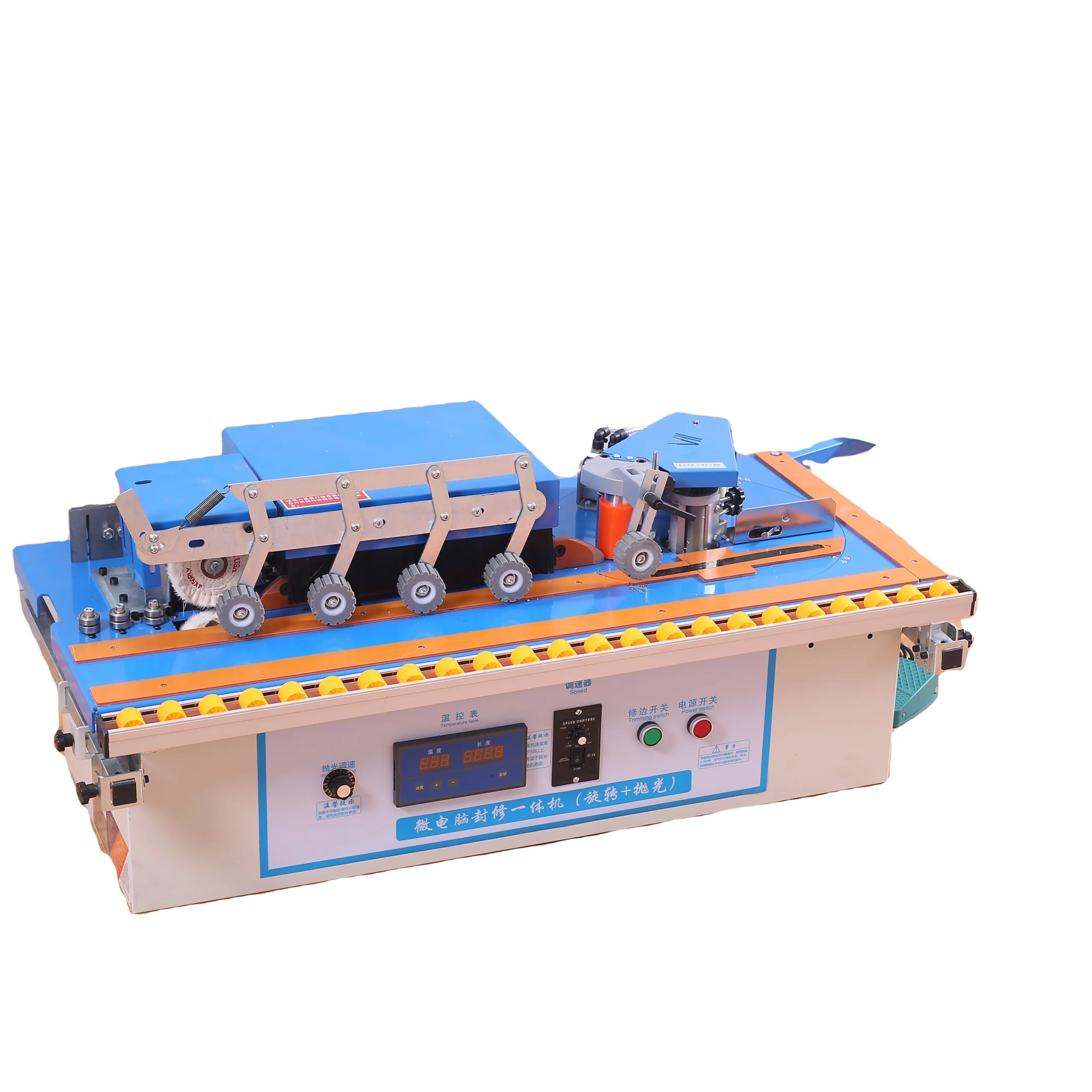
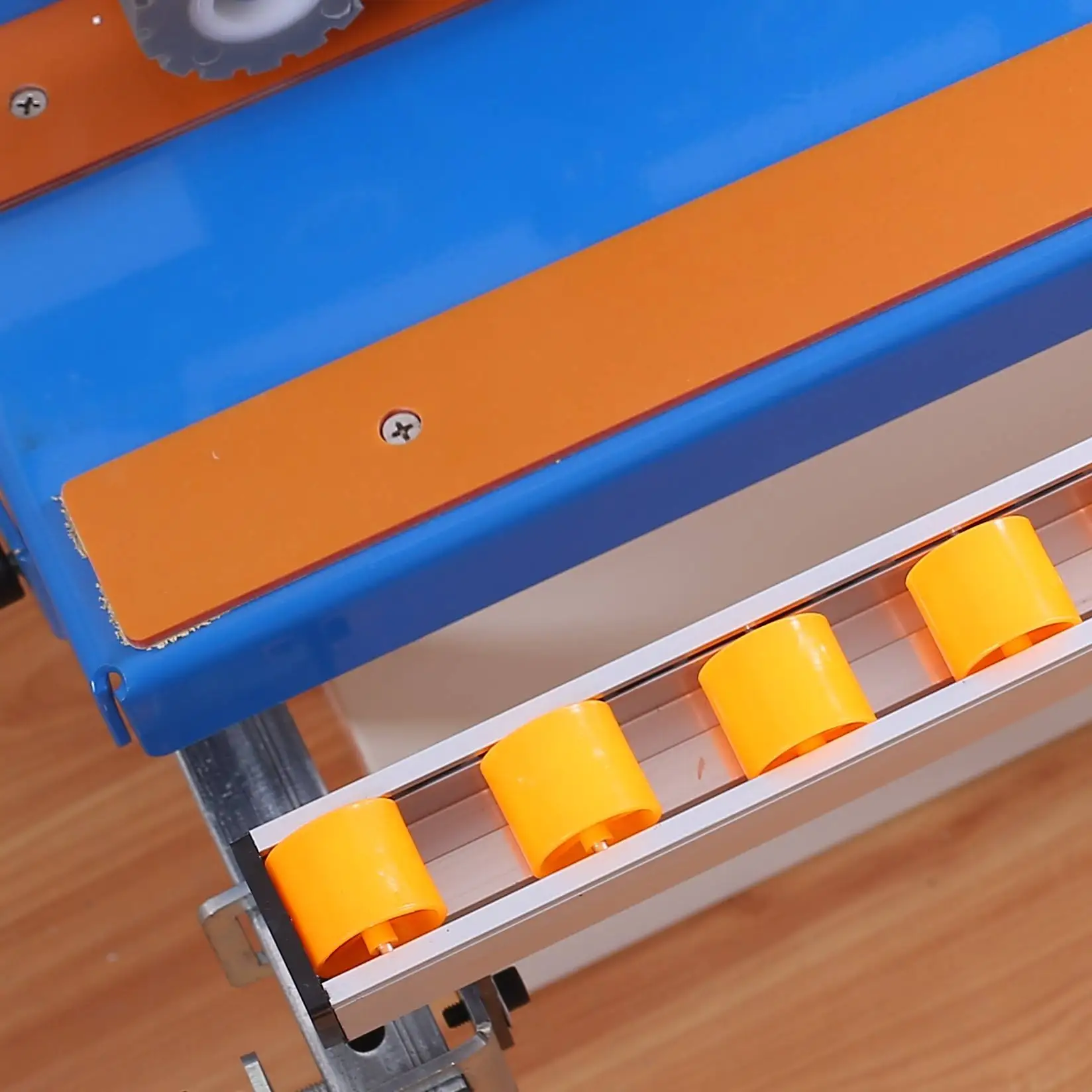
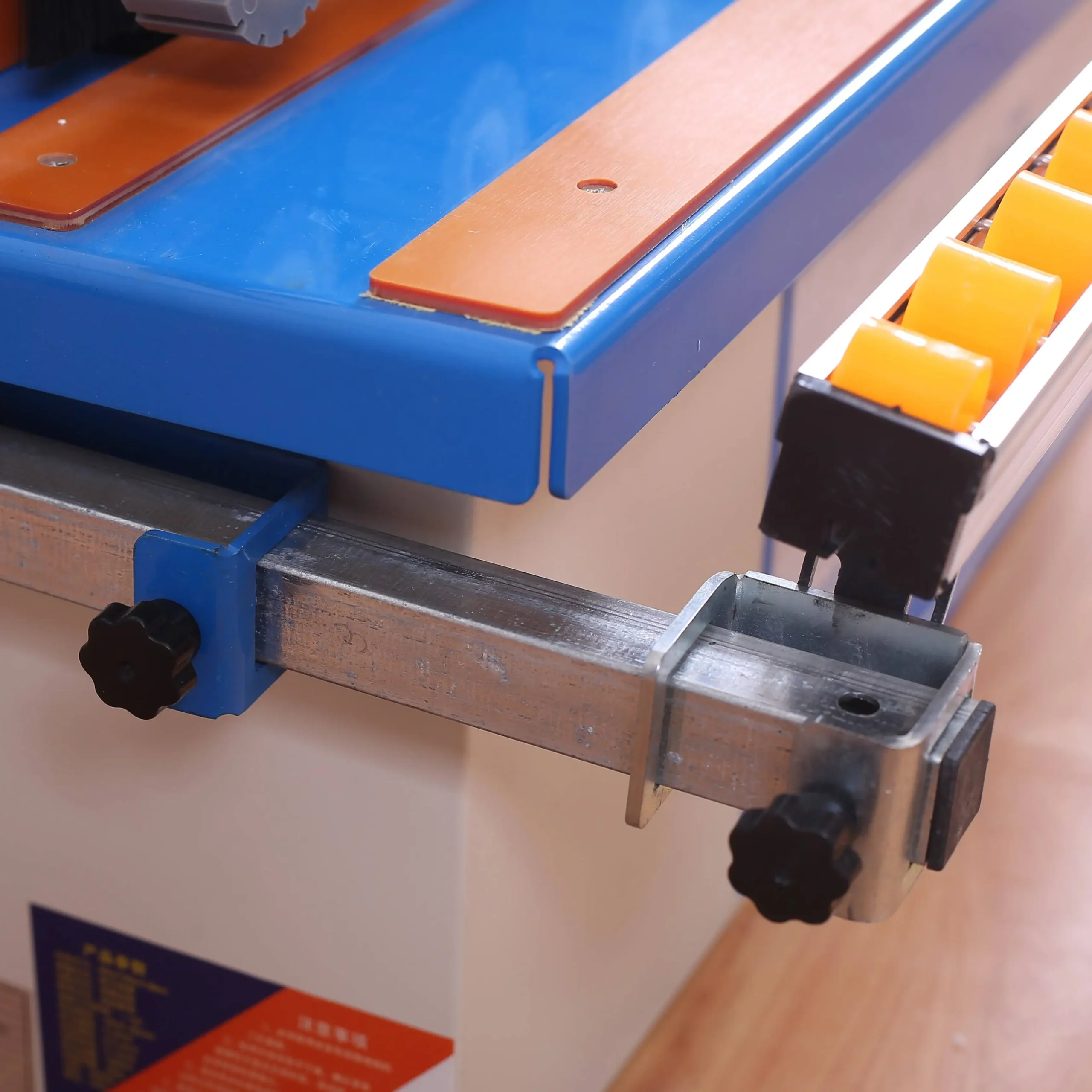


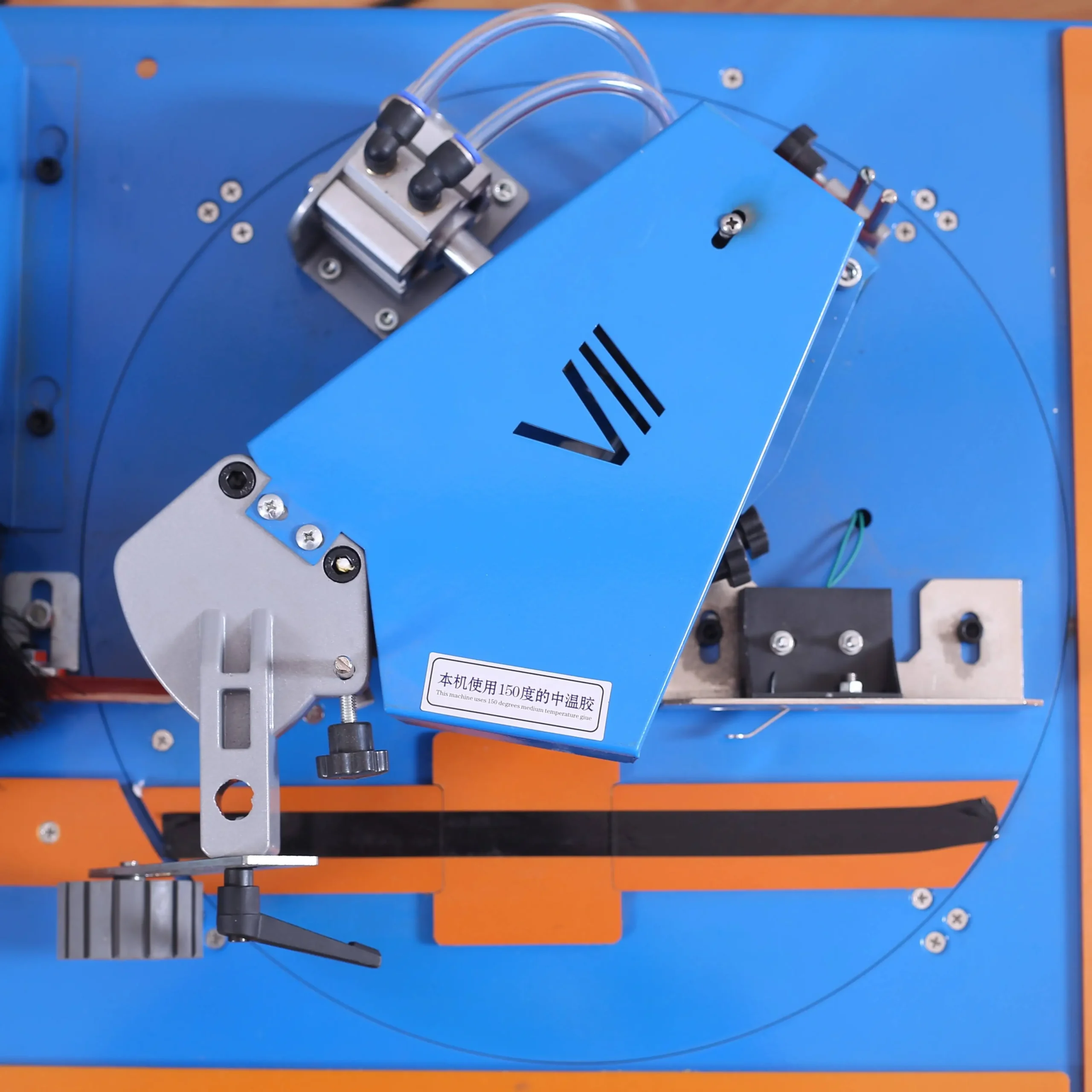
Description
Verified Tolerance — Proprietary cutting mechanism patents achieving ±0.02mm precision on every edge banding machine in this catalogue, validated through four-stage quality control before dispatch.
Technical Specifications
| Parameter | Value |
|---|---|
| Product Type | Edge Banding Machine |
| Voltage | 220V (configurable from 110V to 440V) |
| Heating Power | 800W |
| Trimming Power | 800W |
| Capacity of Edge Sealant | 1000ml |
| Heating Time | 5–8 min |
| Edge Thickness Range | 0.3–3mm |
| Panel Thickness Range (Cover Height) | 10–60mm |
| Feed Speed | 0–6m/min |
| Edge Pattern | Curve pattern |
| Overall Dimensions (L×W×H) | 105×50×48cm |
| Warranty | 1 year |
Application Suitability
| Application | Material or Output |
|---|---|
| Curved cabinet door edge finishing | MDF and plywood panels with PVC or veneer banding |
| Irregular shelving profile banding | Particleboard substrates with 0.3–3mm edge material |
| Small-batch custom furniture production | Solid wood panels requiring shaped edge treatment |
| Joinery workshop transition from manual trimming | Mixed board substrates in low-to-medium volume runs |
What "Entry-Level" Really Means When You Run Production Panels
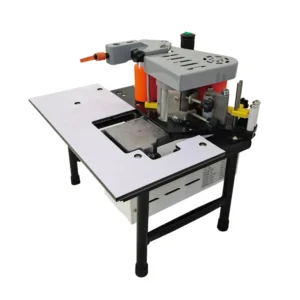
This curve-pattern edge bander is built for shaped panels in small workshops, not for high-volume straight-line throughput.
Buyers often select a compact bander based on price and footprint, then push it through daily volumes it was never designed to handle. The glue pot capacity and feed speed on this unit suit short runs with frequent profile changes. When a workshop tries to sustain continuous production on standard straight panels, the heating cycle cannot recover fast enough between pieces, and edge adhesion becomes inconsistent [NEED_CITE: edge banding adhesion failure causes related to thermal recovery]. Matching the machine tier to your actual panel mix and daily volume avoids this mismatch from day one.
Where This Model Sits in the Full Edge Bander Range
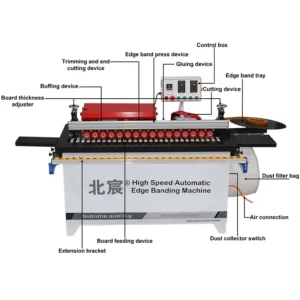
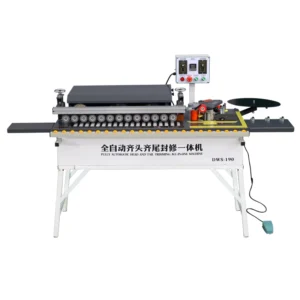
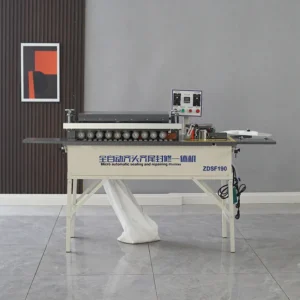
This unit occupies the entry tier of the catalogue, positioned for workshops handling curved and irregular profiles rather than long straight runs. An edge banding machine manufacturer typically segments the range by automation level and feed speed, and this model serves the compact-footprint segment where floor space is limited and panel shapes vary from job to job.
The Upgrade Path as Your Order Book Grows
When daily panel counts move beyond short-batch curved work into sustained straight-line production, the next tier introduces pre-milling stations, higher feed speeds, and larger glue pots. The advantage of sourcing from a single manufacturer range is that control logic and edge material compatibility carry over, reducing the learning curve when you eventually step up to a full-function automatic line [NEED_CITE: woodworking machinery upgrade planning for growing workshops].
How the Specs Translate to Real Workshop Output
The 0.3–3mm edge thickness range covers both thin PVC for cabinet carcasses and thicker veneer strips for visible furniture edges, so a single machine handles mixed material orders without changeover delays. Panel thickness acceptance from 10–60mm means you can run standard 18mm particleboard alongside thicker shelving stock on the same setup. The 0–6m/min variable feed speed lets operators slow down for tight radii on curved door profiles, then increase pace on gentler curves. The 800W heating element paired with a 1000ml sealant reservoir maintains stable glue temperature across short production bursts, which is the realistic operating pattern for a workshop running varied custom orders rather than identical panels all day.
The Hidden Cost of Skipping the Voltage Conversation
Machines quoted without confirming local voltage and frequency arrive at the workshop and cannot be powered on. This 220V configuration suits many markets, but buyers in regions with 110V, 380V, or 440V supply need confirmed compatibility before production starts [NEED_CITE: voltage and frequency standards by export market]. A voltage mismatch on an edge bander damages the heating element and trimming motor, not just the control board, turning a simple electrical oversight into a component replacement delay.
Why Source the Full Range from One Manufacturer
In-house manufacturing with patented cutting mechanisms means tolerance claims are verifiable on your specific panel material, not borrowed from a trading company brochure. Voltage and control panel language customization is handled during order configuration, not as an afterthought at the port. A four-stage quality control process with pre-shipment testing ensures each machine is validated before packing. Engineer-led configuration recommendations match the right tier to your actual throughput, preventing the common error of under-specifying for your volume. The full product family means your workshop can scale across tiers without changing supplier or retraining operators on a different control system.
Documentation & Verification
- CE declaration of conformity for the edge banding machine range
- Factory test record demonstrating edge quality on your specified panel substrate and thickness
- Electrical schematic confirming voltage and frequency match for your local supply
- Operation and maintenance manual provided in the language your operators read
- Spare parts list with part numbers for consumable trimming cutters and glue pot components
- Pre-shipment packing photographs for condition verification before container loading
Installation, Commissioning & Support
- KD packing requires on-site assembly; allocate floor space matching the 105×50×48cm footprint plus operator clearance
- Dedicated 220V circuit required to support combined 1600W heating and trimming load without voltage drop
- Assembly and glue pot first-heat commissioning completed before production panels are introduced
- Feed speed and glue temperature calibrated to your specific PVC or veneer material during initial setup
- Trimming cutter replacement intervals documented based on your edge material hardness and daily run length
How to Request a Configuration Proposal
Provide your typical panel substrate, the edge banding material you run most often, and your daily panel count so the configuration matches your actual workload. Confirm your local voltage and frequency, and specify the control panel language your operators need. If you are evaluating where this curved model fits against a straight-line automatic bander, share your panel shape mix so the recommendation accounts for both current and projected work.
Frequently Asked Questions
Q: Where does this curved edge bander sit in the full range, and when should I step up?
A: This model serves workshops running shaped and irregular panels at lower volumes. When your daily output shifts to sustained straight-line production on standard cabinet panels, a full-function automatic edge bander with pre-milling and higher feed speed becomes the appropriate tier. The manufacturer range lets you transition within the same product family.
Q: How do I verify edge banding quality on my specific material before ordering?
A: Request a factory test run using your actual panel substrate and edge banding material. The pre-shipment test record documents edge adhesion, trimming finish, and tolerance on your chosen combination, so you see verified output quality rather than generic sample photos before committing to the order.
Q: What voltage configurations are available for my market?
A: This edge banding machine is configurable from 110V to 440V to match local supply standards. Voltage and frequency are confirmed during the quotation stage, and the electrical schematic provided with the machine documents the exact configuration shipped, preventing commissioning failures caused by supply mismatch.
Q: Can I visit the factory to compare models in person?
A: Factory visits are welcomed and encouraged. You can see the full machine range operating side by side, run test panels on multiple tiers, and discuss your production requirements directly with the engineering team to confirm which configuration fits your workshop stage and growth plan.