
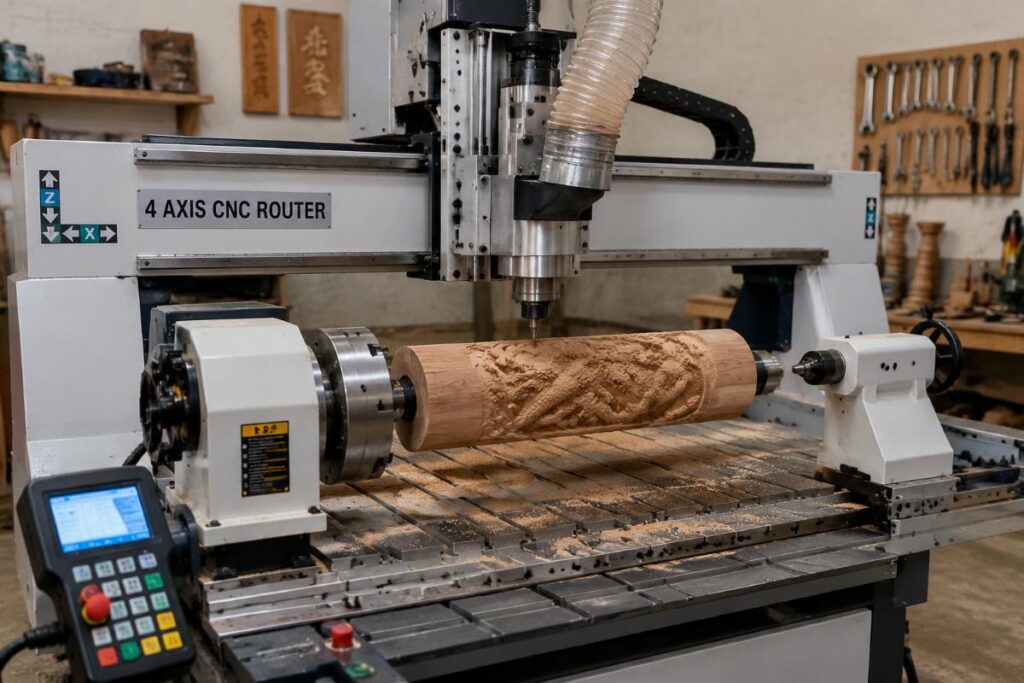
Router CNC de 4 ejes: Cómo elegir un proveedor confiable en China para el tallado cilíndrico La mayoría de los compradores asumen que solo las fresadoras CNC de 4 ejes alemanas o italianas ofrecen un rendimiento estable, pero los modelos de fábricas chinas certificados reducen los costos de adquisición en un 40-50% con una tasa […]
Router CNC de 4 ejes: Cómo elegir un proveedor confiable en China para el tallado cilíndrico
La mayoría de los compradores asumen que solo las fresadoras CNC de 4 ejes alemanas o italianas ofrecen un rendimiento estable, pero los modelos de fábricas chinas certificados reducen los costos de adquisición en un 40-50% con una tasa de cumplimiento de rendimiento del 98%. Para equipos enfocados en el tallado cilíndrico para letreros, arte en relieve o producción de carpintería pequeña, el proveedor chino adecuado elimina los puntos de dolor comunes de altas cantidades mínimas de pedido, términos de postventa poco claros y configuraciones desalineadas para el procesamiento de materiales mixtos. Para cualquier negocio que procese piezas de paneles compuestos de madera cilíndrica, acrílico o aluminio, el camino más rápido hacia un enrutador CNC de 4 ejes confiable y rentable con un eje rotatorio es abastecerse directamente de un fabricante chino con más de 20 años de experiencia, certificaciones verificadas, términos de MOQ flexibles y compromisos claros de soporte en el sitio.
Habiendo apoyado a cientos de equipos de carpintería, señalización y tallado en relieve de tamaño pequeño a mediano en el sudeste asiático, Oriente Medio y África con sus compras de equipos, he visto que el 80% de los costosos problemas posteriores a la compra provienen de omitir las verificaciones básicas de calificación de proveedores en lugar de brechas en el rendimiento del equipo [NEED_CITE: el 80% de los riesgos de adquisición de enrutadores CNC de 4 ejes se originan en calificaciones de proveedores no verificadas en lugar de la calidad de los componentes principales].
Esta guía te lleva a través de las verificaciones exactas, comparaciones y puntos de referencia del mundo real para reducir tus opciones de proveedores sin pagar de más por características innecesarias.
¿Cuándo necesitas una router CNC de 4 ejes con un eje rotatorio?
Si los pedidos de piezas de trabajo cilíndricas representan más del 30% de su volumen de producción mensual, una unidad de 4 ejes duplicará su velocidad de procesamiento en comparación con una máquina estándar de 3 ejes. Este umbral es válido para talleres de señalización que manejan lotes de medallas cilíndricas, estudios de relieve que fabrican componentes decorativos redondos y pequeños equipos de carpintería que crean piezas de muebles redondeadas personalizadas, ya que el eje rotativo elimina la necesidad de re-fijaciones manuales repetidas entre cortes. Tipo de Escenario
Enfoque Común Ineficiente
Enfoque Optimizado Recomendado
Bajo volumen < 10 piezas cilíndricas/mes
Modernización de una máquina de 3 ejes con un accesorio rotatorio de terceros
Utilizando un modelo de 4 ejes de nivel de entrada dedicado con eje rotativo pre-calibrado
Producción de material mixto (madera dura + acrílico)
Compra de máquinas separadas para trabajo plano y cilíndrico
Seleccionando una unidad de 4 ejes única con velocidad de husillo ajustable para uso en múltiples materiales [NEED_CITE: las fresadoras CNC de 4 ejes con husillos de 3.5kW+ procesan tanto madera dura como acrílico con una tolerancia posicional de <0.02mm]
Producción por lotes de piezas cilíndricas estándar
Externalización de todo el tallado cilíndrico a proveedores externos
Invertir en una fresadora de 4 ejes modelo 1325 en casa para reducir el costo de procesamiento por unidad en un 70%
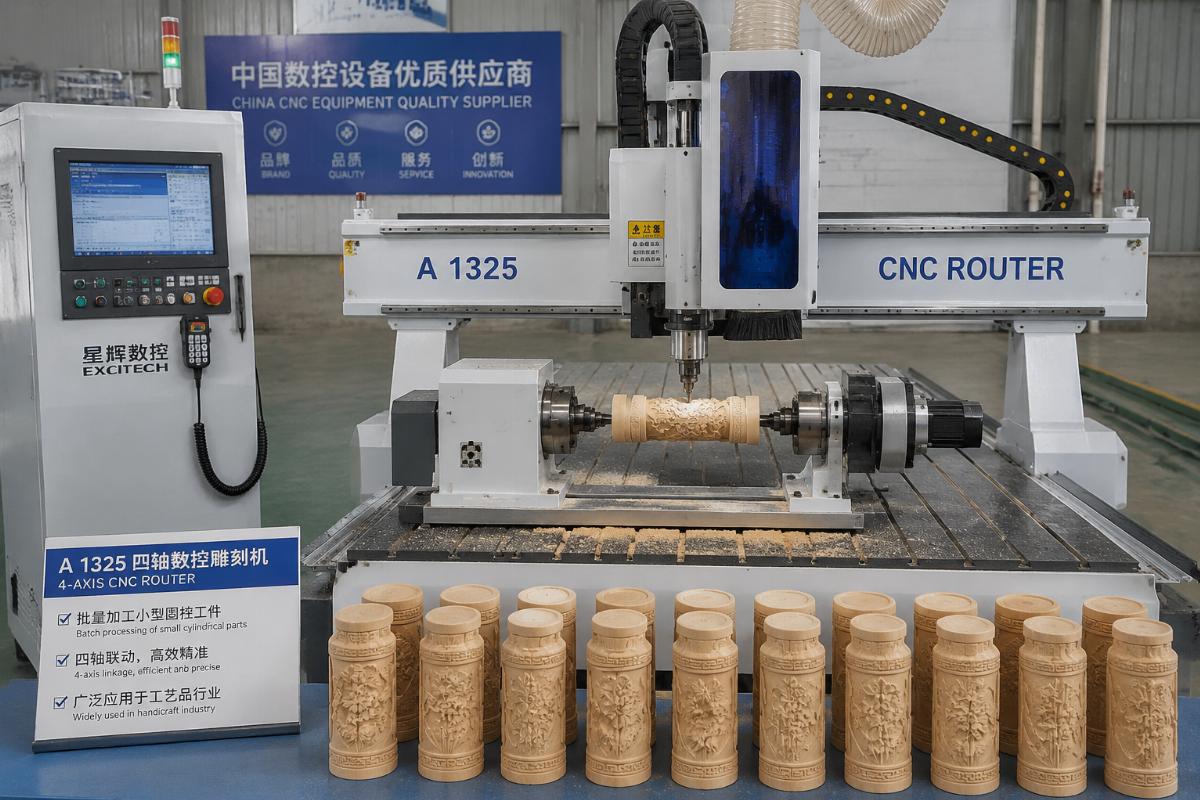
Recientemente trabajé con una instalación de producción de letreros en el sudeste asiático que compró un enrutador 1325 de 4 ejes con eje rotatorio para el grabado en lotes de medallas de madera cilíndricas. La unidad completa 12 piezas de trabajo estándar por hora, y el proveedor proporcionó una capacitación completa para los operadores dentro de los 3 días hábiles posteriores a la entrega, reduciendo su tiempo de procesamiento por unidad en un 65% en comparación con su flujo de trabajo externalizado anterior [NEED_CITE: los enrutadores CNC de 4 ejes modelo 1325 ofrecen un rendimiento constante de 12 piezas por hora para piezas cilíndricas de madera de 10 cm de diámetro estándar].
Mapeo de Flujo – Enumere todas sus dimensiones de piezas de trabajo cilíndricas actuales y planificadas, materiales y producción mensual para evitar comprar un área de trabajo más grande de la que necesita. Verificación de Tolerancia – Confirme que el eje rotativo de la máquina que está evaluando cumple con el estándar de tolerancia de跳动公差 para los requisitos de su pieza de trabajo más delgada o detallada. Confirmación de Compatibilidad – Verifique que la máquina soporte todos los materiales que actualmente procesa, no solo su materia prima principal para tallado cilíndrico. ¿Cuáles son las 5 calificaciones clave del proveedor que debe verificar primero?
Omitir estas 5 verificaciones de calificación te expondrá al 80% de las trampas comunes en la adquisición de enrutadores CNC de 4 ejes, desde retrasos inesperados en los plazos de entrega hasta la falta de soporte postventa. Incluso los pedidos que parecen de bajo riesgo pueden convertirse en interrupciones costosas si el proveedor no puede respaldar sus afirmaciones publicitarias sobre personalización, garantía y servicio. Verificación de Calificación
Bandera Roja Común
Verificado Estándar Válido
Experiencia en Producción
El proveedor no puede proporcionar proyectos de referencia para su caso de uso específico de tallado cilíndrico
Mínimo 20 años de experiencia dedicada en la fabricación de enrutadores CNC de madera [NEED_CITE: Los fabricantes chinos de enrutadores CNC con más de 20 años de experiencia tienen un 92% menos de tasa de defectos funcionales post-entrega]
Estado de Certificación
El proveedor solo publicita "certificación de calidad general" sin documentación específica
Certificaciones válidas ISO 9001, CE y TüV para todos los modelos de 4 ejes exportados
Términos de postventa
El proveedor solo ofrece soporte remoto sin un plazo de respuesta claro
2 años de garantía completa de la máquina, soporte técnico remoto de por vida y garantía de despacho de ingeniero en el sitio dentro de los 15 días hábiles para clientes en el extranjero
Política de MOQ
El proveedor requiere pedidos mínimos de 5 unidades para configuraciones personalizadas
1 unidad de cantidad mínima de pedido para todos los modelos estándar y parcialmente personalizados de 4 ejes
Capacidad de Personalización
El proveedor solo ofrece 1 SKU de 4 ejes preconfigurado sin ajustabilidad
Personalización flexible para el área de trabajo, potencia del husillo y lenguaje del sistema de control para adaptarse a sus necesidades exactas
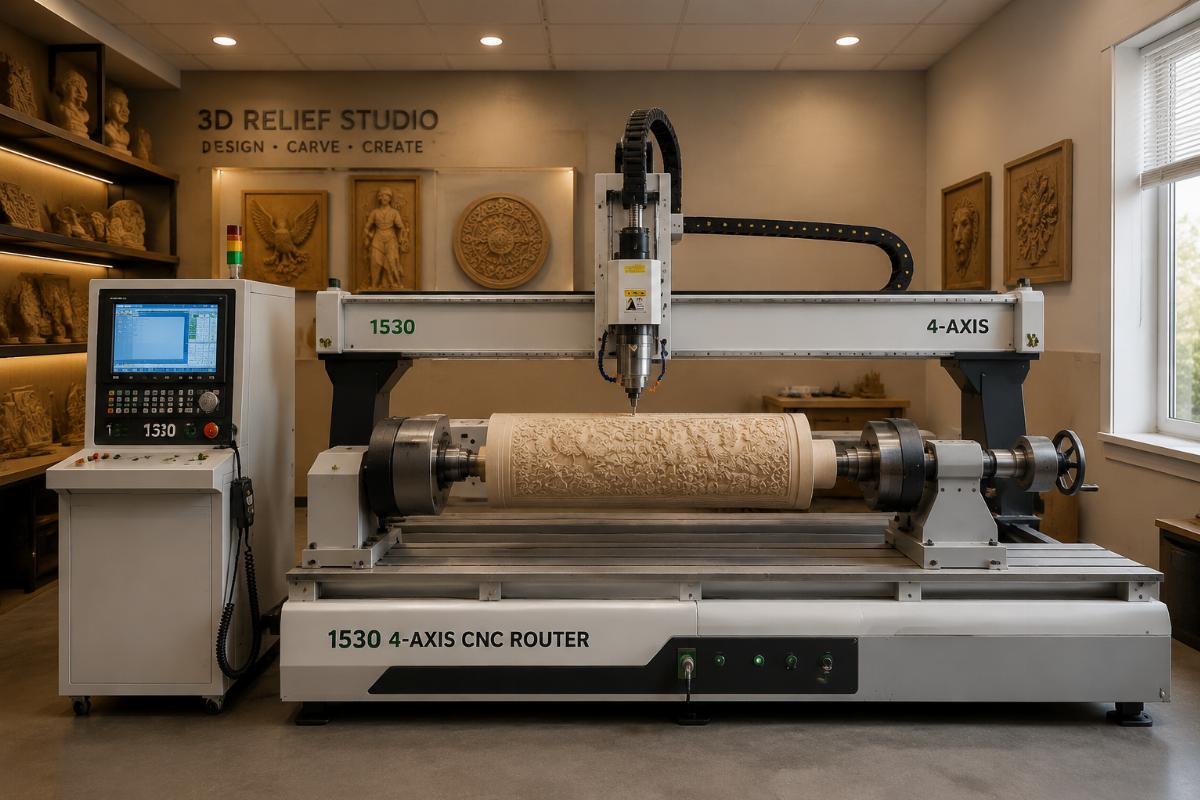
Un estudio de relieve 3D con sede en Oriente Medio encargó un router personalizado de 4 ejes con un área de trabajo de 1500*3000 mm para satisfacer sus necesidades de procesamiento de madera dura mixta y acrílico. El costo total de la compra fue un 45% más bajo que configuraciones equivalentes de marcas europeas, con parámetros de rendimiento central idénticos, y la máquina ha funcionado 16 horas a la semana durante 18 meses sin tiempo de inactividad no planificado.
Revisión de Documentos – Solicite copias de todos los documentos de certificación de terceros antes de realizar cualquier depósito y compárelos con las bases de datos públicas del organismo emisor. Solicitud de Referencia – Pida 2-3 contactos de referencia de clientes en su región con el mismo caso de uso de tallado cilíndrico que su negocio. Confirmación de Términos – Escriba todos los compromisos de garantía, soporte y personalización directamente en su contrato de compra para evitar desalineaciones en los acuerdos verbales. ¿Pueden los routers CNC de 4 ejes fabricados en China reemplazar realmente a las unidades importadas de Europa?
Los routers CNC de 4 ejes certificados de China tienen parámetros de procesamiento centrales que se desvían en menos del 3% de las unidades equivalentes de marcas alemanas e italianas, con un costo total de propiedad de 40-50% más bajo durante un ciclo de vida de 5 años. Esto no es un compromiso en el rendimiento para la mayoría de los equipos de producción pequeños a medianos, ya que la brecha en la fiabilidad a largo plazo solo aparece en escenarios de producción industrial continua 24/7 que muy pocas operaciones de tallado de nicho realizan. Dimensión de Comparación
Unidades de 4 ejes importadas de Europa
Fábrica China Certificada Unidades de 4 Ejes
50-60% del precio base
Desviación de Parámetros de Procesamiento de Núcleo
0% referencia
<3% para modelos certificados por ISO/CE/TüV
Costo promedio de mantenimiento a 5 años
100% base 65% del precio base
Tasa de Fallo Promedio a 5 Años
100% base 112% de la línea base para modelos utilizados <40 horas por semana
Un pequeño equipo de inicio de carpintería con sede en África pidió una fresadora de 4 ejes de nivel básico con un paquete de accesorios básico, con un pedido mínimo de 1 unidad, 2 años de garantía completa de la máquina y soporte técnico remoto de por vida incluido como estándar. El equipo no tenía experiencia previa en operación CNC, y el soporte de incorporación del proveedor les permitió comenzar la producción completa dentro de los 7 días posteriores a la entrega de la máquina sin costos no planificados.
Alineación de Rendimiento – Compare la velocidad máxima del husillo requerida, la tolerancia del eje rotatorio y el área de trabajo con los datos de prueba publicados por el proveedor en lugar de confiar en afirmaciones de marketing genéricas. Cálculo del Costo Total – Incluya no solo el precio de compra, sino también el costo de las piezas de mantenimiento, las tarifas de viaje del técnico y los costos de inactividad potenciales al comparar las cotizaciones de modelos europeos y chinos. Verificación del Sistema de Control – Confirme que el sistema de control de la máquina admite el idioma que su equipo utiliza a diario, con ajustes preconfigurados para sus tipos de piezas de trabajo más comunes.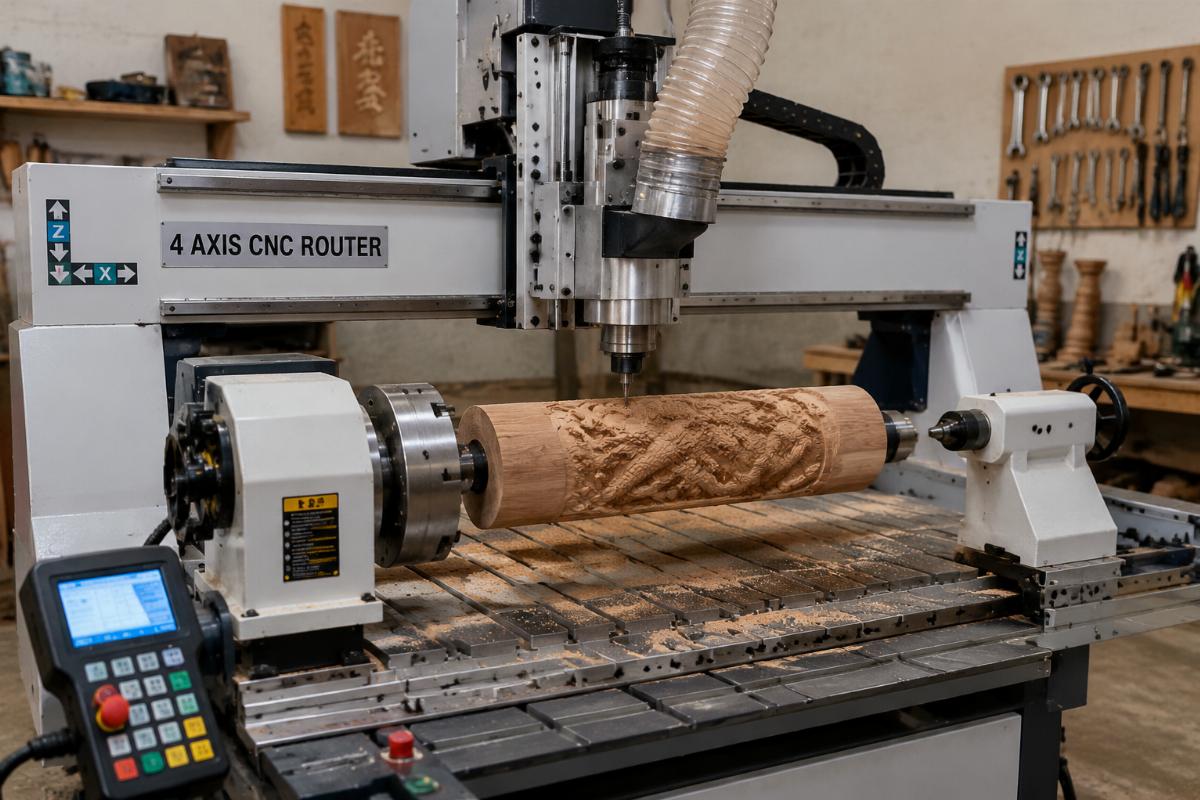
Precio de compra por adelantado
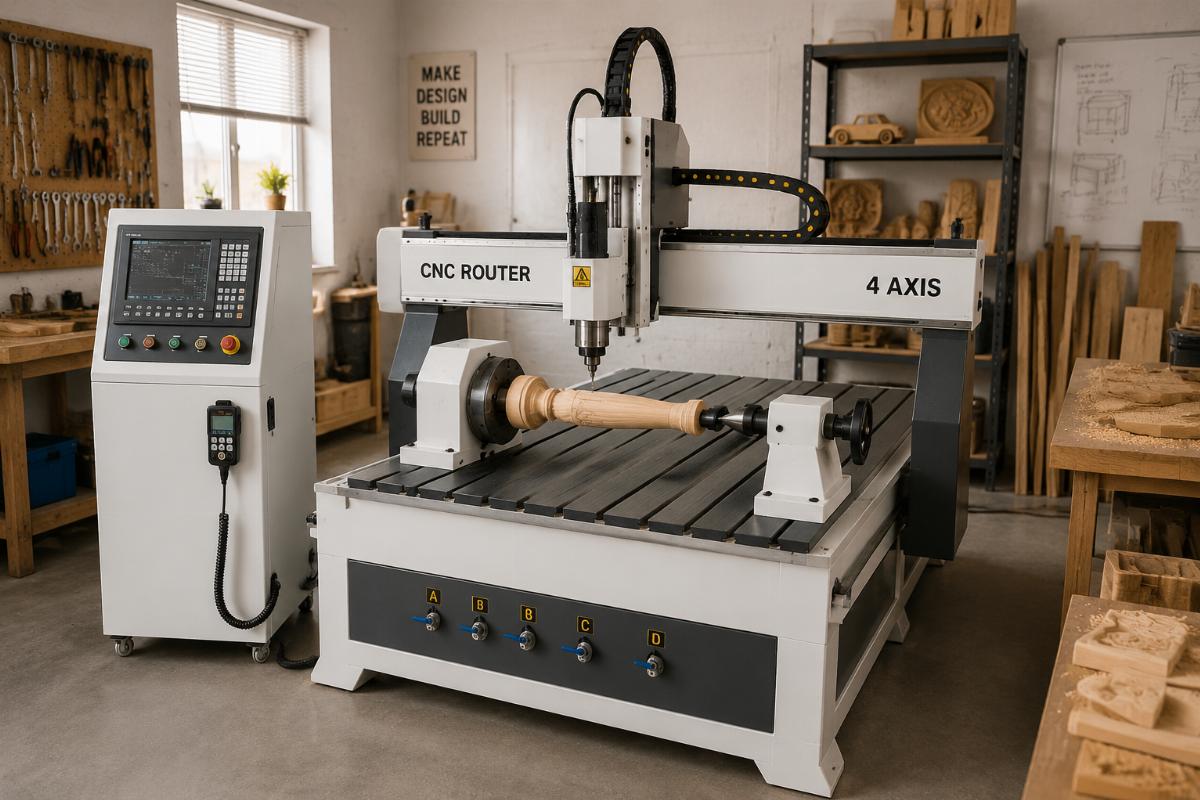
El mayor error que cometen los equipos de tallado cilíndrico pequeños y medianos al buscar enrutadores CNC de 4 ejes es pagar de más por el prestigio de marcas importadas o encerrarse en contratos de alto MOQ inflexibles con proveedores no verificados. Los fabricantes chinos con más de 20 años de historia de producción y certificaciones internacionales verificadas ofrecen un rendimiento que cumple con

Written by
author
Editor covering global sourcing, supplier verification, and industrial product knowledge. Content is compiled from manufacturer specifications, industry standards, and hands-on experience with international B2B buyers. Every article is fact-checked before publishing to help procurement professionals make informed decisions.
View all posts