Description
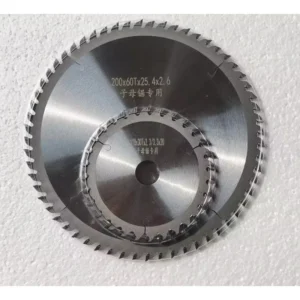
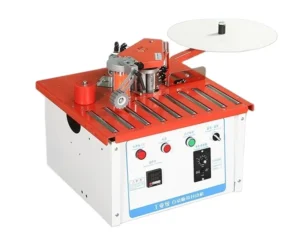
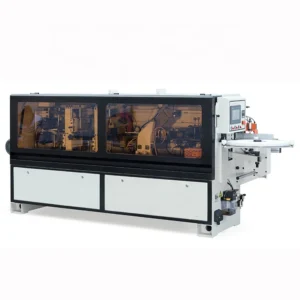
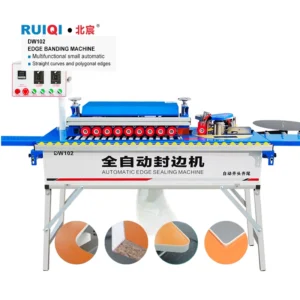
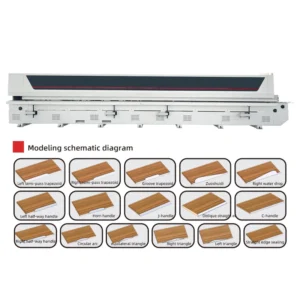
Full Product Family Scaling — one supplier from portable edging to automated lines, keeping configuration logic and service consistent as your workshop grows.
Technical Specifications
| Parameter | Value |
|---|---|
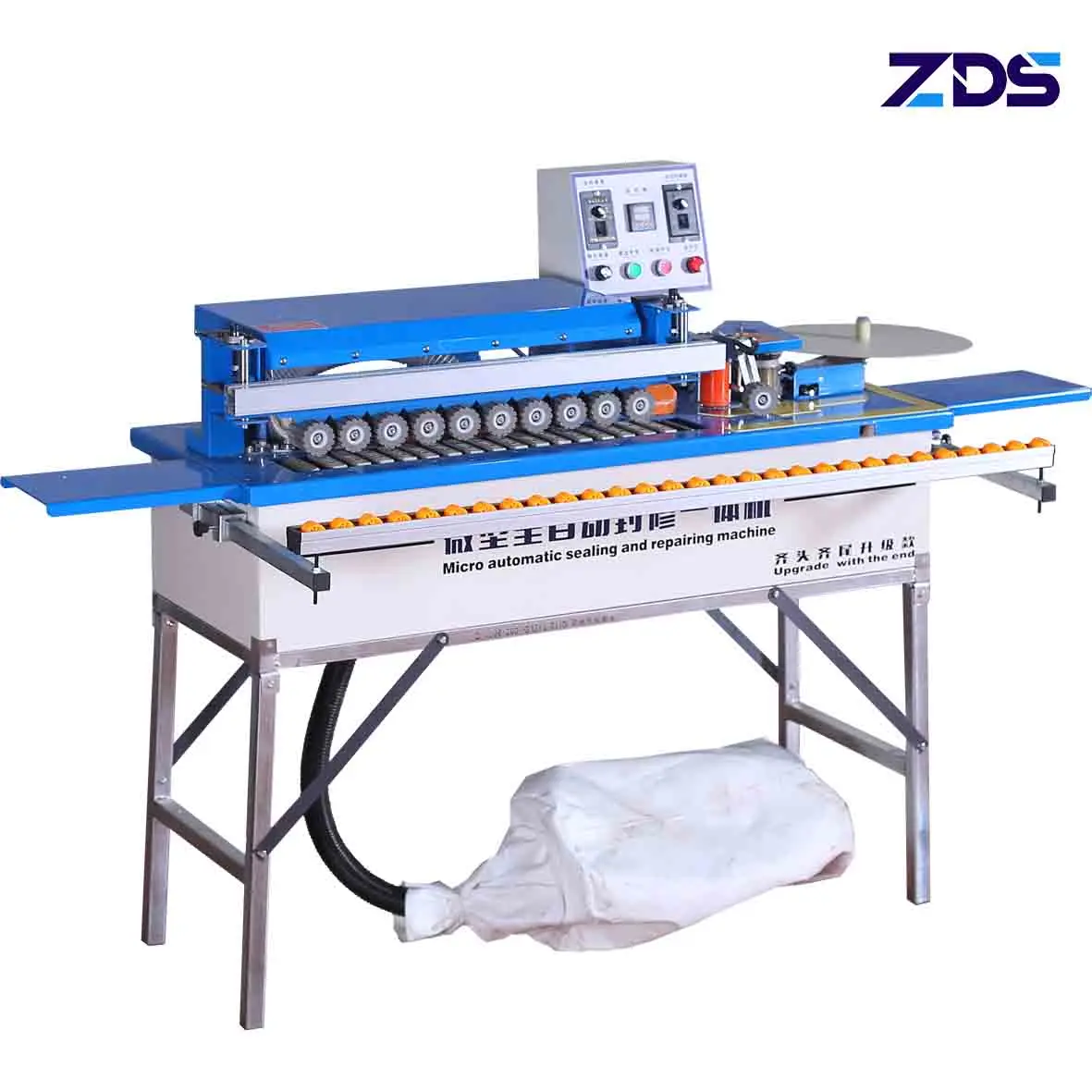
| Product Type | Portable Edge Banding Machine |
| Voltage | 220V (frequency to be confirmed) |
| Suction Power | 1200W |
| Belt Power | 25W |
| Transmission Power | 60W |
| Polishing Power | 180W × 2 |
| Trimming Power | 800W × 2 |
| Conveying Speed | 0–15 m/min |
| Edging Speed | 0–6 m/min |
| Edge Height Range | 10–60 mm |
| Edge Thickness Range | 0.3–3 mm |
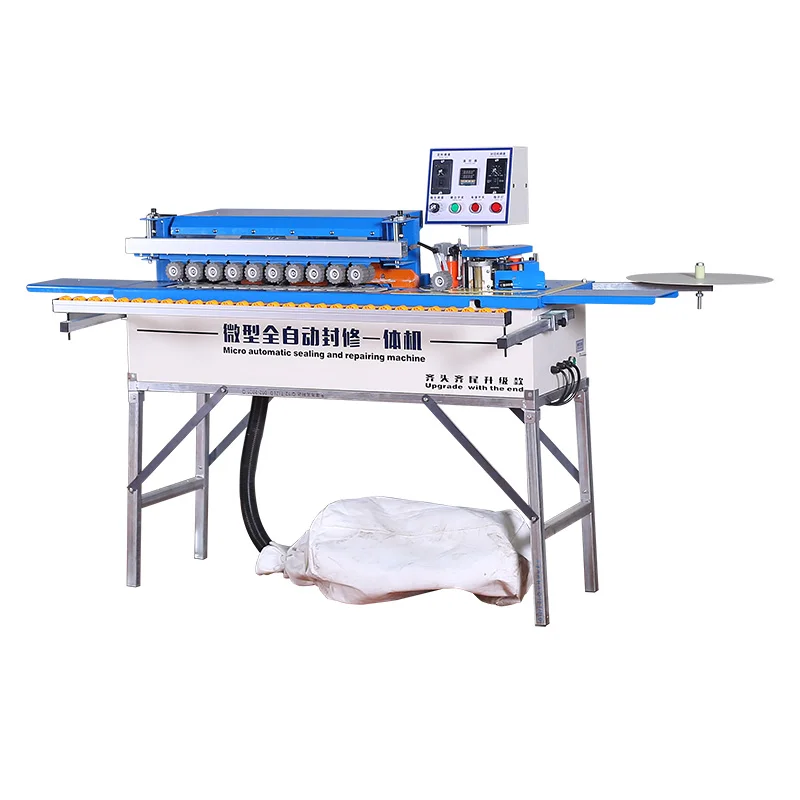
| Overall Dimensions (L×W×H) | 120 × 54 × 72 cm |
| Net Weight | 81 kg |
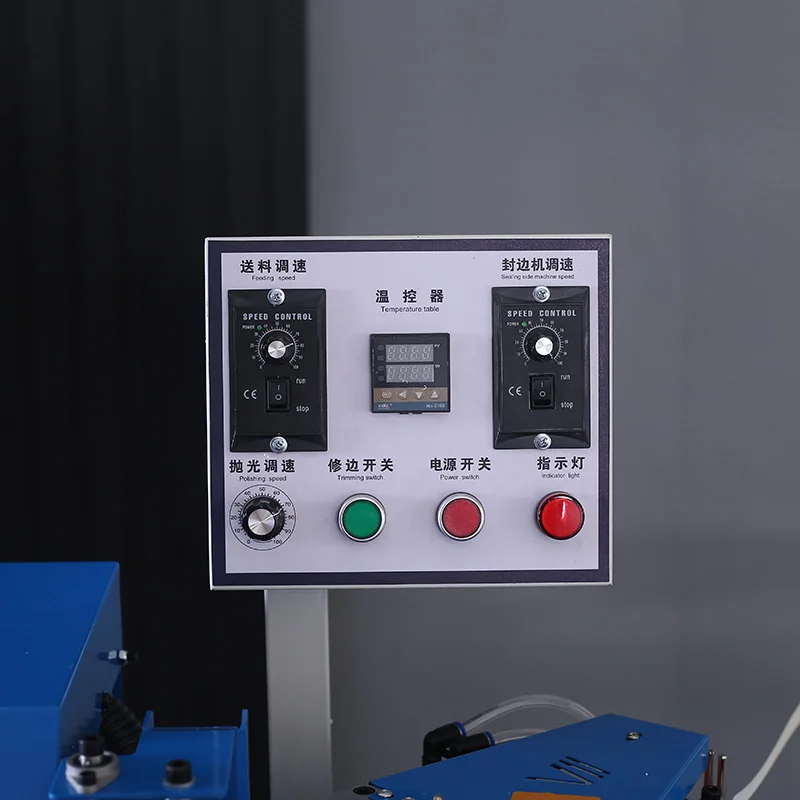
| Control System | Independent function switches |
| Gluing Method | Double-sided adhesive application |
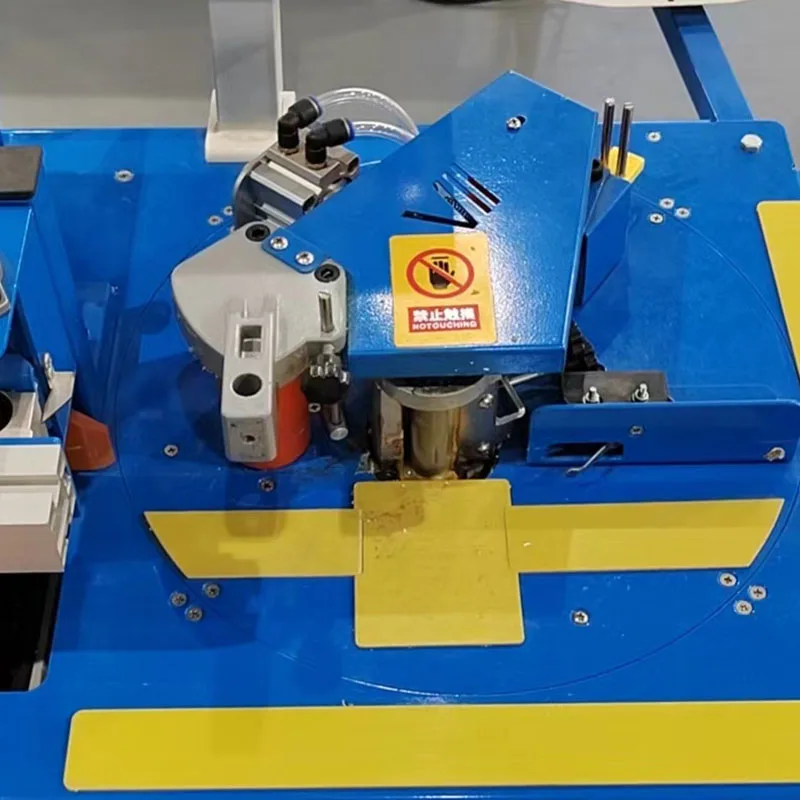
| Gluing Device Rotation | 180° for curved edge banding |
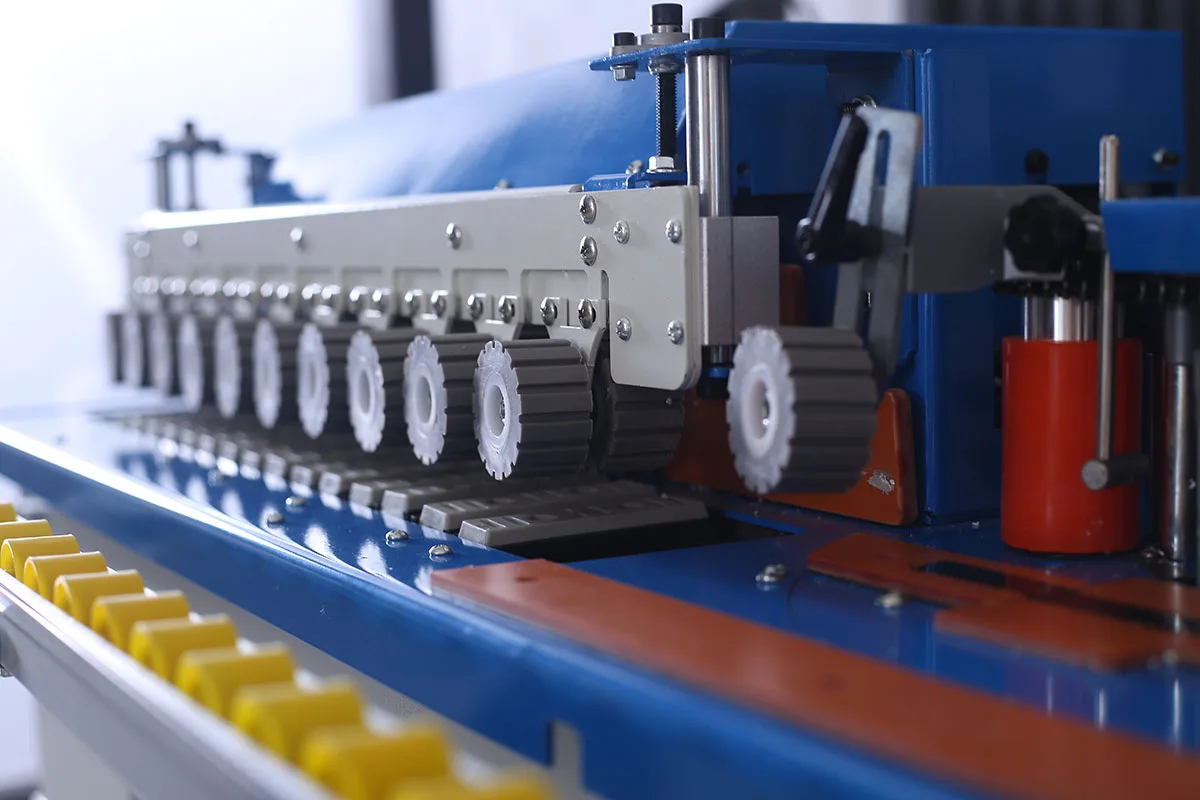
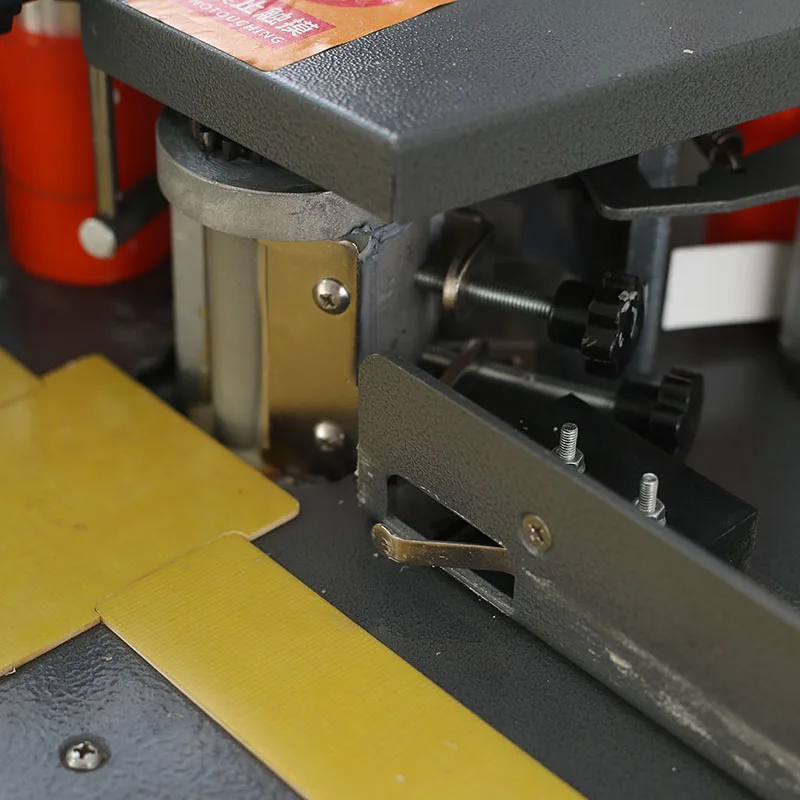
| Feed Mechanism | Double-row rubber pressure wheels |
| Dust Extraction | Integrated suction device on trimming station |
Application Suitability
| Application | Material or Output |
|---|---|
| Straight edge banding on cabinet panels | MDF, particleboard, plywood with PVC edge banding |
| Curved edge banding on custom furniture components | Shaped MDF and plywood panels with PVC strip |
| On-site carpentry and installation edging | Pre-cut boards requiring portable edge finishing |
| Small workshop custom cabinet production | Low-to-medium volume panel edge processing |
Why Voltage Must Be Settled Before the Portable Edge Banding Machine Ships
Local frequency and voltage confirmation is the first engineering step, not the last logistics detail.
I have seen portable edge banders arrive at workshops where the local grid runs on a different frequency than the motor was wound for. The trimming motors overheat within the first week, the polishing wheels lose torque under load, and the adhesive does not reach bonding temperature. The machine is not broken — it was simply configured for the wrong electrical environment. Confirming the supply specification before production begins avoids a situation where the equipment sits idle while replacement motors are sourced internationally [NEED_CITE: voltage and frequency standards by export market].
Gluing Device Rotation and Curved Edge Capability
The 180° rotatable gluing device is what separates this portable edge banding machine from fixed-angle portable units. When the device locks at an offset angle, the adhesive roller follows the contour of a curved panel edge while the double-row rubber pressure wheels maintain consistent contact force. This means a single operator can handle both straight cabinet sides and shaped furniture components without switching machines or reconfiguring the feed path.
Double-Sided Adhesive Application Across Substrates
Applying adhesive to both the panel edge and the PVC strip simultaneously creates a stronger bond than single-sided application, particularly on particleboard where surface porosity varies. The double-sided method compensates for inconsistent substrate density — something I have watched cause bond failures on single-glue portable units when operators switched from MDF to a less uniform particleboard batch. This configuration reduces the risk of edge lift during the trimming and polishing passes [NEED_CITE: adhesive bonding behaviour on engineered wood panels].
Trimming Power, Polishing Stages, and Edge Finish Quality
The dual 800W trimming motors handle the excess PVC strip removal in a single pass, cutting above and below the panel surface. The two 180W cross-polishing motors that follow smooth the trimmed edge to a finished state. The 1200W suction device on the trimming station captures PVC dust at the cutting point rather than letting it settle on the polishing wheels — which would otherwise score the finished edge. The separation of these stations is what produces a clean edge line on materials ranging from 0.3 mm to 3 mm thickness.
The Hidden Cost of Buying Outside the Product Family
Workshops that source a portable edger from one supplier and later add an automatic edge bander from another often find that feed heights, edge thickness tolerances, and control logic do not align across the two machines. Operators must maintain separate parameter sets, spare parts inventories split across incompatible systems, and technical support runs through two different channels when a fault appears. Sourcing within one product family means the upgrade path from portable to full-function units follows a shared configuration logic and a single service relationship [NEED_CITE: machinery compatibility within production line procurement].
Why Procurement Through This Range Matters
The portable model sits at the entry point of a full edge banding machine range, meaning a workshop can add pre-milling and multi-station automatic units from the same manufacturer as production volume grows. Voltage customization from 110V to 440V is available across the range rather than limited to specific models. The four-stage quality control process — incoming material, in-process, finished product, and pre-shipment verification — applies to this portable unit with the same rigour as larger machines. Engineer-led configuration recommendation is standard, with a formal quotation typically returned within 24 hours of receiving your processing requirements. Factory visits are welcomed for buyers who want to see the assembly process before committing.
Documentation & Verification
- CE declaration of conformity specific to portable edge banding equipment
- Machine specification sheet confirming voltage, frequency, and motor ratings
- Electrical schematic with circuit protection details for local installation
- Factory test record using your specified PVC edge banding thickness
- Operation and maintenance manual in the agreed language for operators
Installation, Commissioning & Support
- Requires on-site assembly with user manual and video teaching provided
- Dedicated 220V circuit required — confirm local frequency before energizing motors
- Double-row rubber pressure wheels need alignment check after transport
- Independent function switches allow station-by-station commissioning sequence
- Spare parts list covers trimming blades, polishing wheels, and adhesive components
What to Provide with Your Inquiry
Share the panel materials you work with most often, the PVC edge banding thickness range you use, and the daily edging volume your workshop handles. Include your local voltage and frequency specification so the motor configuration can be confirmed before production. If you plan to scale into higher-volume automatic edge banding later, mention that so the portable unit can be positioned correctly within a phased equipment plan.
Frequently Asked Questions
Q: What panel materials and edge banding types does this portable model handle?
A: This unit processes MDF, particleboard, and plywood panels with PVC edge banding from 0.3 mm to 3 mm thickness and edge heights from 10 to 60 mm. The double-sided adhesive application and 180° rotatable gluing device handle both straight and curved edges. Confirm your specific edge banding material with the engineering team before ordering, as non-PVC materials may require different adhesive temperature settings.
Q: Can voltage and frequency be customized for my local market?
A: Voltage customization from 110V to 440V is available across the product range, including this portable model. Frequency must be confirmed separately as it affects motor winding specification. Provide your local supply details at the inquiry stage so the electrical configuration is locked in before production begins, avoiding a situation where the machine arrives unusable on your workshop floor.
Q: How does this portable model compare to full-function edge banders in the same product family?
A: The portable unit handles straight and curved edging at lower throughput with a compact footprint, suited to small workshops and on-site work. Full-function models in the same range add pre-milling, additional trimming stations, and higher feed speeds for production-volume environments. Both share the same manufacturer, service channel, and configuration logic, so upgrading later does not mean starting a new supplier relationship.
Q: What spare parts are included, and how are replacements sourced?
A: A spare parts list is provided with the machine, covering consumables such as trimming blades, polishing wheels, and adhesive components. Replacements are sourced through the same supplier channel, maintaining compatibility across the product family. Confirm your expected consumable usage rate at the inquiry stage so an initial spare parts package can be included with the shipment.