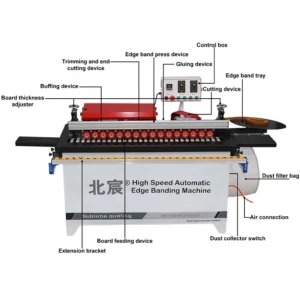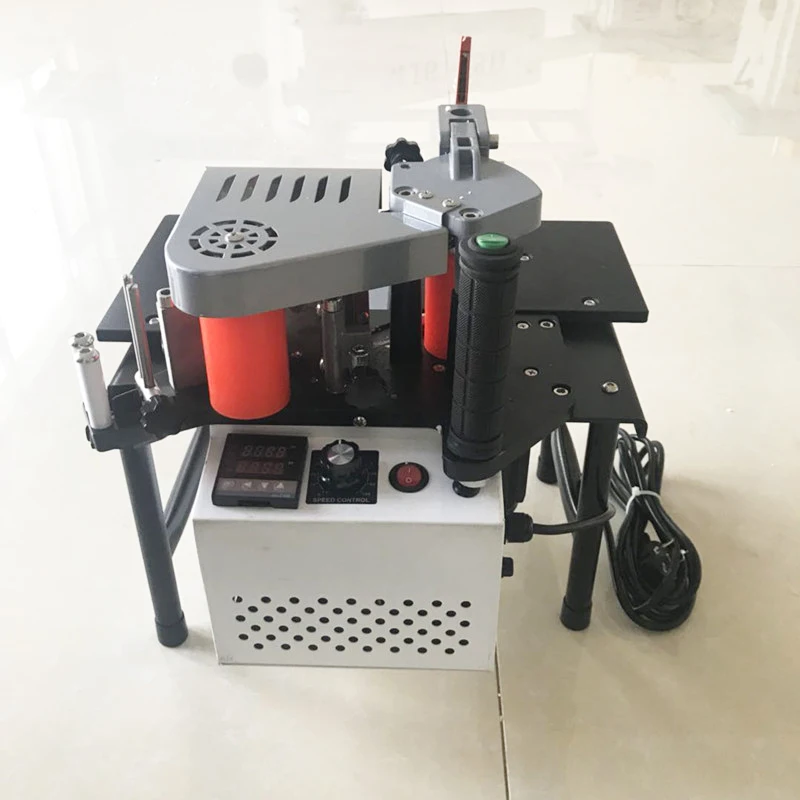
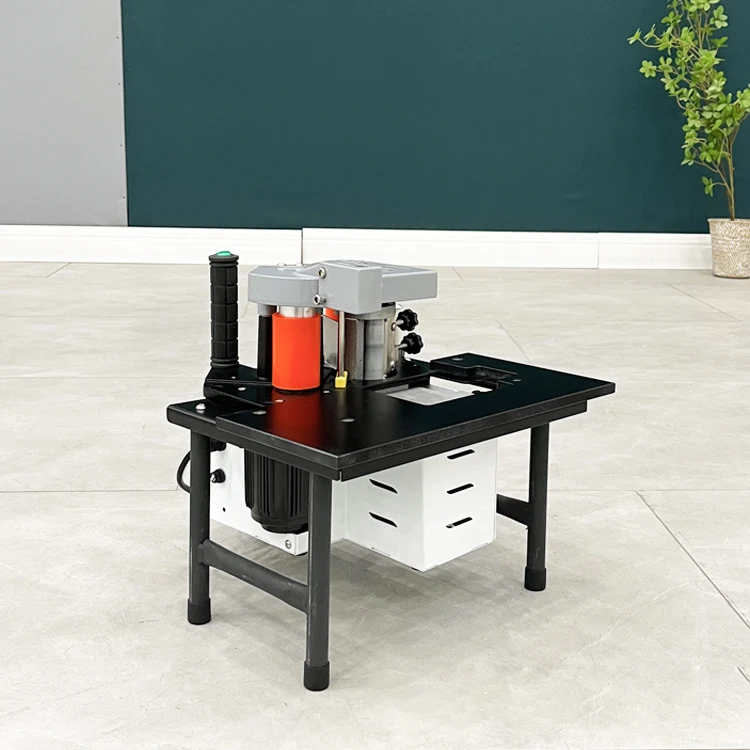
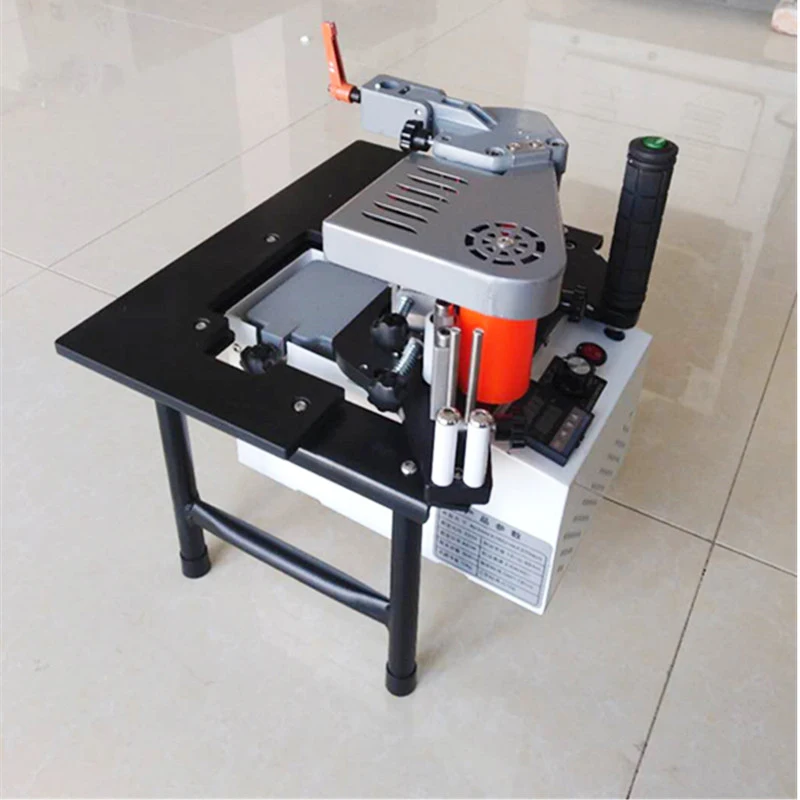
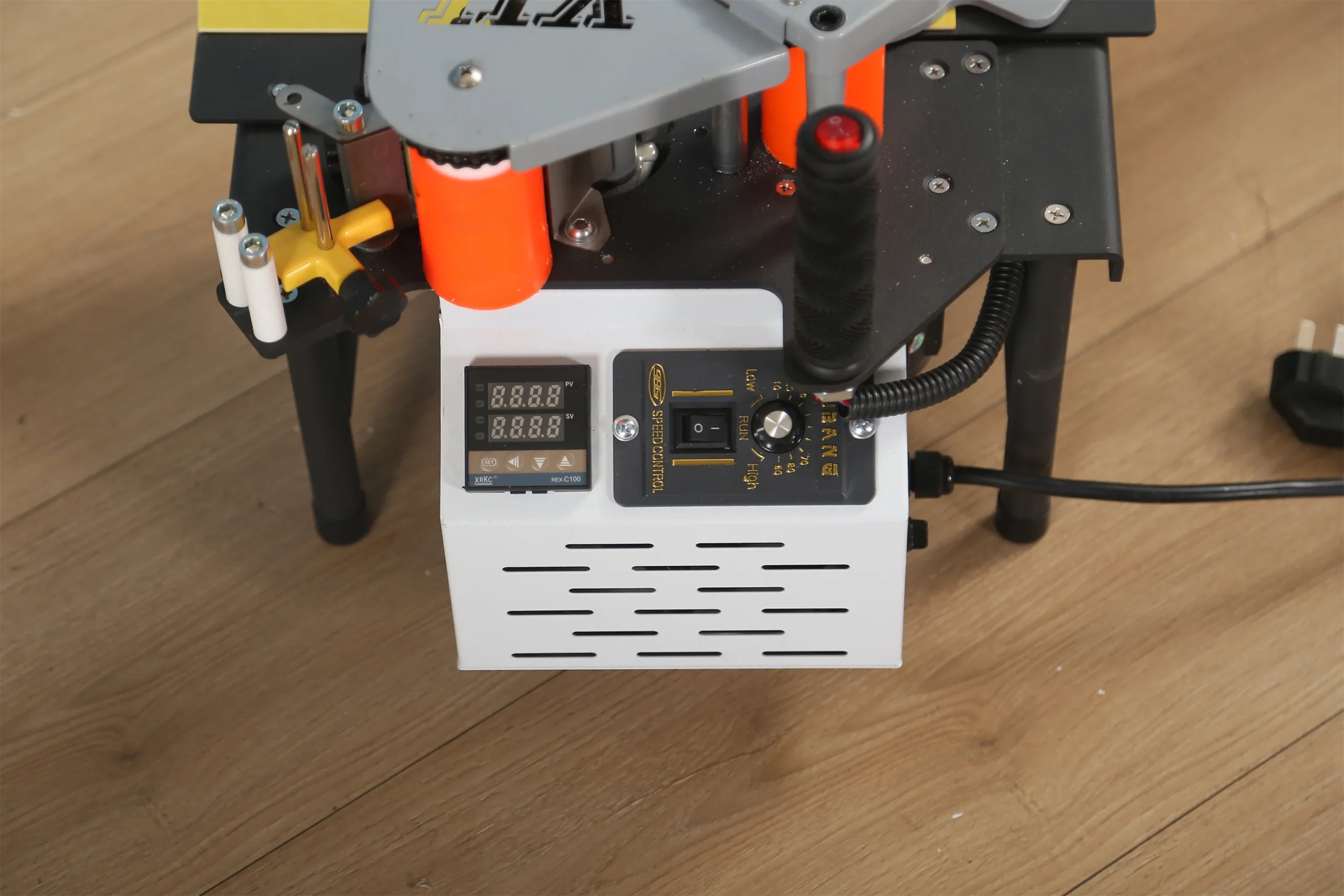
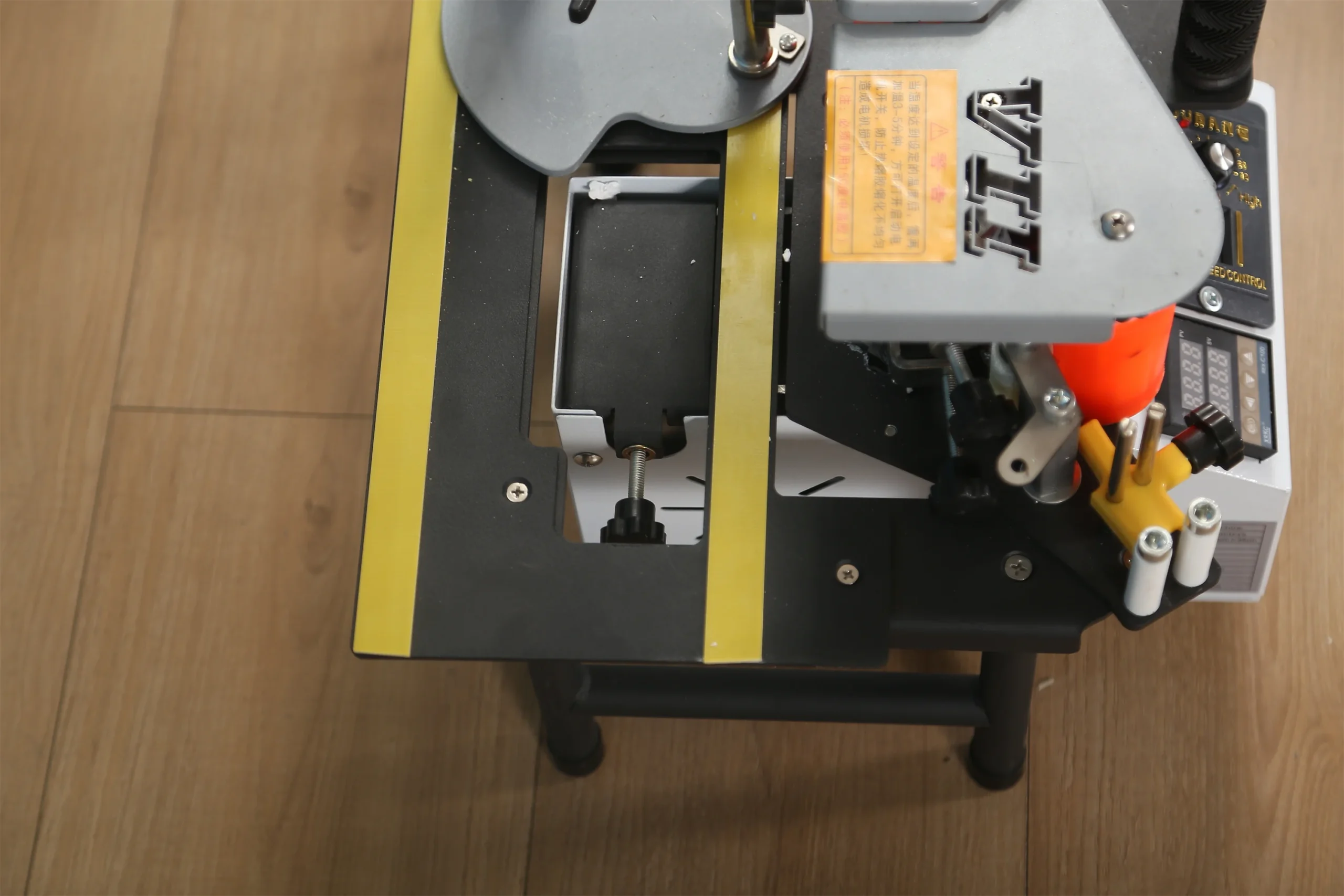
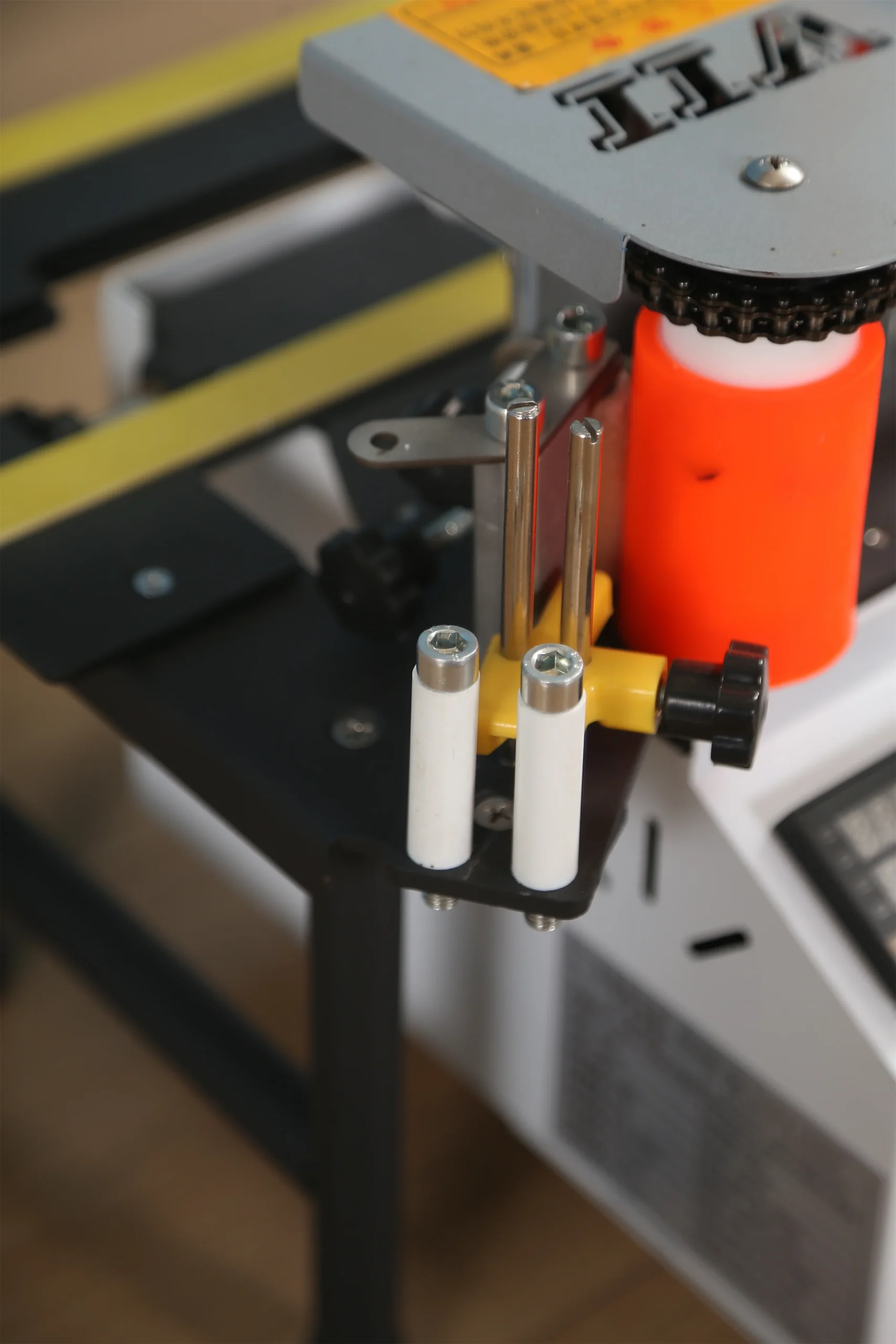
Description
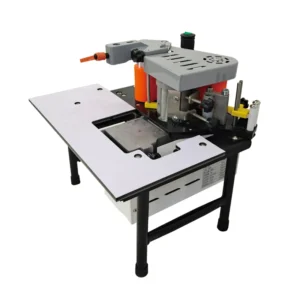
Dual-Shape Edge Coverage — this portable unit processes both curved and straight panel profiles in a single pass, verified across MDF, plywood, and particleboard substrates within the 7–60mm thickness window.
Technical Specifications
| Parameter | Value |
|---|---|
| Product Type | Portable Edge Banding Machine |
| Rated Power | 1000W |
| Voltage | 220V (frequency to be confirmed at order) |
| Control System | Manual / Semi-Automatic |
| Overall Dimensions | 440 × 410 × 450 mm |
| Net Weight | 14 kg |
| Board Thickness Range | 7–60 mm |
| Edge Thickness Range | 0.3–3 mm |
| Gluing Method | Double-sided gluing |
| Glue Pot Capacity | 800 ml |
| Plate Shape Compatibility | Curved and straight plates |
| Plug Options | EU / AU / UK / USA / CN plug available |
Application Suitability
| Application | Material or Output |
|---|---|
| Custom furniture curved-edge finishing | PVC and veneer edge banding on MDF and plywood panels |
| Small-batch cabinet edge repair | Melamine strips on particleboard and blockboard substrates |
| Joinery workshop transition from manual banding | Solid wood and composite panels within 7–60mm thickness |
| On-site installation edge touch-up | Pre-cut edge materials 0.3–3mm on shaped furniture components |
Why the Voltage Question Should Come Before the Price
Confirming your workshop supply voltage and frequency before ordering prevents a machine from arriving unusable.
I have watched a 220V portable edge banding machine sit idle on a factory floor for weeks because the local supply ran at 60Hz while the motor was wound for 50Hz. The buyer focused on edge quality specs and skipped the electrical compatibility check entirely. The glue pot could not reach stable temperature, and the feed motor overheated within the first hour of continuous use [NEED_CITE: voltage and frequency standards by export market]. For any Portable Edge Banding Machine manufacturer, verifying these parameters at inquiry stage is the first real quality gate.
Where This Model Sits in the Ruiqi Edge Banding Range
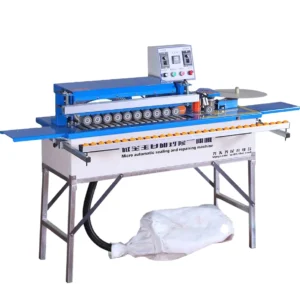
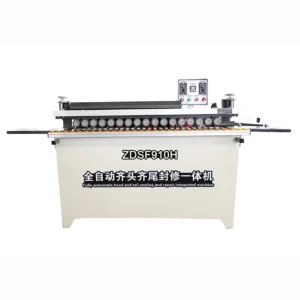
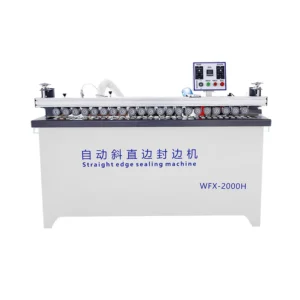
The Portable Edge Banding Machine occupies the entry position in the complete edge banding lineup. It targets workshops that need occasional curved-edge capability and have production volumes that do not yet justify a fully automatic inline system with pre-milling and multi-station trimming. The machine handles the same edge material families — PVC, veneer, and melamine — that the larger automatic models process, giving small operations a consistent material supply chain as they grow.
Scaling From Portable to Automatic Without Changing Supplier
When daily panel volumes outgrow manual feed cycles, the natural next step within this product family moves to semi-automatic table-top models, then to full-function automatic edge banders with pre-milling stations. The advantage of starting with a Portable Edge Banding Machine for sale from a manufacturer covering the entire range is that edge material selection, glue type, and trimming techniques remain consistent. Operators trained on the portable unit already understand substrate behavior and edge adhesion principles that transfer directly to higher-throughput models [NEED_CITE: edge banding machine classification and progression tiers].
Board Thickness, Edge Weight, and Glue Pot Behavior
The 7–60mm board thickness range covers standard MDF, particleboard, and plywood panels used in cabinet and furniture production. Within this window, thicker boards demand more edge material surface contact, and the 800ml glue pot capacity suits batch work where the operator can refill between runs rather than continuous high-volume feed. The double-sided gluing method applies adhesive to both the panel edge and the strip simultaneously, which improves bond consistency on porous substrates like MDF compared to single-sided application. Edge thickness capability from 0.3 to 3mm accommodates thin PVC foil for visible surfaces through to thicker veneer strips for structural edge protection.
The Hidden Cost of Mismatched Machine Class
Buying a portable unit for production volumes it was never designed for leads to operator fatigue, inconsistent glue temperature, and edge strips lifting after assembly. I once saw a small cabinet shop running this class of portable bander for full-shift output — the glue pot could not maintain thermal stability, and rejection rates climbed noticeably by mid-afternoon [NEED_CITE: thermal stability requirements for continuous edge banding operations]. The machine was not faulty; it was simply asked to perform beyond its intended batch-work duty cycle. Selecting equipment matched to actual throughput prevents this class of avoidable waste.
Why Source This Portable Unit Through the Full Catalogue
In-house manufacturing with patented cutting mechanisms means the portable model shares engineering DNA with the automatic range. Full product family coverage from entry-level to full-function allows a workshop to scale without switching supplier or re-learning edge material behavior. Voltage and plug customization is treated as standard configuration, not a special request. Four-stage quality control with pre-shipment verification applies to this 14kg portable unit exactly as it does to the production-line models. Engineer-led configuration recommendations ensure the portable unit matches the buyer’s actual substrate mix and daily volume before the order is placed.
Documentation & Verification
- CE declaration of conformity covering the portable unit electrical safety requirements
- Machine specification sheet confirming 220V rating and actual overall dimensions
- Electrical schematic with wiring diagram for the 1000W motor and glue pot heater circuit
- Factory test record running edge banding on your specified board thickness and edge material
- Operation and maintenance manual provided in your agreed language at order confirmation
Installation, Commissioning & Support
- Requires a dedicated 220V circuit rated above the 1000W draw to prevent voltage drop during glue heating
- Compact 440 × 410 × 450mm footprint fits a standard workbench without floor anchoring
- Arrives fully assembled — unbox, mount to stable surface, fill glue pot, and run first test strip
- Initial commissioning covers glue temperature stabilization and feed pressure adjustment for your edge material
- Multi-region plug options (EU/AU/UK/USA/CN) eliminate the need for adapters at first power-on
What to Include With Your Inquiry
Provide the specific panel materials you will be edge-banding — MDF density, plywood type, or particleboard grade — along with typical board thickness and edge strip material. Share your local voltage and frequency so the correct motor winding and plug type are confirmed. If you anticipate production growth, mention your target daily panel count so the configuration recommendation accounts for your upgrade path within the range.
Frequently Asked Questions
Q: Where does this portable edge bander sit in the full range, and when should I upgrade?
A: This portable unit is the entry point, designed for curved-edge work and small batches. When your daily panel count demands continuous feed and you need multi-station trimming for consistent edge finish, the next step is a semi-automatic or full-function automatic model with pre-milling. The upgrade keeps the same edge material supply chain and operator knowledge base.
Q: What voltage, frequency, and plug options are available for my region?
A: The standard configuration runs on 220V with EU, AU, UK, USA, and CN plug options available. Frequency must be confirmed at order stage — 50Hz and 60Hz markets require different motor windings. Specify your country and local supply standard with your inquiry so the correct electrical package ships with the machine.
Q: Can this portable unit handle the same PVC, veneer, and melamine edges as the larger automatics?
A: Yes. The 0.3–3mm edge thickness range and double-sided gluing method process the same PVC foil, natural veneer, and melamine strip materials used across the full automatic range. Glue type selection depends on your substrate and edge material combination, which is addressed during the configuration recommendation stage.
Q: What documentation ships with the machine, and in what language?
A: Each unit ships with a CE declaration, specification sheet, electrical schematic, factory test record, operation manual, and spare parts list. Specify your preferred language at order stage — the manual and control labels are prepared in your agreed language before dispatch so operators can commission without translation delays.
Q: What is the recommended maintenance schedule for the glue pot and feed mechanism?
A: The 800ml glue pot requires draining and cleaning when switching glue types or after extended idle periods. Feed rollers and pressure shoes should be inspected for adhesive buildup after each work session. The operation manual included with your machine details the full maintenance cycle specific to the portable unit configuration you receive.