Description
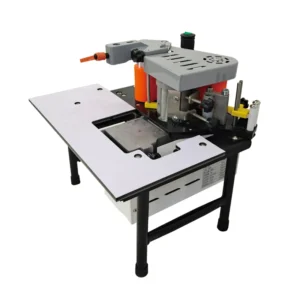
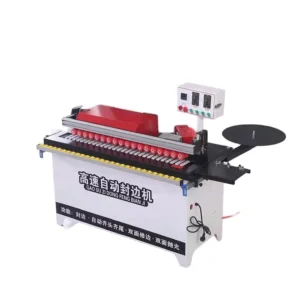
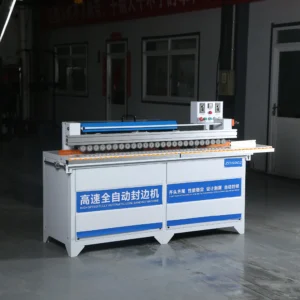
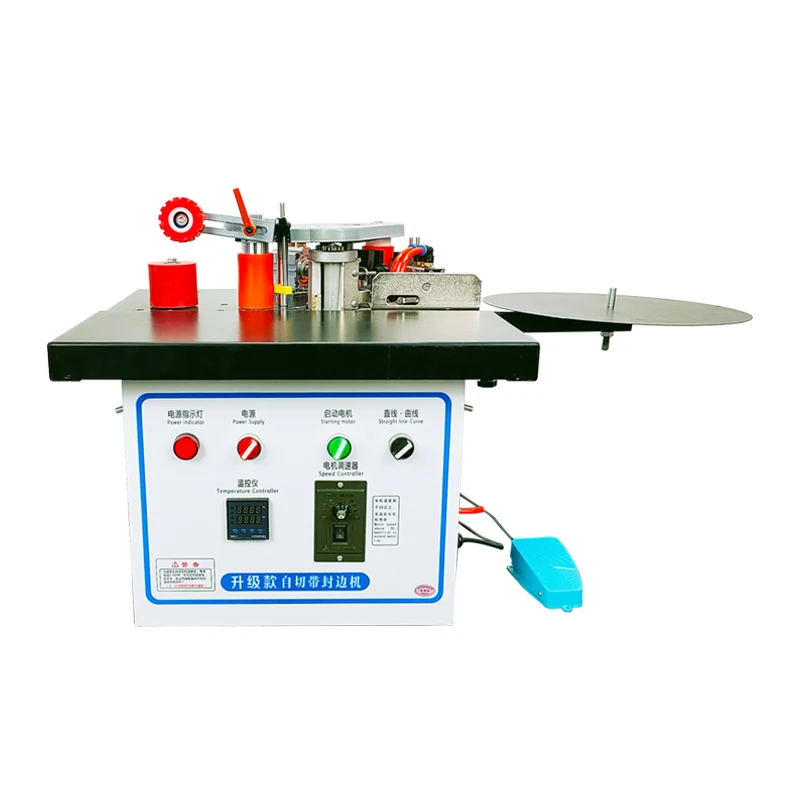
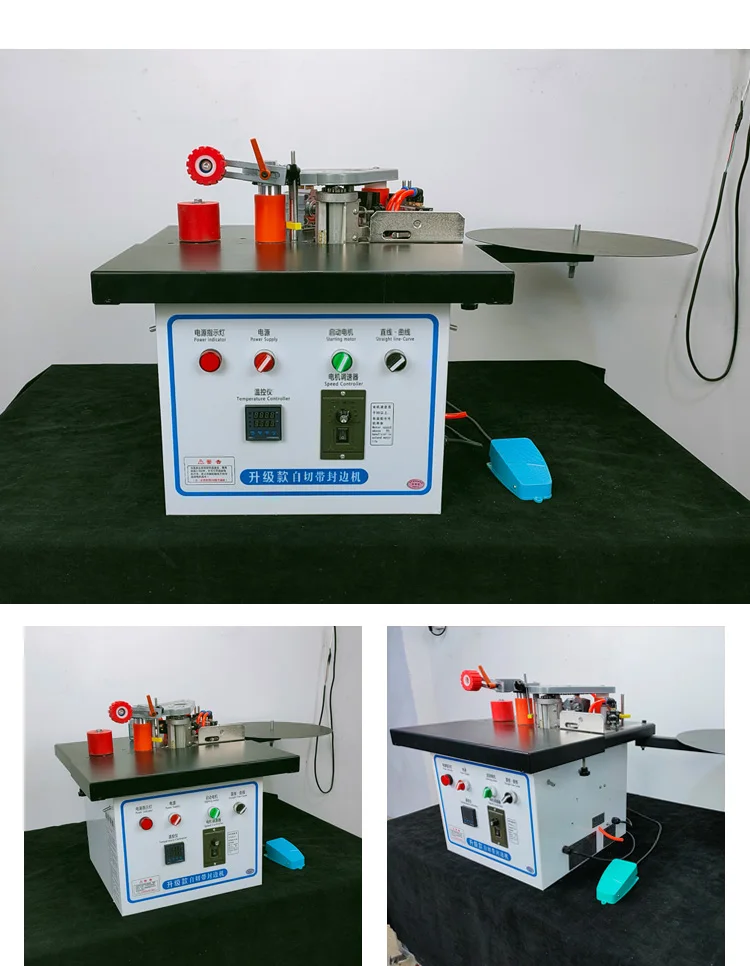
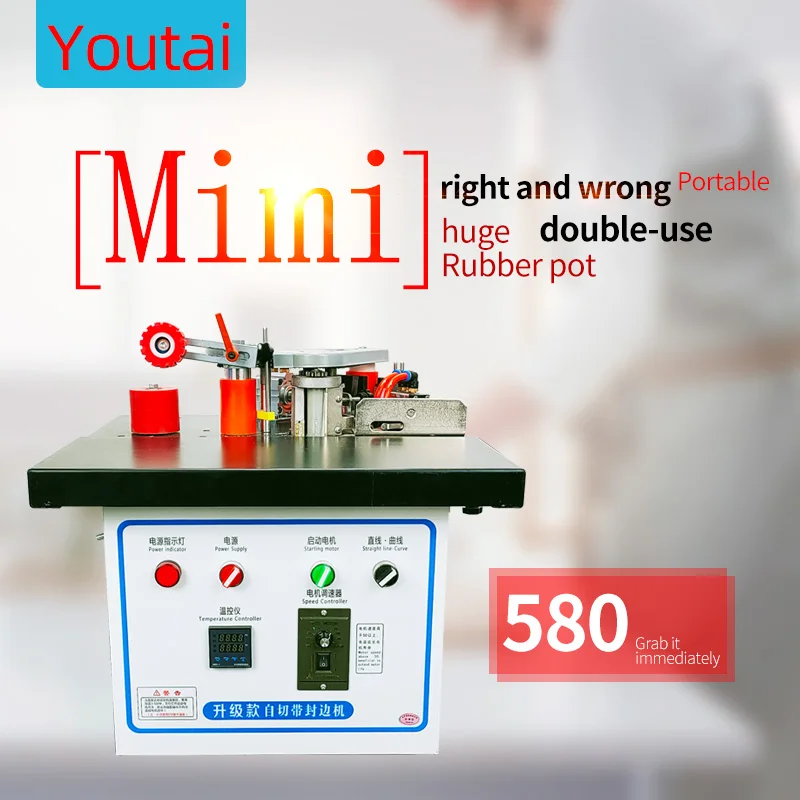
Verified Tolerance in Compact Form — the ST-50 manual edge banding machine delivers curved and straight sealing with voltage and language customization confirmed before dispatch, fitting precisely into a broader equipment family for workshop scaling.
Technical Specifications
| Parameter | Value |
|---|---|
| Model | ST-50 |
| Product Type | Manual Edge Banding Machine |
| Total Power | 1000W |
| Edge Power | 20W |
| Voltage Options | 220V / 380V / Customization |
| Air Source Pressure | 0.5-0.8Mpa |
| Glue Pot Capacity | 1000ml |
| Edge Banding Thickness Range | 0.3-3MM |
| Edge Banding Height Range | 0-50MM |
| Minimum Sheet Length | 25CM |
| Minimum Sheet Width | 3CM |
| Standard Features | Curved and straight edge banding |
| Product Dimensions | 505047CM |
| Product Weight | 22KG |
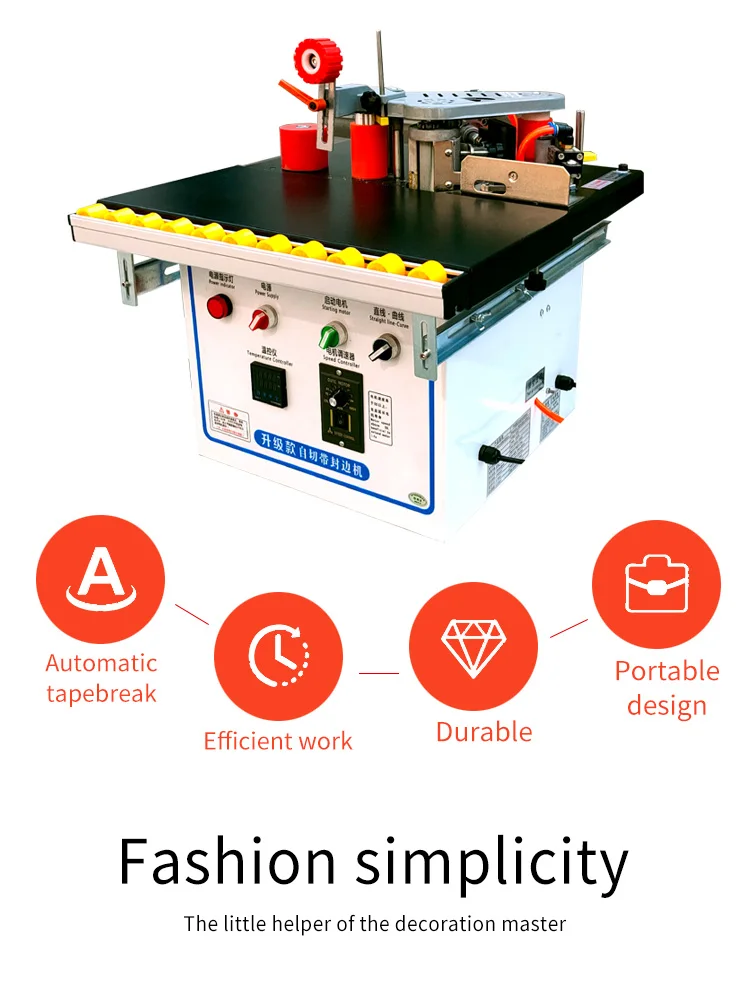
| Assembly State | Portable / benchtop unit |
Application Suitability
| Application | Material or Output |
|---|---|
| Furniture repair and restoration | Solid wood board, ecological board |
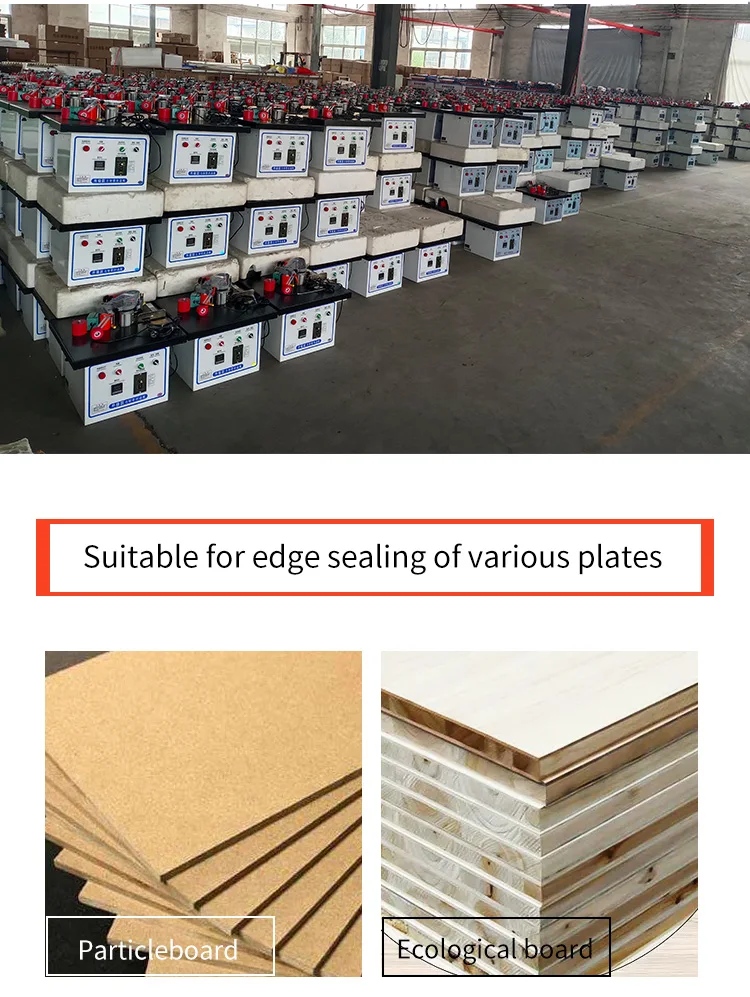
| Small-scale custom cabinet making | MDF, particleboard, plywood |
| On-site home decoration joinery | PVC and veneer edge banding on panels |
| Prototyping and sample production | Melamine strips on various substrates |
Why the Language Question Should Come Before the Voltage
Commissioning halts on day one if the operator cannot read the HMI.
Many workshops invest in new edge sealing equipment only to find the interface defaults to a language unfamiliar to the floor staff, creating a bottleneck before the first panel is processed. When a Manual Edge Banding Machine manufacturer ships a unit without verifying the control panel language requirement, the installation team spends the first week translating basic parameters rather than dialing in glue temperature and feed rate [NEED_CITE: industrial equipment HMI localization standards]. This delay is easily avoided by confirming the operator’s native language during the initial inquiry phase.
Positioning Within a Complete Catalogue
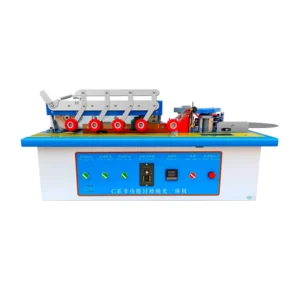
The ST-50 sits at the entry point of the Ruiqi Wood edge banding range, designed for workshops that need to seal both curved and straight edges without investing in a full automatic line immediately. Because it belongs to a unified product family, a joinery shop starting with this portable unit can transition to automated models later without changing the fundamental approach to edge preparation and glue management. This consistency reduces the learning curve for operators moving between stations.
Curved and Straight Sealing in a Single Footprint
Handling both curved and straight profiles on one benchtop unit eliminates the need for dedicated fixtures or multiple machines in a compact workshop. The 0-50MM banding height and 0.3-3MM thickness range cover standard PVC, veneer, and melamine strips used in furniture repair and small-batch cabinet production. Operators manually guide the panel past the glue pot and pressure roller, allowing immediate adjustment for tight radii that automated feeders might struggle to negotiate [NEED_CITE: woodworking edge profiling techniques].
Matching Parameters to the Panel Substrate
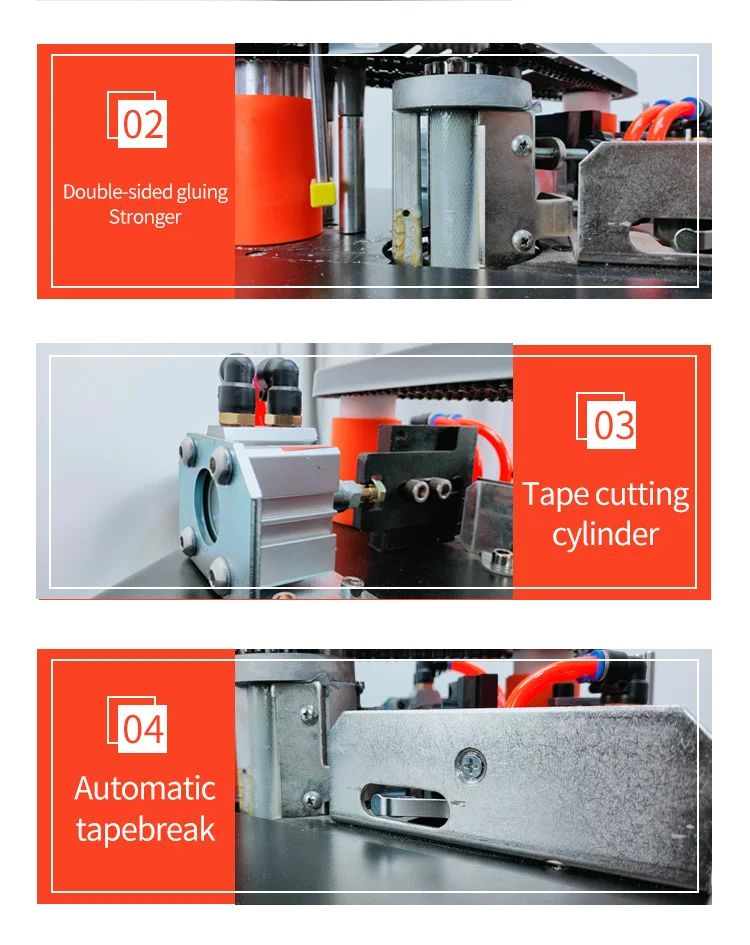
The 1000ml glue pot capacity and adjustable temperature settings must be matched to the specific substrate density and edge banding material in use. Thicker 3MM PVC strips on particleboard require a different heat profile than 0.3MM veneer on solid wood, and the manual feed rate gives the operator direct feedback on glue transfer quality. Air source pressure between 0.5-0.8Mpa actuates the trimming and buffing attachments, ensuring a flush finish regardless of the panel contour being sealed.
The Hidden Cost of Piecemeal Procurement
Buying a manual edge bander from one supplier and an automatic panel saw from another often results in throughput mismatches and incompatible maintenance protocols. When machines are sourced without a long-term line plan, spare parts inventory multiplies, and technical support becomes fragmented across different time zones and service teams. Workshops that start with a single unit outside a coordinated family frequently face higher total operating costs once production volume justifies the next equipment step [NEED_CITE: manufacturing equipment lifecycle management].
Manufacturing Depth and Dispatch Verification
Every unit undergoes pre-shipment testing with the buyer’s specified voltage and panel material, documented in a formal factory test record. The in-house manufacturing process includes precision grinding of the pressure roller surfaces to maintain consistent contact across curved profiles. Voltage customization from 220V to 380V or specific regional frequencies is locked in during the quotation stage, preventing the arrival of a machine that cannot be powered by the local workshop grid. Multilingual control panel options are configured before the electrical cabinet is sealed.
Documentation & Verification
- CE declaration of conformity covering the ST-50 electrical safety requirements.
- ISO 9001 certificate demonstrating the manufacturing quality management system.
- Machine specification sheet with confirmed voltage, frequency, and plug type.
- Factory test record processing your specific panel thickness and edge material.
- Operation and maintenance manual printed in the agreed operator language.
Installation, Commissioning & Support
- Benchtop placement requires a stable workbench capable of supporting the 22KG unit weight during manual feeding.
- Dedicated 220V or 380V circuit with correct amperage rating for the 1000W total power draw.
- Connection to workshop compressed air system supplying 0.5-0.8Mpa for trim and buff attachment actuation.
- Initial glue pot temperature calibration using your actual PVC or veneer edge banding stock.
- On-site or remote guidance for operator training on curved profile feed techniques.
- Spare parts list identifying wear items for the first maintenance cycle.
What We Need to Configure Your Unit
To provide an accurate quotation and specification sheet, please share the primary panel materials you will be sealing and the edge banding thickness range your production requires. Confirm the exact voltage and frequency available in your workshop, along with the preferred language for the operation manual and any interface labels. Let us know if this unit will operate alongside existing saws or boring machines so we can advise on workflow positioning and material handling compatibility.
Frequently Asked Questions
Q: Where does the ST-50 fit in the broader edge banding range?
A: The ST-50 is the portable entry-level model designed for manual curved and straight sealing, ideal for repair work and prototyping. It belongs to a complete product family, meaning workshops can scale to semi-automatic and fully automatic models from the same manufacturer as volume increases, maintaining consistent maintenance protocols and spare parts sourcing.
Q: How is voltage and frequency confirmed before shipment?
A: During the formal quotation stage, we request your workshop’s exact electrical supply specifications. The machine is then built and tested at that specific voltage and frequency in our facility before dispatch, ensuring it powers on immediately upon arrival without requiring additional transformers or electrical modifications on your site.
Q: What edge banding materials and panel types does this model handle?
A: The unit handles PVC, veneer, and melamine edge banding from 0.3MM to 3MM thickness on MDF, particleboard, plywood, and solid wood panels. The manual feed rate and adjustable glue pot temperature allow operators to dial in the correct profile for both standard straight edges and tight curved contours typical in custom furniture repair.
Q: Can the manual and interface language be customized?
A: Yes, operation and maintenance manuals are printed in your preferred language, and any interface labels or documentation are configured before the machine leaves the factory. This ensures your operators can read all safety warnings, parameter settings, and maintenance schedules from the first day of commissioning.