Description
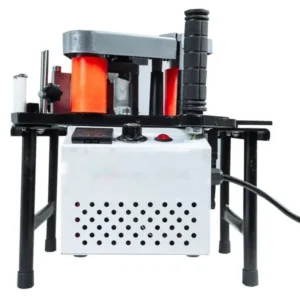
Verified Tolerance on Every Panel — the DW400 economical edge banding machine undergoes four-stage quality verification before it leaves the Ningjin facility, ensuring the trimming and polishing stations deliver consistent edge finishing from the first sheet to the last.
Technical Specifications
| Parameter | Value |
|---|---|
| Model | DW400 |
| Product Type | Economical Edge Banding Machine |
| Total Power | 3800 W |
| Voltage | 220V / 380V / Customization |
| Trimming Power | 650 W × 2 stations |
| Polishing Power | 180 W × 2 stations |
| Edge Feed Power | 20 W |
| Transmission Power | 60 W |
| Vacuum Power | 1200 W |
| Edge Banding Thickness | 0.3–3 mm |
| Edge Banding Height | 0–50 mm |
| Minimum Sheet Length | 25 cm |
| Minimum Sheet Width | 10 cm |
| Glue Pot Capacity | 1000 ml |
| Air Source Pressure | 0.5–0.8 MPa |
| Product Size (L×W×H) | 116 × 47 × 69 cm |
| Net Weight | 70 kg |
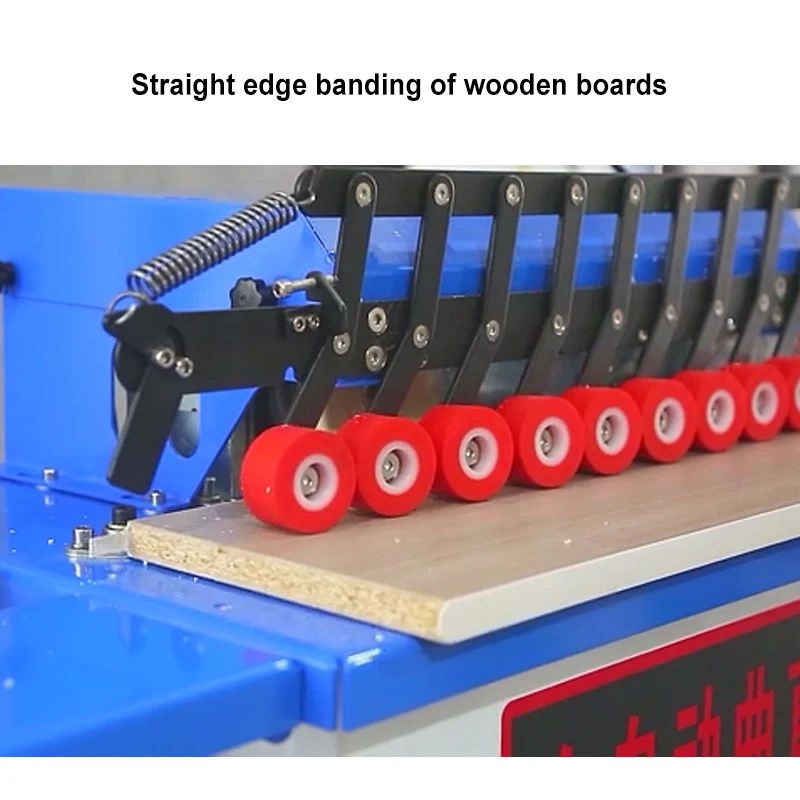
| Standard Functions | Straight edge banding, trimming, polishing |
| Language Options | Chinese, English (customizable) |
| Plug Options | EU, USA, AU, UK |
Application Suitability
| Application | Material or Output |
|---|---|
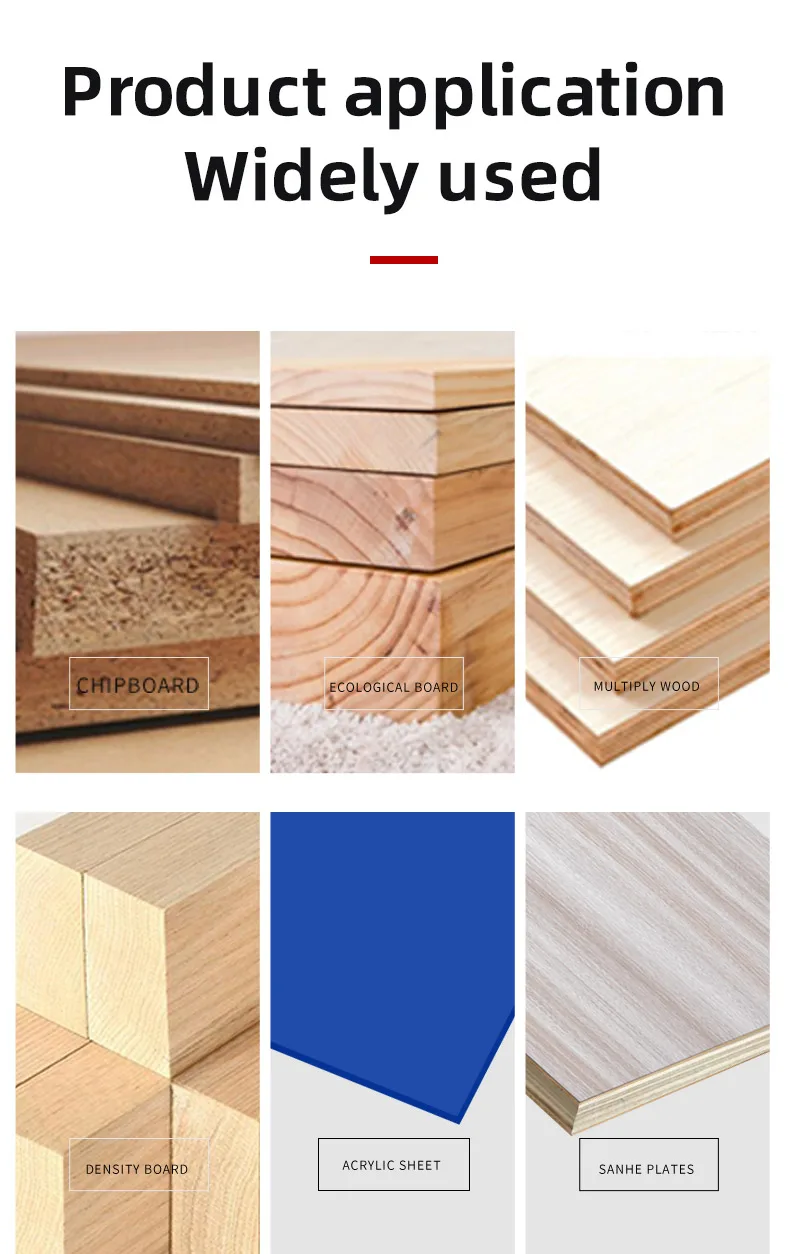
| Cabinet door production | MDF and particleboard panels with PVC or veneer edge banding |
| Custom furniture components | Plywood and blockboard with 0.3–3 mm edge material |
| Polymer door finishing | Polymer substrates requiring straight edge banding and trimming |
| Secondary workshop station | Backup edge banding for medium-sized furniture manufacturers |
| Joinery workshop upgrade | Transitioning from manual edge application to machine-assisted finishing |
Why the Voltage Question Must Come Before the Machine Price
An edge bander that does not match your local supply will never run a single panel. I have stood on a workshop floor watching an installation crew wait for replacement parts because a machine configured for one voltage arrived at a facility with a different supply standard. The DW400 Edge Banding Machine for sale supports 220V and 380V configurations, but the frequency — 50 Hz or 60 Hz — determines whether the motor and inverter survive the first week of production. [NEED_CITE: voltage and frequency standards by export market]
A 3800 W total power draw means the machine requires a dedicated circuit with correct breaker sizing. When that circuit delivers voltage outside the expected range, the trimming motors at 650 W each and the vacuum system at 1200 W operate under stress that does not show up until weeks into production. This is where procurement decisions made on catalogue specifications alone fall apart. The formal quotation process requires both parties to confirm the electrical schematic before production begins.
Where the DW400 Sits in the Complete Edge Banding Range
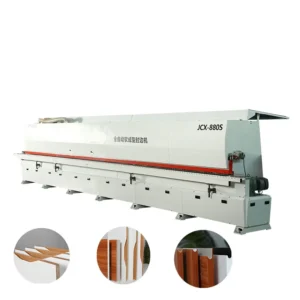
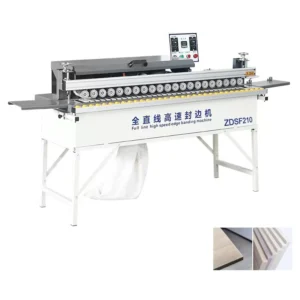
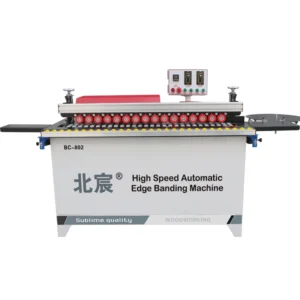
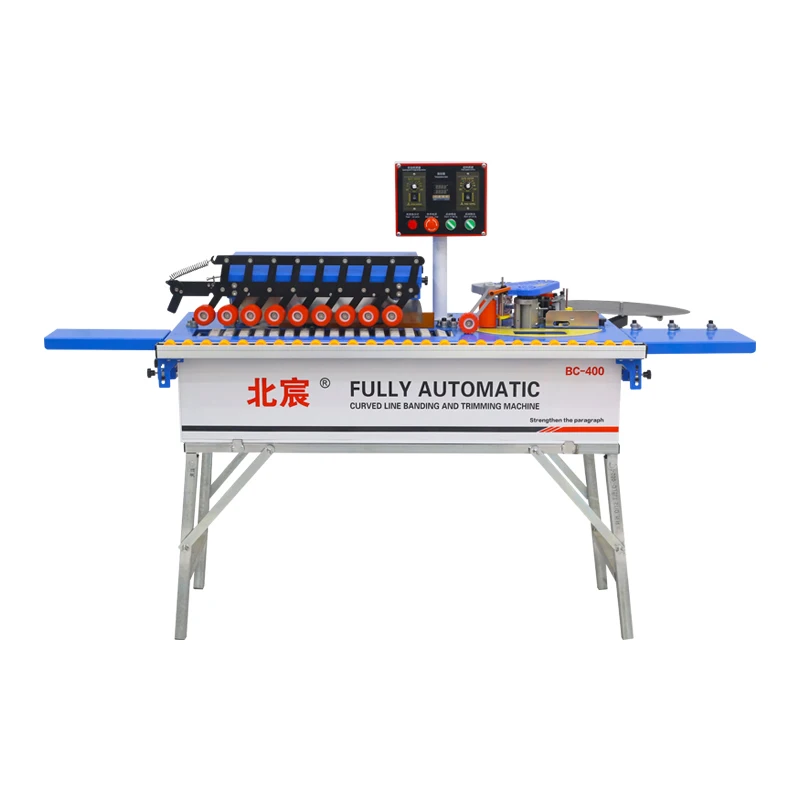
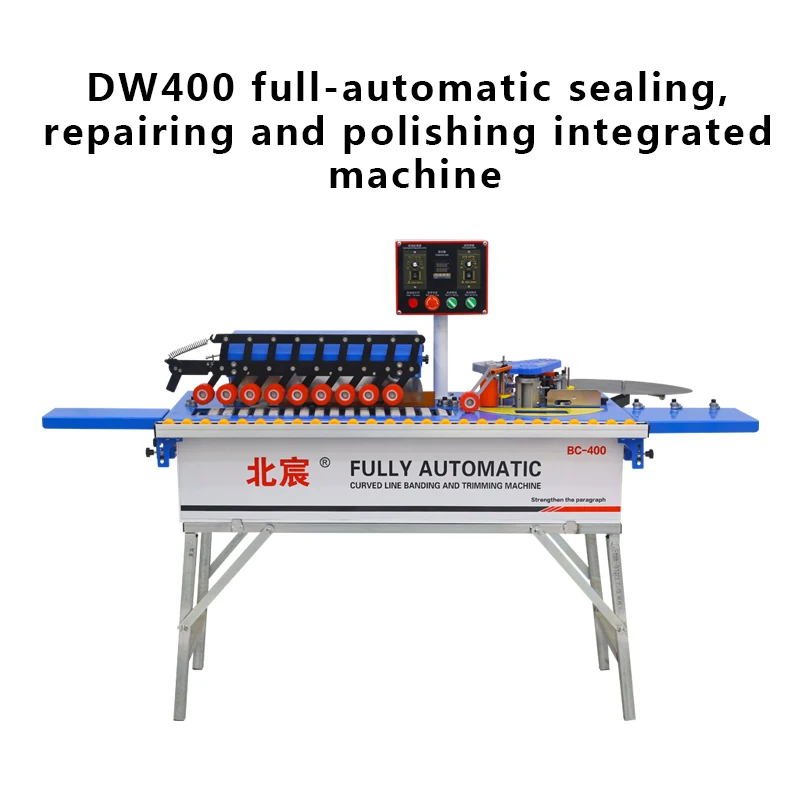
The full catalogue spans entry-level machines like this unit through to full-function pre-milling models designed for continuous production environments. The DW400 occupies the economical tier, built for workshops that need straight edge banding, dual trimming, and polishing without the footprint of a line-configured machine. This Edge Banding Machine manufacturer positions the DW400 for cabinet makers and joinery shops processing panels intermittently rather than running eight-hour production shifts.
The 116 × 47 × 69 cm footprint allows placement in workshops where floor space is already committed to sliding table saws and boring machines. Workshops evaluating their first edge banding machine — or adding a second station for overflow work — find this size practical. The range continues upward for buyers whose throughput requirements exceed what an economical model is designed to sustain.
Understanding the Six-Function Configuration
This model consolidates edge banding application, dual trimming, and dual polishing into a single-pass workflow. The dual trimming stations — each rated at 650 W — handle the excess material removal after the PVC or veneer strip is applied. The two polishing stations at 180 W each follow to smooth the trimmed edge, which matters when panels move directly to assembly without intermediate sanding. [NEED_CITE: edge finishing quality standards for custom furniture assembly]
The 0.3–3 mm edge banding thickness range covers the two most common material categories in panel furniture: thin PVC for carcass components and thicker veneer or ABS for visible door and drawer fronts. A glue pot capacity of 1000 ml provides enough adhesive volume for intermittent production runs without frequent refilling, though continuous high-volume environments would require the larger glue systems found on higher-tier models in the catalogue.
How the Specifications Translate to Workshop Results
The 0–50 mm edge banding height range accommodates standard panel thicknesses used in cabinet and furniture construction, from 16 mm particleboard up through thicker blockboard and plywood assemblies. The minimum sheet dimensions — 25 cm length and 10 cm width — define the smallest offcut this machine can process, which matters for workshops cutting drawer sides and narrow shelving components.
The air source pressure requirement of 0.5–0.8 MPa is typical for pneumatic systems driving the trimming and polishing heads. Workshops must verify their compressor delivers stable pressure within this range; fluctuating air pressure causes inconsistent trimming depth and visible variation along the edge. The vacuum system at 1200 W captures trimming waste at the source, keeping the work area clear and reducing the chance of debris interfering with the polishing stage.
The Cost of Skipping Configuration Verification
When a buyer orders an economical edge bander without confirming electrical specifications, control panel language, and compatible upstream equipment, the problems compound after delivery. An operator who cannot read the control interface will set trimming depth and feed parameters incorrectly, producing panels with visible glue lines or uneven edges that fail assembly inspection. [NEED_CITE: operator error from unreadable machine interfaces]
The 70 kg net weight and compact dimensions make the DW400 straightforward to position, but compatibility with existing sliding table saws and panel handling equipment depends on feed height alignment — a detail that matters when panels move between machines without manual lifting. Procurement that treats each machine as an isolated purchase rather than part of a workflow creates bottlenecks that no single specification can resolve.
What Manufacturing Depth Means for This Model
In-house production of the cutting and trimming mechanisms means replacement parts match the original tolerance rather than relying on generic components sourced separately. The four-stage quality control process — incoming material, in-process, finished product, and pre-shipment verification — applies to every unit regardless of its position in the range.
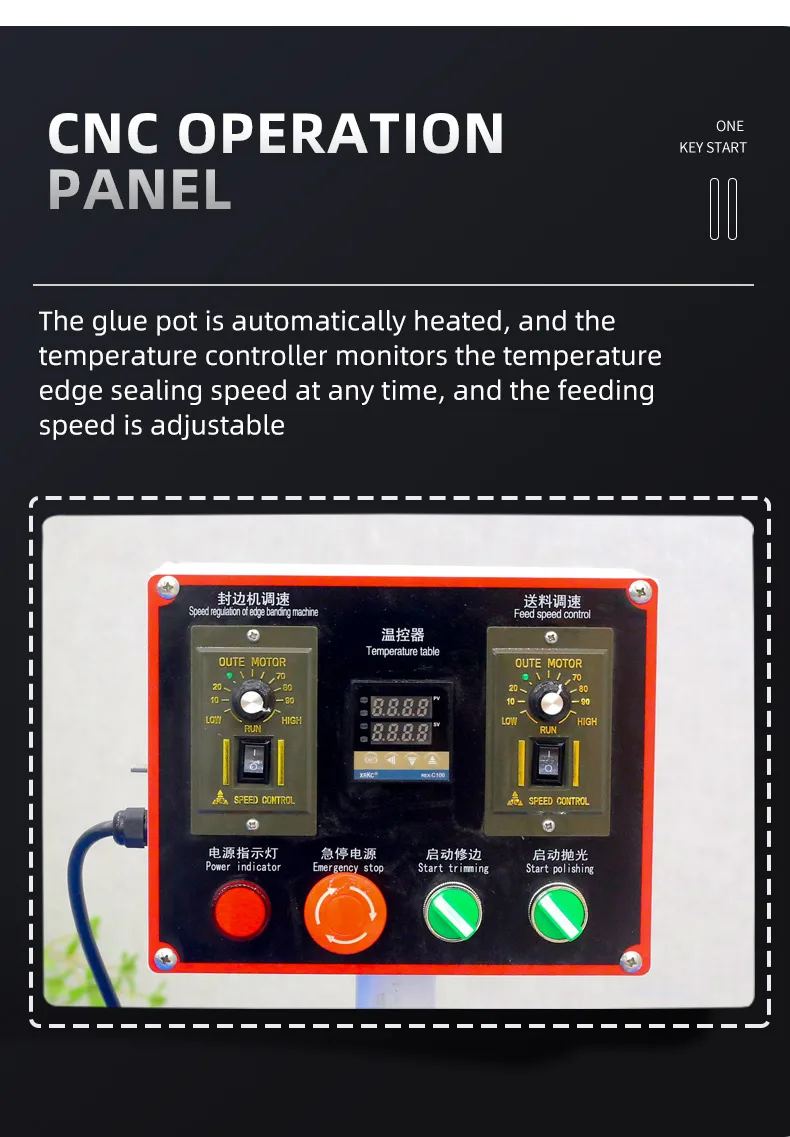
Voltage customization from 220V to 380V is confirmed through a signed electrical schematic before the machine enters assembly. Plug configurations for EU, USA, AU, and UK markets eliminate the need for adapters that introduce connection risk on the workshop floor. Control panel language is set to the buyer’s specification, so operators read instructions in their working language from the first day.
Documentation & Verification
- CE declaration of conformity covering the DW400 mechanical and electrical safety requirements
- Machine specification sheet confirming trimming power, voltage, and edge thickness range for your order
- Electrical schematic with voltage and frequency confirmation signed by both parties before assembly
- Factory test record documenting edge banding results on your specified panel material before dispatch
- Operation and maintenance manual provided in the agreed language with spare parts list included
- Packing photographs and customs documentation support for international shipment
Installation, Commissioning & Support
- Dedicated circuit required for the 3800 W total power draw with correctly rated breaker
- Stable air supply at 0.5–0.8 MPa needed for consistent trimming and polishing operation
- Compact 116 × 47 × 69 cm footprint requires level floor with clearance for panel infeed and outfeed
- First-run parameter setup includes trimming depth adjustment and glue pot temperature calibration
- Spare parts list covers trimming cutters, polishing wheels, and glue pot components for planned maintenance
What to Include in Your Inquiry
Provide the panel materials you process — MDF, particleboard, plywood, or polymer — along with typical thickness and the edge banding material you use. Confirm your facility voltage and frequency so the electrical configuration is locked before production. Specify the control panel language your operators require and whether your existing workshop layout constrains machine dimensions. If you are evaluating where this model fits relative to higher-capacity options, include your daily panel volume so the configuration recommendation accounts for realistic throughput.
Frequently Asked Questions
Q: How does the DW400 compare to higher-tier models in the range?
A: The DW400 provides straight edge banding, trimming, and polishing in a compact footprint suited to intermittent production. Higher-tier models add pre-milling, corner rounding, and scraping functions designed for continuous operation at greater feed speeds. The catalogue shows each tier’s position so you can match the model to your actual production stage rather than paying for functions your workflow does not require.
Q: What voltage and plug configurations are available for my market?
A: The machine supports 220V and 380V with frequency confirmed during the quotation process. Plug options include EU, USA, AU, and UK standards. The electrical schematic is reviewed and signed by both parties before assembly begins, ensuring the machine matches your facility supply. Voltage mismatch after delivery is preventable when this confirmation step is completed properly.
Q: Which panel materials and thicknesses does this machine handle?
A: The DW400 processes MDF, particleboard, plywood, blockboard, and polymer substrates with edge banding heights from 0 to 50 mm. Edge material thickness ranges from 0.3 mm PVC to 3 mm veneer or ABS. Minimum sheet dimensions are 25 cm length and 10 cm width, accommodating narrow components like drawer sides and shelving offcuts.
Q: Can the control panel be customized to my operator’s language?
A: Yes. Standard options include Chinese and English, with customization available for Spanish and other languages based on your operator requirements. Language is confirmed during the specification review so the machine arrives with an interface your team can read from the first day of operation.
Q: What is the upgrade path if my production volume grows?
A: The catalogue includes higher-tier edge banding models with additional functions and faster feed speeds for continuous production environments. When your volume exceeds what an economical model is designed to sustain, the transition stays within the same product family and supplier relationship, preserving familiarity with service and parts sourcing.