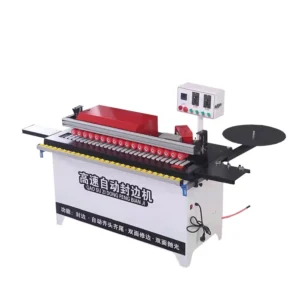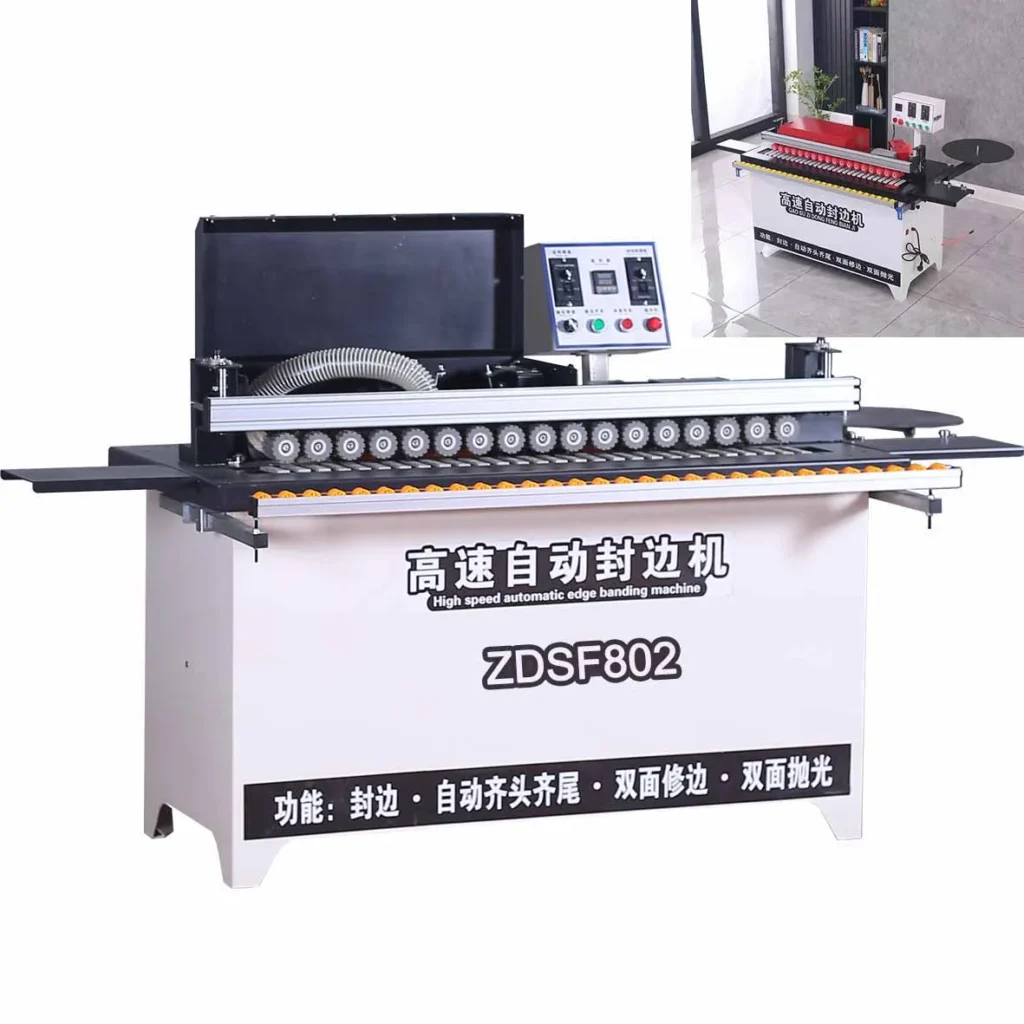
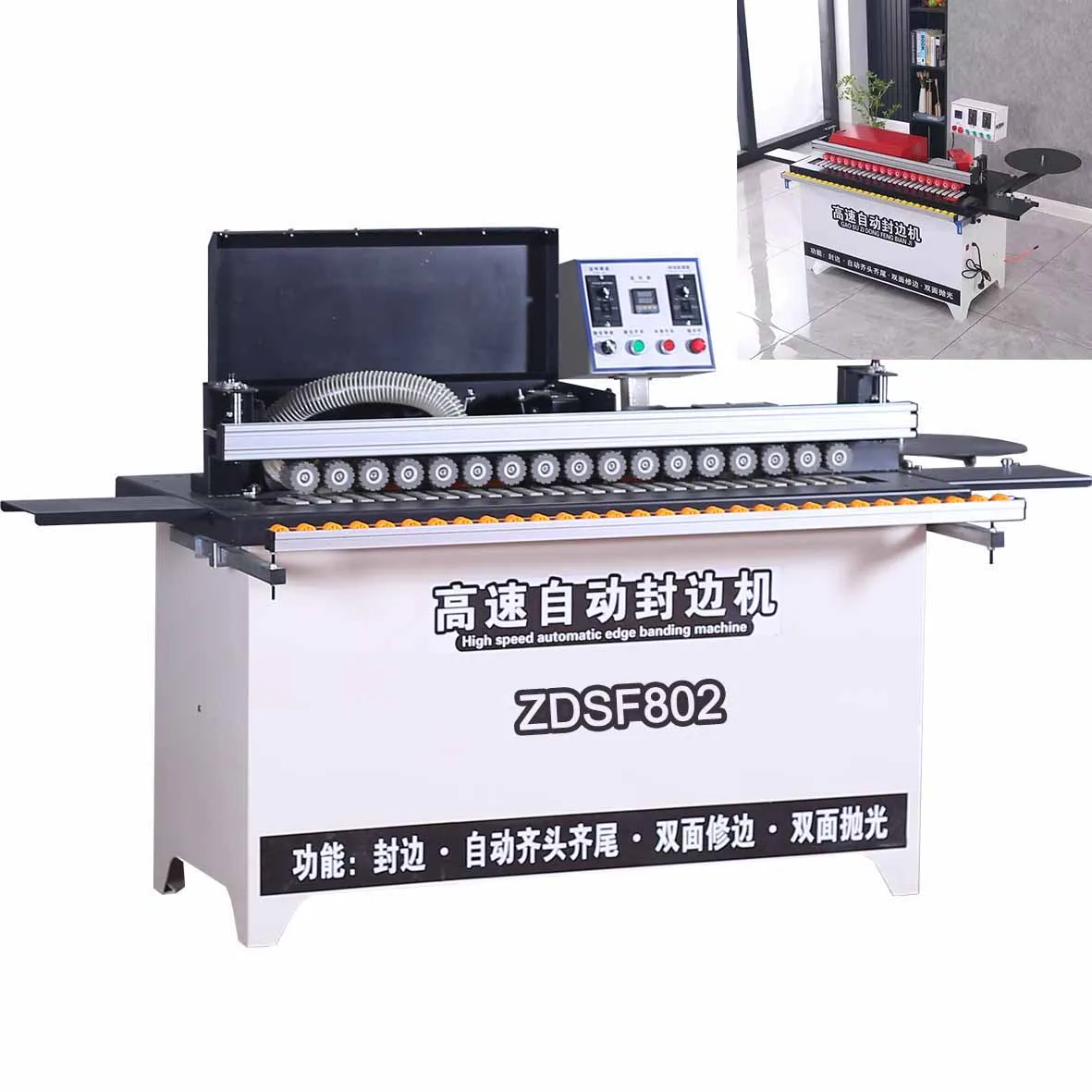


Description
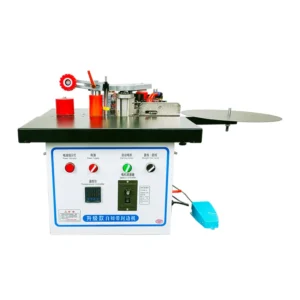
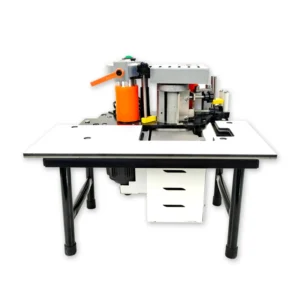
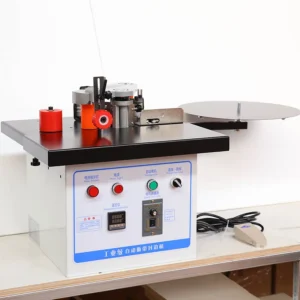
Proven Tolerance Control — The ZDSF802 automatic edge banding machine achieves ±0.02mm precision through patented cutting mechanisms and four-stage inspection, positioned within a complete product family so your workshop can scale without changing suppliers.
Technical Specifications
| Parameter | Value |
|---|---|
| Model | ZDSF802 |
| Product Type | Automatic Edge Banding Machine |
| Edge Type | Straight line |
| Rated Voltage | 220V (frequency and phase to be confirmed per market) |
| Rated Power | 4 kW |
| Trimming Power | 800W × 2 |
| Polishing Power | 180W × 2 |
| Suction Power | 1200W |
| Heating Power | 1000W (heat-up time 5–10 min) |
| Feed Speed | 0–10 m/min |
| Conveyor Belt Speed | 0–10 m/min |
| Strip Thickness Range | 0.5–2.5 mm |
| Sheet Thickness Range | 10–50 mm |
| Glue Pot Capacity | 4000 ml |
| Rated Air Pressure | 0.4–0.6 MPa |
| Overall Dimensions (L×W×H) | 130 × 65 × 75 cm |
| Machine Weight | 150 kg |
| Gluing Method | Double-sided gluing |
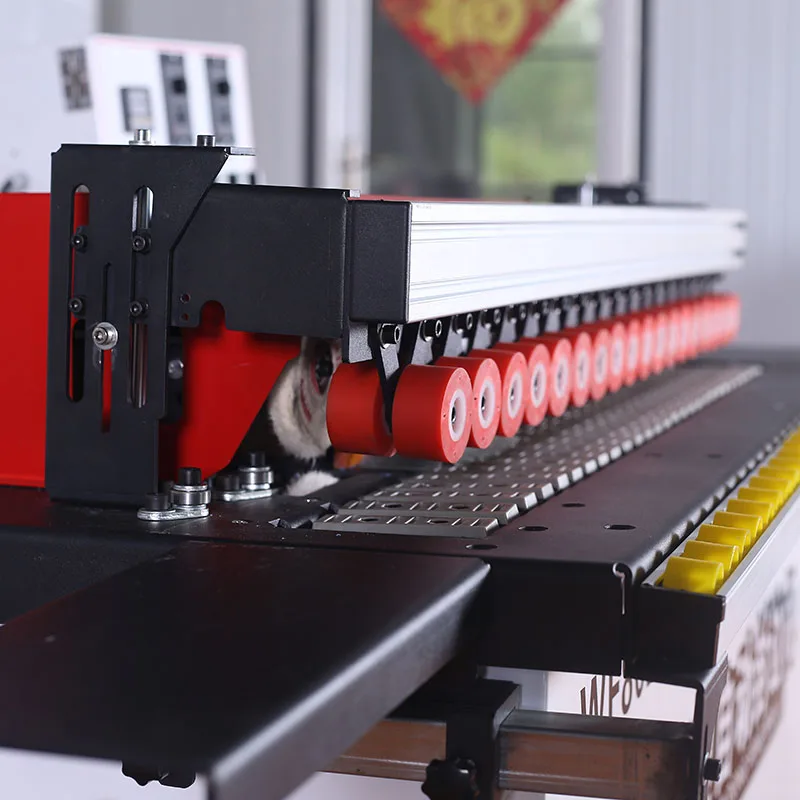
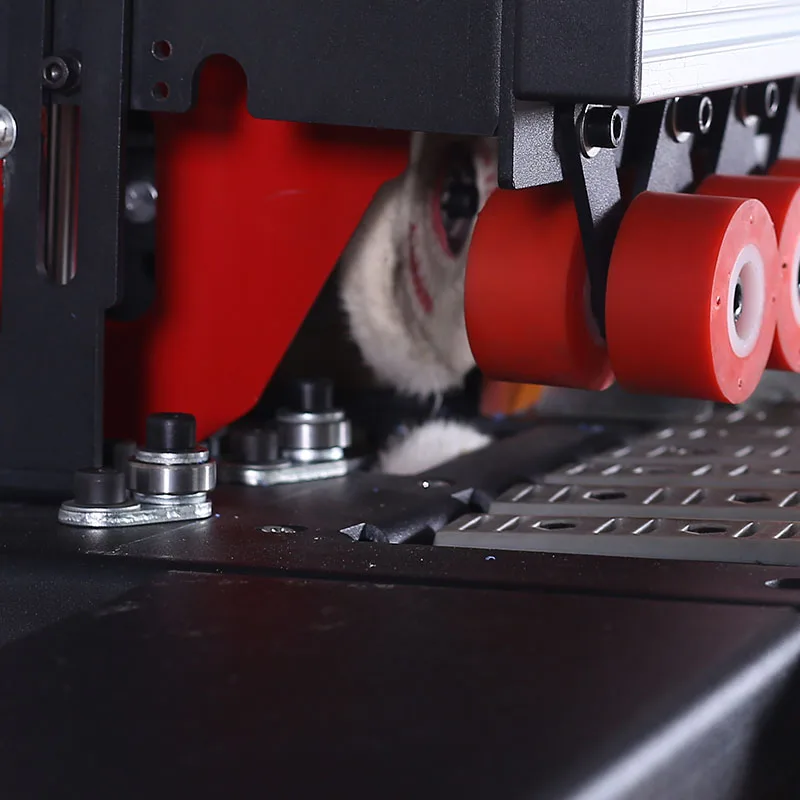
| Pressure System | Integrated pressure beam, double-row pressure rollers |
| Conveyor Belt Material | Silicone |
| Belt Breaking Method | Pneumatically controlled |
| Control Panel | Digital display of glue pot temperature, independent switch |
| Extension Support | Extendable fluent strips for large panels |
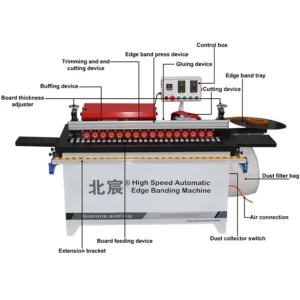
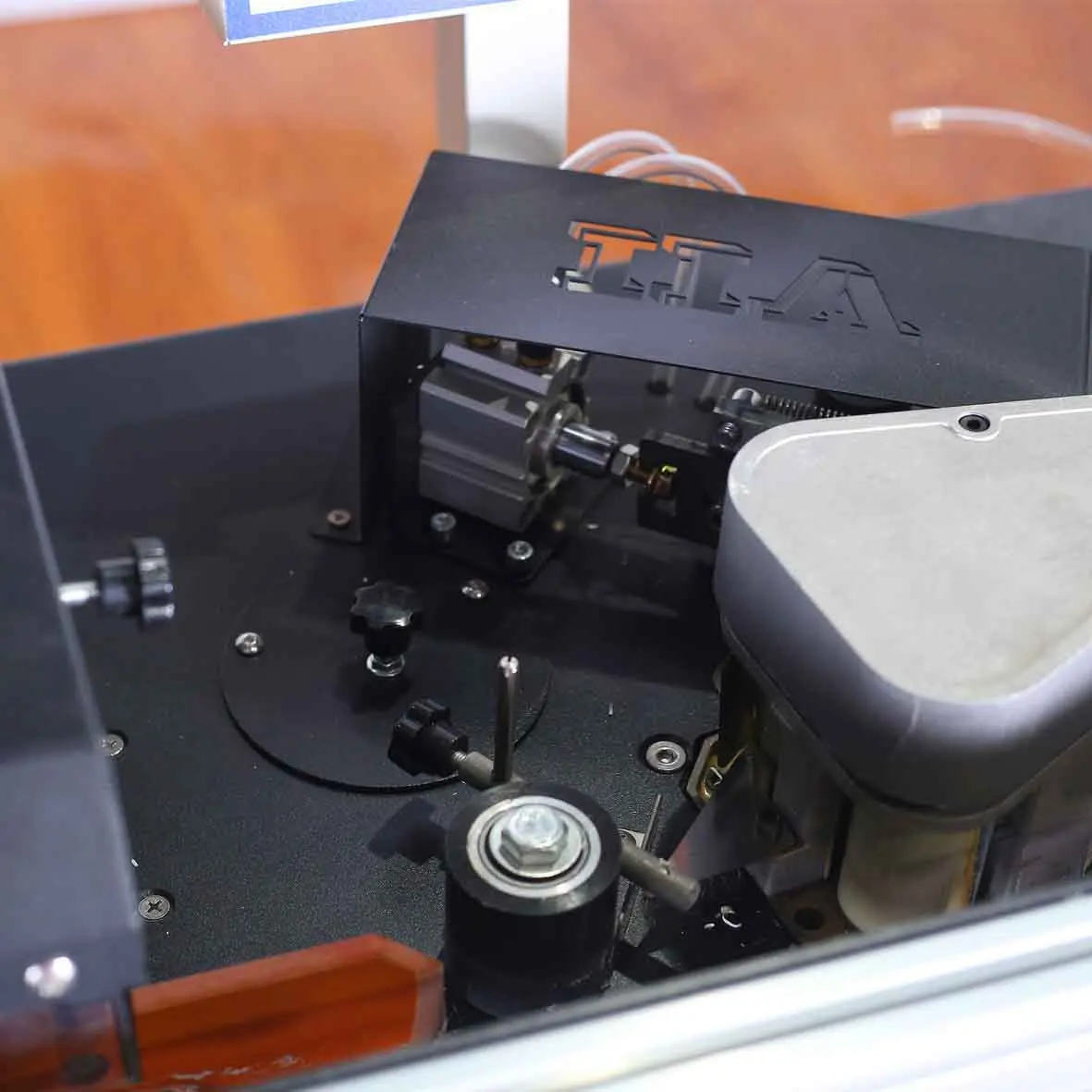
| Key Features | Automatic plate feeding, end cutting, upper and lower polishing, automatic head and tail trimming, integrated dust collector |
Application Suitability
| Application | Material or Output |
|---|---|
| Custom furniture panel edge banding | MDF, particleboard, plywood with PVC edge strips |
| Cabinet door and carcass production | Veneer edge banding on 10–50 mm sheet stock |
| Small workshop straight-line banding | 0.5–2.5 mm PVC and veneer strip material |
| Joinery shop automation transition | Panel components for fitted wardrobes and shelving |
Why the Voltage Question Must Come Before the Quotation
Confirming local voltage, frequency, and phase before ordering prevents weeks of idle equipment on the workshop floor.
I once configured a compact edge bander for a buyer overseas, and the machine arrived to find the workshop running on a different phase configuration than what we had on the order sheet. The transformer swap took nearly three weeks, and the customer lost an entire production cycle waiting. With the ZDSF802 rated at 220V, frequency and phase confirmation must be locked in before production begins — not after the crate is opened [NEED_CITE: voltage and frequency standards by export market]. An automatic edge banding machine for sale is only useful if it can actually run when it arrives.
Where the ZDSF802 Sits in the Complete Ruiqi Range
The ZDSF802 occupies the compact, full-function tier within the broader Ruiqi edge banding machine family. For workshops moving from manual banding methods to their first automatic edge banding machine for sale, this model covers the essential process stations — gluing, end cutting, trimming, and polishing — within a 130 cm footprint. Buyers surveying the full catalogue will find that every Ruiqi model shares the same engineering platform, meaning the jump to a higher-tier machine later does not require retraining operators on an entirely different control philosophy.
Scaling Without Changing Supplier
Workshops that start with the ZDSF802 often add a panel saw or a boring machine from the same product family as volume grows. Because feed heights and conveyor speeds are matched across the range, material flow between stations stays predictable [NEED_CITE: production line throughput matching principles]. The extendable fluent strips on this model already anticipate larger panel formats, so the transition to processing full-size cabinet sides does not demand an immediate machine replacement.
How Core Parameters Shape Your Daily Output
The 4000 ml glue pot capacity means extended banding runs before refill is needed, which matters when you are running batches of cabinet carcasses back to back. The double-sided gluing method applies adhesive to both the panel edge and the strip simultaneously, improving bond consistency on porous substrates like particleboard where single-sided application can starve the joint. The 10–50 mm sheet thickness range covers standard MDF and plywood panel stock used in furniture production, while the 0–10 m/min feed speed allows operators to slow down for thick veneer strips that need careful tracking or speed up for high-volume PVC runs. The integrated dust collector at 1200W suction power pulls trim waste away from the polishing stations, keeping edge finishes clean and reducing airborne particulate in the workshop environment.
The Hidden Cost of a Mismatched Entry-Level Machine
Buyers who select an edge bander based only on footprint often discover that the conveyor cannot hold panel alignment at the thickness they run most frequently. When the pressure beam lacks adequate row coverage, heavier boards drift during trimming, producing visible step marks on the finished edge. Pneumatic belt control on the ZDSF802 maintains consistent strip tension across the 0.5–2.5 mm thickness range, reducing the scrap rate that comes from misapplied or lifted banding [NEED_CITE: common edge banding defects in small workshop production]. Choosing a machine that sits within a complete product family also means that when production outgrows this model, the next unit up integrates with the same upstream saws and downstream borers already on the floor.
Why Procurement Through the Full Catalogue Matters
Every ZDSF802 leaves the factory with a test record run on the specific panel material and strip thickness the buyer samples before shipment. The four-stage quality control process — incoming material, in-process, finished product, and pre-shipment verification — applies to this compact model identically to higher-tier machines in the range. Voltage and language customization are configured at the order stage, not bolted on as afterthoughts [NEED_CITE: CE machinery directive requirements for industrial equipment]. The patented cutting mechanism delivering ±0.02mm tolerance is verified on the ZDSF802 just as it is on the full-function pre-milling models. Buyers browsing the complete catalogue can compare this model against others in the family using the same specification framework, making the decision data-driven rather than guesswork.
Documentation & Verification
- Machine specification sheet confirming rated voltage, frequency, and phase for your local supply
- CE declaration of conformity and ISO 9001 certificate applicable to this machine class
- Factory test record on your specific panel thickness and edge strip material before dispatch
- Electrical schematic with confirmed wiring diagram matching your workshop power configuration
- Operation and maintenance manual in the agreed language for operator-level readability
- Spare parts list with part numbers for trimming blades, polishing wheels, and silicone belt sections
Installation, Commissioning & Support
- Dedicated 220V circuit required to support the 4 kW rated power draw without voltage drop during heating cycles
- Compact 130 × 65 × 75 cm footprint fits standard workshop aisles; verify door clearance before delivery
- Digital glue pot temperature display calibrated during commissioning to match your specific adhesive type
- Pneumatic system requires 0.4–0.6 MPa clean air supply connected before first run
- Extendable fluent strips adjusted on-site to match the largest panel format in your production schedule
- Trimming and polishing stations aligned during installation to the 0.5–2.5 mm strip thickness range you use most
What We Need to Configure Your Machine Correctly
To match the ZDSF802 to your workshop, share the panel materials and thicknesses you process most frequently, along with the edge strip types and thicknesses in your current inventory. Confirm your local voltage, frequency, and phase supply so the electrical system is built to match. Let us know the control panel language your operators read, and whether this machine will sit alongside existing saws or borers so we can verify feed height compatibility across the line.
Frequently Asked Questions
Q: Where does the ZDSF802 sit in the Ruiqi edge banding range, and when should a workshop step up?
A: The ZDSF802 is the compact full-function tier, covering gluing, trimming, and polishing in a small footprint. Workshops running sustained high-volume daily output or requiring pre-milling for damaged panel edges typically move to a higher-tier Ruiqi model. The shared engineering platform means operator skills transfer directly when upgrading.
Q: How does the 0–10 m/min feed speed map to different production volumes?
A: Lower speeds suit thick veneer strips that need careful tracking and heat absorption. Higher speeds work for standard PVC runs on particleboard cabinet components. The variable range lets operators adjust per material rather than being locked to one throughput setting regardless of strip type.
Q: What voltage and frequency configurations are available for export markets?
A: The base rating is 220V, but frequency and phase must be confirmed for each destination market before production. We lock these details at the quotation stage so the motor, heating element, and control transformer are all matched to your local supply upon arrival.
Q: What edge banding materials work with the double-sided gluing system?
A: The system handles PVC and veneer strips within the 0.5–2.5 mm thickness range. Double-sided application improves bond strength on porous substrates like particleboard and MDF. For specific adhesive compatibility with unusual strip materials, a sample test at the factory confirms results before order.
Q: How does the ZDSF802 integrate with upstream panel saws and downstream boring machines?
A: Feed heights across the Ruiqi family are matched so panels transfer between stations without manual lifting adjustments. When configuring a line, we verify conveyor alignment and throughput balance between the saw, the ZDSF802, and any boring equipment to prevent bottlenecks.