Description
Precision-Verified Tolerance — every JT160 portable folding panel saw leaves the factory with a documented cutting test record, ensuring angle accuracy and edge quality match your panel material before shipment.
Technical Specifications
| Parameter | Value |
|---|---|
| Model | JT160 / JT160 PRO |
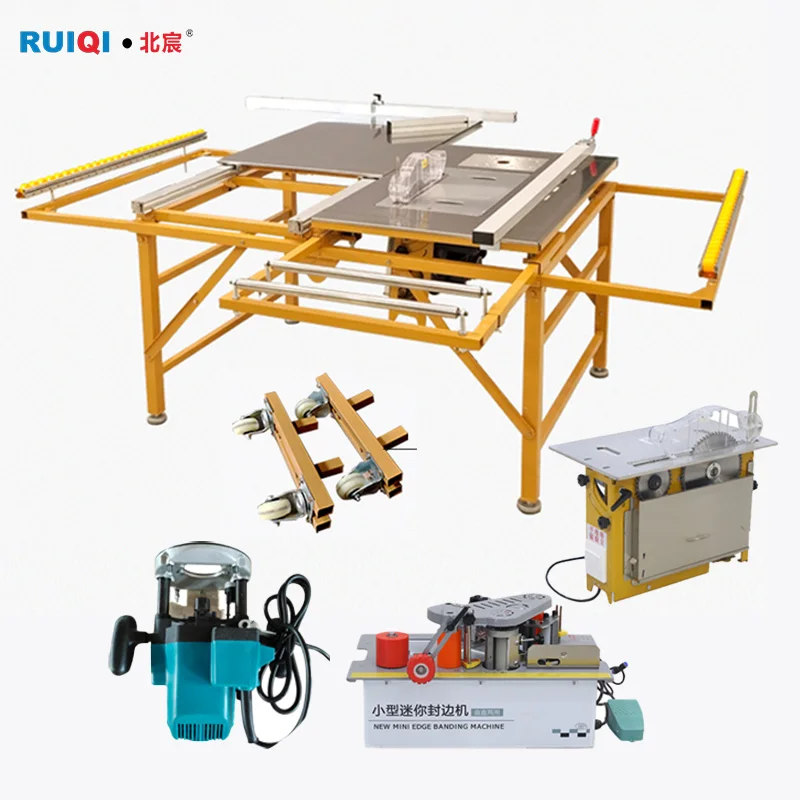
| Product Type | Portable Folding Panel Saw |
| Total Power | 6200W |
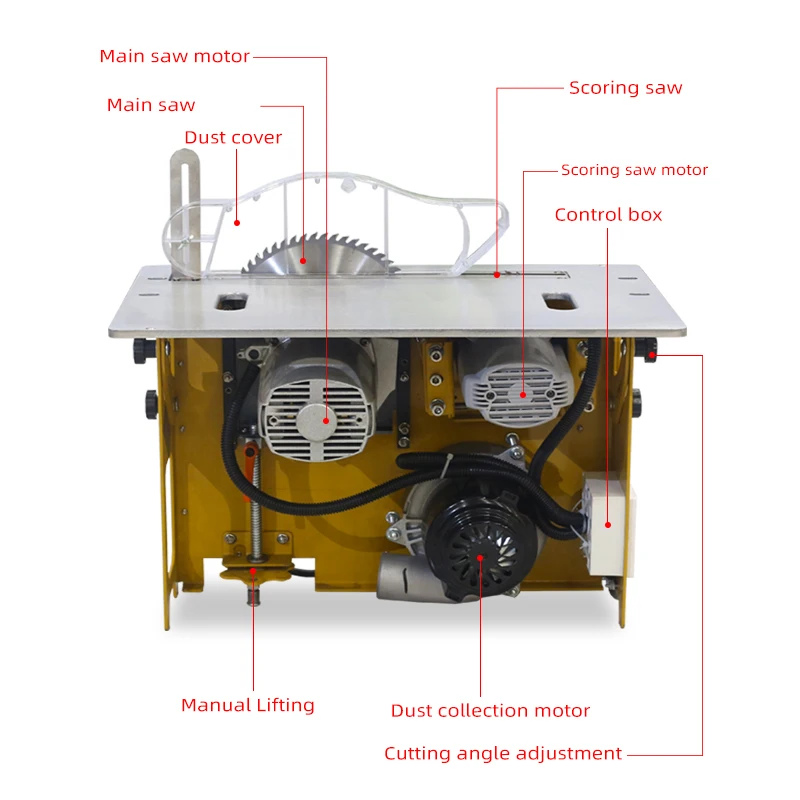
| Main Saw Power and Speed | 3000W, 3800 r/min |
| Main Saw Diameter | 20 cm |
| Sub Saw Power and Speed | 2000W, 13000 r/min |
| Vacuum Cleaner Power | 1200W |
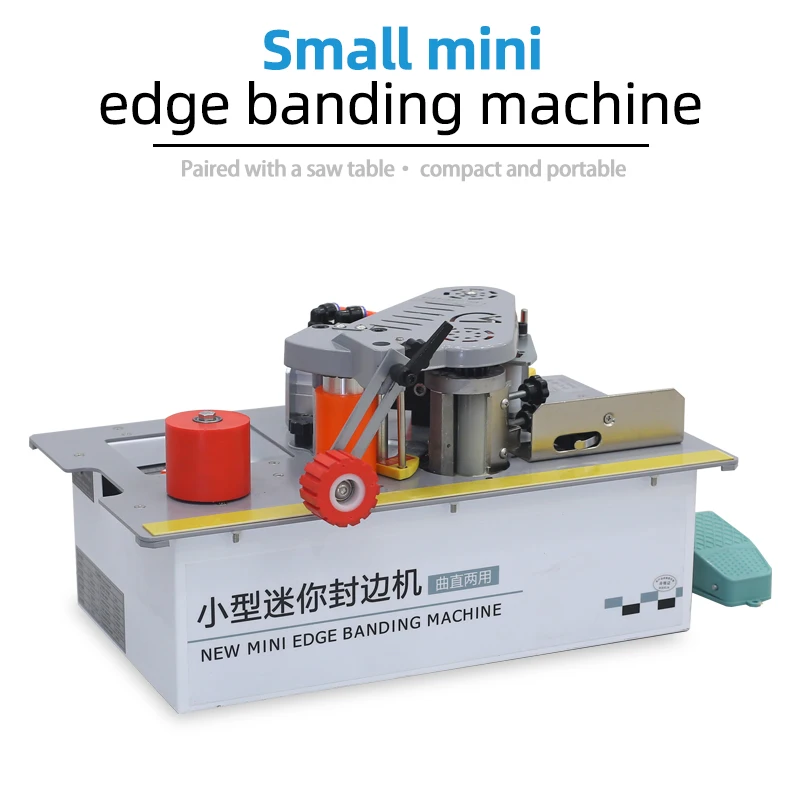
| Edge Banding Machine Power (JT160 PRO) | 1000W |
| Maximum Plank Cutting Length | 2.44 m |
| Maximum Plank Cutting Thickness | 4 cm |
| Cutting Angle | 45° / 90° (no-adjustment aluminum alloy flip plate) |
| Track Configuration | Double track, 8 cm width × 100 cm length |
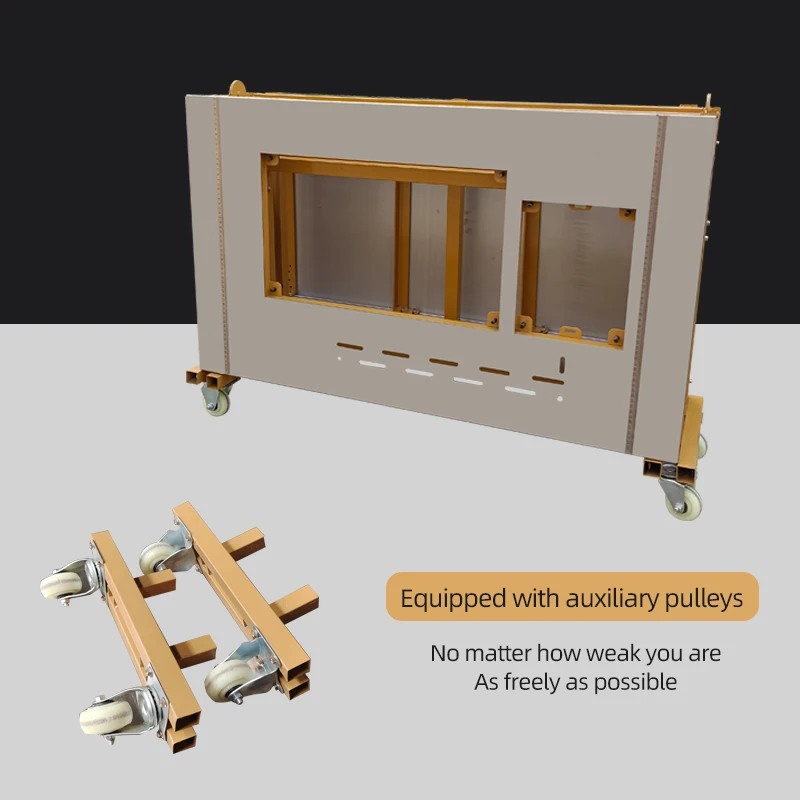
| Folded Dimensions (Saw Table) | 100 × 72 × 30 cm |
| Expanded Dimensions (Saw Table) | 250 × 205 × 75 cm |
| Male and Female Saw Dimensions | 50 × 30 × 38 cm |
| Edge Banding Height Range (JT160 PRO) | 0–50 mm |
| Edge Banding Thickness Range (JT160 PRO) | 0.3–3 mm |
| Minimum Sheet Length / Width (JT160 PRO) | 25 cm / 5 cm |
| Glue Pot Capacity (JT160 PRO) | 1000 ml |
| Air Source Pressure (JT160 PRO) | 0.5–0.8 MPa |
| Voltage Options | 220V / 380V / customizable |
| Control Panel Language | Chinese and English standard; other languages customizable |
| Plug Options | EU, USA, AU, UK |
| Product Weight | 55 kg + 22 kg (JT160); 55 kg + 22 kg + 15 kg (JT160 PRO) |
| Dust Extraction | Integrated vacuum cleaner with dust protection cover |
| Certifications | CE, ISO 9001 |
Application Suitability
| Application | Material or Output |
|---|---|
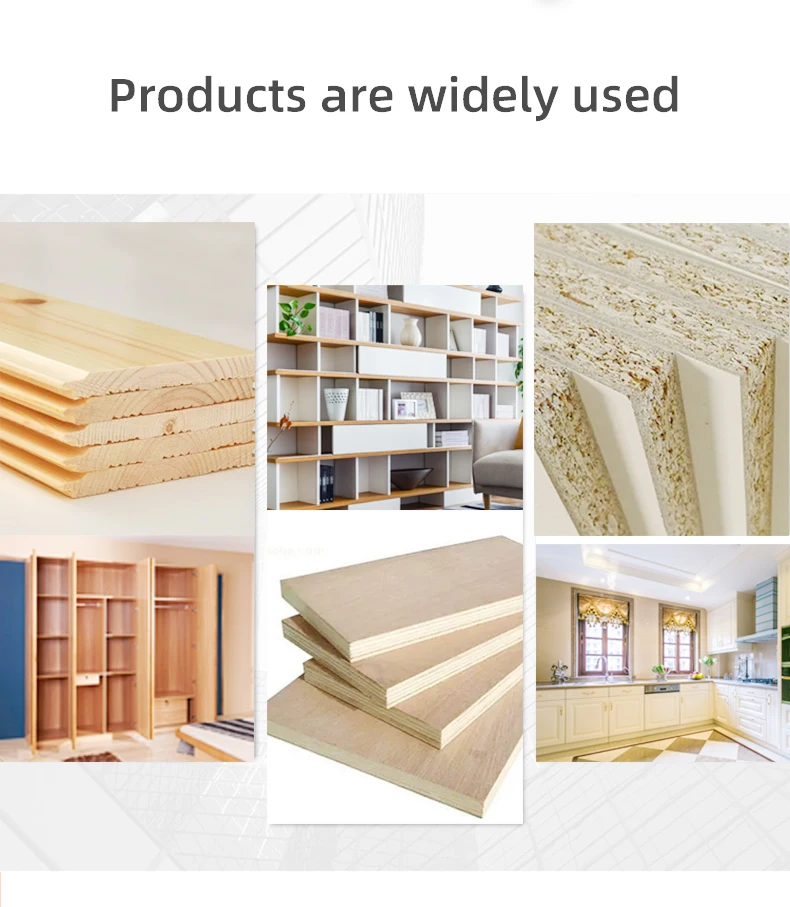
| Custom furniture panel cutting | MDF, particleboard, plywood up to 4 cm thickness |
| On-site joinery and fit-out work | Solid wood panels and engineered boards at remote locations |
| Small workshop cabinet production | Laminated and veneered panels requiring clean edge cuts |
| Combined cutting and edging workflow (JT160 PRO) | PVC and wood veneer edge banding on pre-cut panel components |
| Prototype and sample fabrication | Short-run panel processing with rapid setup and teardown |
Why Voltage Confirmation Must Happen Before You Compare Portable Folding Panel Saw Options
Ordering a machine without locking in your local voltage and frequency is the fastest way to receive equipment you cannot plug in.
I once worked with a buyer who sourced a panel saw from a supplier that quoted quickly but never asked about the workshop’s electrical supply. The machine arrived configured for 380V three-phase, while the site only had 220V single-phase available. The buyer spent weeks arranging a transformer, delaying production and eroding the margin they thought they had secured. A portable folding panel saw manufacturer that asks the voltage question early is signalling a configuration process built around your actual site conditions, not a warehouse shipping default stock [NEED_CITE: voltage and frequency standards by export market].
From Single Saw to Matched Cutting Line
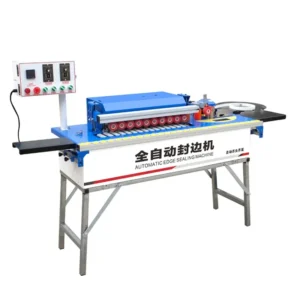
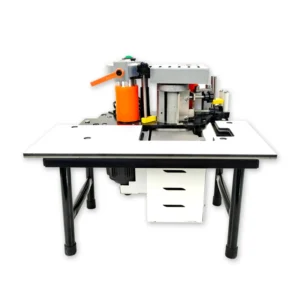
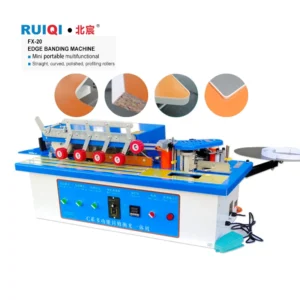
The JT160 range addresses a pattern where workshops buy a saw from one supplier and an edge bander from another, only to discover mismatched feed heights or incompatible throughput. The JT160 PRO variant pairs the portable folding panel saw with a matched edge banding station in a single configuration, keeping panel handling consistent between the two processes. This matters most in small workshops where floor space limits the distance between stations and every extra handling step introduces edge damage risk.
Scaling Without Changing Your Supplier Base
A joinery startup may begin with the base JT160 for panel sizing and add edge banding capability later as cabinet orders grow. Because the JT160 PRO uses the same saw platform, operators already trained on cutting angles, track alignment, and dust extraction do not need to relearn a different machine family. The full catalogue extends beyond this model into sliding table saws, multi-boring machines, and complete line solutions, so a workshop can scale equipment investment without fragmenting its supplier relationships [NEED_CITE: CE machinery directive requirements for industrial equipment].
What the Numbers Mean on the Workshop Floor
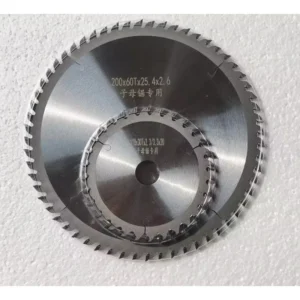
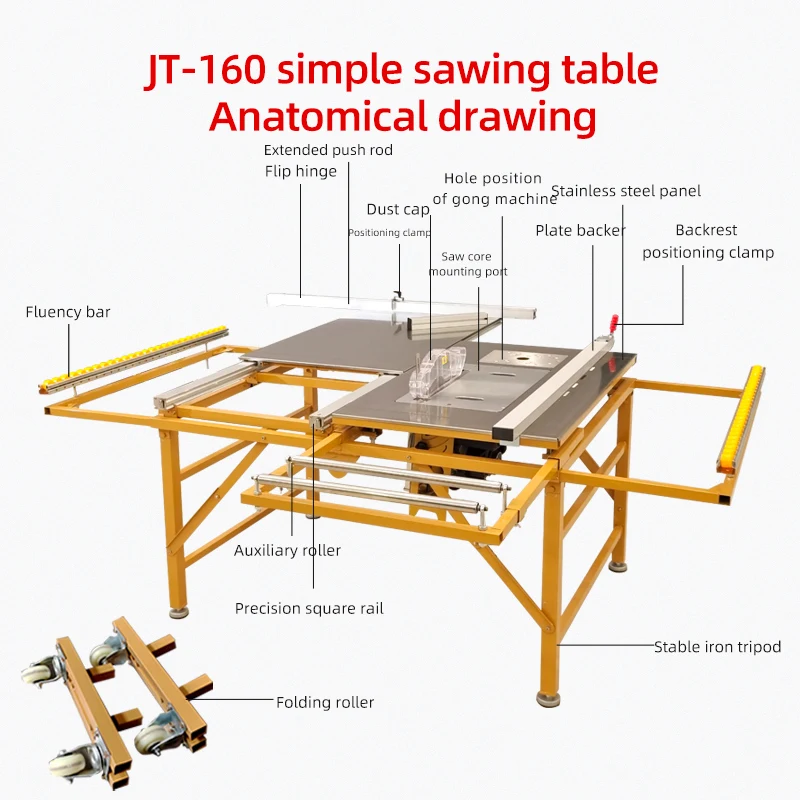
The main saw runs at 3800 r/min with a 20 cm blade, while the sub saw spins at 13000 r/min. This two-blade arrangement scores the panel underside before the main blade cuts through, reducing tear-out on laminated and veneered surfaces — particularly important when cutting melamine-faced particleboard where bottom-side chipping ruins the finished edge. The 4 cm maximum cutting thickness covers standard furniture panel stocks including double-stacked 18 mm boards. The double-track system at 8 cm width provides lateral rigidity across the full 2.44 m cutting length, preventing the deflection that causes drift on longer rip cuts. The aluminum alloy flip plate locks at 45° and 90° without manual calibration, removing a common source of angle error when operators switch between bevel and square cuts throughout a production day.
The Real Cost of Skipping Configuration Details
When a portable folding panel saw arrives without confirmed plug type or control panel language, the delays compound. An operator who cannot read the interface hesitates on every setting change, slowing output and increasing the chance of incorrect feed parameters on unfamiliar materials. A machine delivered with the wrong plug requires an electrician visit before it can power on, turning a scheduled installation day into idle time. These are not catastrophic failures — they are preventable friction points that erode the value of an otherwise capable machine [NEED_CITE: common commissioning delays in imported woodworking equipment].
Why Source This Machine Through Ruiqi Wood
The JT160 sits within a complete machine range that covers every stage from panel sizing through edge banding and boring, so a workshop can specify equipment from one manufacturing source. In-house production with patented cutting mechanisms means tolerance claims are backed by verifiable factory test records rather than catalogue promises. Voltage customization from 220V to 380V and multilingual control panels are confirmed during the quotation stage, not discovered as surprises at delivery. The four-stage quality control process covers incoming material inspection through pre-shipment verification, with documentation provided before the crate leaves the factory floor.
Documentation & Verification
- Electrical schematic confirming your specified voltage and plug configuration
- Factory test record showing cutting accuracy on your stated panel material and thickness
- Operation manual translated into your agreed language before shipment
- Spare parts list with part numbers matching your exact JT160 variant
- CE declaration of conformity and ISO 9001 certificate for import clearance
- Packing photographs documenting machine condition prior to crating
Installation, Commissioning & Support
- Expanded table footprint of 250 × 205 cm requires clear floor area with level concrete surface
- 220V or 380V supply must be confirmed before production to match motor winding configuration
- Folding design allows transport through standard doorways and setup in constrained on-site locations
- First-run parameter setting covers blade speed selection based on your panel density and thickness
- Dust extraction system requires periodic filter inspection to maintain suction across the 1200W vacuum unit
- Edge banding station on JT160 PRO needs compressed air supply at 0.5–0.8 MPa for pneumatic functions
What We Need to Configure Your Machine
To recommend the right JT160 variant, share the panel materials you cut most often along with their typical thickness range and the maximum sheet dimensions you handle. Confirm your workshop voltage, frequency, and preferred plug type so the electrical system matches your site on arrival. Let us know whether edge banding is part of your current workflow or a planned addition, as this determines whether the base model or PRO variant fits your investment timeline.
Frequently Asked Questions
Q: What voltage and plug configurations are available, and how is this confirmed before production?
A: The JT160 supports 220V and 380V with customizable options. Plug types include EU, USA, AU, and UK standards. Your voltage and frequency are confirmed during the quotation stage, and an electrical schematic is provided before production begins so you can verify compatibility with your workshop supply.
Q: How does the JT160 compare to the JT160 PRO — which variant matches my workload?
A: The base JT160 handles panel cutting with integrated dust extraction. The PRO variant adds a matched edge banding station for shops needing both processes in one footprint. If your current orders include edged panels or you expect that demand soon, the PRO consolidates two machines into one supplier relationship.
Q: Can I add edge banding later, or should I invest in the PRO variant from the start?
A: The base JT160 and PRO share the same saw platform, so adding a separate edge bander later is possible. However, the PRO variant integrates both stations with matched feed heights and shared setup familiarity, reducing the handling steps between cutting and edging that can introduce edge damage in a small workshop.
Q: What does the full machine range look like if I plan to scale to a complete production line?
A: Beyond the JT160, the range includes sliding table saws, multi-boring machines, full-function edge banders, and auxiliary equipment. This allows a workshop to phase investment across cutting, edging, and boring stations while keeping all equipment from one manufacturing source with consistent documentation and support standards.