Description
Voltage & Language Customization as Standard — Every JT650Pro radial arm saw table ships with electrical schematics confirmed against your local grid and operator manuals in your chosen language before production starts.
Technical Specifications
| Parameter | Value |
|---|---|
| Model | JT650 / JT650 PRO |
| Product Type | Radial Arm Saw Table / Woodworking Sliding Table Saw |
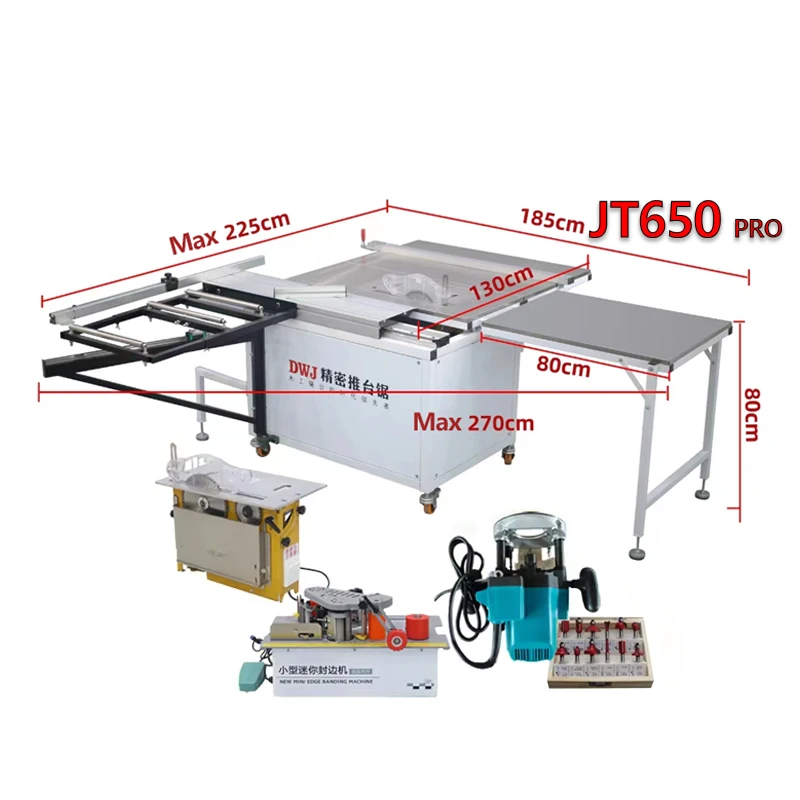
| Total System Power | 6200 W (dual saw + vacuum); PRO adds 1000 W banding station |
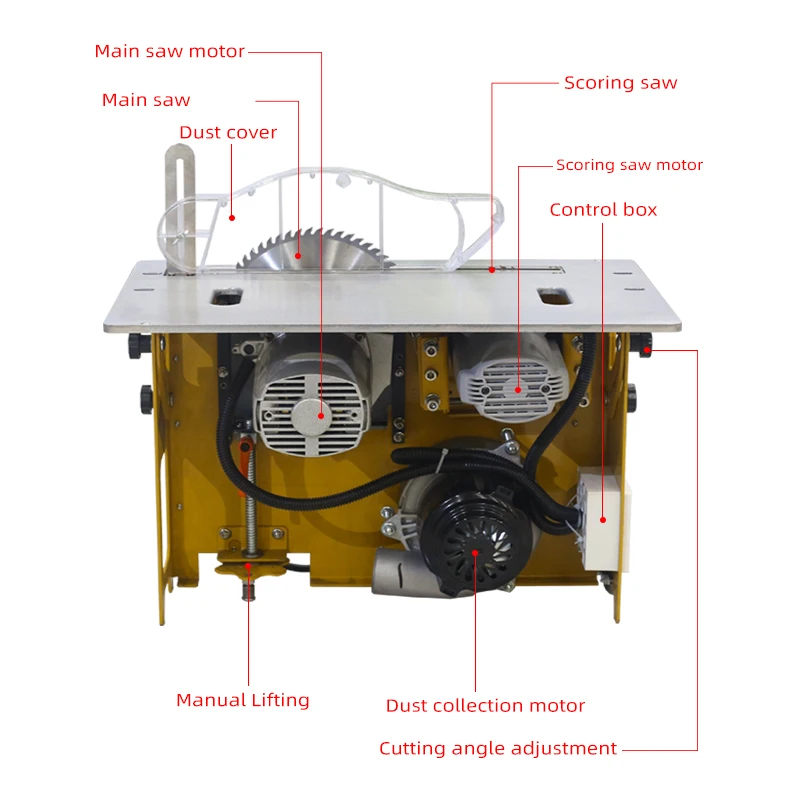
| Main Saw Motor | 3000 W, 3800 r/min |
| Sub Saw (Scoring) Motor | 2000 W, 13000 r/min |
| Vacuum Extraction Motor | 1200 W |
| Available Voltage | 220 V / 380 V / custom configuration |
| Max. Panel Cutting Length | 2.44 m |
| Max. Panel Cutting Thickness | 40 mm |
| Main Saw Blade Diameter | 200 mm |
| Sliding Table Track | 320 mm wide × 1200 mm single track |
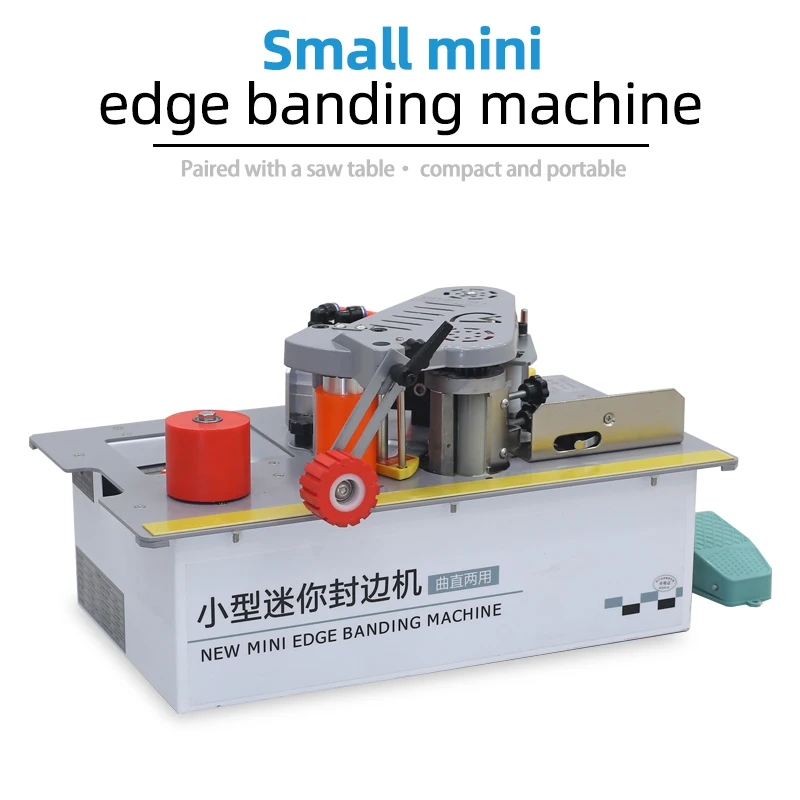
| Edge Banding Range (PRO) | 0.3–3 mm thickness, 0–50 mm height |
| Min. Sheet Dimensions (PRO) | 250 mm length × 50 mm width |
| Air Pressure Requirement (PRO) | 0.5–0.8 MPa |
| Glue Pot Capacity (PRO) | 1000 ml |
| Blade Tilt Display | Analog dial with electric lifting mechanism |
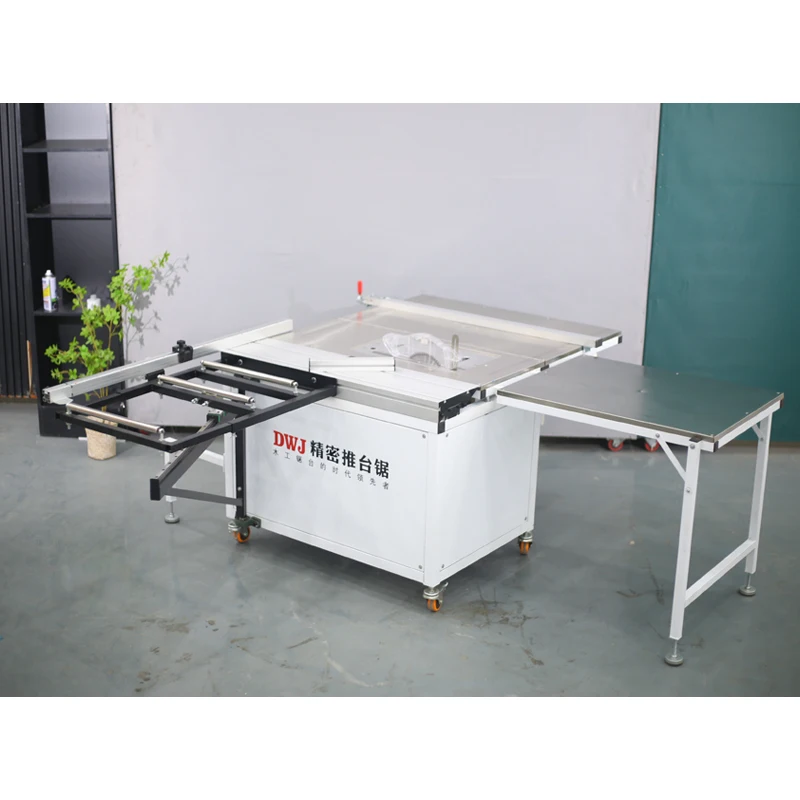
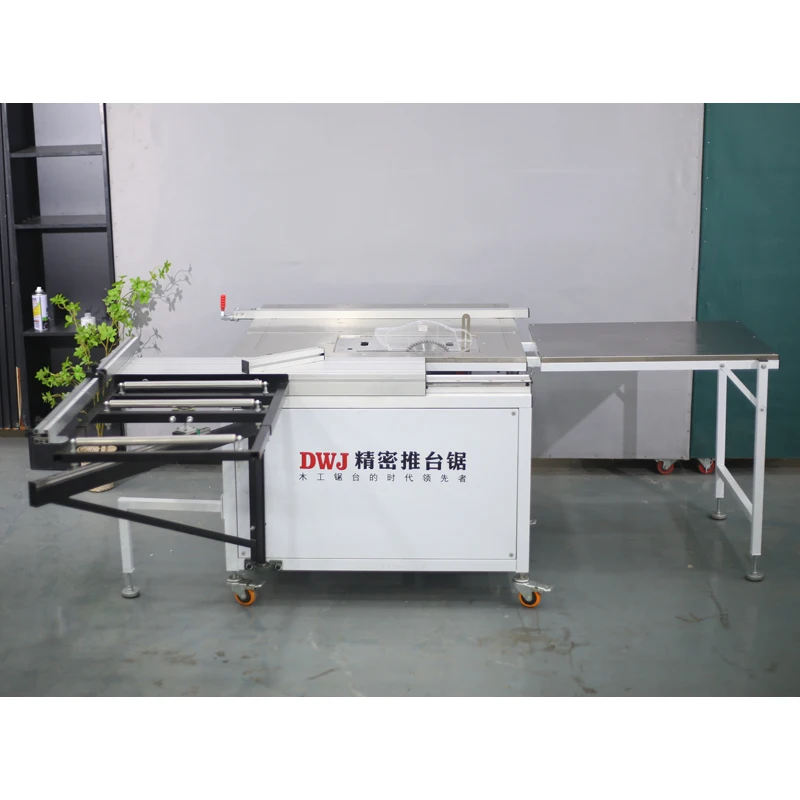
| Structural Design | Foldable duralumin frame, ultra-hard processed steel guide rail |
| Control Language | Chinese / English standard; other languages on request |
| Plug Standards | EU / USA / AU / UK |
| Assembly Format | Skid-mounted with foldable portable frame |
Application Suitability
| Application | Material or Output |
|---|---|
| Panel sizing for custom furniture | Density board, particleboard, plywood |
| Cabinet component cutting | MDF and melamine-faced chipboard |
| On-site joinery and fit-out | Solid wood panels and timber framing stock |
| Decorative panel fabrication | ABS, PVC, and organic glass sheets |
| Small-batch panel finishing (PRO) | Edge banded boards 0.3–3 mm PVC or veneer |
Why the Voltage Question Should Come Before the Radial Saw Table for Sale Search
Confirming your workshop voltage and frequency before selecting any radial saw table eliminates the most common commissioning delay in cross-border equipment purchases.
I learned this the hard way early in my career. A sliding table saw was shipped to a Middle East furniture factory without verifying the local three-phase supply. When the machine arrived, it would not power on. The customer waited over twenty days for a transformer and rewiring before the first cut was made. That delay was entirely avoidable [NEED_CITE: voltage and frequency standards by export market]. Sourcing a Radial Arm Saw Table for sale without locking down whether your facility runs on 220 V single-phase or 380 V three-phase is the fastest way to stall a production line before it even starts. The JT650Pro is configurable across voltage options, and the electrical schematic is confirmed line-by-line before the machine enters assembly.
Mapping the Saw Table Family Across Production Stages
Choosing a radial saw table is rarely about one machine in isolation. Buyers surveying the ruiqiwood.com catalogue need to understand where a portable unit like the JT650Pro sits relative to heavier fixed-base sliding table saws and fully automated panel sizing stations. For a workshop producing below a certain daily volume, a foldable radial arm saw table covers the cutting stage without consuming the floor space or capital of an industrial panel saw line.
Where the JT650 PRO Fits in a Phased Equipment Plan
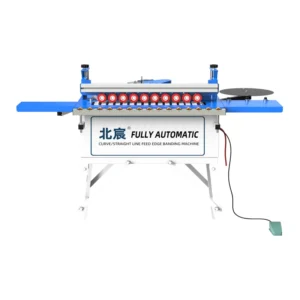
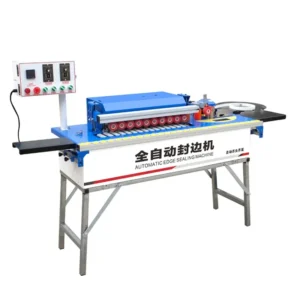
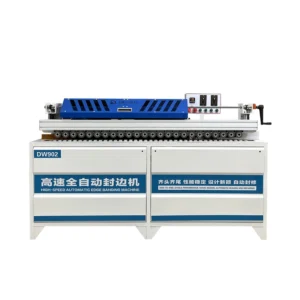
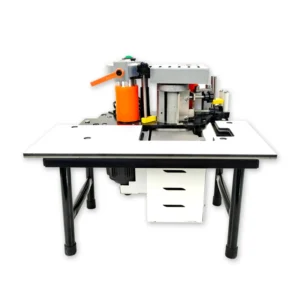
The PRO variant adds an integrated edge banding station to the saw table footprint, letting a small furniture operation complete two critical processes — panel sizing and edge finishing — within a single machine envelope. This matters for cabinet makers planning a phased rollout: start with cutting accuracy, add banding capability, and later expand into dedicated multi-station lines without replacing the original radial saw table [NEED_CITE: phased equipment investment in panel furniture workshops].
Reading the Specs That Actually Affect Cut Quality
The dual-saw configuration pairs a 3800 r/min main blade with a 13000 r/min scoring sub-saw. The scoring blade pre-cuts the bottom laminate layer before the main blade passes through, which is what prevents chip-out on melamine and veneered particleboard — a defect that forces rework downstream. The ultra-hard processed steel guide rail maintains alignment across the 1200 mm sliding track; any deviation here transfers directly into assembly gaps when cabinet carcases are joined. For edge banding on the PRO model, the 1000 ml glue pot capacity is sized for intermittent small-batch work rather than continuous production runs, and the 0.5–0.8 MPa air pressure requirement means a dedicated compressor line is necessary. Panel thickness up to 40 mm covers standard furniture board stock, but cutting solid hardwood at that full depth requires reducing feed rate to protect blade life and surface finish.
The Hidden Cost of Specifying a Saw Table in Isolation
Buying a single radial arm saw table without checking how its output feeds into the next station is a recurring problem. If the saw table’s maximum cut length is 2.44 m but your downstream edge bander accepts panels up to 2.8 m, you have a bottleneck that no amount of operator skill can fix. Similarly, if the dust extraction port on the saw table does not match your workshop’s central vacuum diameter, fine MDF dust accumulates on the guide rail and degrades cutting accuracy within weeks [NEED_CITE: dust extraction compatibility in woodworking machinery installations]. These incompatibilities only surface after the machine is bolted to the floor.
Why Sourcing This Radial Saw Table Here Makes Sense
The JT650Pro is built on a production line that holds ISO 9001 certification, meaning incoming materials, in-process assemblies, and finished units each pass through defined inspection gates. Voltage confirmation happens at the quotation stage, not after the crate is sealed — the electrical schematic is reviewed with you before assembly begins. The four-stage quality check includes a pre-shipment test run on your specified panel material, so cutting accuracy is verified against your actual stock thickness rather than a generic test piece. Language customization on the control panel means your operator reads the blade tilt dial and lifting controls in their working language from day one.
Documentation & Verification
- CE declaration of conformity specific to the JT650 series configuration you order
- Machine specification sheet confirming your chosen voltage, plug type, and track dimensions
- Electrical schematic reviewed and signed off before the machine enters assembly
- Factory test record run on your specified panel material and thickness range
- Operation manual in your agreed language with illustrated spare parts list
- Packing photographs showing skid mounting and protective crating before dispatch
Installation, Commissioning & Support
- Foldable frame requires a level concrete floor; no dedicated foundation pit is needed for the JT650Pro
- Confirm dedicated circuit capacity for the 6200 W total draw before the machine arrives
- Skid-mounted delivery means the unit is uncrated and positioned with standard workshop lifting equipment
- First power-on includes verifying blade alignment, scoring depth, and electric lift function against spec sheet
- PRO model air line must be plumbed at 0.5–0.8 MPa with a regulator and moisture trap upstream
- Guide rail and sliding table surfaces require weekly cleaning to sustain cutting tolerance over time
What to Include When You Request a Quotation
When you reach out about the JT650Pro or any radial saw table in the catalogue, share your primary panel material and standard sheet dimensions so the cutting capacity can be matched precisely. Confirm your workshop voltage, phase, and frequency — this single step avoids the most expensive delays we see in international orders. If you are planning a phased equipment rollout, let us know which downstream machines you already operate so the saw table’s output format aligns with your existing workflow.
Frequently Asked Questions
Q: What does the JT650 PRO add compared to the standard JT650?
A: The PRO integrates an edge banding station handling 0.3–3 mm thickness and up to 50 mm board height, with its own 1000 W motor and 1000 ml glue pot. This lets a small workshop complete panel sizing and edge finishing on one footprint without purchasing a separate bander, reducing both floor space and material handling between stations.
Q: How does the JT650Pro fit within the broader saw table catalogue?
A: The JT650Pro occupies the portable, foldable segment of the range, suited for workshops needing flexibility or on-site deployment. Heavier fixed-base sliding table saws sit above it for higher continuous throughput. This lets buyers select based on current volume and plan upgrades within the same supplier ecosystem.
Q: Which voltage and plug options are available for export?
A: The JT650Pro is configurable for 220 V or 380 V systems and ships with EU, USA, AU, or UK plug standards. Custom voltage and frequency configurations are available. The electrical schematic is confirmed with the buyer before assembly to match the destination facility’s exact supply.
Q: What materials can the dual-saw system cut cleanly?
A: The 13000 r/min scoring blade paired with the 3800 r/min main saw handles melamine-faced chipboard, MDF, plywood, PVC panels, and solid wood up to 40 mm thick. The scoring cut prevents bottom-surface chip-out on laminated panels, which is critical for visible cabinet components where edge quality affects final appearance.
Q: Does the foldable frame compromise long-term cutting precision?
A: The foldable design uses an ultra-hard processed steel guide rail and duralumin sliding table, the same precision components found in fixed-base models. The frame locks rigidly during operation. However, for continuous high-volume production, a dedicated fixed-base saw table is typically recommended for sustained tolerance under constant daily use.