
Description
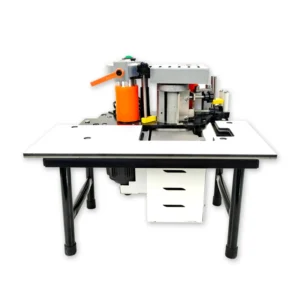
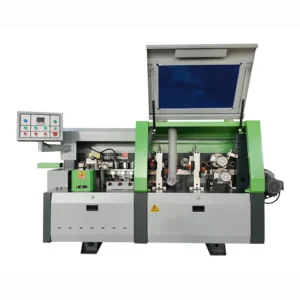
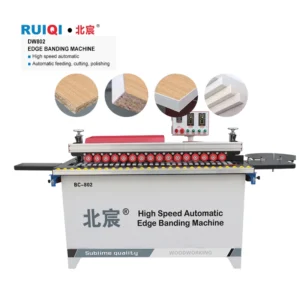
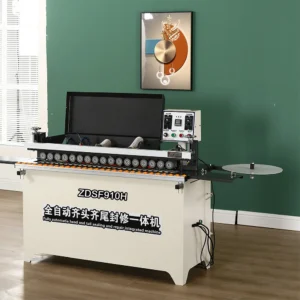
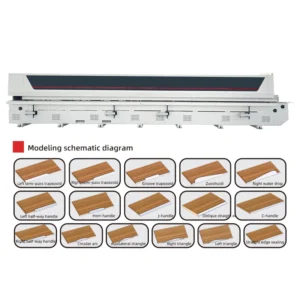
Full Machine Range Coverage — From a 14kg portable unit to full automatic lines, every edge banding tier is built in-house with verified tolerances and configurable plug standards for direct workshop deployment.
Technical Specifications
| Parameter | Value |
|---|---|
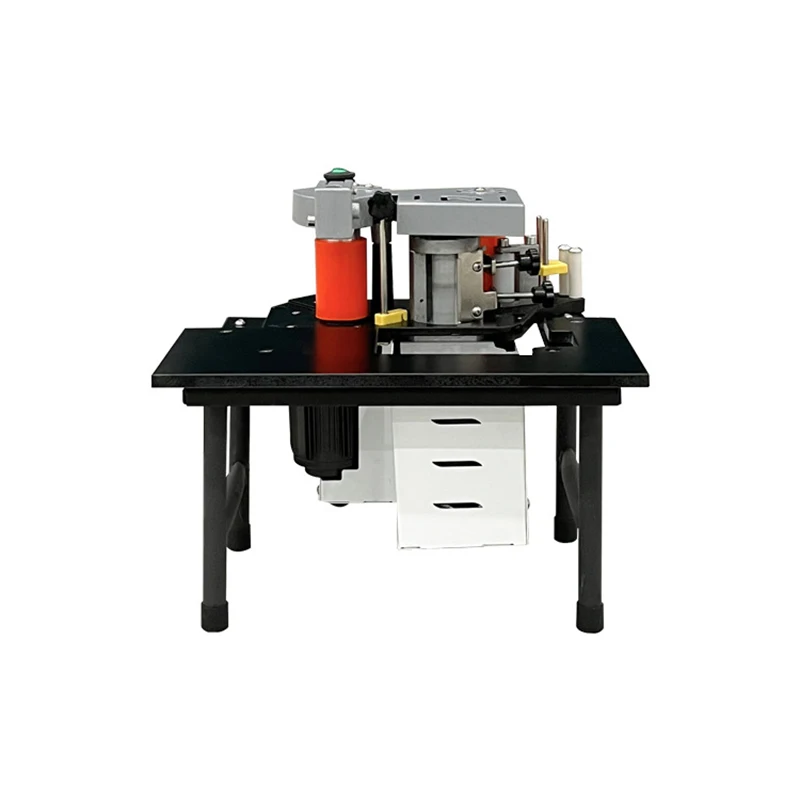
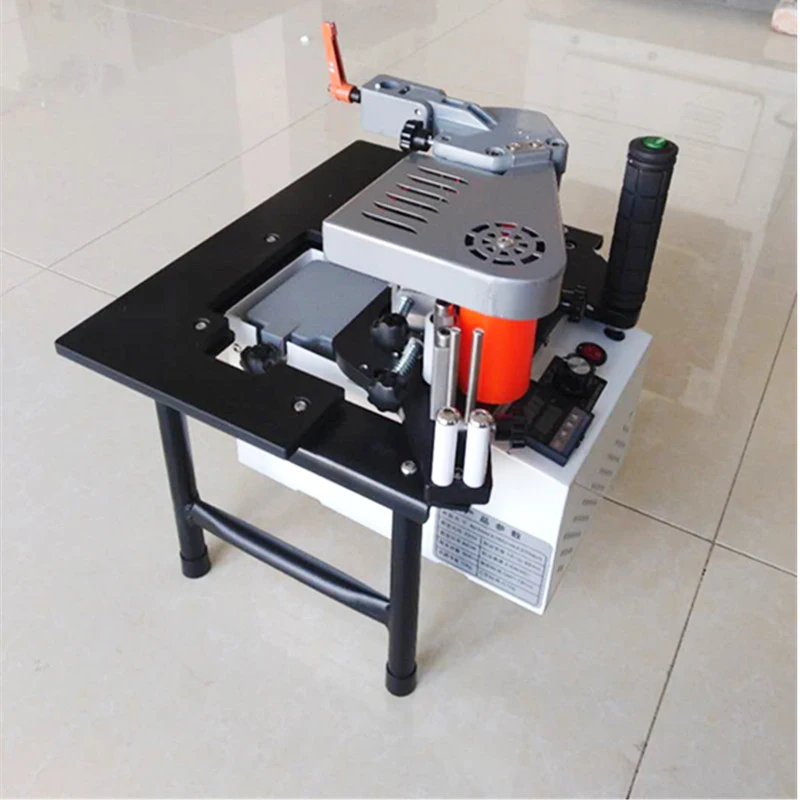
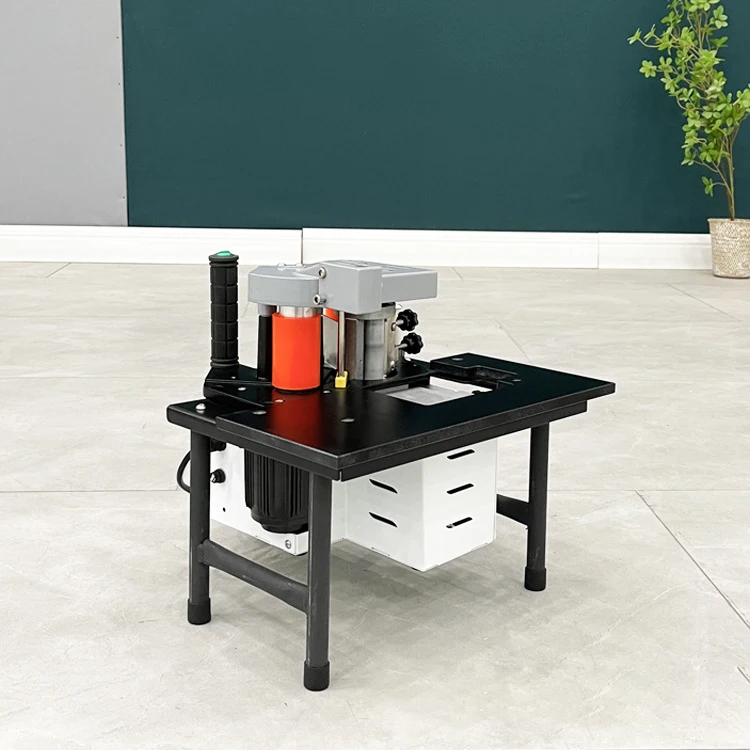
| Product Type | Portable Edge Banding Machine |
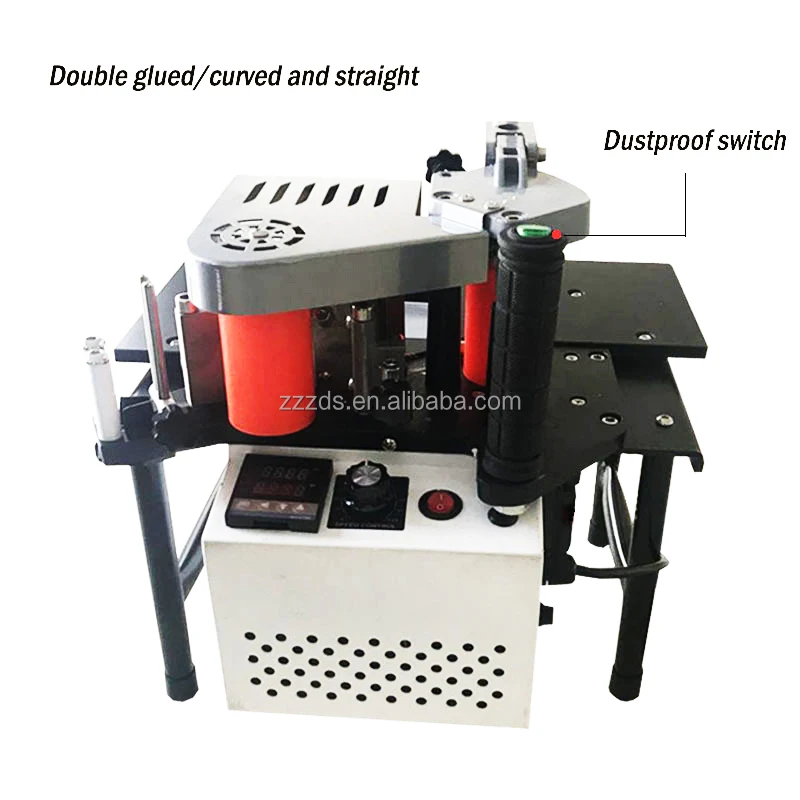
| Shape of Edge-banding Plates | Curved, Straight and Special-shaped Sheet |
| Edge Thickness Range | 0.3–3 mm |
| Edge Sealing Speed | 0–6 m/min |
| Feed Speed | 0–6 m/min |
| Panel Thickness Range (Edge Sealing Height) | 7–60 mm |
| Gluing Method | Double-sided Gluing |
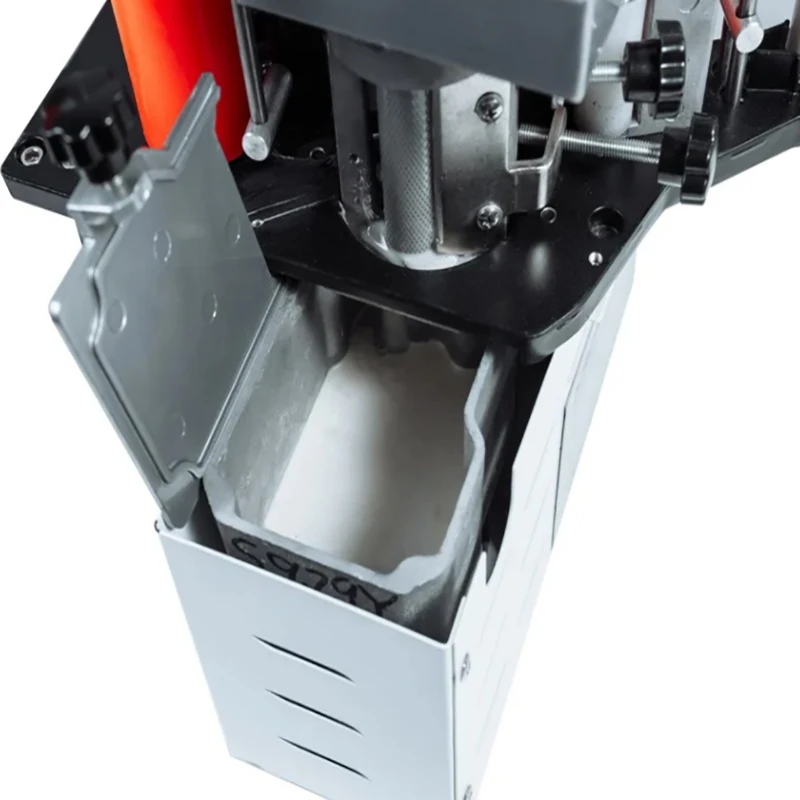
| Glue Pot Volume | 1000 ml |
| Machine Weight | 14 kg |
| Overall Dimensions | 440 × 410 × 450 mm (source value — verify against manufacturer catalog) |
| Plug Options | EU / AU / UK / USA / CN |
| Logo Customization | Available |
| Voltage & Frequency | Basis not stated in source — confirm local requirement |
| Rated Power | Basis not stated in source — confirm motor rating |
| Control System | Basis not stated in source — confirm control type |
| Tolerance | Basis not stated in source — confirm edge banding tolerance |
| Trimming Stations | Basis not stated in source — confirm if included |
Application Suitability
| Application | Material or Output |
|---|---|
| Small joinery workshop edge finishing | MDF, plywood and particleboard panels with PVC or veneer banding |
| Custom cabinet maker on-site installation | Curved and straight furniture components requiring portable rework |
| Secondary backup for furniture factory lines | Melamine and veneer edge banding on panels 7–60 mm thick |
| Repair and rework of existing furniture | Special-shaped sheets and curved edges up to 3 mm banding thickness |
Why Voltage Confirmation Must Happen Before the Portable Edge Banding Machine for sale Ships
Matching the plug and frequency to your workshop’s actual supply prevents a machine from arriving as dead weight.
I once supported a small cabinet shop in Colombo that ordered a compact edge bander online without anyone asking about their single-phase supply. The unit arrived with a three-phase industrial plug, and by the time an adapter was rigged together, the motor had already overheated on its first curved panel run. The glue pot never reached a stable temperature, leaving visible seams on every MDF edge. These failures are entirely avoidable when the electrical specification is locked down at the inquiry stage rather than discovered on the loading dock [NEED_CITE: voltage and frequency standards by export market].
How the Portable Range Fits Into a Growing Workshop
The full catalogue on this site spans entry-level portable units through to multi-station automatic edge banders. A small joinery shop moving away from hand-applied banding typically starts with a portable edge banding machine for sale to prove the process before committing floor space to a conveyor-fed line. This 14 kg unit covers curved, straight and special-shaped edges, meaning one machine handles the geometry variety that a startup workshop encounters daily. As throughput grows, the same product family scales upward without forcing a supplier change.
Material Behaviour Across the 0.3–3 mm Banding Range
Thin PVC at 0.3 mm demands a different glue pot temperature and feed pressure than 3 mm solid wood veneer. Double-sided gluing on this portable unit applies adhesive to both the panel edge and the banding strip, which matters when bonding to porous substrates like raw particleboard where single-sided application leaves dry spots. Workshop managers testing new laminate suppliers often find that adhesion failures trace back to insufficient glue transfer rather than the banding material itself [NEED_CITE: edge banding adhesion standards for wood-based panels].
Reading the Specs That Actually Determine Edge Quality
Panel thickness range of 7–60 mm defines which stock this machine can physically accept — feeding a 65 mm solid wood slab will jam the guide rail and damage the glue roller. The 0–6 m/min feed speed is variable, letting operators slow down on tight curves where the banding must conform to a small radius without lifting. Edge thickness capacity from 0.3 to 3 mm covers the standard PVC and melamine strips used in cabinet production, though real wood veneer at the upper limit requires careful temperature management to prevent blistering. Glue pot volume of 1000 ml supports continuous runs on small batches before requiring a refill, which is adequate for job-shop workflows but not for high-volume repetitive production.
The Hidden Cost of Skipping the Sample Test
Buyers who skip a factory test on their actual panel material often discover adhesion problems only after the machine is installed and production deadlines are pressing. Particleboard with high recycled content absorbs glue differently than virgin MDF, and a portable unit set to a generic temperature profile will leave visible glue lines on absorbent substrates. The rework cost — stripping banding, re-sanding edges, re-gluing — typically exceeds the time and shipping expense of sending sample panels for a pre-order test run [NEED_CITE: substrate variability in edge banding adhesion].
Why Sourcing the Full Range From One Manufacturer Matters
In-house manufacturing across the entire edge bander family means the portable unit shares design lineage with the automatic models, so operating logic carries over when a workshop scales up. Voltage customization from 110V to 440V is handled at the factory rather than through third-party transformers that introduce points of failure. Four-stage quality control with pre-shipment verification catches assembly faults before the crate leaves Shandong, not after it arrives at your dock. Multilingual control documentation ensures the operator can read the maintenance schedule without relying on a translator. OEM logo and specification tailoring are available for distributors building their own branded inventory.
Documentation & Verification
- CE declaration of conformity covering portable edge banding machinery safety requirements
- Machine specification sheet confirming edge thickness, feed speed and glue pot parameters
- Electrical schematic with voltage and plug type matching your confirmed local standard
- Factory test record using your supplied panel samples at specified thickness and banding material
- Operation and maintenance manual in your agreed language covering daily and weekly service intervals
- Spare parts list identifying wear components for the glue roller, guide rail and trimming mechanism
Installation, Commissioning & Support
- Place the 440 × 410 × 450 mm unit on a stable workbench rated for at least 20 kg to prevent vibration during curved edge runs
- Confirm the dedicated circuit matches the ordered plug type and voltage before first power-on
- Load the 1000 ml glue pot with the correct adhesive type for your banding material and allow full warm-up before feeding panels
- Run a test piece at minimum feed speed to verify double-sided glue coverage across your specific panel thickness
- Clean the glue roller and pot after each session to prevent cured adhesive buildup that affects next-day startup quality
- Replace wear parts on the guide rail and pressure roller according to the maintenance manual schedule
What to Include in Your Inquiry
Send the specific panel materials and thickness range you work with most often, the edge banding type and thickness you intend to apply, and your workshop’s confirmed voltage and frequency. If you are evaluating this portable unit as a step toward a larger automatic line, mention your current daily panel volume and floor space so the configuration recommendation can account for future scaling. Request a sample processing test on your own stock before finalizing the order.
Frequently Asked Questions
Q: What panel materials and edge banding types does this portable machine handle?
A: The machine processes MDF, plywood and particleboard panels from 7 to 60 mm thick, applying PVC, melamine and veneer edge banding from 0.3 to 3 mm. Double-sided gluing improves adhesion on porous substrates like particleboard where single-sided glue transfer often leaves visible seams on finished edges.
Q: How do I confirm the correct voltage and plug type before ordering?
A: Specify your workshop’s supply voltage, phase and frequency at inquiry stage. The machine is available with EU, AU, UK, USA and CN plug options, and voltage customization from 110V to 440V is configured at the factory so the unit arrives ready to connect without external transformers or adapters.
Q: How does this portable model relate to the full automatic edge bander range?
A: This portable unit sits at the entry point of the same product family that extends through semi-automatic and full-function pre-milling edge banders. Workshops can start with the portable machine for low-volume and on-site work, then scale to conveyor-fed models from the same manufacturer without changing suppliers or relearning operating procedures.
Q: Can I test edge banding on my own panel samples before ordering?
A: Yes. Send your panel offcuts with the specific substrate and edge banding material you plan to use. A factory test record is generated showing glue coverage, edge adhesion and finish quality on your exact material combination, letting you verify results before committing to a purchase order.
Q: What documentation ships with the machine?
A: Each shipment includes the CE declaration of conformity, a machine specification sheet confirming all parameters, an electrical schematic matching your ordered voltage, a factory test record, a spare parts list and an operation manual in your chosen language covering maintenance schedules and troubleshooting procedures.