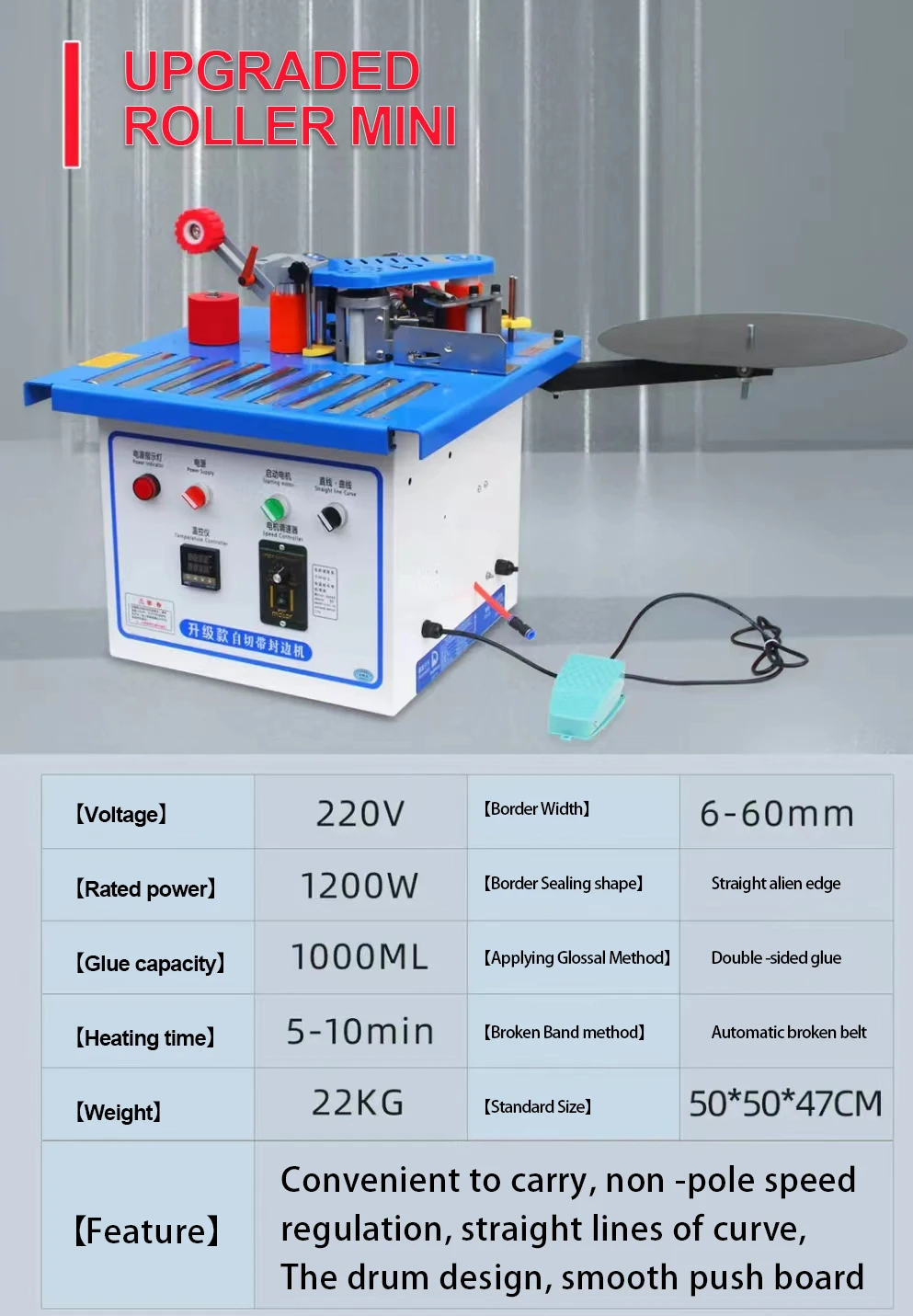
Description
Voltage customization confirmed before dispatch — ST-70 portable edge bander ships with verified 220V/380V or site-specific electrical configuration backed by pre-shipment test records.
Technical Specifications
| Parameter | Value |
|---|---|
| Model | ST-70 |
| Product Type | Portable Edge Bander |
| Total Power | 1000W |
| Voltage & Frequency | 220V / 380V / customization |
| Edge Banding Height | 0–50 mm |
| Edge Banding Thickness | 0.3–3 mm |
| Edge Power | 20W |
| Glue Pot Capacity | 1000 ml |
| Minimum Sheet Length | 25 cm |
| Minimum Sheet Width | 3 cm |
| Air Source Pressure | 0.5–0.8 MPa |
| Overall Dimensions (L×W×H) | 50 × 50 × 47 cm |
| Net Weight | 23 kg |
| Key Features | Curved and straight edge banding |
Application Suitability
| Application | Material or Output |
|---|---|
| Small custom cabinet production | MDF and particleboard panels with PVC or melamine edge banding |
| On-site furniture installation and repair | Plywood and ecological board requiring portable curved or straight sealing |
| Home decoration workshop output | Solid wood board and blockboard with veneer banding up to 3 mm |
| Joinery prototyping and short runs | Mixed panel substrates in low-volume batch work |
Why the Voltage Question Must Come Before the Quote
A 220V single-phase portable edge bander plugged into a 380V three-phase supply will fail before the first panel is edged.
I have seen workshops receive edge sealers wired for a grid that does not match their facility. The motor hums, the glue pot never reaches temperature, and the banding lifts off the substrate within minutes. With a portable edge banding machine manufacturer that confirms voltage and frequency before production starts, this class of failure is avoidable. The ST-70 supports configuration from standard single-phase through to site-specific industrial supplies, and every unit leaves the factory with a documented voltage confirmation sheet [NEED_CITE: voltage and frequency standards by export market].
Compact Footprint for Workshops With Limited Floor Space
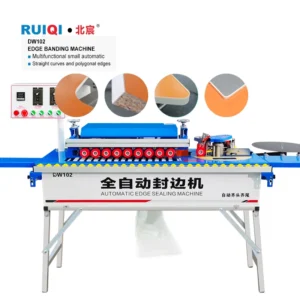
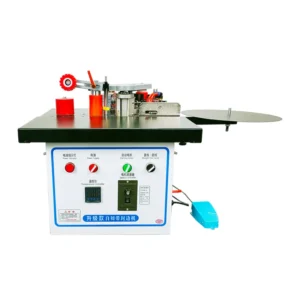
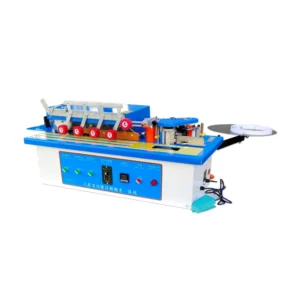
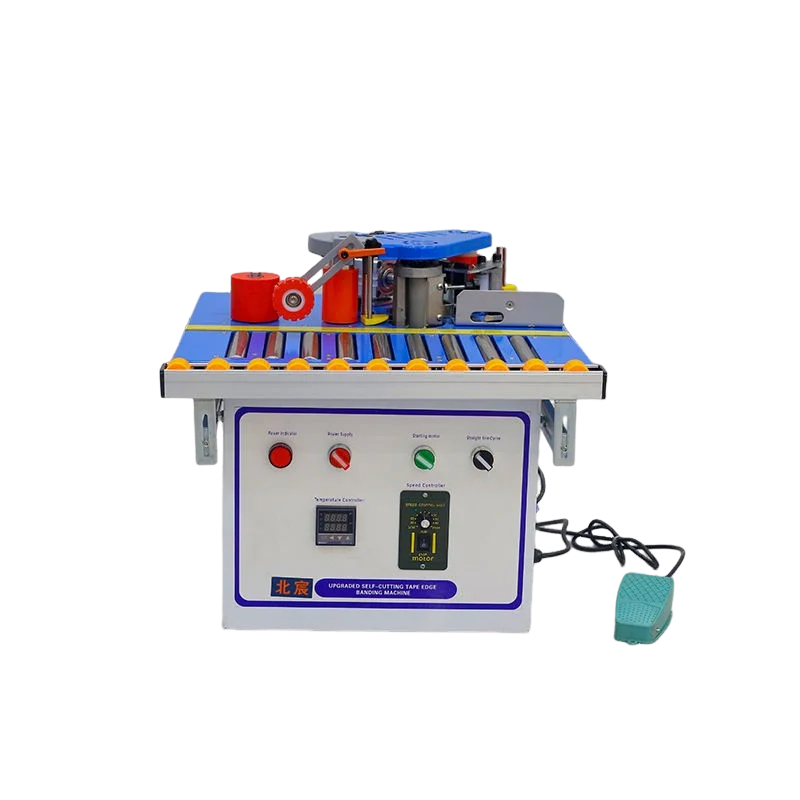
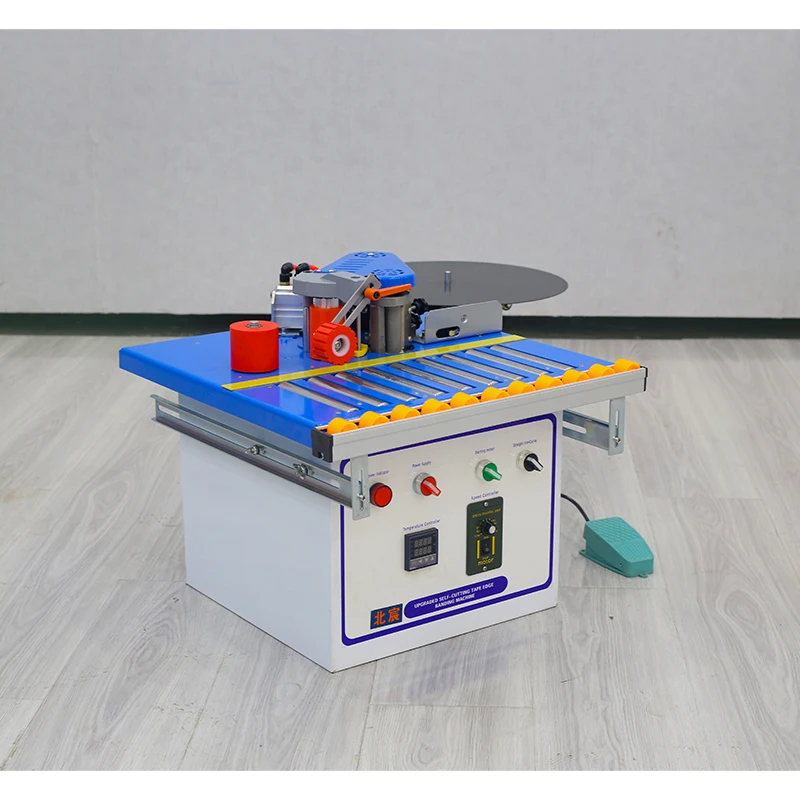
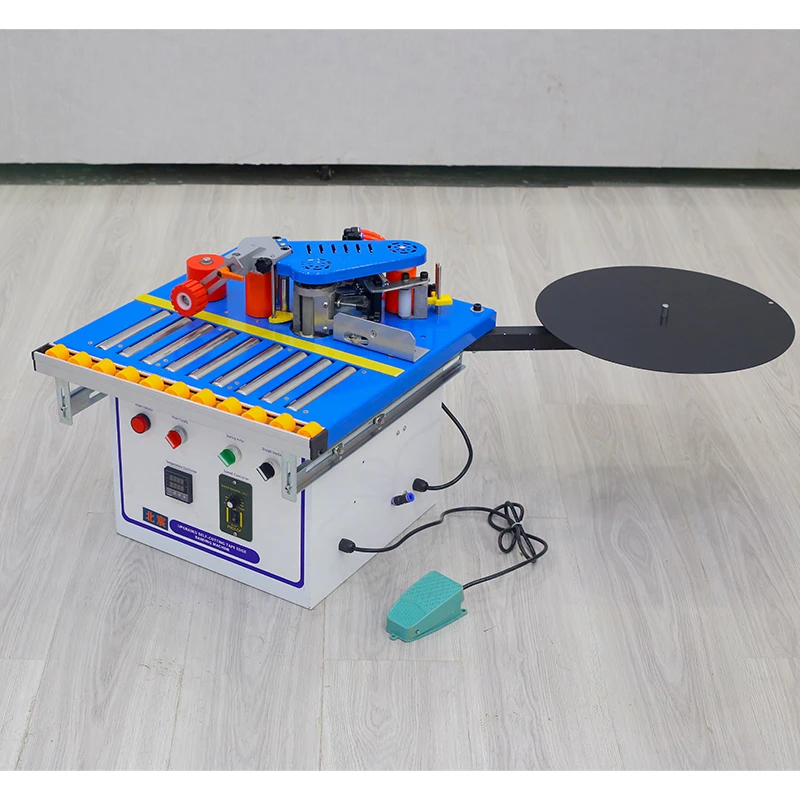
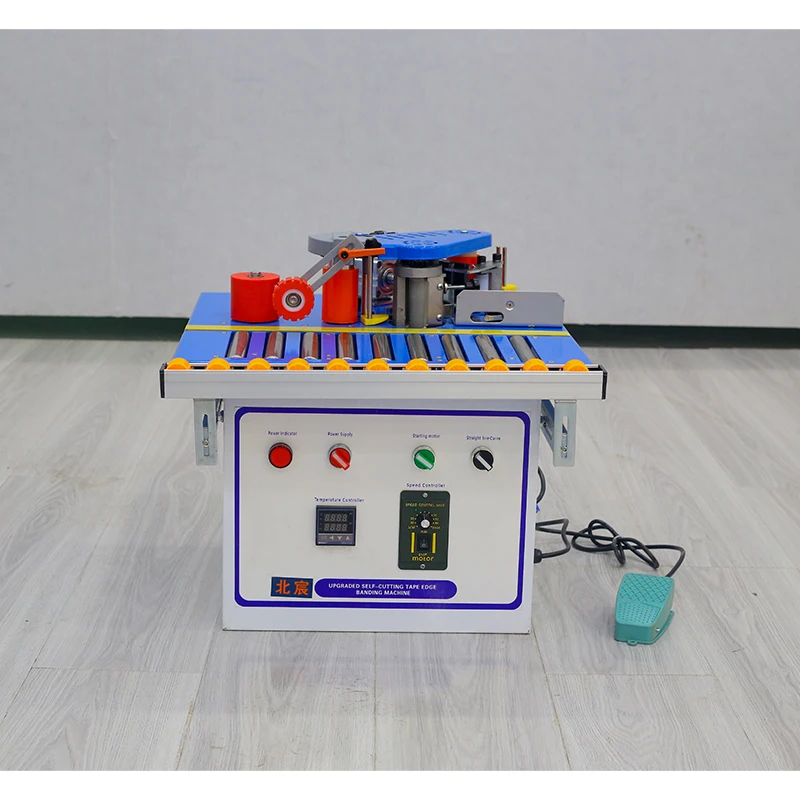
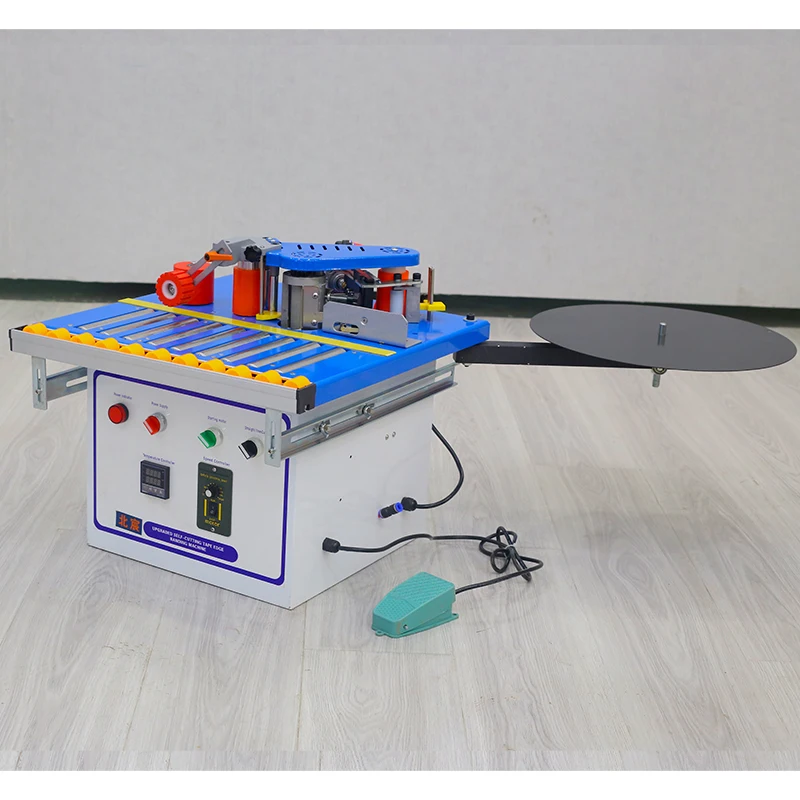
At 50 × 50 × 47 cm and 23 kg net weight, the ST-70 fits on a standard workbench beside a sliding table saw or panel cutter. Small joinery shops often lack the conveyor clearance a full automatic line demands. This portable edge banding machine manufacturer designs the ST-70 to serve as either a standalone unit in a micro workshop or a supplementary sealer for repair work alongside a larger machine, giving buyers one supplier relationship across both tiers.
Dual Curved and Straight Edge Sealing in a Single Pass Setup
Many entry-level portable banders handle only straight edges, forcing operators to hand-trim curved contours on shaped cabinet doors or radius shelving. The ST-70 manages both geometries within its 0–50 mm banding height range. This matters when a small furniture maker takes on a commission involving arched panels or rounded drawer fronts and cannot justify a second dedicated machine for occasional curved work [NEED_CITE: edge banding geometry requirements in custom joinery].
How Core Parameters Shape Real Workshop Output
The 0.3–3 mm banding thickness range covers thin PVC and melamine strips through to thicker veneer and solid wood lipping, which determines what panel finishes the ST-70 can handle without a separate trimming station. The 1000 ml glue pot capacity supports sustained small-batch runs before reloading, reducing interruptions during a morning’s cabinet carcass production. The 0.5–0.8 MPa air pressure requirement means a standard workshop compressor is sufficient — no dedicated high-pressure line is needed. Edge power at 20W drives the trimming and buffing accessories typical of this machine class. Understanding how these specifications interact helps a production manager match the ST-70 to actual daily panel volumes rather than overestimating what a portable unit can sustain across a full shift.
The Cost of Skipping Material Compatibility Checks
Selling a lightweight portable bander into a solid wood lipping application it was never designed for leads to glue starvation and visible seam lines. When operators push 3 mm veneer at feed rates beyond the glue pot’s thermal recovery, the bond fails during assembly. I have watched small shops blame the machine when the real issue was a mismatch between banding material, substrate porosity, and the unit’s thermal capacity [NEED_CITE: thermal recovery rates in portable edge banding equipment]. Confirming your typical banding type and thickness before ordering prevents this category of disappointment.
Why Procurement Starts Here
Every ST-70 carries pre-shipment test documentation run on the buyer’s specified panel thickness and banding material, not a generic factory sample. Voltage and frequency are locked in writing before the production run begins, so the machine that arrives matches the facility’s grid. The control panel language is configurable, meaning operators read instructions in a familiar script from day one. The complete catalogue on this site scales from this portable unit through to full pre-milling automatic lines, so a growing workshop expands with a single supplier [NEED_CITE: CE machinery directive requirements for industrial equipment]. Engineering configuration support is provided with a formal quotation typically within one business day of inquiry.
Documentation & Verification
- Factory test record on your specified panel thickness and banding material before dispatch
- Electrical schematic with confirmed voltage and frequency matching your facility grid
- Operation and maintenance manual in Chinese, English, or agreed language
- CE declaration of conformity for the ST-70 portable edge bander
- Spare parts list with recommended consumables for the first production year
- Packing photographs documenting condition prior to crate closure
Installation, Commissioning & Support
- Place the 50 × 50 × 47 cm unit on a level workbench rated for at least 40 kg static load
- Connect to a dedicated circuit matching the confirmed 220V or 380V supply with appropriate breaker rating
- Supply compressed air at 0.5–0.8 MPa via standard quick-connect fitting from existing workshop compressor
- First-run glue pot heat-up and temperature calibration performed against your chosen banding material
- Operator walkthrough covering curved versus straight edge setup and banding thickness adjustment
- Replacement glue pot liners and trimming blades included in initial spare parts package
What to Include in Your Inquiry
Provide the panel substrates you work with most often — MDF, particleboard, plywood, or solid wood — along with the banding material and typical thickness range. Confirm your facility voltage and phase so electrical configuration is settled before quoting. If you are evaluating the ST-70 against an automatic edge bander, describe your daily panel count so we can recommend whether this portable unit or a higher-tier model fits your volume.
Frequently Asked Questions
Q: How does the ST-70 portable unit compare to automatic edge banders in the catalogue?
A: The ST-70 handles low-volume curved and straight edge sealing for workshops producing custom pieces in small batches. Automatic models add pre-milling, multi-stage trimming, and conveyor feed for sustained production runs. This site maps every tier from portable through full-function, so your configuration matches actual throughput rather than forcing a portable unit into volumes it cannot sustain.
Q: What voltage options are confirmed before the ST-70 ships?
A: The standard range covers 220V single-phase and 380V three-phase, with customization available for markets requiring different frequency or supply standards. Voltage and frequency are documented in writing before production begins. Every unit ships with an electrical schematic and voltage confirmation sheet matching your facility specifications.
Q: Can the control interface language be set for my operators?
A: Yes. Control panel labels and the operation manual are available in Chinese, English, or a mutually agreed language confirmed at order. This eliminates commissioning delays caused by unreadable interface text and ensures your team can reference maintenance procedures without translation gaps during daily operation.
Q: Which panel materials and edge banding types work with this machine?
A: The ST-70 processes MDF, particleboard, plywood, ecological board, and solid wood panels. Compatible banding includes PVC, melamine, and veneer within the 0.3–3 mm thickness range. Curved and straight geometries are both supported. Confirming your primary substrate and banding combination before ordering ensures the glue pot and feed setup are optimized for your work.
Q: How do I arrange a sample edge banding test before ordering?
A: Send representative panel offcuts and your standard banding material to the factory, or specify the substrate for the team to source locally. The ST-70 runs a full sealing cycle on your material, and the test record with edge quality photographs ships with your quotation. Factory visits to observe the test in person are also welcomed.