
Description
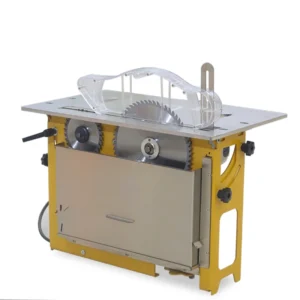
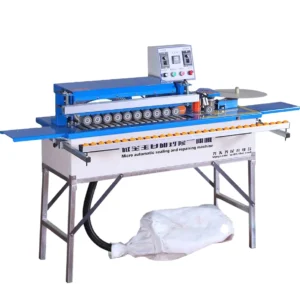
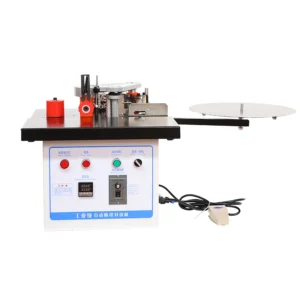
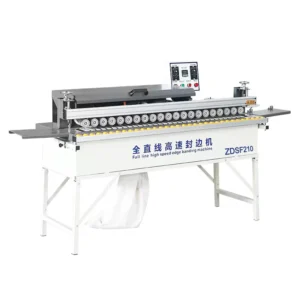
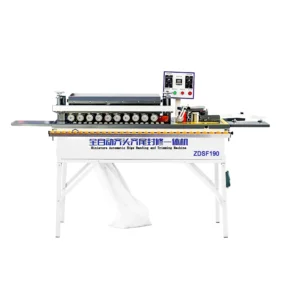
Full-Range Product Family — ZDS-468J sits at the top of a complete edge banding line that starts from compact entry-level units, allowing your workshop to scale production without switching suppliers.
Technical Specifications
| Parameter | Value |
|---|---|
| Model | ZDS-468J |
| Product Type | Automatic Edge Banding Machine |
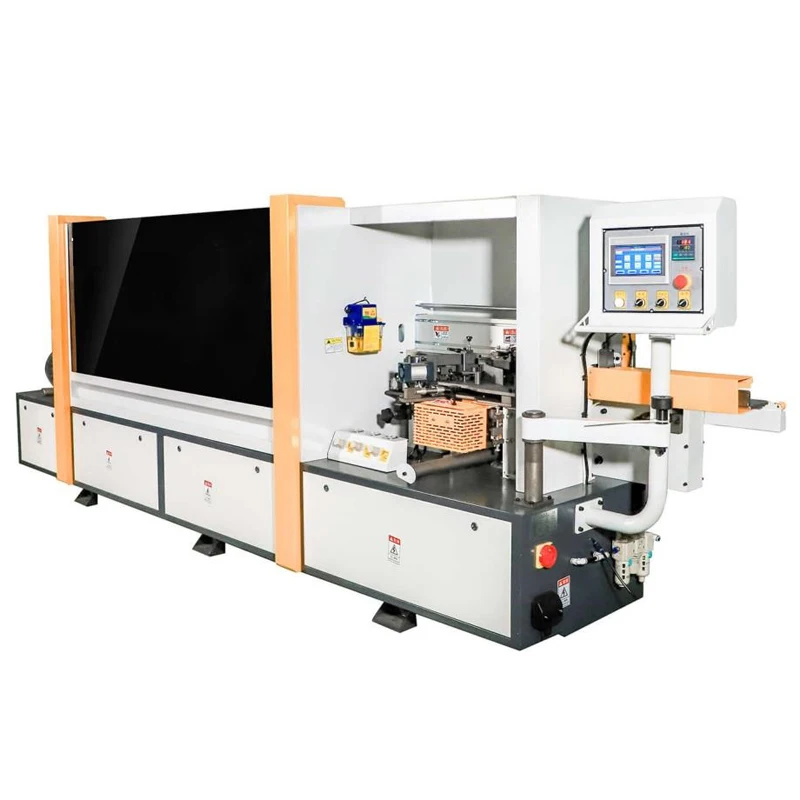
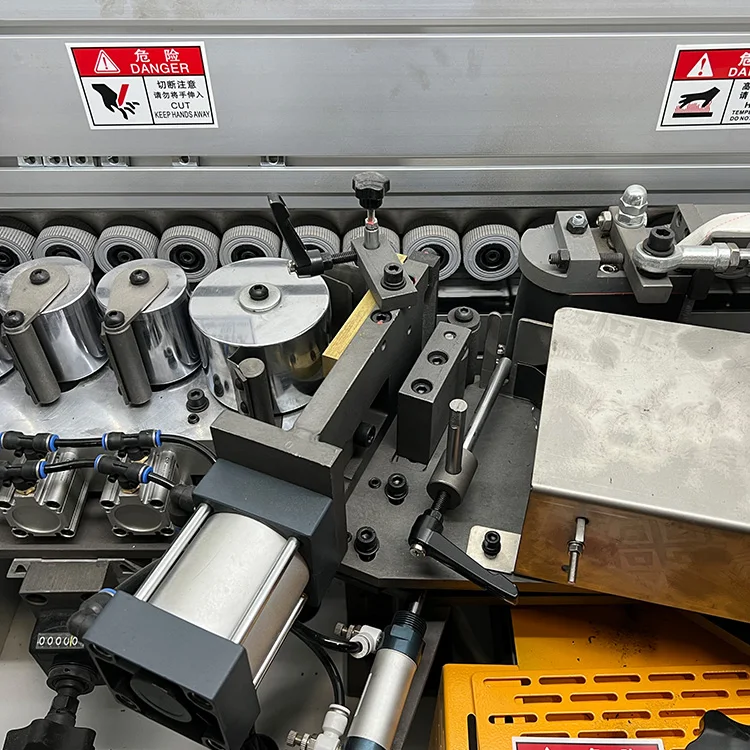
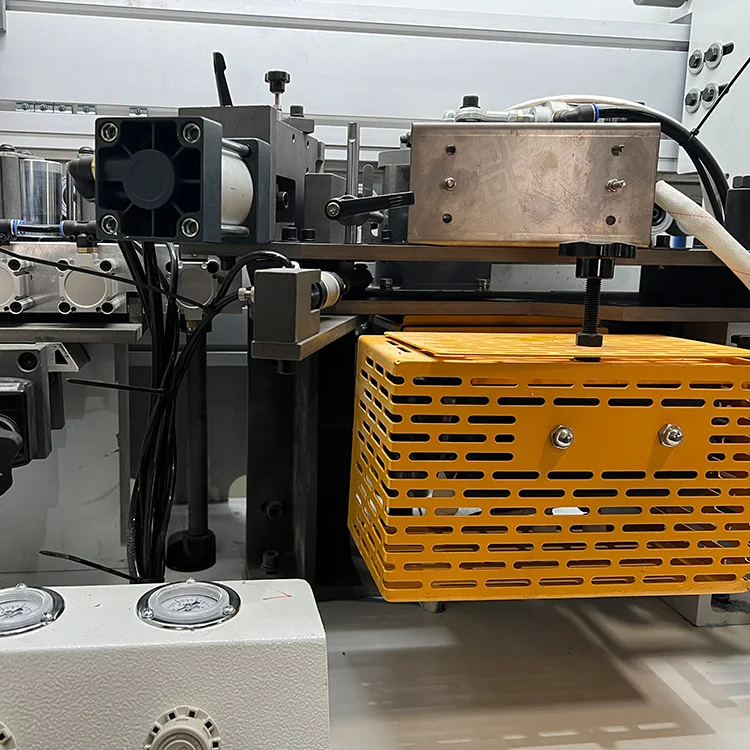
| Main Functions | Pre-milling, Gluing, End trimming, Rough trimming, Fine trimming, Corner rounding, Scraping, Buffing |
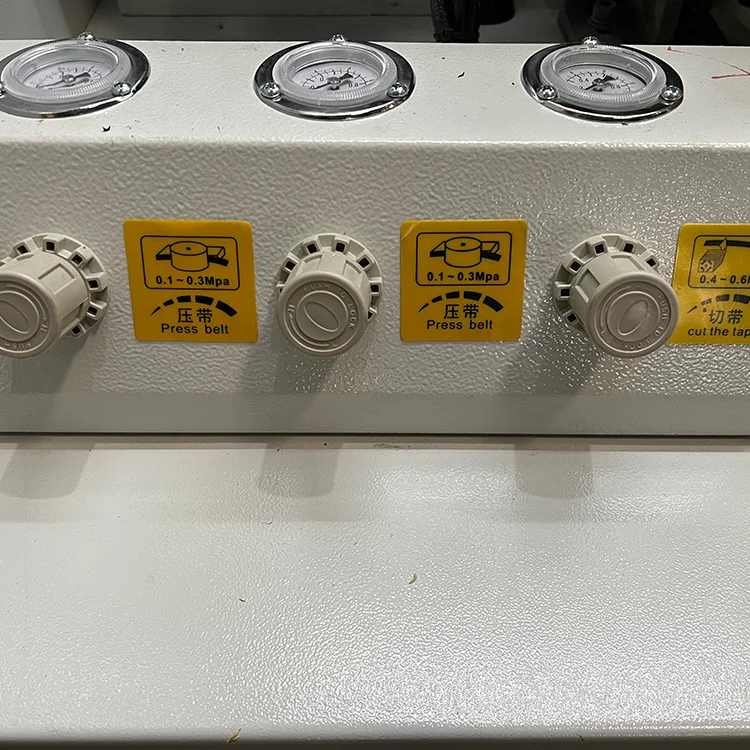
| Working Pressure | 0.6 MPa |
| Panel Thickness Range | 10–60 mm |
| Edge Band Thickness Range | 0.4–3 mm |
| Minimum Panel Size | 300×60 mm / 150×150 mm |
| Rated Power | 16 kW |
| Voltage & Frequency | 380V-3HP (source value — verify against manufacturer catalog) |
| Net Weight | 2000 kg |
| Overall Dimensions (L×W×H) | 6600×900×1600 mm |
| Trimming Stations | 6 (end, rough, fine, corner rounding, scraping, buffing) |
| Warranty | 1 year |
Application Suitability
| Application | Material or Output |
|---|---|
| Custom furniture and cabinet production | MDF, particleboard, plywood panel edge finishing |
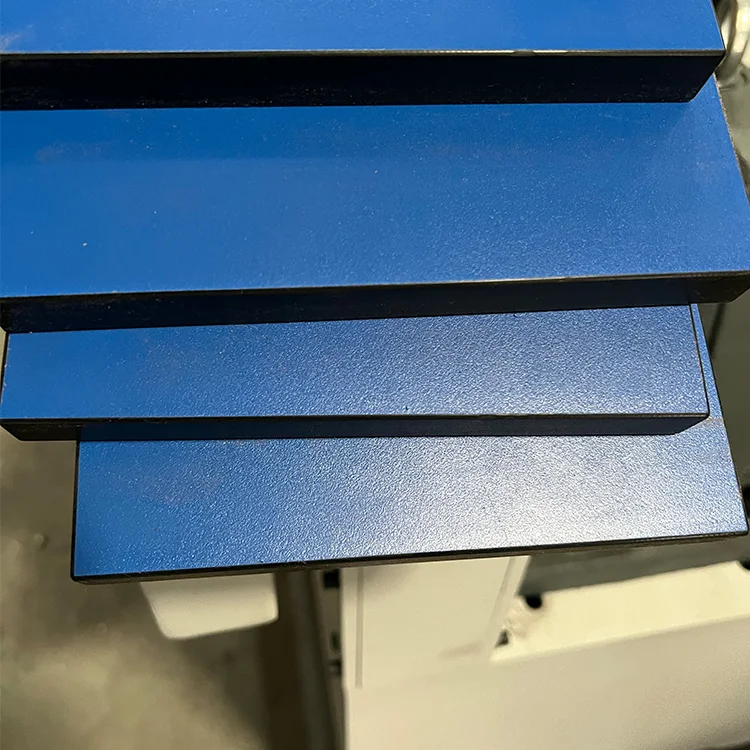
| Straight edge banding for joinery | PVC, wood veneer, and melamine edge materials (0.4–3 mm) |
| Small to mid-size workshop scaling | Full-function edge processing from pre-milling through buffing |
Why Voltage Confirmation Must Precede the Automatic Edge Banding Machine Order
Specifying local grid requirements before production prevents machines from arriving dead on the shop floor.
I have seen woodworking equipment sit idle for weeks because the frequency mismatch tripped breakers the moment the main motor engaged. Buyers often focus on feed speed and trimming stations, only to realize after delivery that the 380V configuration does not match a 440V industrial supply or a 60Hz grid [NEED_CITE: voltage and frequency standards by export market]. With this automatic edge banding machine manufacturer offering voltage customization from 110V to 440V as a standard option, the electrical schematic should be reviewed and locked in before the frame enters the welding jig.
Catalogue Positioning Across the Model Range
The ZDS-468J represents the full-function tier within this automatic edge banding machine manufacturer’s lineup. Workshops beginning with basic edge finishing can start on entry-level models and move up to this configuration as order volume and finish requirements grow, all within one product family and one supplier relationship.
Eight-Station Coverage in a Single Pass
From pre-milling through buffing, this automatic edge banding machine covers the complete edge finishing sequence without requiring secondary stations. Pre-milling squares the panel edge before gluing, removing saw marks that would otherwise telegraph through thin PVC or veneer. The corner rounding station then blends the end grain transitions that flat trimming leaves sharp, a detail that separates cabinet-grade output from basic shelving work [NEED_CITE: edge banding process stages and finish quality].
Panel Thickness, Edge Material, and the Trimming Sequence
The 10–60 mm panel thickness range covers everything from thin MDF drawer sides to thick particleboard worktops. Within this range, the six trimming stations each address a different aspect of edge finish. Rough trimming removes the bulk overhang, fine trimming brings the edge flush to within verified tolerances, and scraping eliminates the micro-ridges that trimming cutters leave on PVC surfaces. When running thin wood veneer at 0.4 mm, the glue pot temperature and feed rate require separate adjustment compared to 3 mm PVC, because veneer wrinkles under excessive heat and cracks under aggressive trimming pressure.
The Cost of Mismatched Feed Height and Throughput
Buying a single machine without considering how it connects to upstream saws and downstream boring equipment creates bottlenecks that only appear once production starts. A panel saw cutting at one rate feeds an edge bander that cannot keep up, or the edge bander finishes faster than the boring machine can process the output [NEED_CITE: production line throughput balancing in furniture workshops]. The result is work-in-progress piling up between stations and operators standing idle.
Why Source the Complete Range from One Manufacturer
In-house manufacturing with patented cutting mechanisms means tolerances are built into the machine, not adjusted after assembly. Four-stage quality control covering incoming material through pre-shipment verification ensures every unit leaves the factory with a documented test record. Voltage, control panel language, and specification adjustments are handled as standard configuration rather than special requests. An engineer reviews your factory layout and processing requirements before issuing a formal quotation, reducing the chance of receiving equipment that does not fit your production flow.
Documentation & Verification
- CE declaration of conformity issued with each ZDS-468J shipment
- Electrical schematic confirming voltage and frequency before production begins
- Factory test record showing edge finish quality on your specified panel thickness
- Operation and maintenance manual translated into the agreed operator language
- Spare parts list with part numbers matching the as-built configuration
Installation, Commissioning & Support
- Foundation must support 2000 kg static load across the 6600 mm frame length
- Dedicated circuit required for 16 kW rated power draw at confirmed voltage
- Multilingual control panel configured before dispatch to match operator language
- Pre-milling and trimming stations calibrated during on-site commissioning
- Corner rounding parameters set for your specific edge material thickness range
- Glue pot temperature profiles established for PVC, veneer, and melamine materials
What to Include in Your Configuration Inquiry
Provide the panel materials you run most often, the edge banding types and thicknesses, and your local voltage and frequency so the engineer can confirm the correct motor and transformer specification. If your workshop operates existing saws or boring machines, share their feed rates so the line throughput can be balanced from the start.
Frequently Asked Questions
Q: Where does the ZDS-468J sit within the full model range?
A: It is the full-function model covering all eight processing stages from pre-milling through buffing. Entry-level models in the same product family omit some stations for simpler applications, and workshops can move between tiers as production requirements change without switching to a different manufacturer.
Q: How is voltage confirmed before the machine enters production?
A: The buyer provides local voltage and frequency, and the manufacturer issues an electrical schematic for approval. This document is signed off before the frame enters production, ensuring the motors, transformers, and control components match the destination grid.
Q: Can I visit the factory to run a sample panel before ordering?
A: Factory visits are welcomed at the Shandong facility. Buyers can bring their own panel materials and edge banding stock to run through the complete sequence, verifying edge quality and tolerance on the actual substrates used in production.
Q: What documentation ships with the machine for customs clearance?
A: Each shipment includes the CE declaration of conformity, commercial invoice, packing list with photographs, and the bill of lading. The factory test record and electrical schematic are also included, providing customs authorities with the technical documentation required for industrial machinery import.
Q: How does this machine connect with other stations in a growing workshop?
A: The engineer reviews your existing sliding table saws and boring machines to match feed rates and panel handling heights. This prevents throughput mismatches where one station runs faster than the next, keeping material flow continuous across the production line.