Description
Verified Tolerance Claims — the ZDS-280’s ±0.02mm cutting accuracy is validated through four-stage QC with pre-shipment test records, not just printed on a spec sheet.
Technical Specifications
| Parameter | Value |
|---|---|
| Model | ZDS-280 |
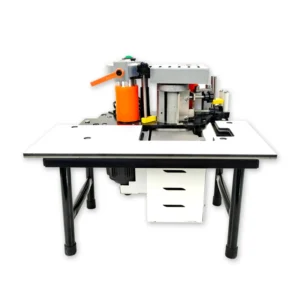
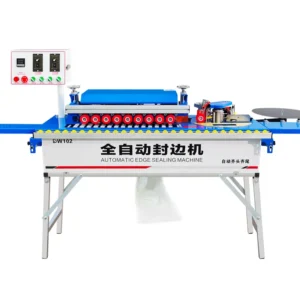
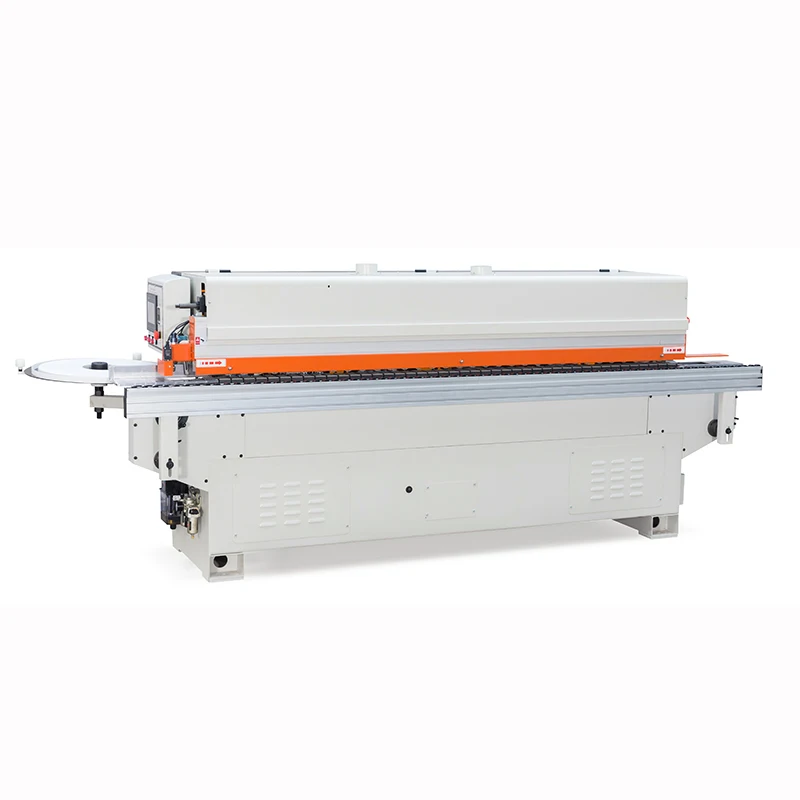
| Product Type | Automatic Straight Edge Banding Machine |
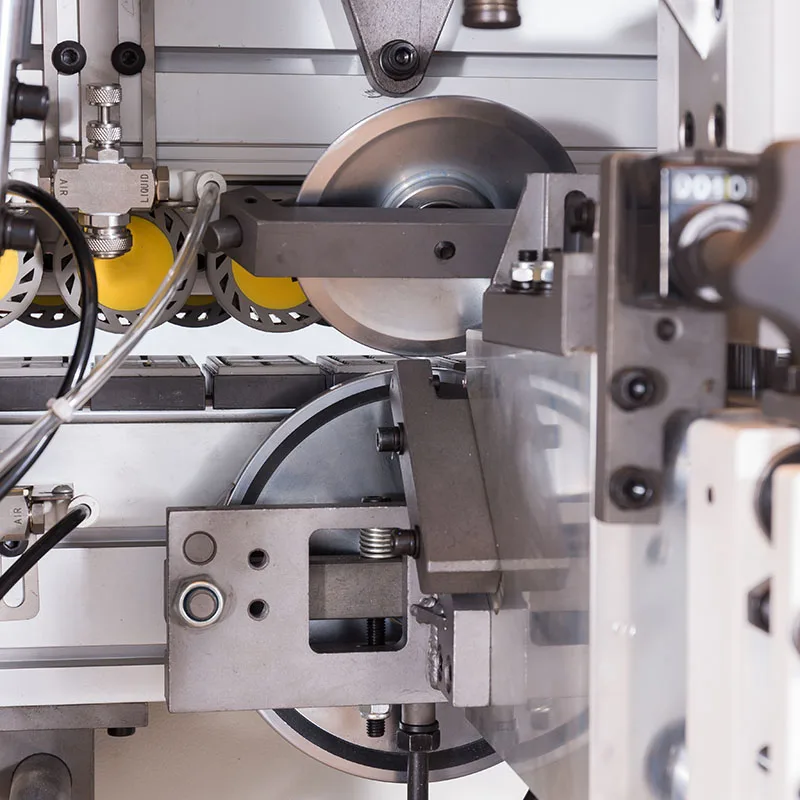
| Main Functions | Gluing, End Trimming, Fine Trimming, Scraping, Cleaning, Buffing |
| Conveyor Belt Speed (Feed Speed) | 9–12 m/min |
| Panel Thickness Range | 10–60 mm |
| Edge Thickness Range | 0.3–3 mm |
| Min. Panel Width | 60 mm |
| Min. Panel Length | 120 mm |
| Rated Power | 9 kW |
| Buffing Motor Power | 0.37 kW × 2 |
| Working Pressure | 0.65 MPa |
| Voltage | 380V-3HP |
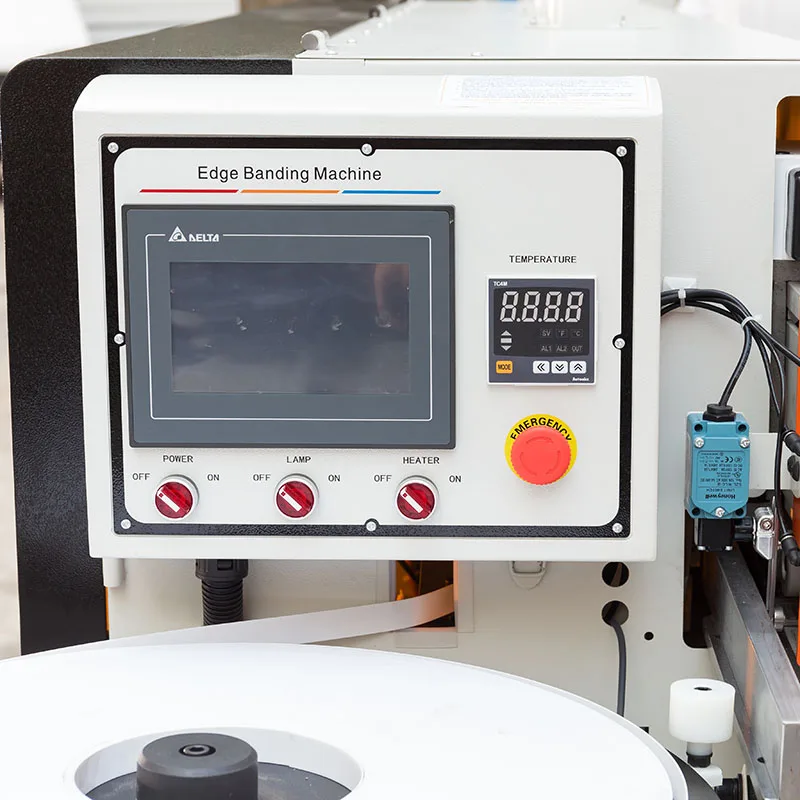
| Control System | PLC + Touch Screen + Frequency Converter (Taiwan Delta) |
| Electrical Contactors | Schneider Electric |
| High-Speed Motor | UFC brand |
| Glue Pot | Teflon spraying process with scientific glue return design |
| Pressing Unit | Pneumatic double-wheel adjustable stroke |
| Net Weight | 860 kg |
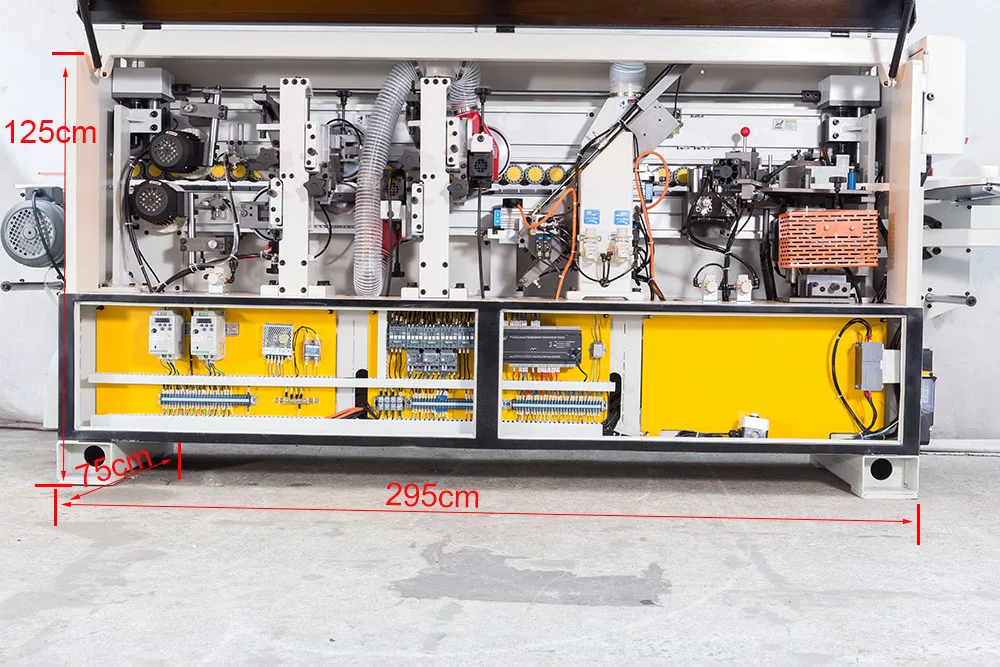
| Overall Dimensions (L×W×H) | 3000 × 750 × 1270 mm |
| Standards | CE, ISO 9001 |
Application Suitability
| Application | Material or Output |
|---|---|
| Custom cabinet door production | MDF and particleboard with PVC edge banding |
| Wardrobe and shelving panel finishing | Plywood and melamine-faced board |
| Small-batch joinery and bespoke furniture | Solid wood panels with veneer edge banding |
| Panel processing plants running mixed schedules | Substrate changeovers between MDF, particleboard, and plywood |
Why Glue Line Consistency Depends on More Than Just Temperature
Visible glue lines on finished panels usually trace back to uneven pressure or carbonized adhesive, not operator error.
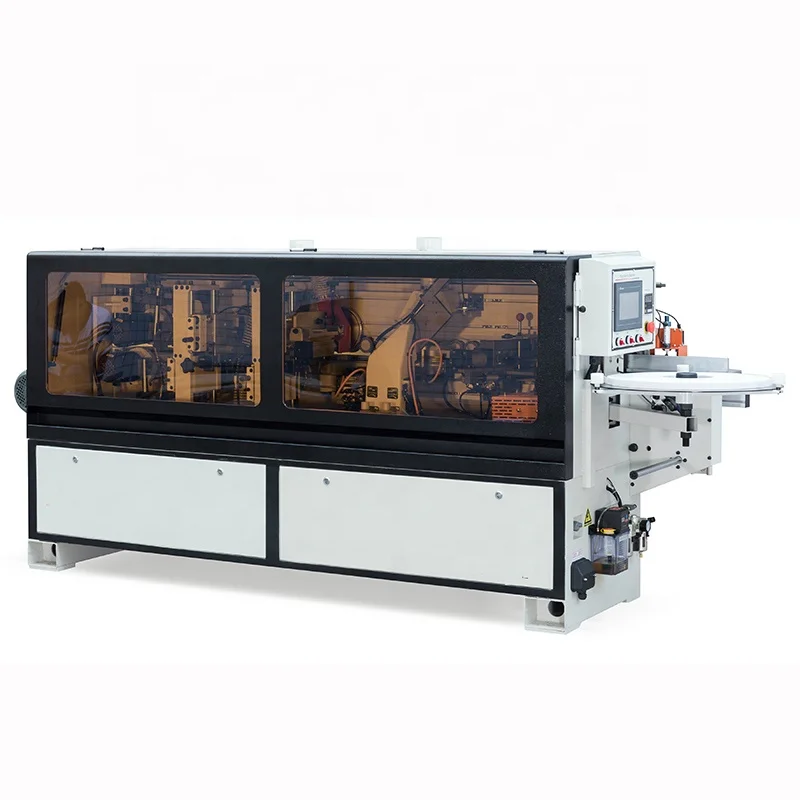
In workshops running mixed board materials — MDF one hour, particleboard the next — the ZDS-280 Automatic Edge Banding Machine addresses this through a Teflon-coated glue pot with a scientific glue return system that reduces carbonization buildup. The pneumatic double-wheel pressing unit applies adjustable stroke pressure across the panel face, maintaining bond uniformity when substrates vary in density. I have seen edge banders of this class produce clean joints on MDF but leave white glue streaks on particleboard because the pressing force was fixed and too light for the softer substrate [NEED_CITE: substrate density variation and edge bonding pressure requirements].
How the Ruiqi Range Breaks Down by Capacity Tier
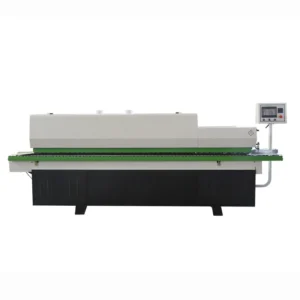
The ZDS-280 occupies the mid-range position within the complete Ruiqi edge banding catalogue, sitting between entry-level models designed for low-volume joinery shops and full-function pre-milling machines built for high-throughput panel plants. Buyers surveying the ruiqiwood.com range will find this automatic edge banding machine offers six integrated stations — gluing through buffing — within a 3000 mm frame, making it the typical choice for custom furniture factories that have outgrown manual or semi-automatic setups but are not yet running continuous production shifts.
Matching Station Count to Daily Panel Volume
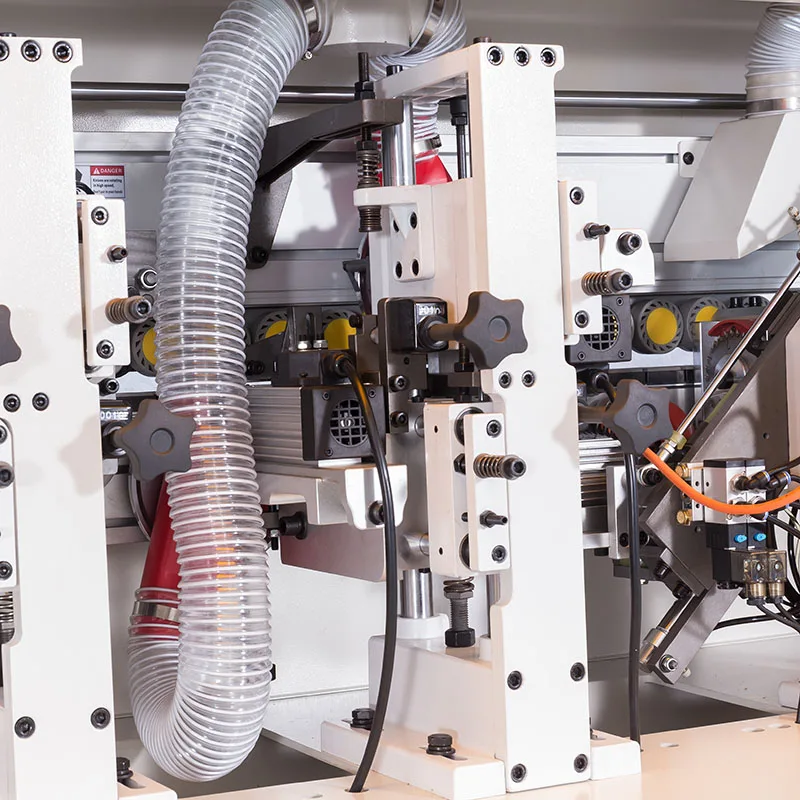
A six-station configuration means each trimming, scraping, and buffing function has its own dedicated unit rather than sharing a single cutter head. This separation matters when daily throughput increases, because individual stations can be maintained or adjusted without stopping the entire line. The Delta PLC and touch screen interface lets operators store parameter sets for different edge thicknesses, reducing changeover time between jobs. [NEED_CITE: PLC parameter storage and changeover efficiency in panel processing] For importers evaluating the full product family, the ZDS-280 represents the tier where workshops transition from batch processing to a more continuous workflow.
Reading the Specs Against Your Actual Production Reality
The 10–60 mm panel thickness range covers standard furniture board stock, but the lower limit matters more than the upper one. Panels below 10 mm — such as thin back panels or drawer bottoms — require a different feed mechanism and are outside this model’s design envelope. The 0.3–3 mm edge thickness range handles PVC and veneer reliably; if your shop routinely runs 2 mm acrylic or ABS, you need to confirm feed speed and glue pot temperature settings before ordering, because thicker edge materials demand slower conveyor speeds and higher adhesive temperatures to achieve proper bonding. The 9–12 m/min feed speed, controlled by the Delta frequency converter, provides a practical range for shops balancing output volume against edge finish quality.
The Real Cost of Skipping Voltage Confirmation Before Shipment
Machines quoted without confirming local voltage and frequency arrive unusable — this remains one of the most common failures in cross-border equipment purchases. The ZDS-280 ships at 380V-3HP as standard, but target markets in Southeast Asia, the Middle East, and parts of Africa operate on different three-phase configurations. A frequency mismatch between 50 Hz and 60 Hz affects motor RPM directly, altering feed speed and trimming cutter performance in ways that are not immediately obvious during commissioning [NEED_CITE: voltage and frequency standards by export market]. Always request the electrical schematic and confirm your facility’s supply before the order enters production.
Why Sourcing the Full Catalogue from One Manufacturer Matters
In-house manufacturing with patented cutting mechanisms means tolerance claims are verifiable through factory test records, not just marketing literature. The ZDS-280’s full six-station configuration is part of a single product family, so a workshop scaling from entry-level to mid-range capacity does not need to change supplier or retrain operators on a different control interface. Voltage, language, and specification customization are available as standard options rather than special requests. Four-stage quality control covers incoming material inspection through pre-shipment verification, and engineer-led configuration recommendations are provided with formal quotations within 24 hours of inquiry. Factory visits are welcomed for buyers who want to see assembly and testing firsthand.
Documentation & Verification
- CE declaration of conformity confirming machinery directive compliance for the ZDS-280
- ISO 9001 certificate covering the manufacturing process for this edge banding model
- Machine specification sheet listing all six station functions, motor ratings, and dimensional data
- Electrical schematic and voltage confirmation document matched to your facility supply
- Factory test record showing edge banding results on your specified panel thickness range
Installation, Commissioning & Support
- Floor space allocation of at least 3500 × 1200 mm to accommodate the 3000 × 750 mm machine frame with operator clearance
- Dedicated 380V-3HP circuit with appropriate breaker rating for the 9 kW total power draw
- Machine arrives fully assembled; verify door and aisle dimensions against the 1270 mm height before delivery
- First-run parameter tuning on your actual board stock, adjusting feed speed and glue pot temperature to your edge material
- Touch screen language configured to your operator preference before dispatch, with operation manual provided in the same language
- Spare parts list included covering wear items for all six working stations
What to Include in Your Inquiry
Provide your primary board material types and thicknesses, the edge banding materials you run most often, and your approximate daily panel volume. Confirm your facility’s three-phase voltage and frequency, and specify the control panel language your operators need. If you are integrating this automatic edge banding machine into an existing line, share the upstream panel saw model and downstream boring equipment so feed height and throughput compatibility can be verified before quotation.
Frequently Asked Questions
Q: How does the ZDS-280 compare to entry-level and full-function pre-milling models in the Ruiqi range?
A: The ZDS-280 sits in the mid-range tier with six integrated stations and Delta PLC control. Entry-level models have fewer stations and simpler controls for lower daily volumes. Full-function pre-milling models add a pre-milling cutter for panels with saw marks or uneven edges, designed for higher throughput environments where edge preparation quality varies.
Q: What voltage options and electrical confirmations are available for my target market?
A: The standard configuration is 380V-3HP at 50 Hz, but voltage can be customized from 110V to 440V to match local supply. An electrical schematic and voltage confirmation document are provided before production begins. Always verify your facility’s actual three-phase supply with a qualified electrician before confirming the order specification.
Q: How do I verify the claimed panel thickness and edge thickness range against my actual materials?
A: Request a factory test record using your specific panel stock and edge banding material before shipment. The pre-shipment verification process includes running sample panels through all six stations and documenting edge finish quality, trimming accuracy, and buffing results against your stated material specifications.
Q: What documentation ships with the machine?
A: Standard documentation includes the CE declaration of conformity, ISO 9001 certificate, machine specification sheet, electrical schematic, factory test record, operation and maintenance manual in your agreed language, spare parts list, packing photographs, and customs documentation support for export clearance.
Q: How does the ZDS-280 integrate with upstream panel saws and downstream boring machines?
A: The 9–12 m/min feed speed and 60 mm minimum panel width are compatible with standard panel saw output dimensions. When planning a complete line, confirm that upstream cut panel dimensions fall within the ZDS-280’s minimum length and width limits, and that downstream equipment can accept the finished panel output rate without bottlenecking.