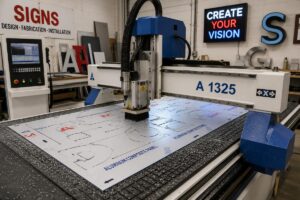
Unlock real savings when you buy furniture machine with container discount by mastering mixed-load strategies and tiered pricing. Move beyond FOB quotes to calculate true landed costs and leverage annual commitments for deeper margins. Optimize your 40HQ space with high-value equipment blends to maximize per-unit profit.
Buy Furniture Machine with Container Discount | Wholesale Supplier
Most buyers assume a full container means loading identical machines—real savings come from mixing high- and low-value units to dilute freight cost per piece.
Ordering furniture machinery by the container load typically unlocks tiered pricing that drops unit cost noticeably compared to single-unit purchases, but the actual discount depends on annual volume commitments, payment cadence, and how intelligently you mix equipment inside the box.
I still remember standing at Jeddah port watching a container of edge banders sit for weeks because the local broker filed the HS code under generic woodworking machinery instead of the panel-furniture-specific heading. The demurrage bill ended up exceeding the machine margin. That kind of mistake doesn’t happen twice—you start calculating landed cost before factory cost, and you learn that a container discount is only real if the total door-delivered number makes sense [NEED_CITE: landed cost composition for industrial machinery imports including freight, duty, and port charges].
Whether you are a regional distributor restocking for the Middle East market or a factory owner in Latin America upgrading from manual operations, understanding how to buy furniture machine with container discount means looking past the FOB sticker and running the full math.
What Discount Can You Actually Get with a Full Container Order?
Container-level pricing operates on a tier structure that rewards commitment volume, not just box count.
Most woodworking machinery exporters publish a basic price list for single units, then apply incremental reductions once you cross half-container and full-container thresholds. The deepest tiers are reserved for buyers who sign annual framework agreements rather than one-off purchase orders [NEED_CITE: volume discount tier structure in woodworking machinery export trade].
| Pricing Tier | Typical Order Scope | Discount Depth vs. Single Unit | Payment Leverage |
|---|---|---|---|
| Single Unit | 1–2 machines, mixed models | Baseline | Standard T/T terms |
| Half Container | Partial 20GP load, 3–5 machines | Noticeably reduced | Slightly improved terms |
| Full Container | 20GP or 40HQ fully loaded | Substantially extended | Negotiable deposit ratio |
| Annual Agreement | Multiple containers across quarters | Deepest tier | Flexible scheduling |
A distributor in the Gulf region once compared his single-unit edge bander invoice against a full-container order that combined automatic edge banders, six-row boring machines, and a sliding table saw. The per-unit drop was meaningful, but the real gain came when he locked a two-container annual commitment—the supplier offered multilingual PLC panel customization and voltage adaptation at no extra engineering charge, services that normally carry a separate fee.
The key insight: discount tiers are not just about how many machines fit in the box. They reflect your predictability as a buyer. A factory would rather offer a deeper margin to a customer who orders quarterly than chase spot buyers who appear once and vanish.
How to Mix Machines in One Container to Maximize Value?
The highest-value containers are never filled with identical machines—smart mixing spreads freight cost across expensive and affordable units alike.
A 40HQ container offers substantially more internal volume than a 20GP, and the loading strategy changes accordingly. Heavy, compact machines like automatic edge banders with pre-milling units go on the floor as the base layer. Lighter but bulkier equipment such as CNC routers with vacuum tables stack above if dimensions allow. Multi-boring machines and sliding table saws fill the mid-zone. Small accessories—spare cutter heads, glue rollers, sensor kits—pack into every remaining gap [NEED_CITE: container loading optimization principles for industrial machinery shipment].
The principle is simple: if you fill a 40HQ with only high-value CNC machining centers, you may fit a limited number of units, and the freight cost per machine stays high. But if you combine those machining centers with semi-automatic edge banders, manual edge banders, and a full set of spare parts, the total container value rises while the freight cost per individual item drops noticeably.
| Machine Category | Space Profile | Value Density | Container Role |
|---|---|---|---|
| Automatic Edge Banders | Compact, heavy | High | Base layer, anchor load |
| CNC Routers (1325/1530) | Large footprint, moderate weight | High | Mid-to-upper layer |
| Multi-Boring Machines | Moderate size | Medium | Flexible fill |
| Sliding Table Saws | Long, relatively light | Medium | Side-fill along walls |
| Spare Parts & Accessories | Small, dense | Low individually | Gap filler, raises total value |
A startup furniture factory in West Africa ordered a single 40HQ that included two automatic edge banders, one nested-based CNC machining center, one six-row boring machine, and a sliding table saw—plus a full container’s worth of spare cutters, glue pots, and calibration tools. The total machine count was substantial, but the freight cost per unit dropped to a fraction of what single-unit shipping would have cost. The factory was operational within weeks of arrival, with enough spare parts to run for an extended period without reorder.
When you buy furniture machine with container discount, the mixing strategy is where experienced buyers separate themselves from first-timers. The machine price matters, but the freight allocation per unit matters just as much.
What Are the Hidden Costs Beyond the Machine Price?
FOB price is only the starting line—landed cost at your warehouse door tells the real story.
Freight rates fluctuate, but port charges, customs duties, inland transport, and demurrage risks remain constant variables that can erase any container discount if miscalculated. I have seen buyers celebrate a favorable FOB price only to discover that their country’s import duty on "woodworking machinery" carried a higher rate than "panel furniture production equipment"—a classification difference that hinges on the HS code prefix [NEED_CITE: HS code classification impact on import duty rates for woodworking versus panel furniture machinery].
| Cost Component | Visibility at Order Stage | Typical Risk |
|---|---|---|
| Ocean Freight | High | Seasonal rate spikes |
| Port Handling & Terminal Charges | Moderate | Unanticipated surcharges |
| Customs Duty | Low if HS code wrong | Rate difference of multiple percentage points |
| Inland Transport | Moderate | Oversized load permits |
| Demurrage & Detention | Low | Accumulates daily if clearance delays |
| Certification Compliance | Low | SABO, ESMA, SONCAP by destination |
A buyer in North Africa once received a container of edge banders and CNC routers with complete documentation, but the local customs authority required a pre-shipment conformity certificate that had not been arranged. The container sat at port, demurrage accumulating daily, until the certificate was retroactively processed—costing several times what the advance compliance check would have required.
The lesson is straightforward: when you negotiate a container discount with your machinery supplier, confirm that the export documentation package covers your destination’s specific compliance requirements. A supplier experienced in global shipment will include CE certificates, origin forms, and machine-specific test reports as standard—verify before signing, not after the container reaches the quay.
How to Negotiate Better Terms for Container-Level Purchases?
Price is one lever—payment rhythm, warranty bundling, and OEM customization are equally powerful negotiation tools.
When you commit to container-level volume, you gain leverage that single-unit buyers simply do not have. The most effective negotiators use this leverage across multiple dimensions rather than pushing only for a lower unit price.
Annual framework agreements allow the manufacturer to plan production schedules and raw material procurement with confidence. In exchange, buyers can request priority production slots, extended warranty periods, and customized control panel languages at no additional engineering cost. A distributor in South America structured his purchasing around quarterly container shipments under a single annual agreement—each shipment mixed edge banders, boring machines, and CNC routers based on that quarter’s market demand. The supplier provided Arabic and Spanish language PLC interfaces, 440V voltage configuration, and private-label branding across all units, all bundled into the container-level pricing [NEED_CITE: OEM customization leverage in bulk woodworking machinery procurement].
Payment cadence matters equally. Buyers who can offer a higher deposit percentage or accept milestone-based payment tied to production progress often unlock deeper discounts than those who insist on maximum credit terms. The supplier’s cash flow risk drops, and that risk reduction translates directly into price flexibility.
After-sales bundling is the third lever. Instead of negotiating warranty and spare parts separately, experienced buyers include extended spare parts kits—extra glue pots, trimming blades, sensor modules—directly in the container order. The marginal cost to the manufacturer is low, but the value to the buyer is substantial because it eliminates the need for small-parcel international shipping later.
Which Machines Are Worth Buying by the Container?
Not every machine justifies container-level commitment—match purchase volume to consumption frequency and market demand predictability.
High-frequency production equipment—automatic edge banders, nested-based CNC machining centers, multi-boring machines—consumes wear parts continuously and operates daily in production environments. These machines justify container-level purchasing because the distributor or factory knows demand will recur. Spare parts alone can fill significant container space, and bundling them with the machines reduces per-item shipping cost dramatically.
Low-frequency or highly specialized equipment—curved edge banders for niche applications, large-format wide-belt sanders for specific panel sizes—may not justify a full container unless you are a regional distributor stocking for multiple end users. In these cases, a half-container approach or combining the specialized machine with high-demand units in a mixed load makes more sense.
| Machine Type | Purchase Frequency | Container Justification |
|---|---|---|
| Automatic Edge Banders | High | Strong—core production equipment |
| CNC Routers (ATC) | High | Strong—versatile, high demand |
| Multi-Boring Machines | High | Strong—essential for cabinet production |
| Sliding Table Saws | Moderate | Moderate—often paired with edge banders |
| Curved Edge Banders | Low | Weak unless distributor stocking |
| Wide-Belt Sanders | Low | Weak—combine with other units |
The decision framework is simple: if you will need the machine again within a predictable timeframe, or if you are stocking for a market where demand is proven, container-level purchasing with the associated discount makes financial sense. If the machine sits in a niche category with uncertain repeat demand, a smaller order with standard pricing may be more prudent.
When you buy furniture machine with container discount, the machines you choose to include determine whether the discount translates into real operational advantage or just a lower invoice number.
Conclusion
Container-level furniture machinery purchasing rewards strategic thinking over simple volume. Mixing equipment types, calculating full landed cost, negotiating across multiple terms, and selecting the right machines for container commitment separate experienced buyers from those who only chase the lowest FOB number. The discount is real—but only if you do the math all the way to your warehouse door.
Tags

Written by
author
Editor covering global sourcing, supplier verification, and industrial product knowledge. Content is compiled from manufacturer specifications, industry standards, and hands-on experience with international B2B buyers. Every article is fact-checked before publishing to help procurement professionals make informed decisions.
View all posts