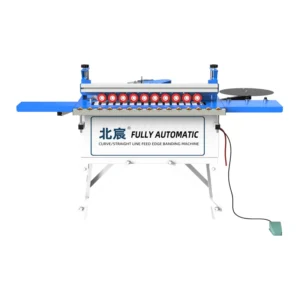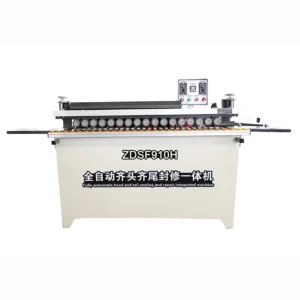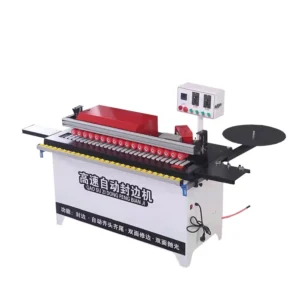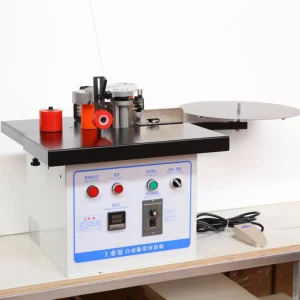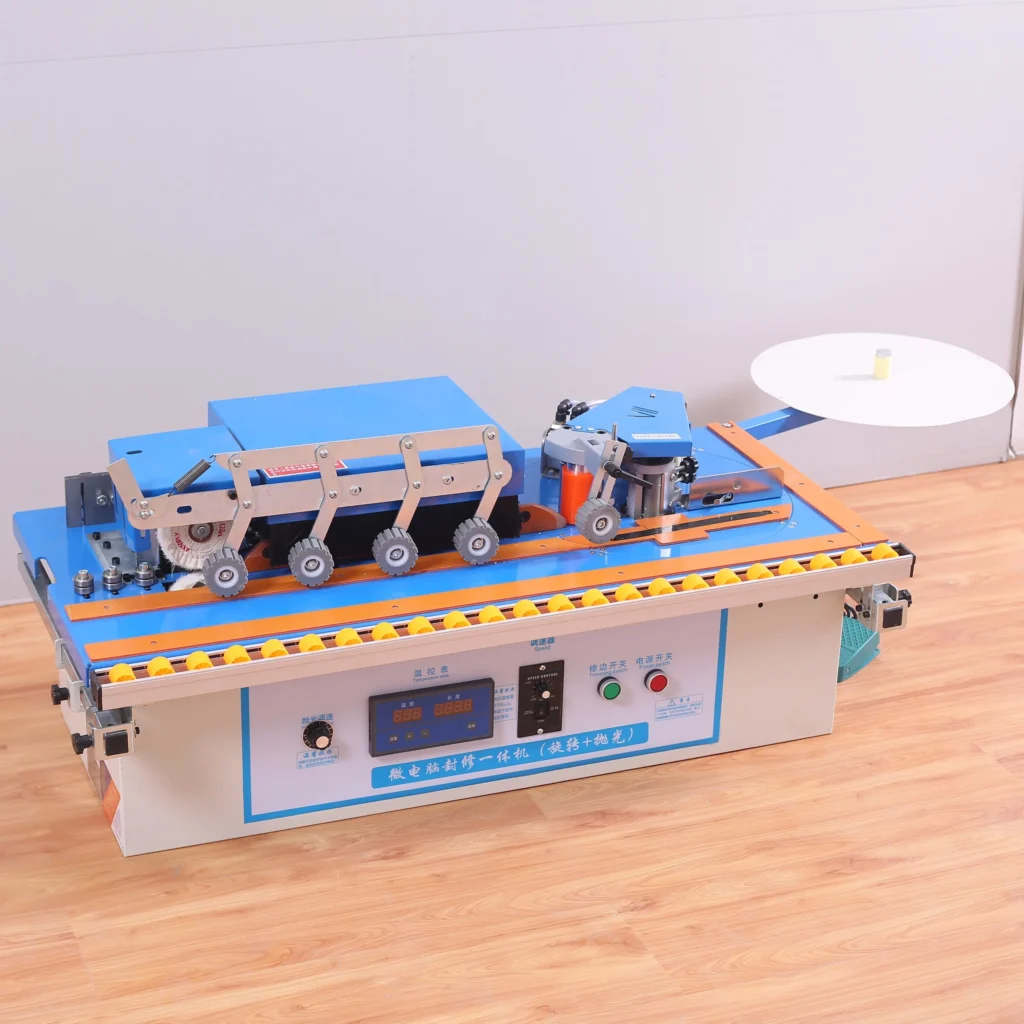
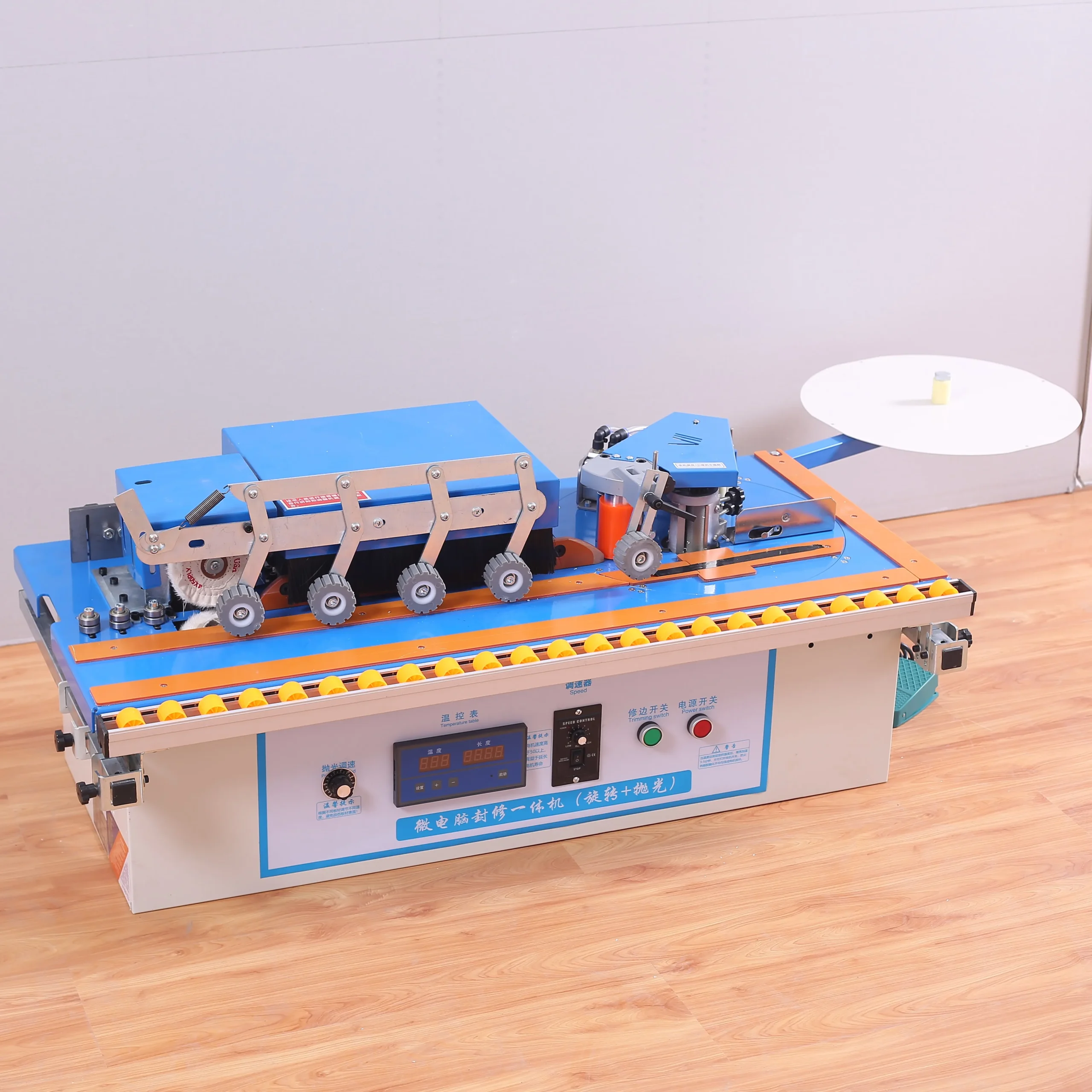
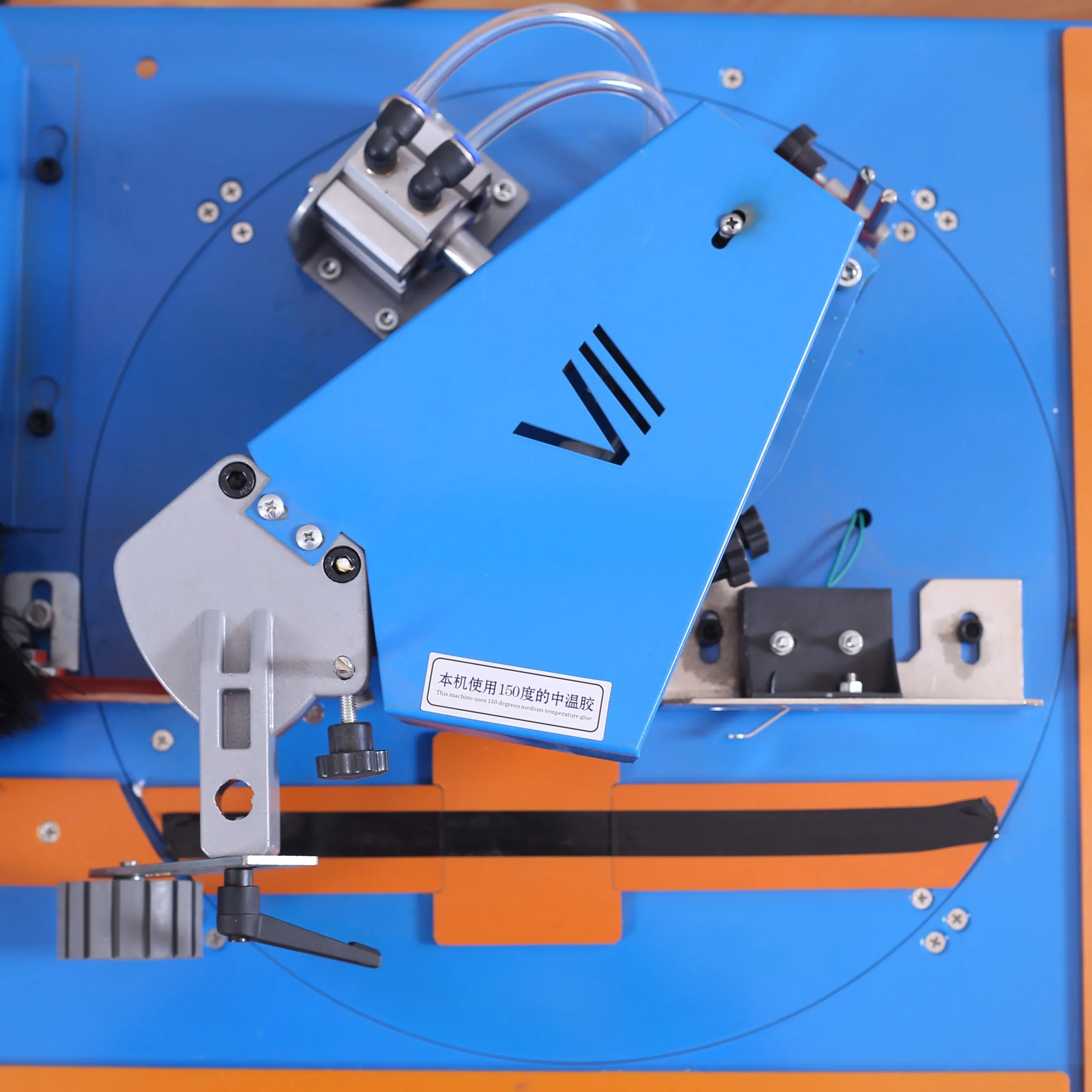
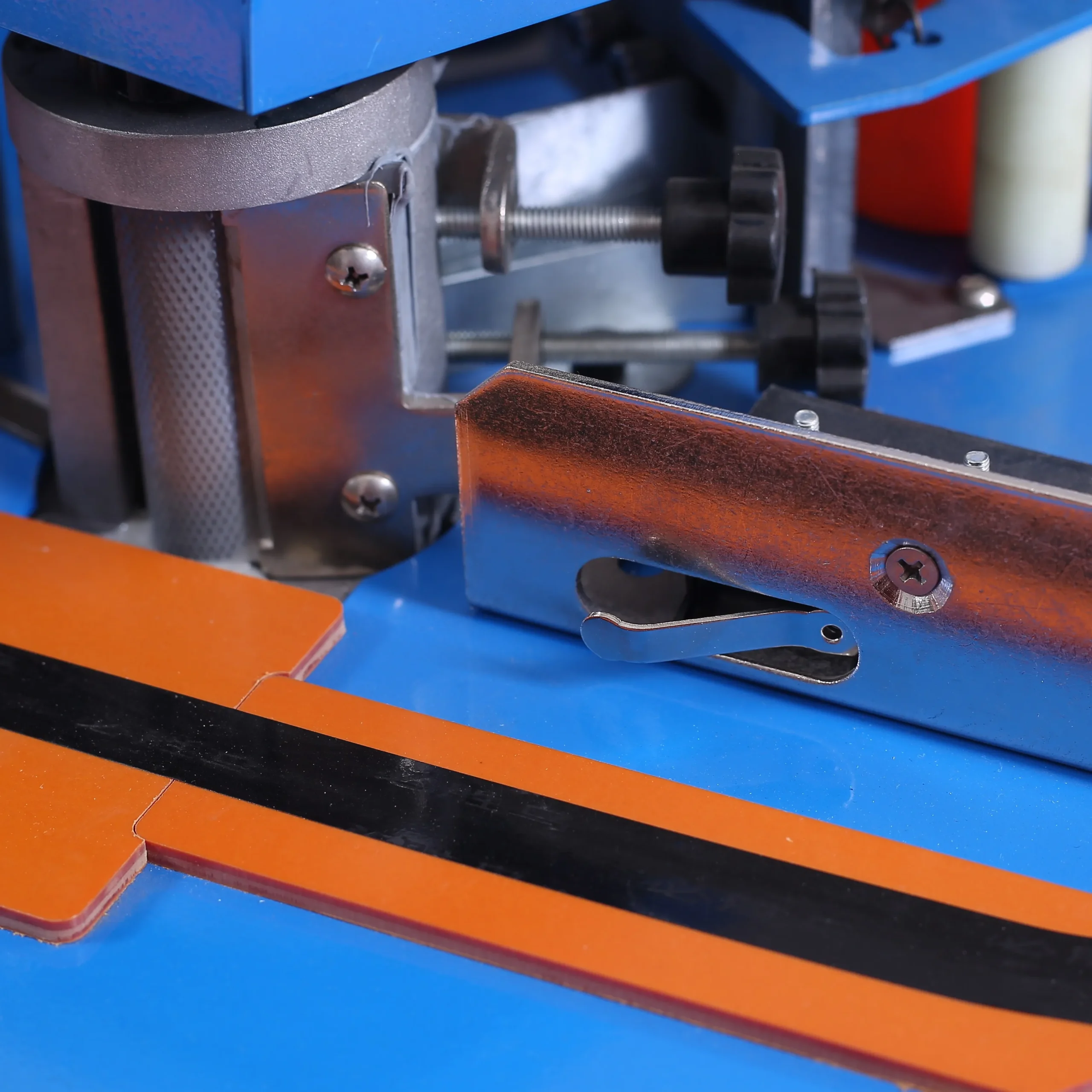
Description
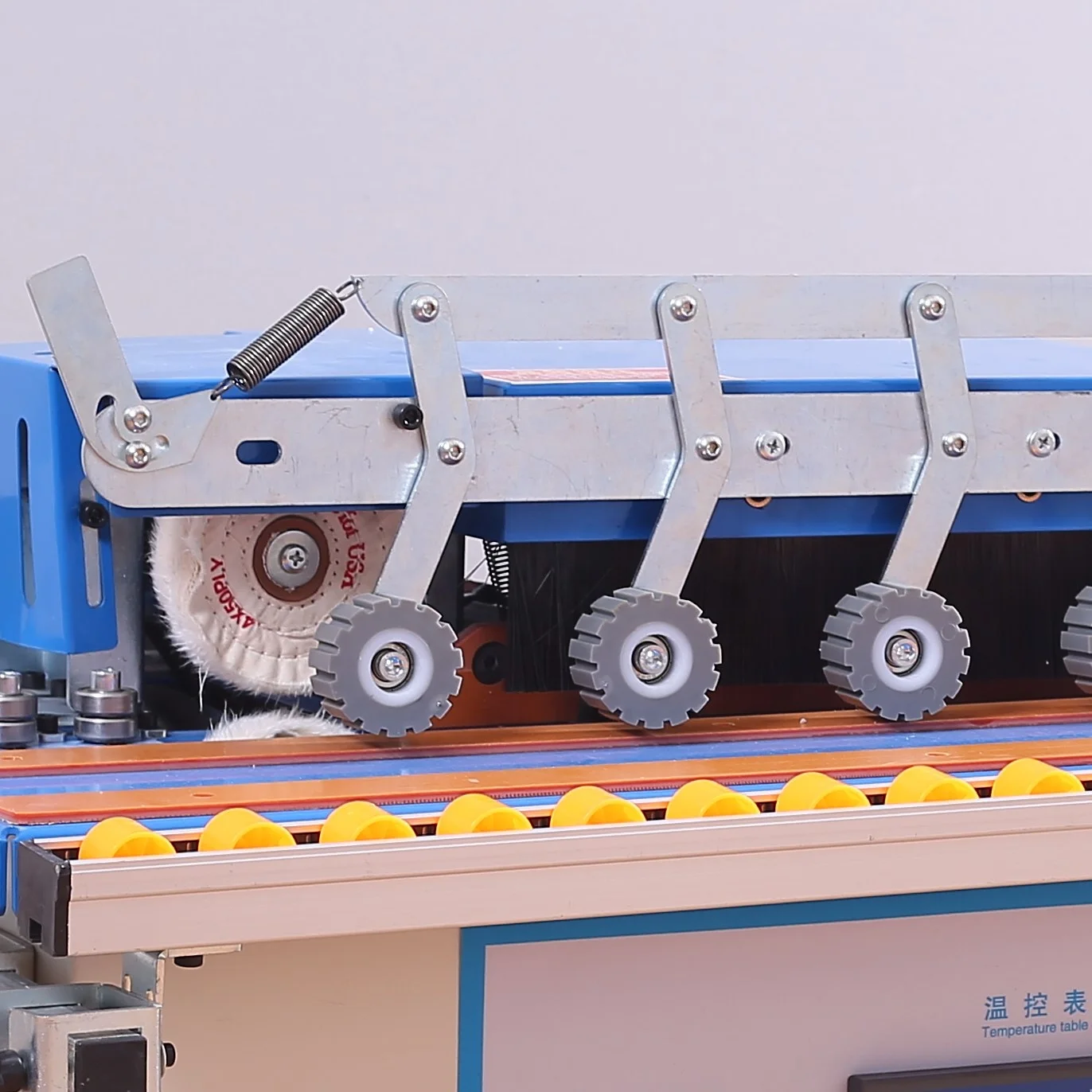
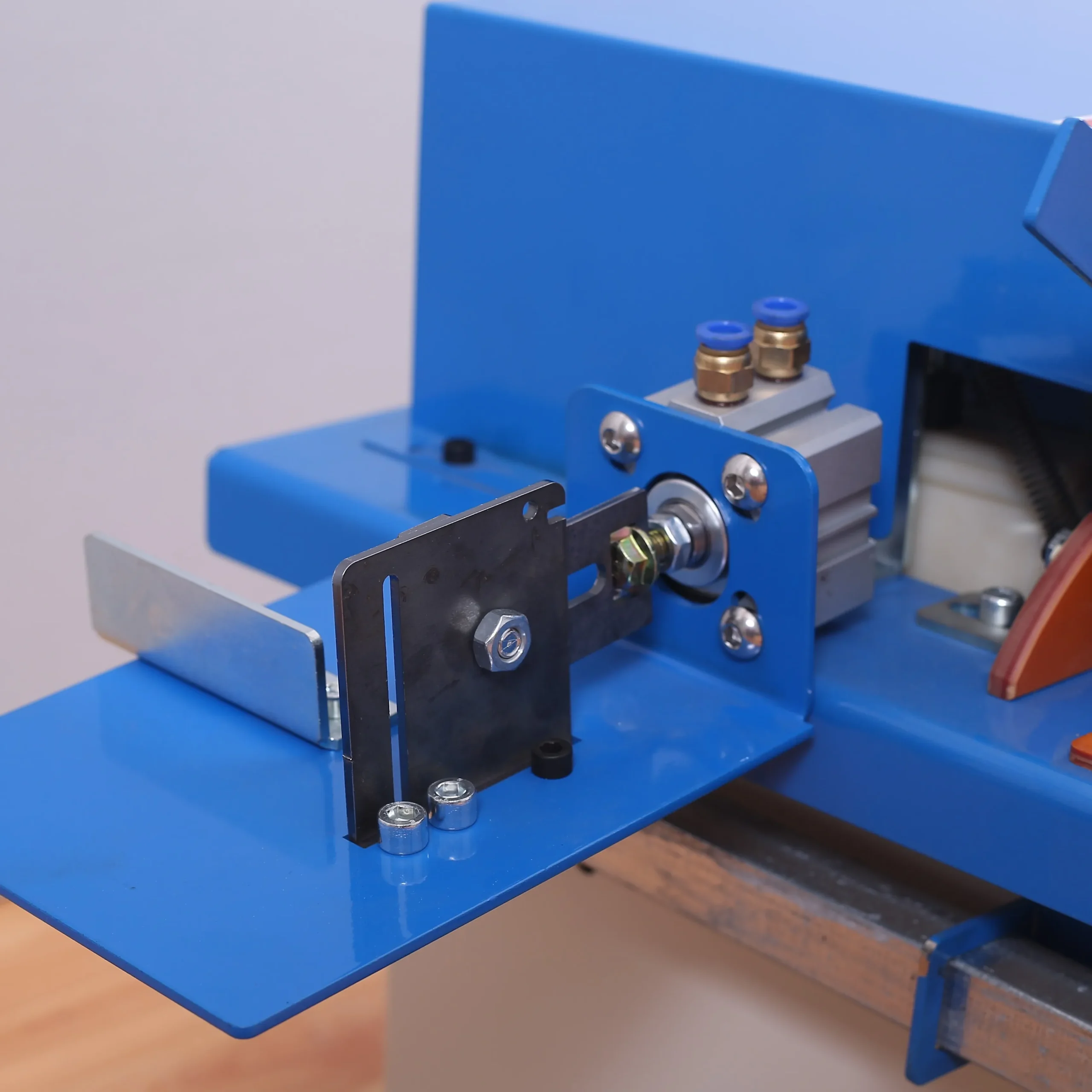
Precision-Ground Mechanisms — the ZDSF120’s double-sided gluing and pneumatic head cutting reflect our proprietary tolerance approach, configured here for compact workshop deployment within the full catalogue.
Technical Specifications
| Parameter | Value |
|---|---|
| Model | ZDSF120 |
| Product Type | Edge Banding Machine |
| Voltage | 220V |
| Rated Power | 2.8 kW |
| Glue Pot Capacity | 1000 ml |
| Heating Time | 5–8 minutes |
| Panel Thickness Range | 10–60 mm |
| Edge Thickness Range | 0.5–3 mm |
| Overall Dimensions | 105 × 50 × 45 cm |
| Gluing Method | Double-sided |
| Trimming | Automatic trimming and polishing |
| Head Cutting | Pneumatic flush |
| Operation Mode | Straight and bend dual use |
Application Suitability
| Application | Material or Output |
|---|---|
| Small-scale cabinet door edge finishing | PVC banding on MDF and particleboard substrates |
| Custom furniture panel edging | Veneer and melamine strips on plywood panels |
| Startup workshop secondary station | Mixed substrate runs with curved and straight profiles |
| Low-volume joinery production | Solid wood edge banding on narrow panel stock |
Why Substrate Choice Should Shape Your Model Selection
The edge banding machine manufacturer you choose matters less than whether the machine was configured around your actual material.
I spent four days on-site in a Middle East cabinet factory last year because a machine had been quoted against PVC test samples while the production floor ran thin wood veneer. Glue temperature, roller pressure, and feed behaviour all shifted on a different substrate, and the line stalled until every station was recalibrated [NEED_CITE: substrate-specific edge banding parameter adjustment]. The ZDSF120 sits in our catalogue at a tier where buyers often assume one configuration covers everything — but even at this compact scale, a 0.5 mm veneer strip demands different thermal behaviour than a 3 mm PVC profile. That mismatch is what causes visible glue lines, chipped corners, and rework at the assembly bench downstream.
Where This Model Sits in the Complete Range
The ZDSF120 occupies the compact multifunction position in our edge banding machine lineup. It handles straight and curved profiles in a single body, making it a practical fit for workshops evaluating their first automated edging station or adding flexibility beside a higher-throughput primary unit. The 1000 ml glue pot and 5–8 minute heating cycle support intermittent production rhythms rather than continuous shift runs.
Scaling Without Switching Supplier
Buyers surveying a full catalogue need to see where each tier transitions. The ZDSF120 covers panel thicknesses from 10 mm to 60 mm and edge stock up to 3 mm, which addresses the majority of cabinet and light furniture work at startup volumes. When daily throughput grows or substrate complexity increases — such as moving from PVC-only to mixed veneer and ABS runs — our higher-tier models add pre-milling, multi-stage finishing, and larger glue capacity without requiring a change of supplier ecosystem [NEED_CITE: edge banding machine tier comparison across production volumes].
Reading the Specifications Against Your Workshop Reality
The 2.8 kW rated power draws from a standard 220V single-phase supply, meaning no dedicated three-phase circuit is required — a practical consideration for small workshops in converted premises. The 10–60 mm panel thickness range covers standard 18 mm cabinet boards as well as thinner shelving stock and thicker solid wood components. Pneumatic flush head cutting relies on compressed air supply; confirming your compressor capacity avoids uneven end-trim finishes that are only discovered after the panels reach assembly. The 0.5–3 mm edge thickness window accommodates PVC, melamine, and thin veneer, though veneer at the lower boundary requires careful temperature and pressure calibration to avoid splitting along the grain.
The Hidden Cost of a Specification Gap
Machines quoted without confirming local voltage and frequency arrive unusable or underpowered — a 220V unit on a 110V supply will not reach operating temperature, and glue adhesion fails at the first panel [NEED_CITE: voltage mismatch consequences in exported woodworking machinery]. Equally, a control panel in a language the operator cannot read stalls commissioning and invites parameter errors during daily setup. When an entry-level machine is sold into production volumes it was never designed to sustain, bearing wear accelerates and tolerance drift appears weeks after installation, not during the factory test.
Why Source This Model Through Our Catalogue
The ZDSF120 is one node in a complete edge banding range, so workshops can plan an upgrade path within the same product family. Voltage is confirmed against your facility before production begins, not assumed at checkout. Four-stage QC covers incoming material through pre-shipment verification, with test records generated on your specified substrate. The double-sided gluing mechanism is built in-house under our proprietary tolerance approach, verified at dispatch. Engineer-led configuration recommendations arrive within 24 hours of inquiry, addressing panel mix and daily volume before a quotation is formalised.
Documentation & Verification
- CE declaration of conformity applicable to this model tier
- Machine specification sheet confirming ZDSF120 voltage and power rating
- Electrical schematic with facility voltage confirmation before build
- Factory test record on your specified panel substrate and edge material
- Operation and maintenance manual provided in your agreed language
- Spare parts list cross-referenced to ZDSF120 components
Installation, Commissioning & Support
- 105 × 50 × 45 cm footprint fits standard workshop floor without special foundation
- 220V single-phase connection on a dedicated 16A circuit recommended
- Pneumatic supply required for flush head cutting; confirm compressor rating
- First-run parameter setup covering glue temperature, roller pressure, and feed alignment
- Operator training on double-sided gluing adjustment for straight and curved profiles
- Trimming and polishing consumables identified in the spare parts list
What to Share With Your Configuration Engineer
Tell us which edge banding materials you run — PVC, ABS, veneer, or a mix — and the substrate types across your typical panel orders. Share your facility voltage and frequency so the electrical build matches your supply. If you plan to phase equipment over time, outline existing upstream saws or downstream boring stations so the ZDSF120 slots into your line without feed-height or throughput mismatches.
Frequently Asked Questions
Q: How does the ZDSF120 fit within the full edge banding machine range?
A: It occupies the compact multifunction tier, suited for workshops starting automated edge finishing or adding a secondary station. When daily volume grows or substrate complexity increases, higher-tier models in our catalogue add pre-milling and larger glue capacity while keeping the same supplier relationship and spare parts ecosystem.
Q: What panel and edge materials does the ZDSF120 handle?
A: Panel thickness from 10 mm to 60 mm covers standard cabinet boards and thicker solid wood stock. Edge thickness from 0.5 mm to 3 mm accommodates PVC, melamine, and thin veneer. Veneer at the lower boundary requires specific temperature and pressure settings, which we confirm during the factory test on your samples.
Q: Can voltage and control language be customised?
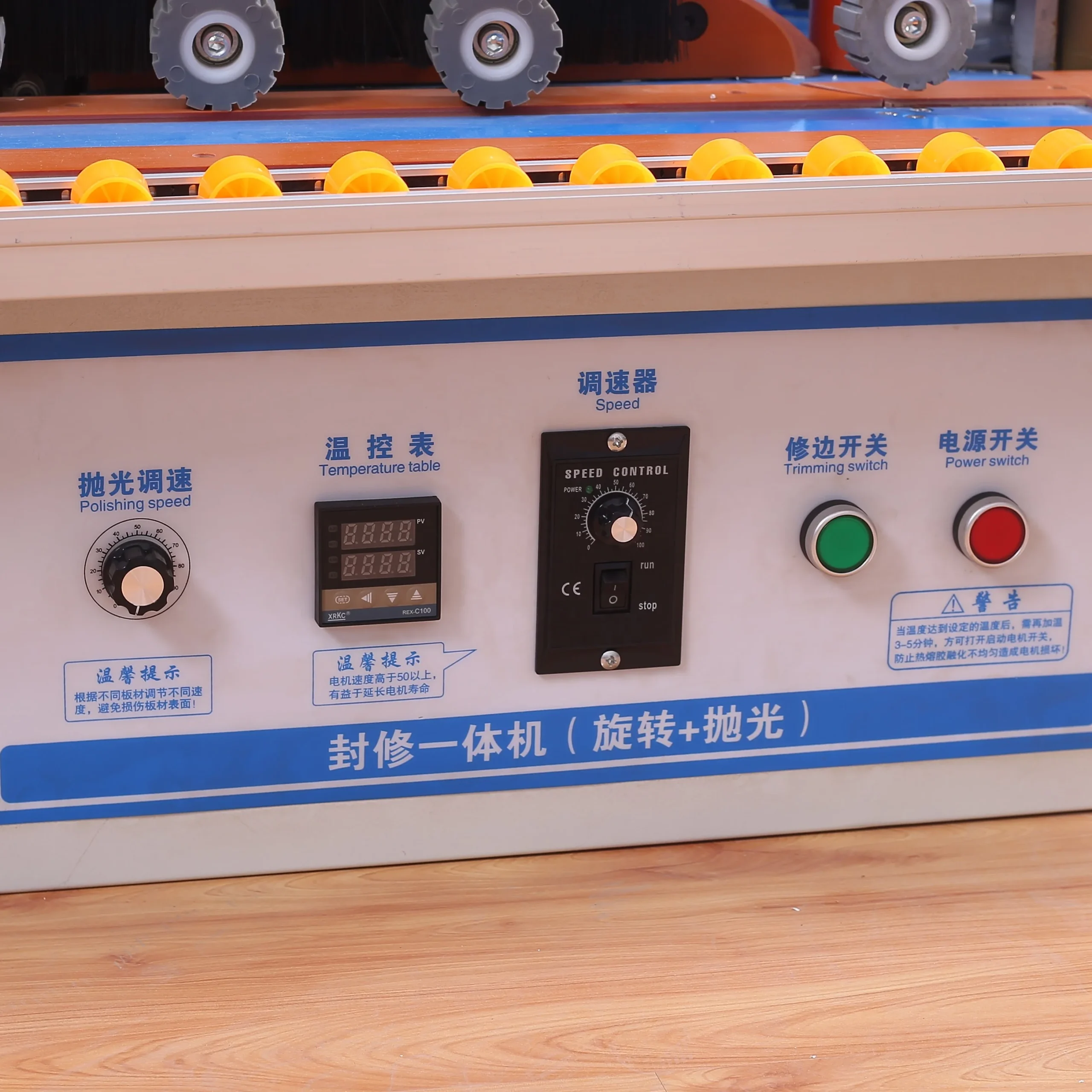
A: Yes. Voltage is confirmed against your facility supply before production, and control panels can be produced in the language your operators read. This prevents commissioning delays and parameter errors that occur when machines arrive with unfamiliar interfaces.
Q: What upstream and downstream equipment pairs with the ZDSF120?
A: It integrates with sliding table saws and panel saws upstream for cut-to-size panels, and hinge boring or multi-boring machines downstream for assembly-ready components. Matching feed heights and throughput between stations avoids bottlenecks when the line is planned as a phased investment.
Q: How is edge finish quality verified before shipment?
A: A factory test record documents edge finish on your specified substrate and banding material. The four-stage QC process includes incoming material checks, in-process inspection, finished product verification, and pre-shipment testing. The record accompanies the machine documentation package.