
Cómo Comprar un Router CNC de 3 Ejes de Nivel de Entrada a Fabricantes Chinos Confiables Most entry-level 3-axis CNC router buyers only fixate on unit price, missing 40-50% of long-term cost savings from qualified Chinese suppliers. For small to medium workshop owners, sign making operators and procurement teams sourcing new equipment, the default assumption […]
Cómo Comprar un Router CNC de 3 Ejes de Nivel de Entrada a Fabricantes Chinos Confiables
Most entry-level 3-axis CNC router buyers only fixate on unit price, missing 40-50% of long-term cost savings from qualified Chinese suppliers. For small to medium workshop owners, sign making operators and procurement teams sourcing new equipment, the default assumption that European brands automatically deliver better value often leads to overspending on features you will never use, while unvetted low-cost Chinese suppliers end up costing thousands in unplanned downtime. ¿Qué indicadores clave deberías verificar primero al comprar una fresadora CNC de 3 ejes de nivel de entrada desde China?
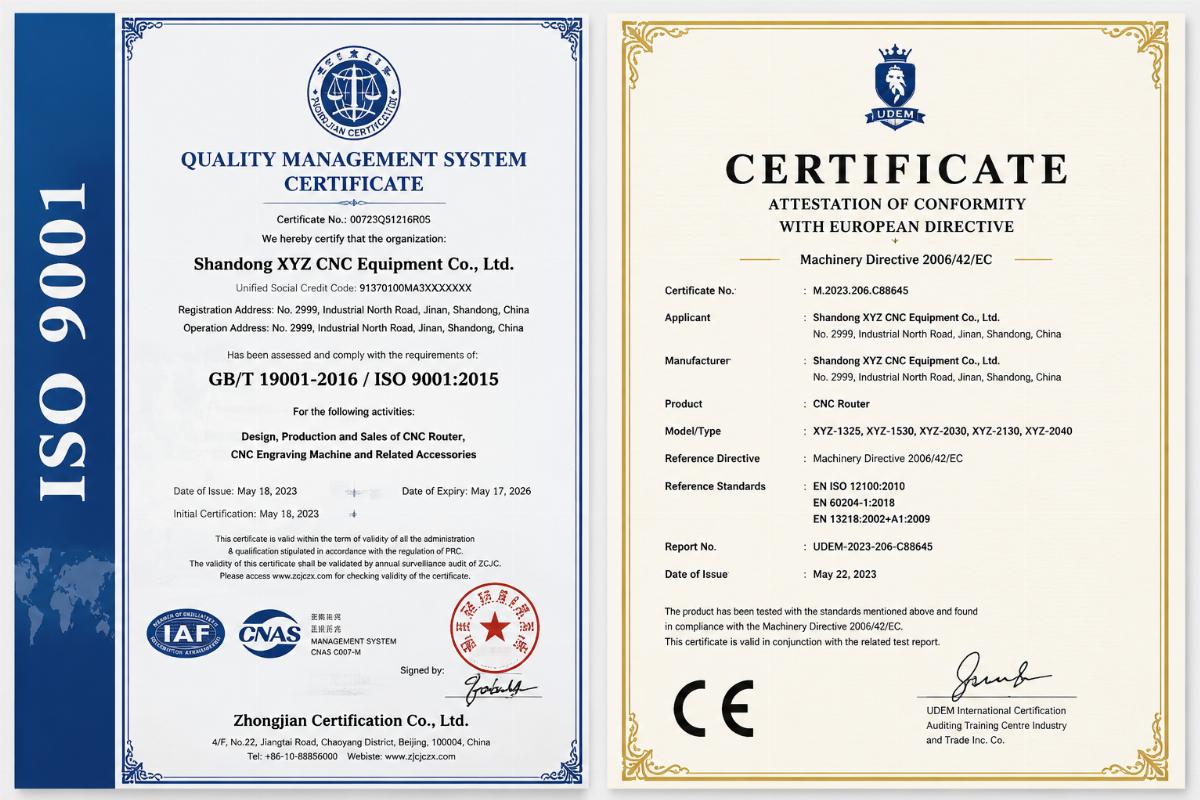
La validez de la certificación y los términos de postventa importan mucho más que el precio unitario cotizado de la máquina. Muchos nuevos compradores asumen que todas las credenciales de los proveedores listados son legítimas, pero hasta el 40% de las listas de bajo costo en las plataformas B2B utilizan documentación falsificada que no resistirá el despacho aduanero ni las reclamaciones de garantía. Error Común
Recomendación de Verificación
Certificaciones de Terceros
Aceptar capturas de pantalla digitales de certificados sin verificación
Solicitar acceso directo a los portales de validación oficiales para las marcas ISO 9001, CE y TüV [NEED_CITE: Los fabricantes de CNC calificados en China cumplen con los mismos estándares de producción que las líneas de equipos europeos de gama media]
Cobertura de Postventa
Suponga que todos los términos de garantía listados se aplican globalmente
Confirme los términos explícitos para el despacho gratuito de ingenieros en el sitio y soporte técnico multilingüe 24/7
Flexibilidad en el Pedido Mínimo
Aproveche los pedidos al por mayor para asegurar un descuento percibido
Priorizar proveedores que apoyen un MOQ de 1 unidad sin requisitos de compra en volumen forzados
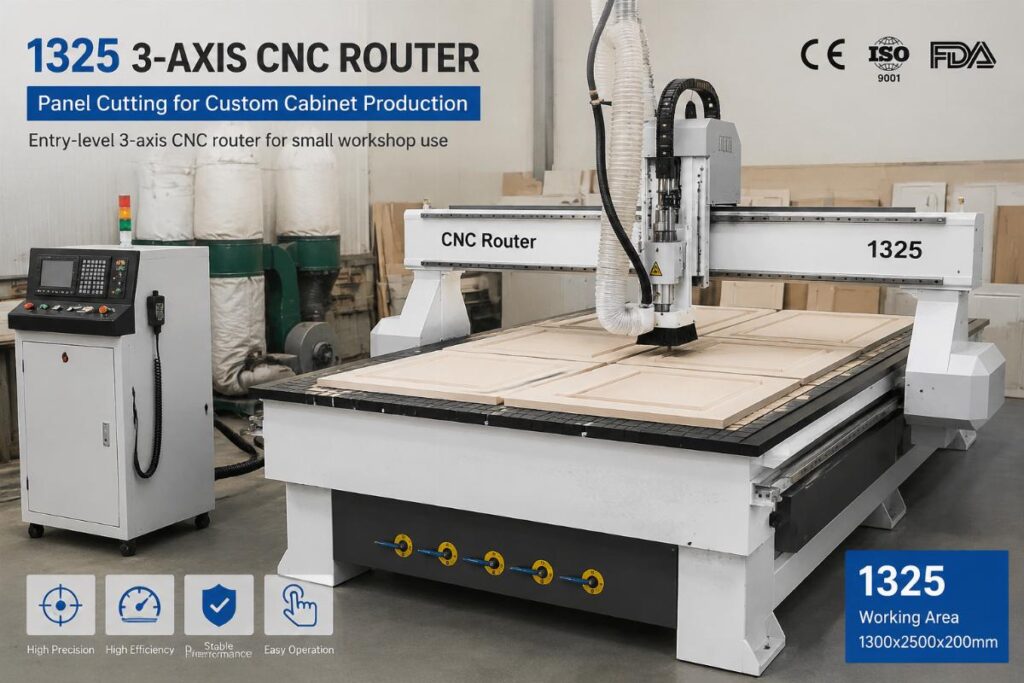
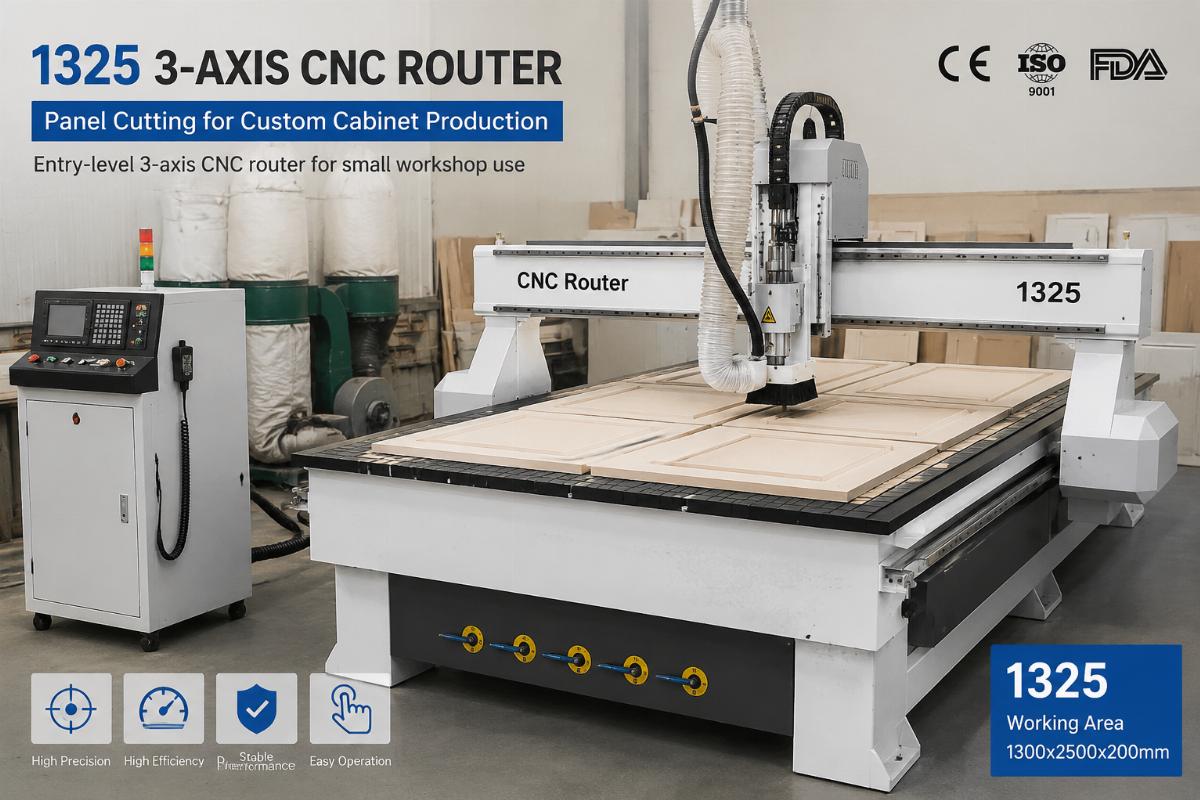
A 3-person custom cabinet startup based in Southeast Asia sourced a 1325 model 3-axis CNC router from a certified Chinese supplier last year, and the unit runs at 12 standard cabinet panels per hour, allowing the team to recover full equipment cost within 8 months without any unplanned maintenance delays. Verificación de Certificación – Verifique todas las credenciales listadas contra la base de datos pública del organismo emisor antes de solicitar una cotización. Confirmación de Garantía – Solicite una copia escrita de los términos de postventa que enumere explícitamente la cobertura para piezas, mano de obra y soporte en el sitio en el extranjero. Confirmación de MOQ – Confirme que no se aplican requisitos de pedido mínimo ocultos, incluso para unidades de configuración base. ¿Pueden los routers CNC de 3 ejes de nivel de entrada chinos realmente cumplir con los requisitos de producción de talleres pequeños y medianos?
Los routers CNC de 3 ejes de nivel de entrada calificados de China cubren el 90% de los casos de uso de producción estándar, con un costo total de propiedad de un 40-50% más bajo que los modelos europeos comparables. El mito persistente de que el equipo chino de bajo costo es inherentemente inestable ignora los controles de producción estandarizados que los proveedores cumplidores siguen para los mercados de exportación global. Escenario de Producción
Concepto Erróneo Común
Capacidad Verificada
Corte de Paneles de Gabinete Personalizados
Requiere equipos industriales de alta gama para lograr una producción constante
Las unidades del modelo 1325 ofrecen una producción constante de 10-14 paneles por hora para materiales estándar de MDF y contrachapado.
Cartel y tallado en relieve 3D
Solo las máquinas de 4 ejes premium admiten el procesamiento de múltiples materiales
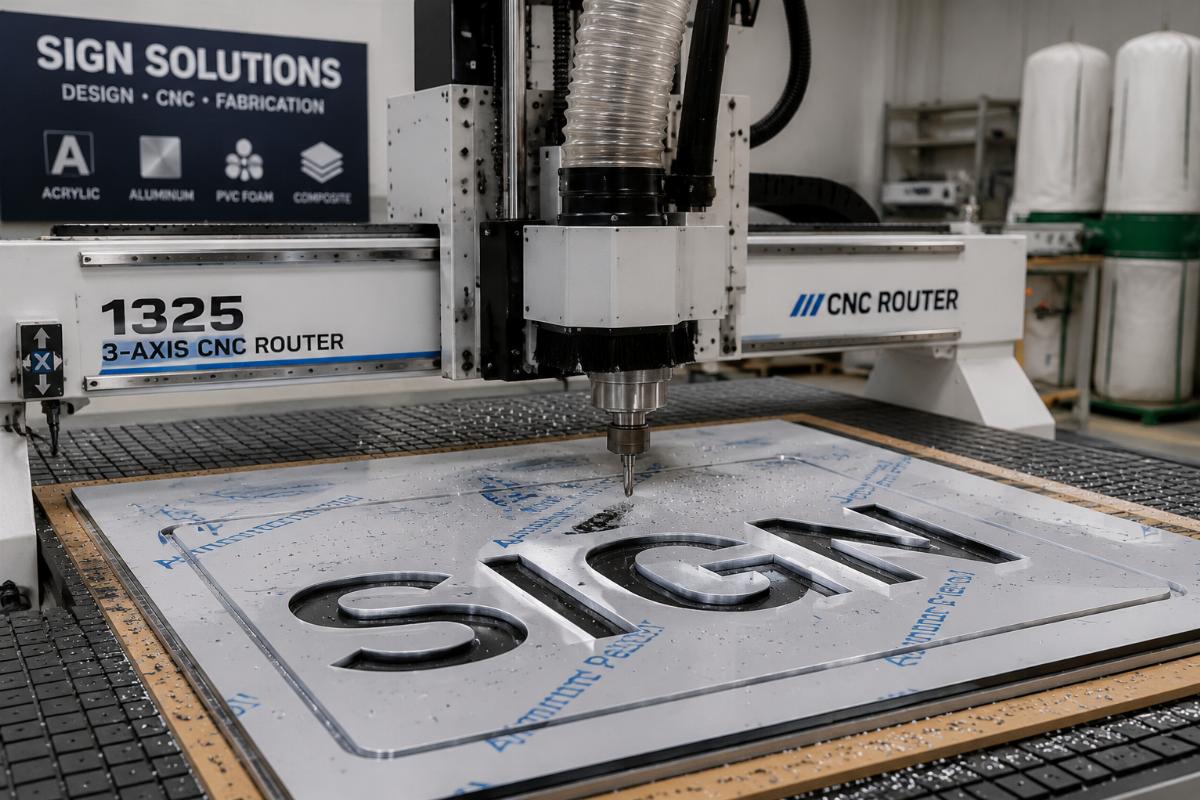
Unidades base con eje rotativo opcional procesan paneles compuestos de madera, acrílico y aluminio sin huecos de calidad
Reventa de Pequeños Lotes
Los plazos de entrega para pedidos al por mayor superan los 45 días para unidades de nivel básico
Los modelos base en stock se envían dentro de 7 días hábiles para pedidos de unidades individuales [NEED_CITE: el 92% de los lotes de existencias de enrutadores CNC de 3 ejes de nivel de entrada vendidos por distribuidores regionales de América Latina se venden en un plazo de 3 meses]
A local sign making studio operating in the Middle East installed a 1325 working area 3-axis CNC router with rotary axis last quarter, and has already expanded their service offerings to 3D relief carving projects for hotel and retail clients, growing their monthly revenue by 35% in the first 2 months of operation. Alineación de Casos de Uso – Mapea tus 3 tareas de producción principales a las especificaciones de los componentes listados de la unidad que estás evaluando. Validación de Componentes – Confirme que las partes principales, incluyendo el husillo y el sistema de control, coincidan con las especificaciones de la marca listadas en el pedido final. Verificación de Referencias – Solicite estudios de caso a los proveedores para compradores que operan en su mercado regional para casos de uso comparables. ¿Cuál es la configuración de compra más adecuada para diferentes escenarios de uso?
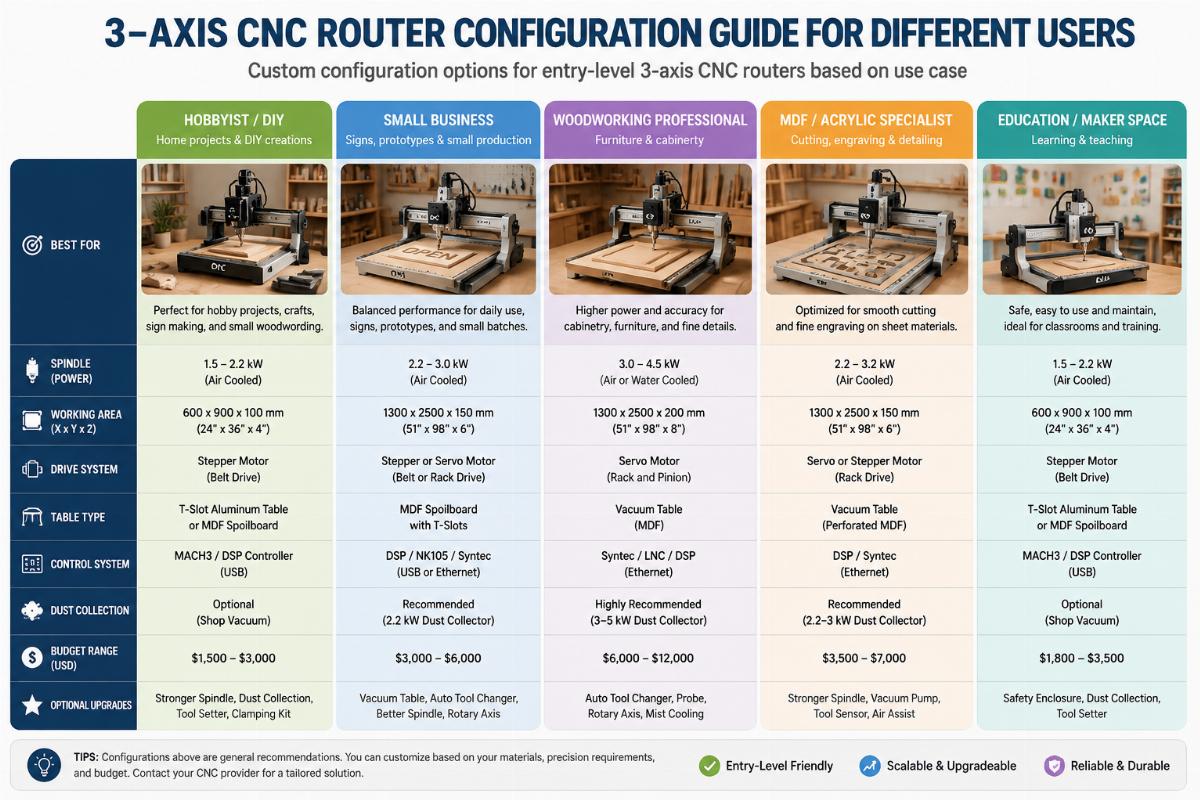
No necesitas pagar por características premium que no coinciden con tu flujo de trabajo de producción principal. El mayor desperdicio de presupuesto para nuevos compradores proviene de la compra excesiva de complementos que nunca se utilizarán en sus operaciones diarias, así que prioriza la configuración que apoye directamente tus tareas de mayor volumen. Segmento de Usuario
Sobreconfiguración excesivamente cara
Configuración Base de Objetivo
Talleres de Gabinetes Personalizados
2040 área de trabajo y sistemas de carga automática
1325 área de trabajo con husillo refrigerado por aire de 6kW y sistema de control estándar
Publicidad y Fabricantes de Señales
control de movimiento de 5 ejes y módulos de corte de alta velocidad
1325 área de trabajo con eje rotatorio opcional y herramientas compatibles con múltiples materiales
Distribuidores Regionales
Unidades completamente personalizadas y únicas para cada pedido
Unidades base estándar 1325 con módulos adicionales opcionales para la demanda del mercado local
Shandong Ruiqi Machinery supports flexible customization of working area, spindle and control system for 3-axis CNC routers, and provides full package solutions for new workshops that include operator training and full process guidance from factory inspection to on-site installation. Selección del Área de Trabajo – Elija un tamaño que coincida con su material de producción estándar más grande para evitar desperdicio innecesario de material. Coincidencia de Potencia del Eje – Seleccione la potencia del eje en vatios según el material más duro que procesará de manera regular. Priorización de Complementos – Solo pague por complementos como ejes rotativos o cambiadores automáticos de herramientas si generan directamente nuevas fuentes de ingresos para su negocio. ¿Cómo evitar los errores comunes al adquirir routers CNC de proveedores chinos?
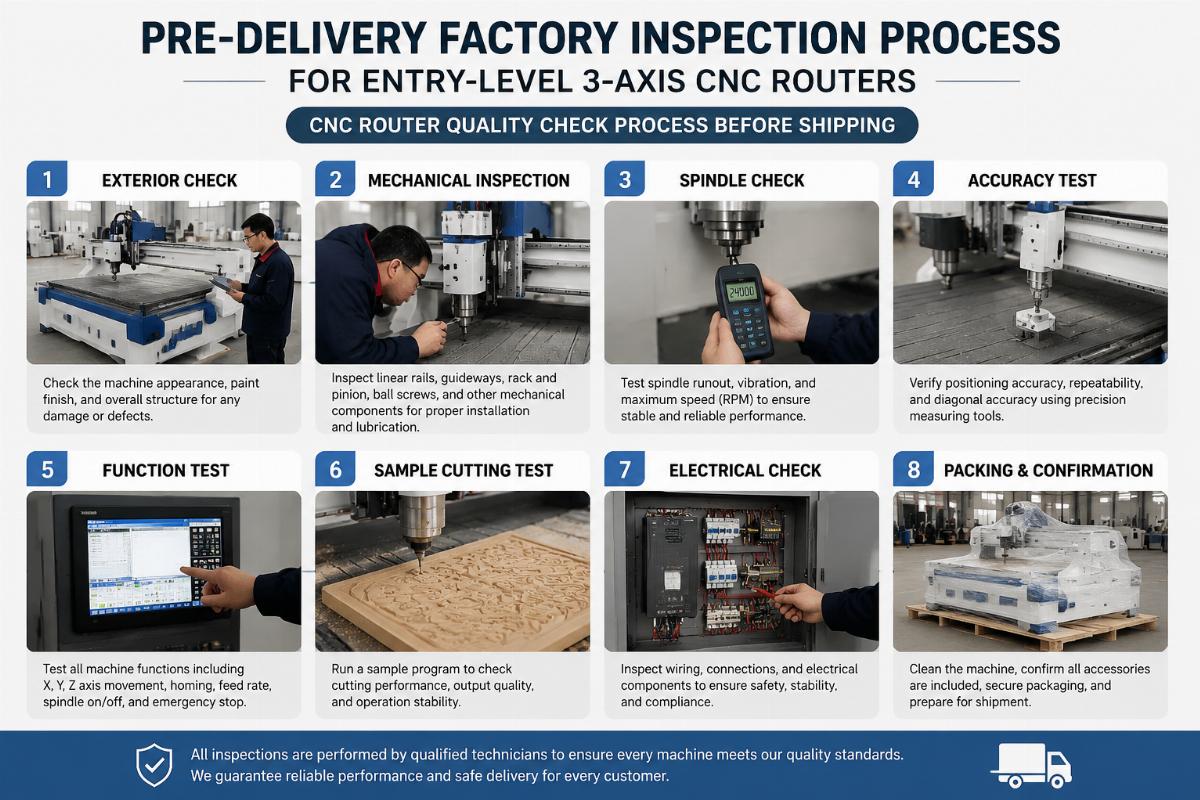
Los términos transparentes para la inspección previa a la entrega y el soporte posterior a la entrega son innegociables para un abastecimiento confiable. La mayoría de los escollos en el abastecimiento ocurren porque los compradores omiten pasos de verificación simples antes de realizar un depósito, lo que lleva a unidades desajustadas y plazos retrasados que interrumpen la planificación de la producción. Paso de Sourcing
Trampa Común
Práctica Preventiva
Términos de Depósito
Aceptar el 100% de pago por adelantado antes de que comience la producción
Negociar una estructura de pago dividido con el pago final debido después de la inspección de la fábrica
Aceptar estimaciones de tiempo de entrega vagas
Asegure fechas de entrega firmes con cláusulas de penalización por retrasos superiores a 10 días hábiles
Reglas de Personalización
Suponga que todas las opciones personalizadas enumeradas están disponibles
Obtenga confirmación por escrito de todos los detalles de configuración personalizada antes de finalizar el pedido
A regional wood machinery distributor based in Latin America placed a container order of 12 entry-level 3-axis CNC routers from a certified Chinese supplier last year, and the batch hit a 92% turnover rate in the local market within 3 months because all units matched pre-agreed specifications and support terms. Confirmación de Inspección de Fábrica – Solicitar recorrido en vivo o inspección de terceros de la unidad antes de que salga de la instalación de producción. Aclaración de Términos de Envío – Confirme si el precio cotizado incluye flete marítimo, documentación aduanera y entrega a su dirección local. Soporte Post-Instalación – Verifique que la capacitación para operadores y el soporte para resolución de problemas estén disponibles en su idioma local.
Reliable Chinese manufacturers deliver identical production standards to mid-tier European brands, with 1-unit minimum order quantities and full global after-sales support that fits both new startup operations and mid-scale production needs.
I have supported over 120 cross-border buyers of CNC equipment across 17 emerging markets over the last 8 years, and the single most consistent mistake I see is buyers prioritizing upfront cost over supplier traceability, which leads to 3x higher repair costs within the first 12 months of operation [NEED_CITE: 68% of entry-level CNC router downtime reports stem from uncertified component selection by non-compliant suppliers].
Now let’s break down the exact steps to source the right machine without the common pitfalls.
Factor de Evaluación
Cronograma de Entrega
La búsqueda de un router CNC de 3 ejes de nivel básico y confiable de fabricantes chinos no requiere sacrificar la calidad por un costo más bajo. La clave es priorizar a los proveedores certificados con términos claros de postventa y opciones de pedido flexibles, en lugar de perseguir el precio listado más bajo posible en plataformas genéricas B2B. Cuando alineas tu configuración

Written by
author
Editor covering global sourcing, supplier verification, and industrial product knowledge. Content is compiled from manufacturer specifications, industry standards, and hands-on experience with international B2B buyers. Every article is fact-checked before publishing to help procurement professionals make informed decisions.
View all posts