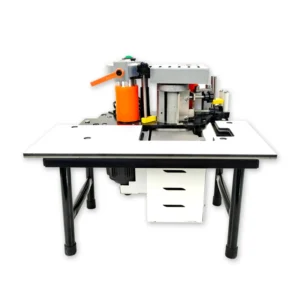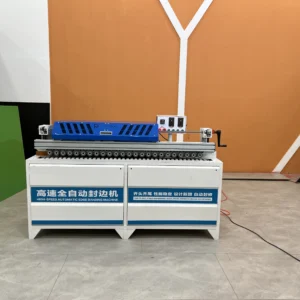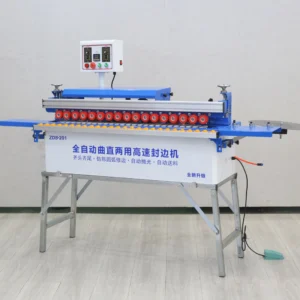

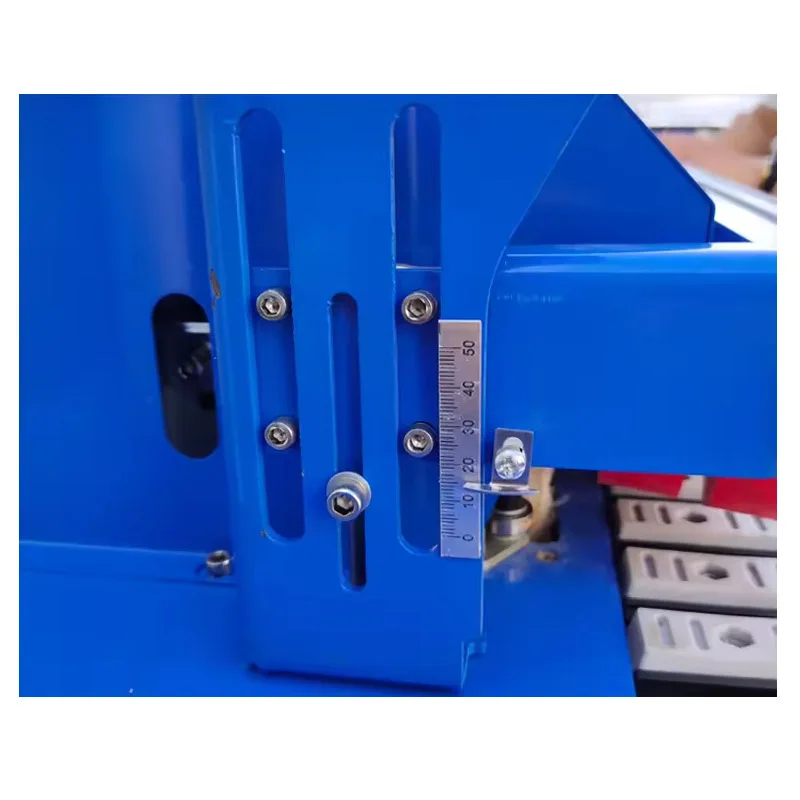


Description
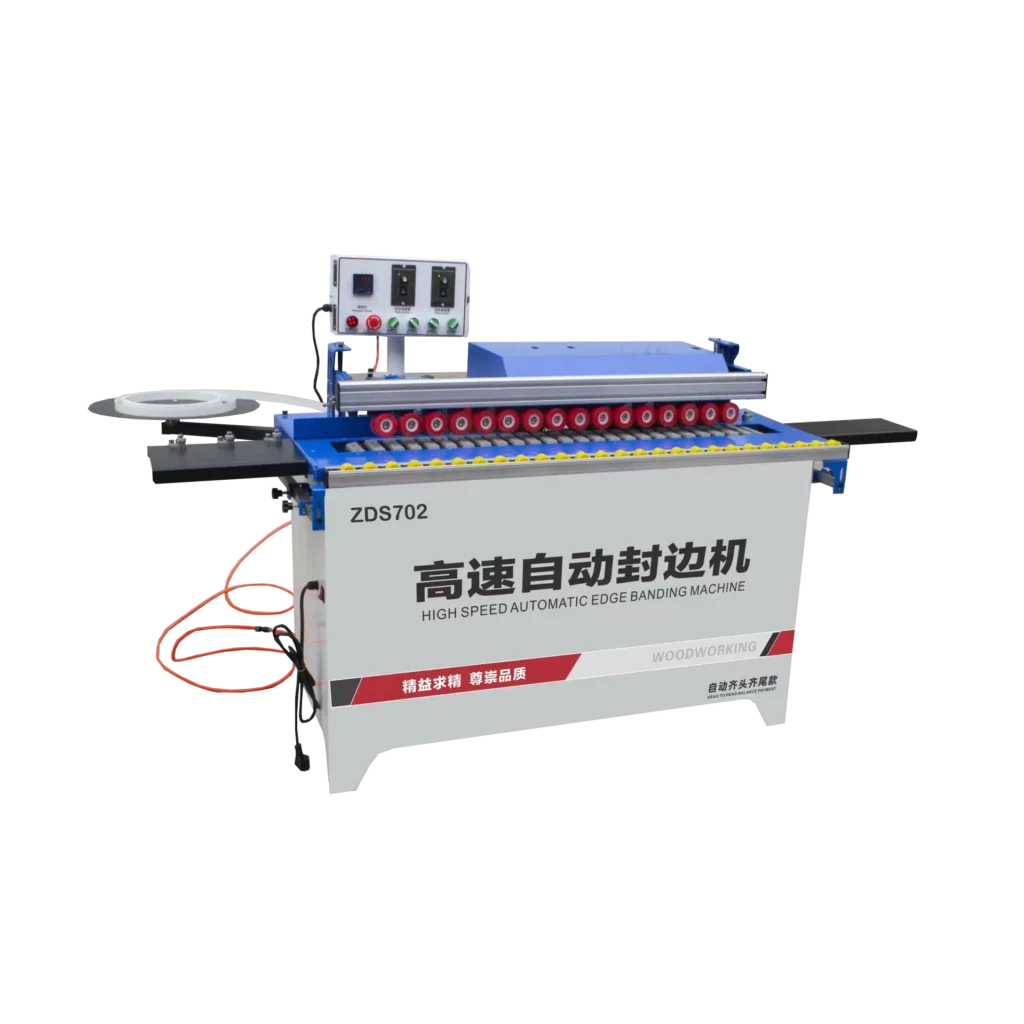
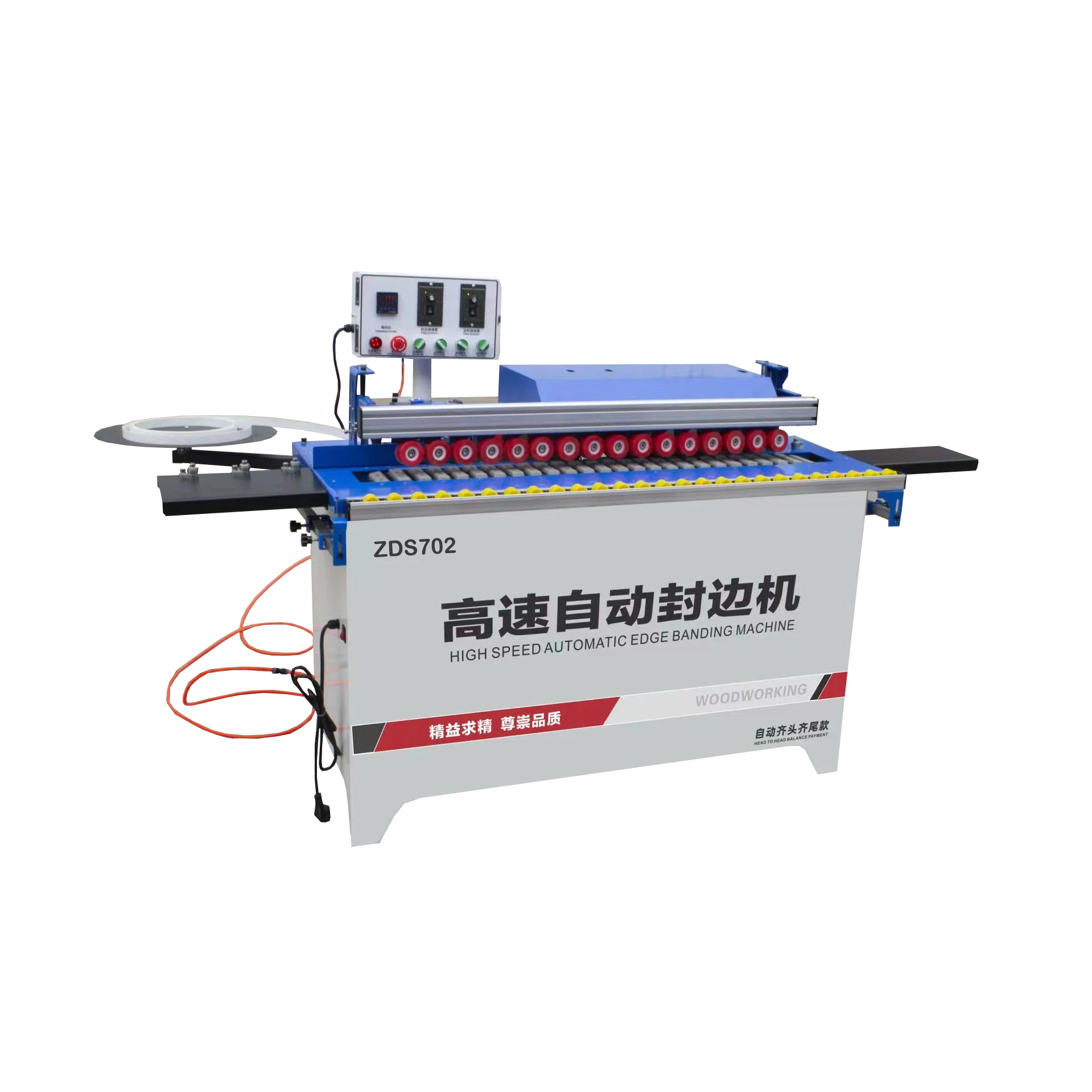
Voltage-Ready Configuration — The ZDS702 ships with confirmed 220V/380V wiring matched to your local grid frequency before it leaves the factory floor.
Technical Specifications
| Parameter | Value |
|---|---|
| Model | ZDS702 |
| Product Type | Semi-Automatic Edge Banding Machine |
| Edge Type | Straight line |
| Feed Speed | 0–10 m/min |
| Trimming Height | 5–50 mm |
| Edge Banding Thickness | 0.3–3 mm |
| Rated Power | 3.8 kW |
| Heating Power | 1000 W (5–10 min heat-up) |
| Glue Pot Capacity | 1000 ml |
| Rated Voltage | 220V / 380V / customization |
| Rated Air Pressure | 0.4–0.6 MPa |
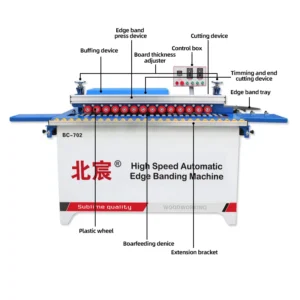
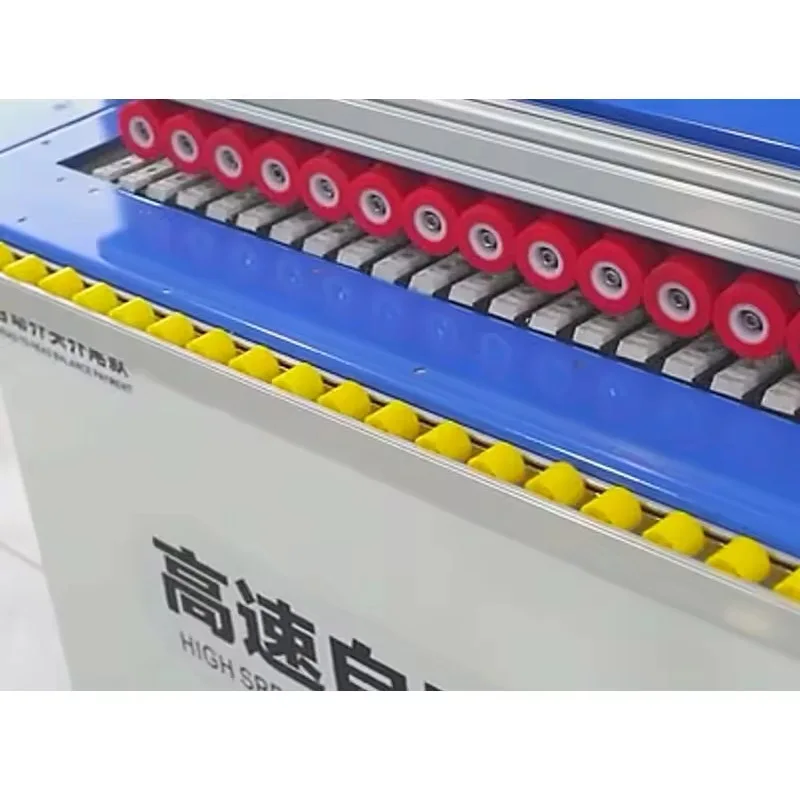
| Pressure System | One-piece pressure beam, double rows of pressure wheels, silicone conveyor belt |
| Pressure Adjustment | Hand crank wheel with precision scale |
| Dust Collection | Built-in vacuum device |
| Functions | Automatic plate feeding, end cutting, head and tail trimming, upper and lower polishing |
| Overall Dimensions | 120 × 55 × 120 cm |
| Machine Weight | 105 kg |
| Assembly State | Some assembly required; manual and video guidance provided |
Application Suitability
| Application | Material or Output |
|---|---|
| Custom cabinet door edging | MDF and plywood with PVC or veneer banding |
| Small-batch furniture panel finishing | Particleboard with 0.3–3 mm straight edge tape |
| Joinery workshop scale-up from manual trimming | Solid wood panels and melamine-faced board |
| Prototype and sample runs for bespoke furniture | Mixed substrates across short production batches |
Why Voltage Confirmation Must Precede Every Semi Automatic Edge Banding Machine Order
A machine wired for the wrong frequency will burn out its heating element before the first panel is edged.
I watched a workshop in Southeast Asia receive a 380V/50Hz edge bander when their local supply ran 60Hz. The glue pot overheated within the first hour, the EVA adhesive carbonized, and the entire batch of cabinet doors showed visible glue lines that peeled during assembly. The buyer had compared quotations on motor power and feed speed but never confirmed the frequency on the electrical schematic. That rework cost more than the machine itself. [NEED_CITE: voltage and frequency standards by export market]
Where the ZDS702 Sits in a Growing Workshop Line
When you survey a full machinery catalogue, the first question is never "which model is best" — it is "which tier matches my current volume and leaves room to scale." The ZDS702 occupies the semi-automatic position: it handles straight-line edging with end cutting, trimming, and polishing in one pass, yet keeps the footprint and power draw low enough for a workshop still running other stations manually. Buyers moving from hand-held trimmers to their first mechanized edge bander typically land here before considering full-function pre-milling models.
Reading the Range Without Skipping Tiers
A common mistake is jumping straight to the highest-spec machine when current throughput does not demand it. A semi automatic edge banding machine at this tier lets a joinery shop learn proper feed speed management, glue temperature control, and pressure wheel alignment before adding more complex stations. The advantage of sourcing from one product family is that when volume eventually outpaces this model, the next tier up shares similar control logic and maintenance routines — reducing the learning curve for operators already trained on the ZDS702. [NEED_CITE: CE machinery directive requirements for industrial equipment]
How Trimming Height and Feed Speed Shape Edge Quality
The 5–50 mm trimming height range means the ZDS702 handles thin shelving stock through thicker cabinet carcase panels without requiring a tooling change between jobs. The variable feed speed from 0 to 10 m/min gives the operator control over how long the trimming cutters engage the banding material — slower feed produces a cleaner shear cut on brittle veneer, while faster feed suits high-volume PVC runs where throughput matters more. The hand crank pressure adjustment with precision scale lets you dial in consistent contact force across different panel thicknesses, which directly affects whether the pressure wheels leave marks on delicate melamine surfaces. Glue pot capacity at 1000 ml is sized for intermittent batch work rather than continuous production, meaning you plan your glue replenishment around the batch rather than risking thermal degradation from adhesive sitting too long.
The Cost of Mismatched Feed Height and Line Throughput
Buyers who purchase individual machines without checking how they connect to upstream saws and downstream assembly benches often discover that the panel feed height does not align with the roller conveyor feeding into the next station. Panels then need to be lifted or lowered by hand between each process, which negates any speed advantage the edge bander itself provides. Similarly, if the semi-automatic unit outputs panels faster than the boring machine can accept them, work-in-progress stacks up on the floor — collecting dust, risking edge damage, and creating a bottleneck that no specification sheet warned about. [NEED_CITE: industrial machinery line integration standards]
Why Sourcing This Model Through the Full Catalogue Matters
The ZDS702 is positioned within a complete edge banding family, so comparing it against entry-level and full-function pre-milling models happens on one specification sheet rather than across unrelated suppliers. Voltage customization from 220V to 380V is confirmed in writing before production begins, not discovered after the crate arrives. A four-stage quality control process covers incoming components, in-process assembly, finished product testing, and pre-shipment verification with photographic records. The one-piece pressure beam and patented cutting mechanism are manufactured in-house, giving the factory direct control over tolerance rather than depending on outsourced sub-assemblies. Engineer-led configuration recommendations arrive within one working day of your inquiry, matching the machine to your actual substrate and daily volume.
Documentation & Verification
- Machine specification sheet confirming ZDS702 voltage and frequency for your market
- Electrical schematic showing wiring diagram matched to confirmed power supply
- Factory test record on your specified panel thickness and edge banding material
- Pre-shipment packing photographs showing machine condition before crating
- Operation and maintenance manual in the language you select at order stage
- Spare parts list with part numbers matching the as-built configuration
Installation, Commissioning & Support
- Requires level floor space of approximately 120 × 55 cm with clearance for panel infeed and outfeed
- Dedicated circuit matching confirmed 220V or 380V rating with appropriate breaker sizing
- Partial assembly on arrival; hand crank pressure beam and dust collector require field connection
- First-run calibration of glue pot temperature and trimming cutter alignment guided by manual or video
- Silicone conveyor belt inspection and pressure wheel tension check included in weekly maintenance schedule
- End cutting and trimming blades listed in spare parts sheet for routine replacement intervals
What We Need to Configure the Right Machine for Your Line
Tell us the substrates you actually cut — MDF, particleboard, plywood, or solid wood — along with the edge banding material and thickness you run most often. Confirm your local voltage and frequency so the electrical system is built correctly from the start. If you already have upstream saws or downstream boring machines, share their feed height and throughput so we can flag any mismatch before the order is placed.
Frequently Asked Questions
Q: How does the ZDS702 compare to other models in the edge banding range?
A: The ZDS702 sits in the semi-automatic tier, offering end cutting, trimming, and polishing in one pass with a compact footprint. Entry-level models may omit automatic trimming, while full-function pre-milling machines add stations for higher throughput and heavier substrates. Comparing tiers within one catalogue lets you match current volume without over-specifying.
Q: What voltage and frequency options are available for my market?
A: The ZDS702 supports 220V and 380V configurations with frequency confirmed at the quotation stage. Before production begins, you receive an electrical schematic showing the exact wiring for your local supply. This eliminates the risk of receiving a machine that cannot operate on your workshop’s power infrastructure.
Q: How do I choose between semi-automatic and full-function pre-milling models?
A: Semi-automatic suits workshops running straight-line edging on standard panels at moderate volumes. If you process high-moisture particleboard that requires pre-milling for clean glue adhesion, or if daily throughput demands continuous rather than batch operation, a full-function model may be more appropriate. Share your substrate and daily panel count for a matched recommendation.
Q: Can I visit the factory to see the complete machine lineup?
A: Factory visits are welcomed and encouraged. You can see the ZDS702 alongside entry-level and full-function models, observe a test run on your own panel material, and verify manufacturing depth including in-house pressure beam assembly and cutting mechanism production. Schedule your visit during the inquiry stage before order confirmation.
Q: What documentation comes with the machine at shipment?
A: Each ZDS702 ships with a confirmed specification sheet, electrical schematic, factory test record, pre-shipment packing photographs, an operation manual in your chosen language, and a spare parts list. These documents support customs clearance and give your maintenance team the reference material needed for commissioning and ongoing service.