Description
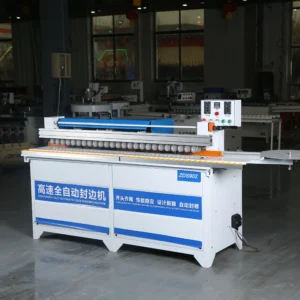
Precision Cutting Mechanism — ZDSF190 edge banding machine integrates patented trimming geometry with a four-stage quality check to verify tolerance before dispatch.
Technical Specifications
| Parameter | Value |
|---|---|
| Model | ZDSF190 |
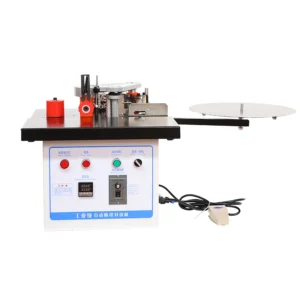
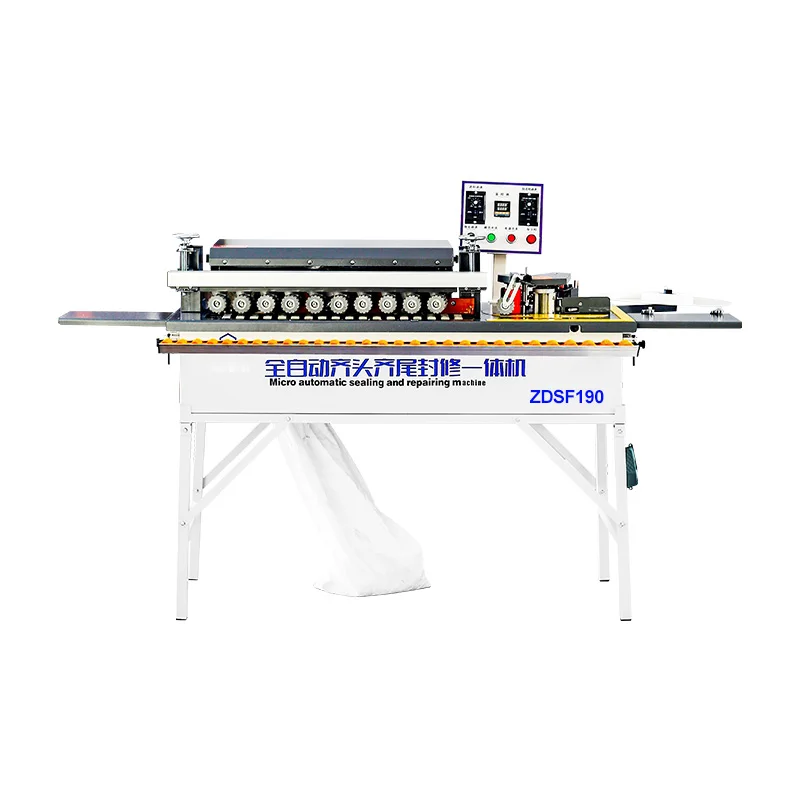
| Product Type | Portable Curved and Straight Edge Banding Machine |
| Function | Automatic plate feeding, double-sided gluing, upper/lower trimming and polishing |
| Edge Type | Both curved and straight lines |
| Voltage & Frequency | 220V 50Hz |
| Rated Power | 4 kW |
| Suction Power | 1200 W |
| Heating Power | 800 W |
| Polishing Power | 180 W × 2 |
| Trimming Power | 800 W × 2 |
| Conveyor Belt Speed | 0–14 m/min |
| Panel Thickness Range | 10–50 mm |
| Strip Thickness Range | 0.5–2.5 mm |
| Glue Pot Capacity | 1000 ml |
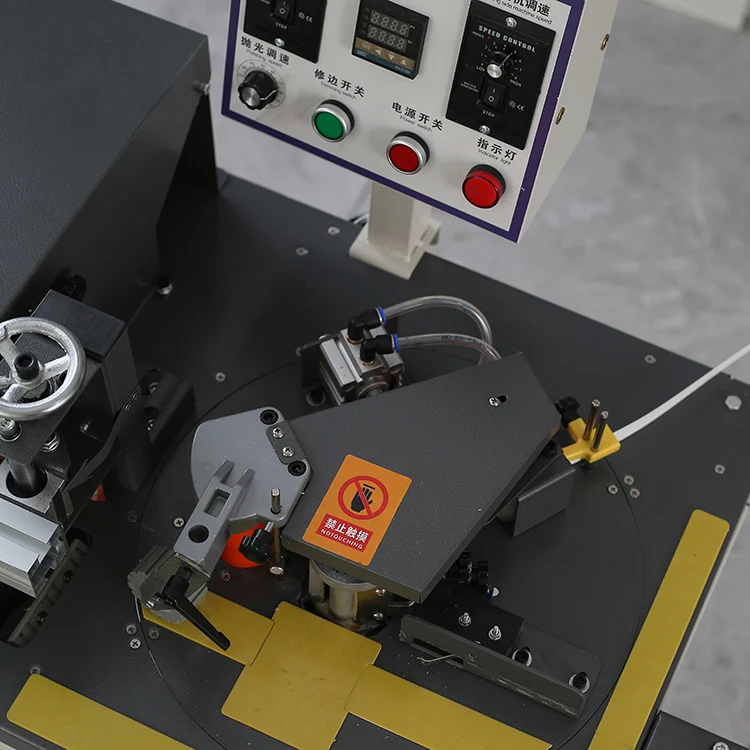
| Trimming Cutter | 4-edge arc-shaped alloy cutter head |
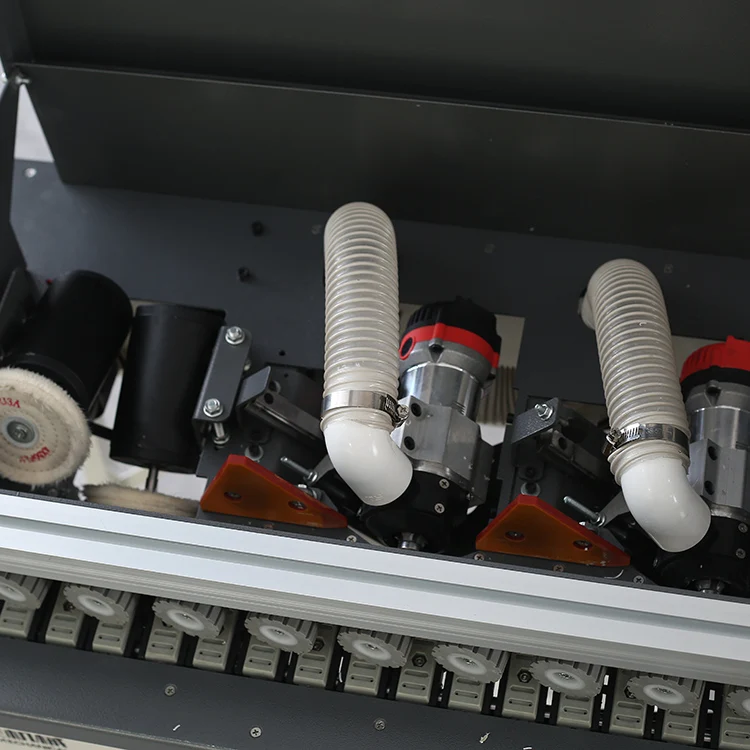
| Dust Extraction | Large diameter surrounding vacuum, dual collectors |
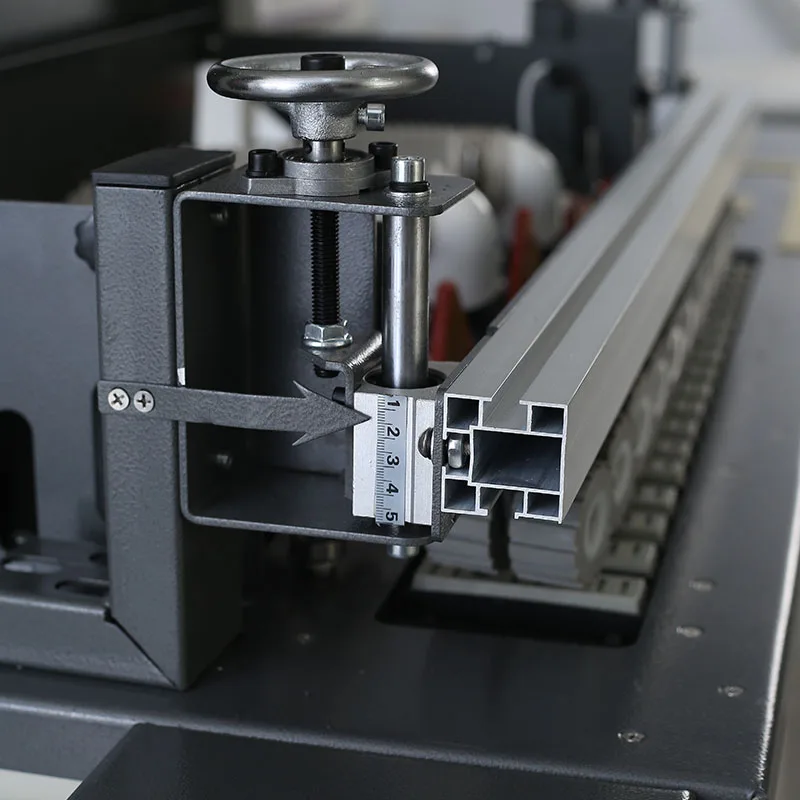
| Pressure Beam | Adjustable aluminum alloy pressure beam |
| Feed Mechanism | Double-row rubber pressure wheels, steel rod slide rails |
| Control Panel | Multi-function button operation |
| Curved/Straight Switch | 180° rotation |
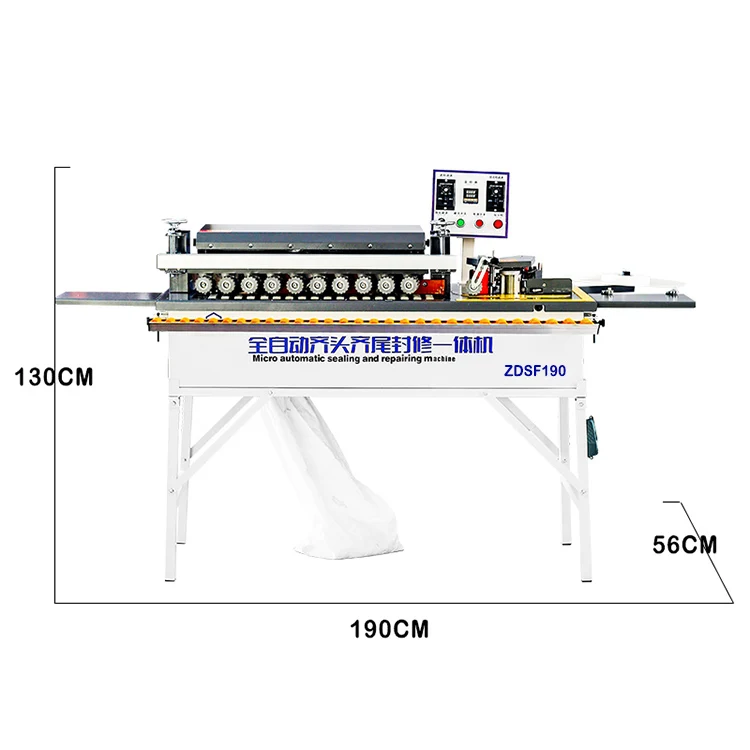
| Overall Dimensions (L×W×H) | 1900 × 560 × 1300 mm |
| Net Weight | 120 kg |
Application Suitability
| Application | Material or Output |
|---|---|
| Custom furniture production | MDF, plywood, particleboard panels 10–50 mm thick |
| Cabinet door edge finishing | PVC and veneer strip 0.5–2.5 mm |
| Joinery workshop scale-up | Solid wood panels requiring curved profile banding |
| Small batch prototype runs | Mixed straight and contoured panel components |
Why the Voltage Question Should Come Before the Price on an Edge Banding Machine for sale
Confirming local power supply compatibility is the first step before evaluating any edge banding machine manufacturer quotation.
A significant portion of equipment arriving unusable at overseas facilities traces back to a mismatch between the machine’s configured motor winding and the local grid frequency [NEED_CITE: voltage and frequency standards by export market]. The ZDSF190 is listed at 220V 50Hz, which serves specific regions but leaves others requiring reconfiguration. When workshops purchase based on catalogue images without confirming the electrical schematic, commissioning stalls until a local electrician rewinds motors or sources step-up transformers.
Where the ZDSF190 Sits in a Complete Edge Banding Machine Range
This portable curved and straight edge banding machine occupies the compact, dual-purpose tier within the Ruiqi product family. Workshops that process both contoured cabinet components and standard rectangular panels use this single unit instead of maintaining two separate stations. As production volume grows and throughput requirements exceed the 0–14 m/min feed speed, buyers transition to higher-tier full-function models within the same Edge Banding Machine manufacturer ecosystem without changing supplier relationships.
Dual-Purpose Design Eliminates the Two-Machine Problem
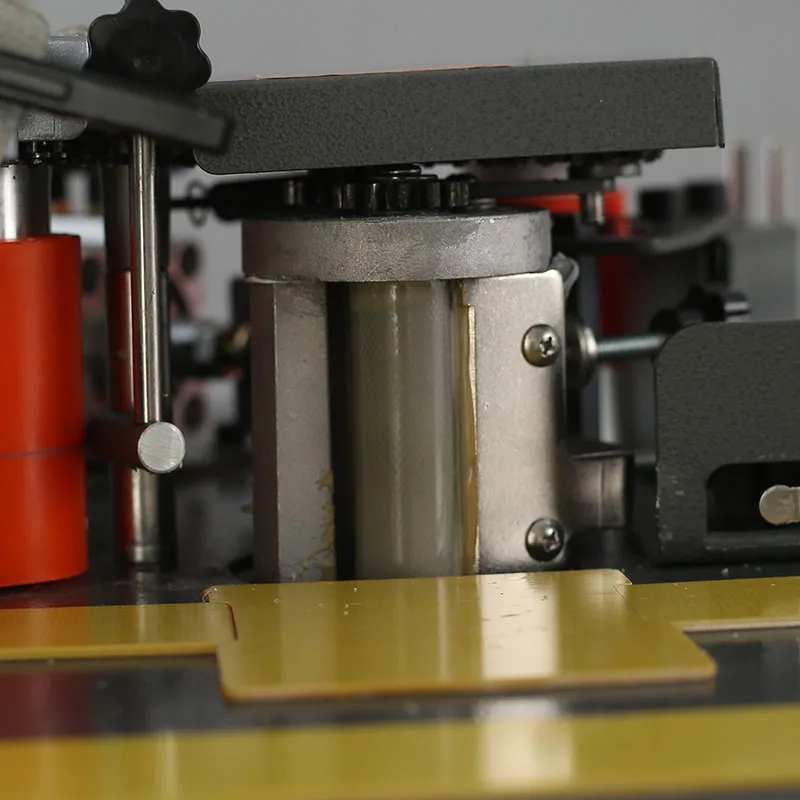
The 180° rotation switching mechanism converts the ZDSF190 from straight-line conveyor feeding to curved edge contouring in one motion. Small workshops operating under floor space constraints avoid dedicating square meters to a second dedicated curved edge bander that sits idle during straight-run production days. The adjustable aluminum alloy pressure beam and double-row rubber pressure wheels maintain consistent strip contact across both geometries.
How Panel Thickness Range and Trimming Stations Determine Edge Quality
The 10–50 mm panel thickness range covers the majority of furniture-grade MDF and particleboard substrates encountered in custom cabinet production. When panels fall outside this window, the pressure beam cannot maintain uniform downward force, causing the edge strip to lift at the glue line during trimming passes. The 4-edge arc-shaped alloy cutter head paired with upper and lower trimming stations removes excess strip material in a single pass, while the dual polishing stations at 180 W each smooth the final edge profile [NEED_CITE: edge banding cutter geometry and surface finish standards]. The 1000 ml glue pot capacity supports continuous runs without frequent refill interruptions, though glue roller volume adjustment remains necessary when switching between porous particleboard and sealed melamine surfaces.
What Happens When Buyers Skip the Material Compatibility Check
Edge banding quality inconsistencies across different panel substrates often surface only after installation, when the machine runs production material rather than showroom samples [NEED_CITE: substrate density and glue penetration requirements for particleboard versus MDF]. High-density particleboard absorbs adhesive differently than medium-density fiberboard, requiring adjusted glue roller pressure and pot temperature settings. The ZDSF190 specification sheet lists PVC and veneer within the 0.5–2.5 mm strip thickness range, but buyers processing ABS or thicker solid wood lipping must verify compatibility before committing to a single-machine purchase that later proves incompatible with their primary material mix.
Why Procurement from a Verified Manufacturer Matters
In-house manufacturing with patented cutting mechanisms ensures the trimming geometry matches the stated tolerance specifications rather than relying on third-party component sourcing. The four-stage QC process covering incoming material through pre-shipment verification means the ZDSF190 undergoes factory testing before crating, not just visual inspection. Voltage and language customization as standard prevents the scenario where control panels arrive in a language the operator cannot read, stalling commissioning. Engineer-led configuration recommendation within 24 hours addresses the specific panel thickness and feed speed requirements rather than shipping a generic stock unit. Factory visits remain welcomed for buyers who prefer to witness the sample processing test on their own panel material before order confirmation.
Documentation & Verification
- CE declaration of conformity covering the ZDSF190 portable edge banding machine model scope
- Machine specification sheet confirming 220V 50Hz configuration matches your facility power supply
- Electrical schematic with voltage confirmation document provided before production begins
- Factory test record on your specific panel thickness range and strip material before dispatch
- Operation and maintenance manual in the agreed language with spare parts list included
Installation, Commissioning & Support
- Floor space allocation for 1900 × 560 mm footprint with clearance for 180° rotation curved mode
- Dedicated 4 kW circuit at 220V 50Hz with appropriate breaker rating for motor startup current
- Pneumatic supply connection at 0.4–0.6 MPa rated air pressure for strip cutting and pressure beam actuation
- First-run parameter setting for glue pot temperature and roller volume based on your panel material porosity
- Trimming cutter head adjustment procedure for 10–50 mm panel thickness range calibration
- Dual dust collector hose routing for the large diameter surrounding vacuum system
Request a Configuration Proposal
Provide your primary panel material type, typical thickness range, and whether curved profiles represent a significant portion of your workload. Specify your facility voltage and frequency to confirm the ZDSF190 configuration matches local grid standards before quotation. Indicate your daily production volume to assess whether this portable tier meets throughput requirements or whether a higher-tier model within the range serves your operation better.
Frequently Asked Questions
Q: Where does the ZDSF190 sit in the full Ruiqi edge banding machine range, and which model is the logical upgrade path as production volume grows?
A: The ZDSF190 occupies the compact dual-purpose tier, handling both curved and straight profiles on a single unit for workshops with mixed component geometries. As throughput requirements exceed the 0–14 m/min feed speed or panel thickness exceeds 50 mm, buyers transition to full-function pre-milling models within the same product family. This maintains supplier continuity while scaling capacity.
Q: What panel materials and edge banding types are verified compatible with the ZDSF190, and what strip thickness range does it support?
A: The specification sheet lists MDF, plywood, particleboard, and solid wood panels within the 10–50 mm thickness range. Strip materials include PVC and veneer within the 0.5–2.5 mm thickness window. Buyers processing ABS, melamine, or thicker solid wood lipping should request a sample processing test on their specific material before order confirmation.
Q: How is voltage and frequency confirmed before shipment to ensure the machine arrives usable at the buyer’s facility?
A: The electrical schematic and voltage confirmation document are provided during the specification review stage before production begins. The standard configuration is 220V 50Hz, but the manufacturer confirms your local grid standards and adjusts motor winding and control transformer specifications accordingly. This prevents the scenario where equipment arrives requiring external step-up transformers or motor rewinding.
Q: What documentation is included with the ZDSF190 upon delivery?
A: The shipment includes the CE declaration of conformity, machine specification sheet, electrical schematic, operation and maintenance manual in the agreed language, spare parts list, packing photographs, and factory test record. Customs documentation support is provided for export clearance procedures.
Q: Can a buyer visit the factory or request a sample processing test on their own panel material before placing an order?
A: Factory visits are welcomed, and buyers can bring their own panel samples for processing tests on the ZDSF190 to verify edge quality, glue adhesion, and trimming finish on their specific substrate. This confirms compatibility with high-density particleboard or other materials that behave differently than standard showroom samples.