Description
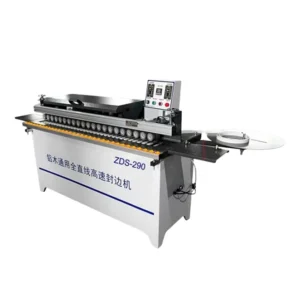
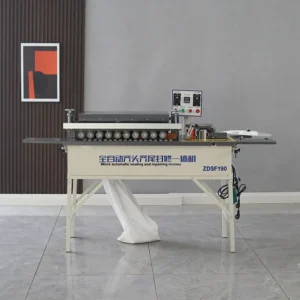
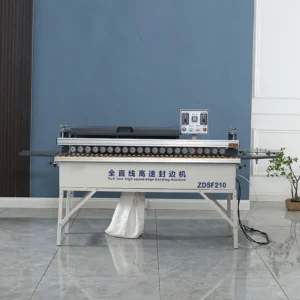
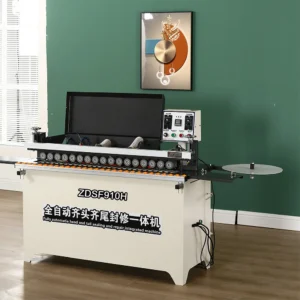
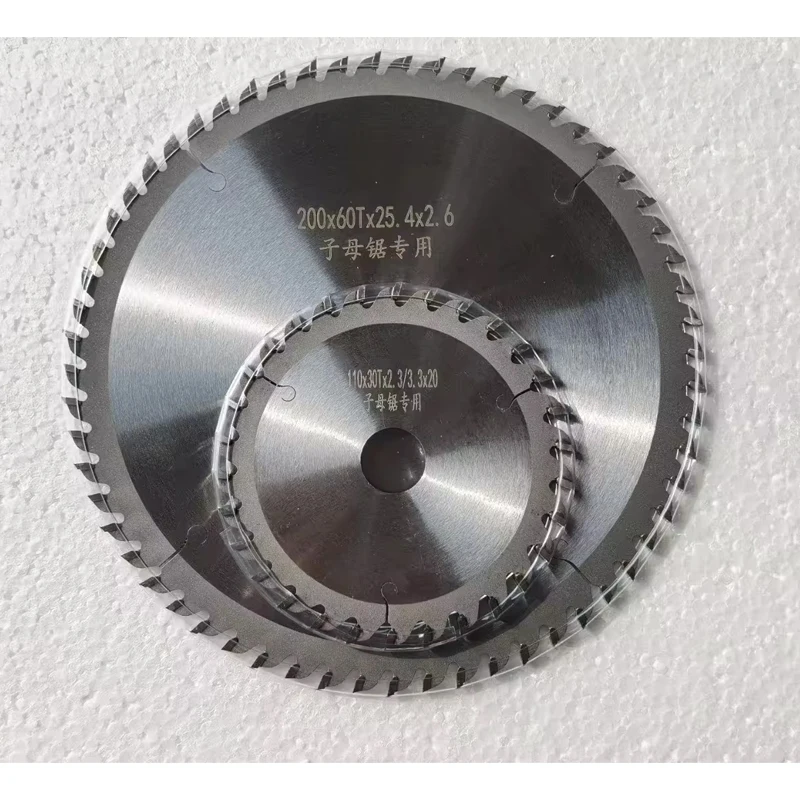
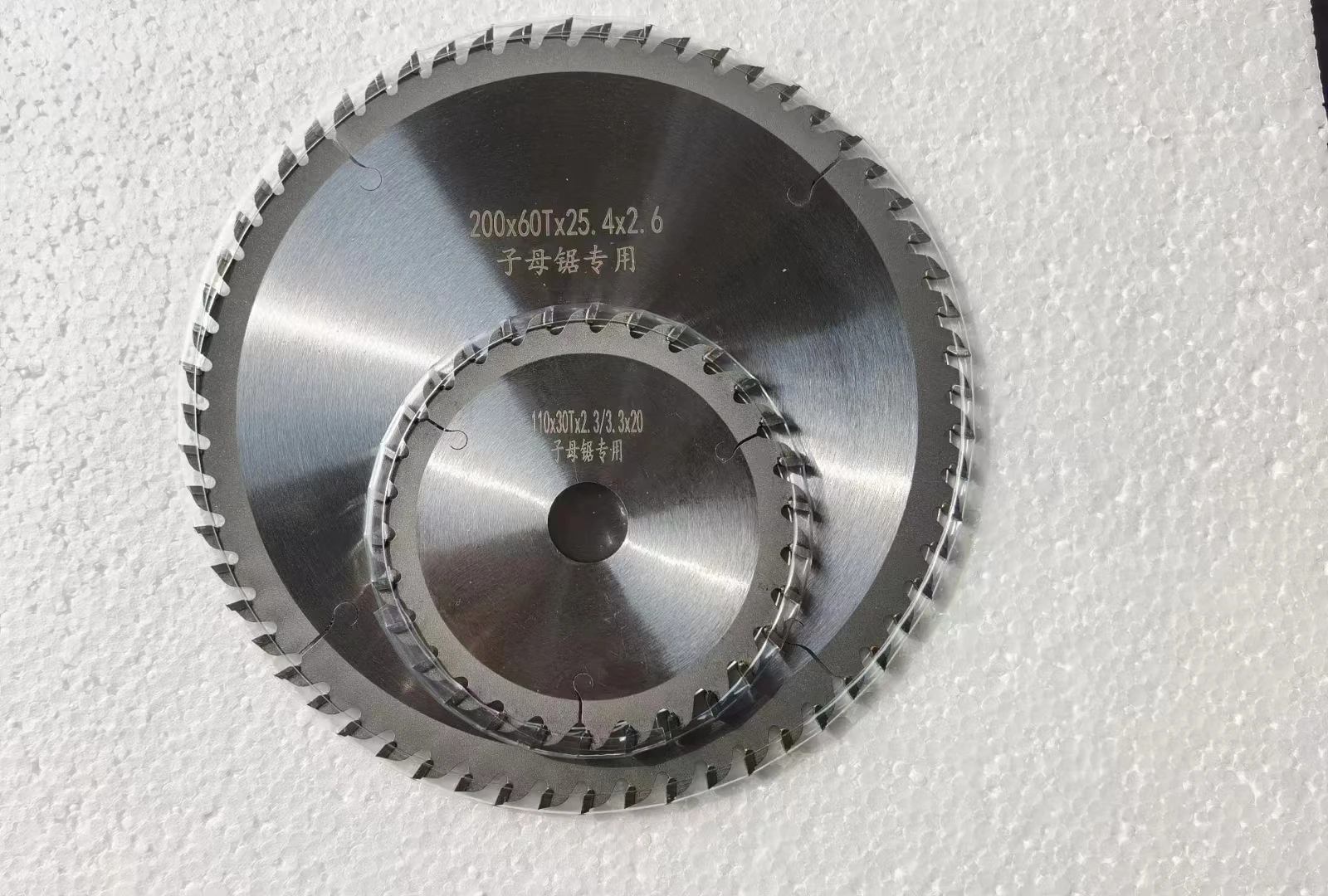
Complete Product Family — the dust-free mother saw range spans entry-level to high-throughput tiers so your workshop scales within one supplier ecosystem.
Technical Specifications
| Parameter | Value |
|---|---|
| Product Type | Dust-Free Mother Saw (Panel Sizing Saw) |
| Blade Configuration | Main saw blade with scoring unit |
| Dust Extraction | Integrated dust-free system (basis not stated in source — confirm extraction port diameter and airflow requirement) |
| Panel Thickness Range | (source value missing — verify against manufacturer catalog) |
| Panel Width Range | (source value missing — verify against manufacturer catalog) |
| Feed Speed | (source value missing — verify against manufacturer catalog) |
| Tolerance | (source value missing — verify against manufacturer catalog) |
| Rated Power | (source value missing — verify against manufacturer catalog) |
| Voltage & Frequency | Configurable from 110V to 440V, 50/60Hz |
| Control System | (source value missing — verify against manufacturer catalog) |
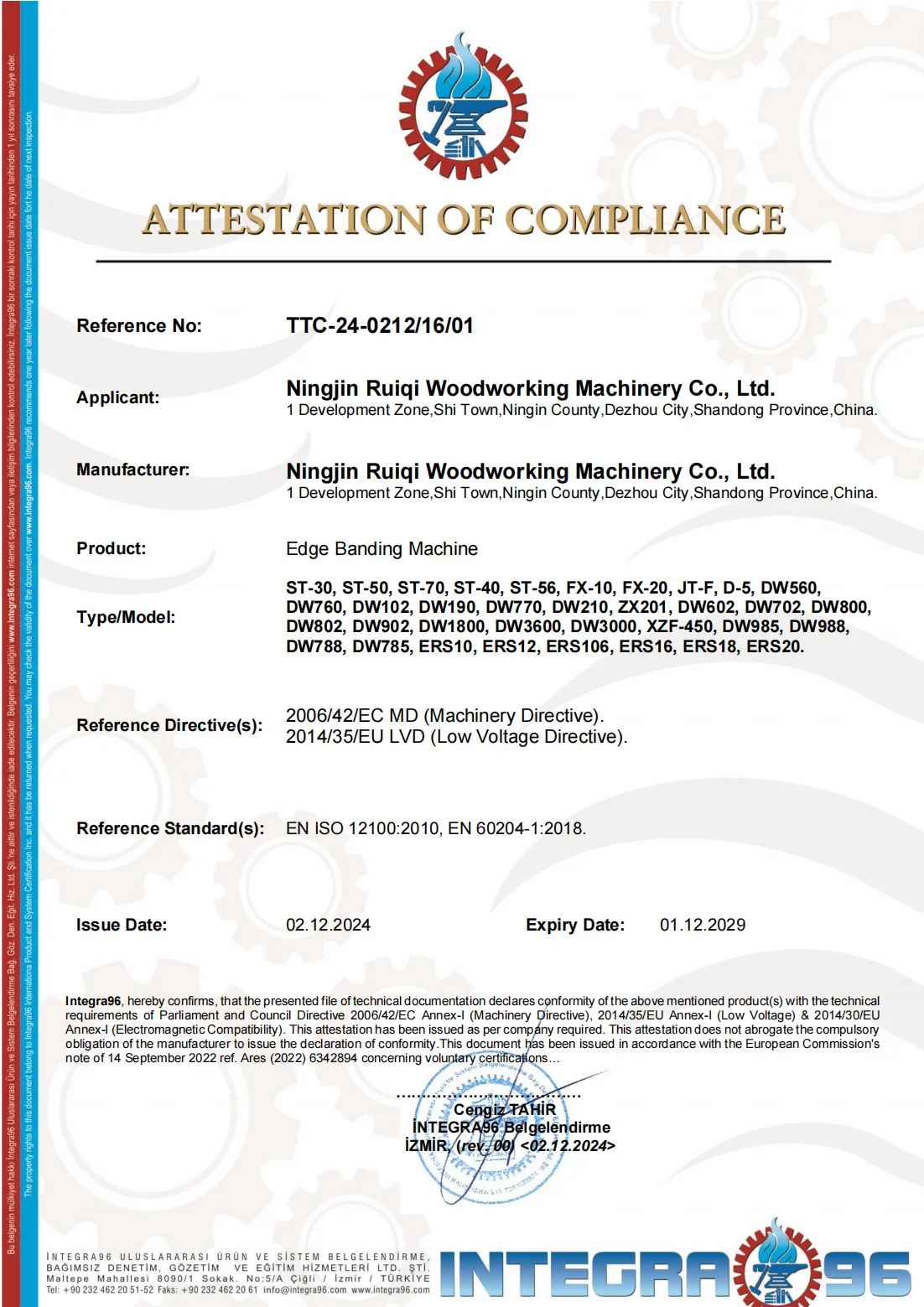
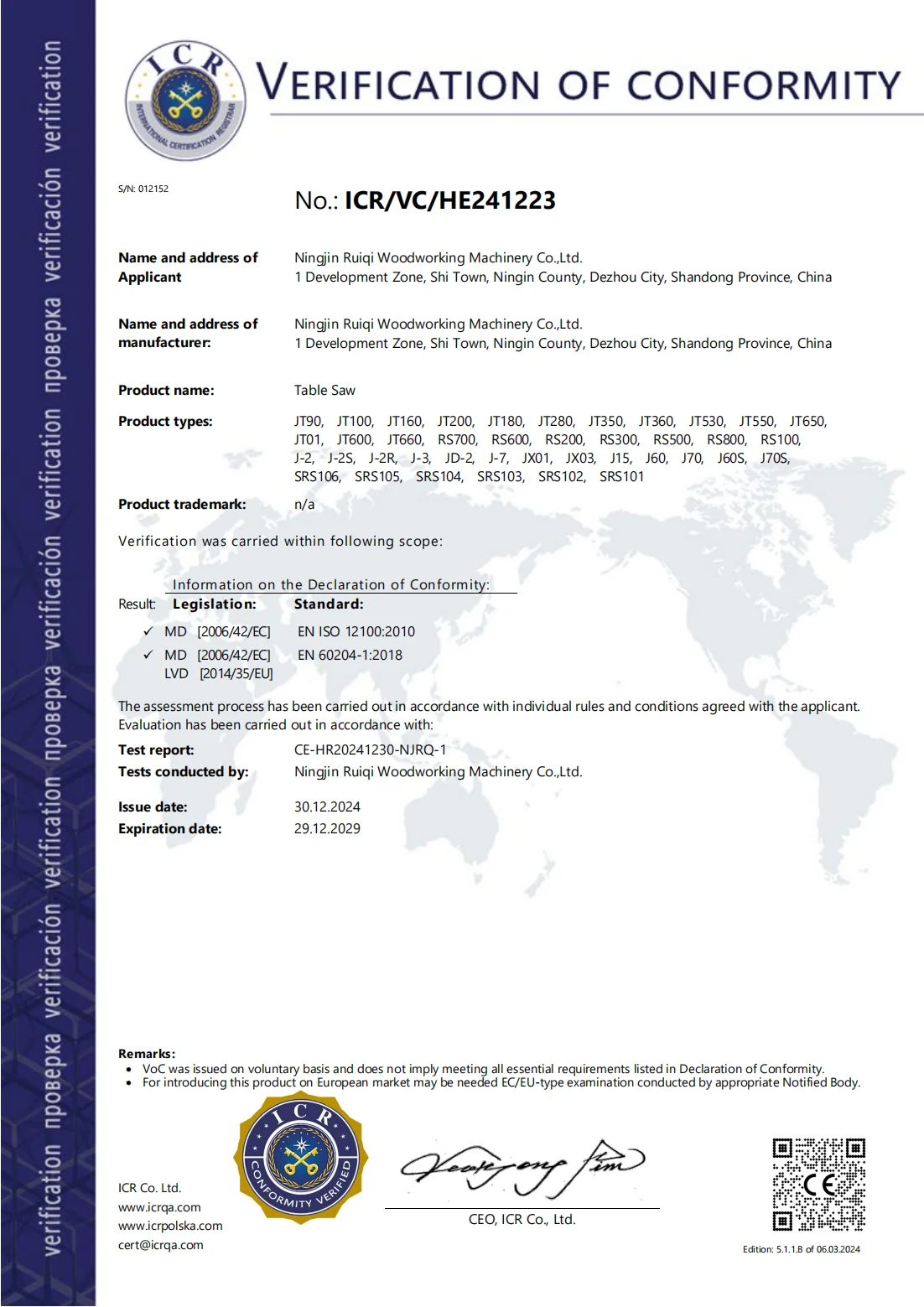
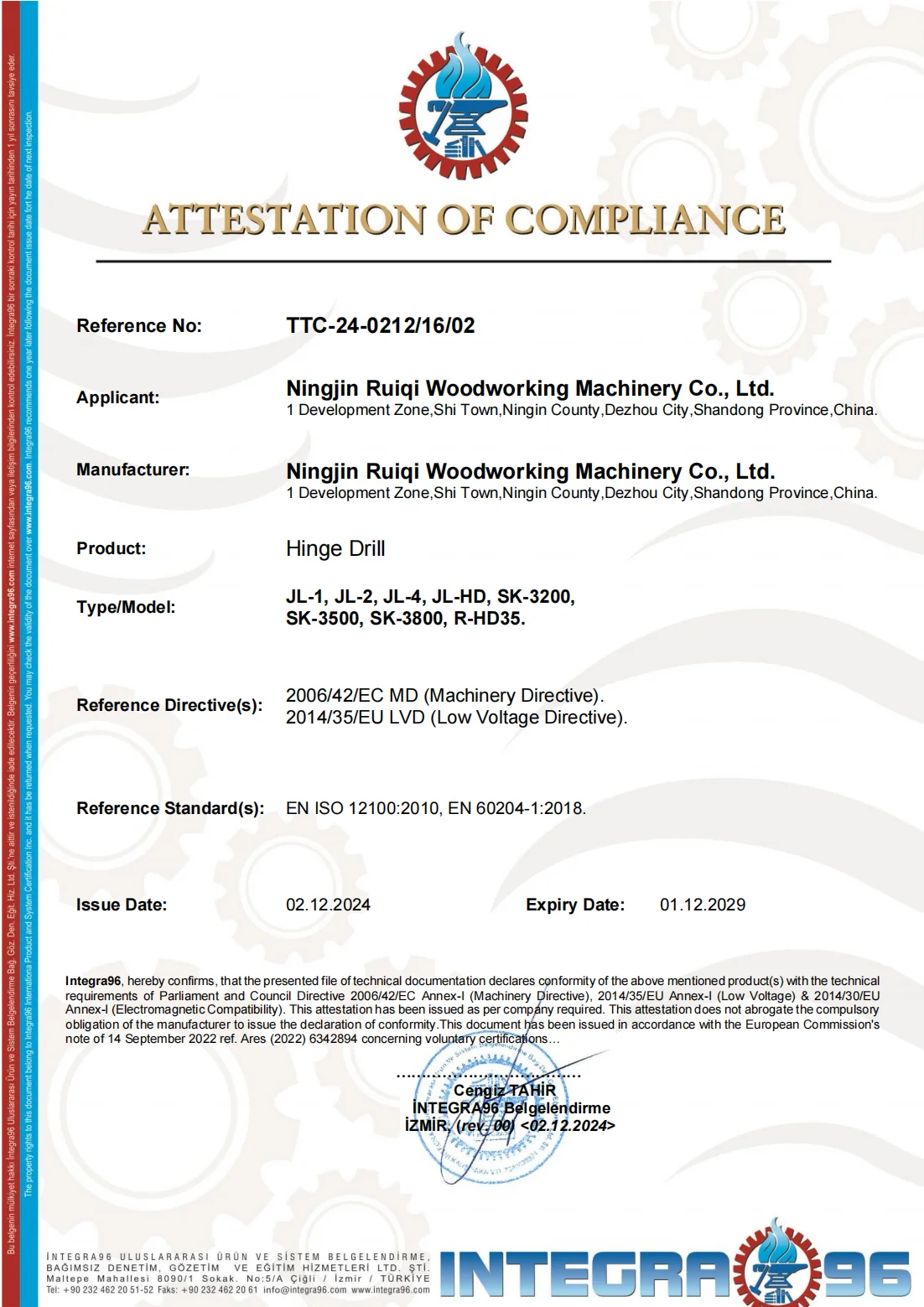
| Certification | CE, ISO 9001 |
| Warranty | 1 Year |
Application Suitability
| Application | Material or Output |
|---|---|
| Panel sizing for custom furniture | MDF, particleboard, plywood blanks before edge banding |
| Melamine-faced board pre-cutting | Laminated panels requiring chip-free scoring cuts |
| Cabinet blank preparation | Veneered and PVC-laminated sheets for downstream assembly |
| Solid wood dimensioning | Hardwood and softwood panels for joinery workshops |
Why the Voltage Question Comes Before the Price
A Dust-Free Mother Saw manufacturer can deliver a machine that cuts perfectly — yet sits idle for weeks if the electrical supply does not match the factory floor. Electrical mismatch is the single most avoidable cause of commissioning delay in exported woodworking machinery.
I once configured a panel sizing saw for a workshop in the Middle East. The local supply was 440V three-phase, but the purchase order defaulted to a standard 380V build. The machine arrived, the contractor opened the panel, and work stopped. A step-down transformer took three weeks to source locally, during which the entire cutting line — including the edge bander and boring station already on site — produced nothing. Since that incident, every quotation I prepare carries a voltage and frequency confirmation line that the buyer must sign before the build sheet is released. The cost of asking the question early is zero. The cost of discovering the problem after the crate is opened runs into weeks of lost production [NEED_CITE: voltage and frequency standards by export market].
Model Tiers Across the Product Family
The range covers basic workshop sizing saws through to continuous-feed production models. A joinery startup cutting a few dozen panels a day can begin with a compact unit, then move to a higher feed-speed tier as order volumes grow — without changing the supplier relationship or retraining operators on an unfamiliar control layout. Selecting a Dust-Free Mother Saw manufacturer with a full product family means every subsequent machine shares the same documentation style, spare parts logic, and electrical conventions.
Matching Throughput to Downstream Stations
Panel sizing is the first operation in a furniture production sequence. If the mother saw feeds blanks faster than the edge bander can accept them, work-in-progress accumulates on the floor. If it feeds slower, the banding station idles. The correct tier depends on the throughput rating of the downstream equipment and the average batch size the workshop processes. This is where an engineer-led configuration discussion — rather than a catalogue click — prevents bottlenecks before they appear [NEED_CITE: production line throughput matching in panel furniture manufacturing].
Reading the Specification Sheet for What It Actually Means
The scoring blade exists to eliminate chip-out on the underside of laminated panels. When the scoring unit is correctly adjusted to the panel thickness, the main blade only needs to remove material that the scoring blade has already defined, producing a clean edge on both faces. The dust extraction system requires a workshop dust collector with sufficient static pressure and airflow — if the existing collector is undersized, the integrated port will not capture particulate effectively, and airborne dust will settle on freshly glued surfaces downstream. Voltage configurability from 110V to 440V means the motor winding and control transformer are specified at the factory for the destination market, eliminating the need for external transformers that introduce voltage drop under load. Tolerance on the cut directly affects whether a panel drops into a dowel or confirmat joint without force — accumulated error across a cabinet carcass becomes visible as misaligned doors and uneven reveals at assembly.
The Hidden Cost of Selecting the Wrong Tier
A workshop that buys an entry-level sizing saw for production volumes it was never designed to handle will see premature wear on the feed mechanism and blade bearings. The machine does not fail catastrophically — it simply loses accuracy over time, and operators begin compensating by re-cutting panels, adding waste and labor without identifying the root cause. Equally, oversizing the machine for a low-volume shop means paying for feed speed and motor capacity that never get used, consuming floor space and electrical capacity that could serve another station [NEED_CITE: equipment sizing versus actual production volume in woodworking workshops].
Why Source This Range Here
In-house manufacturing means the cutting mechanism and structural components are built and inspected under one roof, with proprietary patents covering the blade assembly. The four-stage quality control process covers incoming material, in-process machining, finished assembly, and pre-shipment verification — the test record for your specific panel material is generated before the crate is sealed. Voltage, control panel language, and dimensional specifications are confirmed per order rather than assumed from a default build. The product family spans every tier a workshop might need, so scaling from a single saw to a multi-station line does not require qualifying a new supplier. Every machine ships with documentation in the agreed language, and an engineer reviews the configuration proposal within one working day of receiving the inquiry.
Documentation & Verification
- CE declaration of conformity for the dust-free mother saw range
- Factory test record cutting your specified panel material before dispatch
- Electrical schematic confirming voltage and frequency for your market
- Operation manual in the agreed language with spare parts list for blade and scoring unit
Installation, Commissioning & Support
- Dedicated three-phase circuit required matching the confirmed voltage and motor rating
- Dust extraction port must connect to a collector with adequate static pressure and airflow
- Scoring blade alignment checked and set to panel thickness during commissioning
- Blade replacement procedure and interval guidance provided in the maintenance manual
- Operator training covers feed speed adjustment for different panel densities
What to Include with Your Inquiry
To configure the right tier for your workshop, share the panel materials you cut most frequently, the maximum board dimensions, and the daily volume of blanks you need to produce. Confirm your local voltage, phase, and frequency so the motor and control transformer are wound correctly before shipment. If you operate downstream edge banding or boring equipment, include those models so feed height and throughput can be matched at the specification stage.
Frequently Asked Questions
Q: What tiers of mother saw models are available and how do they differ?
A: The range covers entry-level units for low-volume joinery shops through to high-feed-speed models for continuous production. Tiers differ primarily in feed speed, panel width capacity, and motor rating. An engineer reviews your daily blank volume and downstream equipment throughput to recommend the tier that balances capacity without creating a bottleneck or surplus.
Q: How is voltage and frequency confirmed for my market before the build?
A: Every quotation includes a voltage and frequency confirmation line that the buyer reviews and signs. The motor winding, control transformer, and contactor ratings are then specified to match the destination supply. This step prevents the situation where a machine arrives on site and cannot be powered without sourcing an external transformer.
Q: What does the dust-free system require from my existing extraction infrastructure?
A: The integrated dust extraction port must connect to a workshop collector that delivers sufficient static pressure and volumetric airflow at the port diameter specified on the machine data sheet. If the existing collector is shared across multiple machines, total system capacity should be verified to ensure adequate suction when all stations run simultaneously.
Q: Can I see a sample cut on my panel material before ordering?
A: Factory visits are welcomed. You can send or specify the exact panel material — MDF, melamine-faced particleboard, veneered plywood — and a test cut is run on the proposed machine tier. The resulting edge quality, scoring performance, and dust capture are evaluated together before the order is confirmed.
Q: How does the mother saw integrate with downstream edge banding and boring machines?
A: Feed height and panel transfer dimensions must align between the sizing saw and the next station. Throughput matching ensures the saw does not outpace or starve the edge bander. When machines are selected from the same product family, these interface points are addressed at the configuration stage rather than discovered during installation.