Description
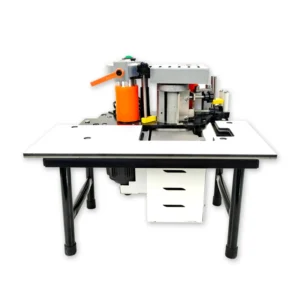
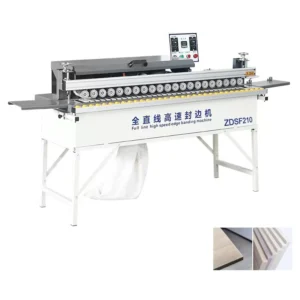
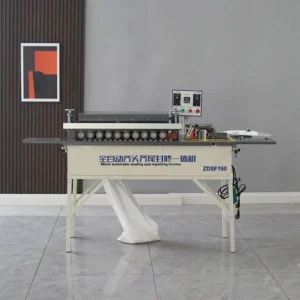
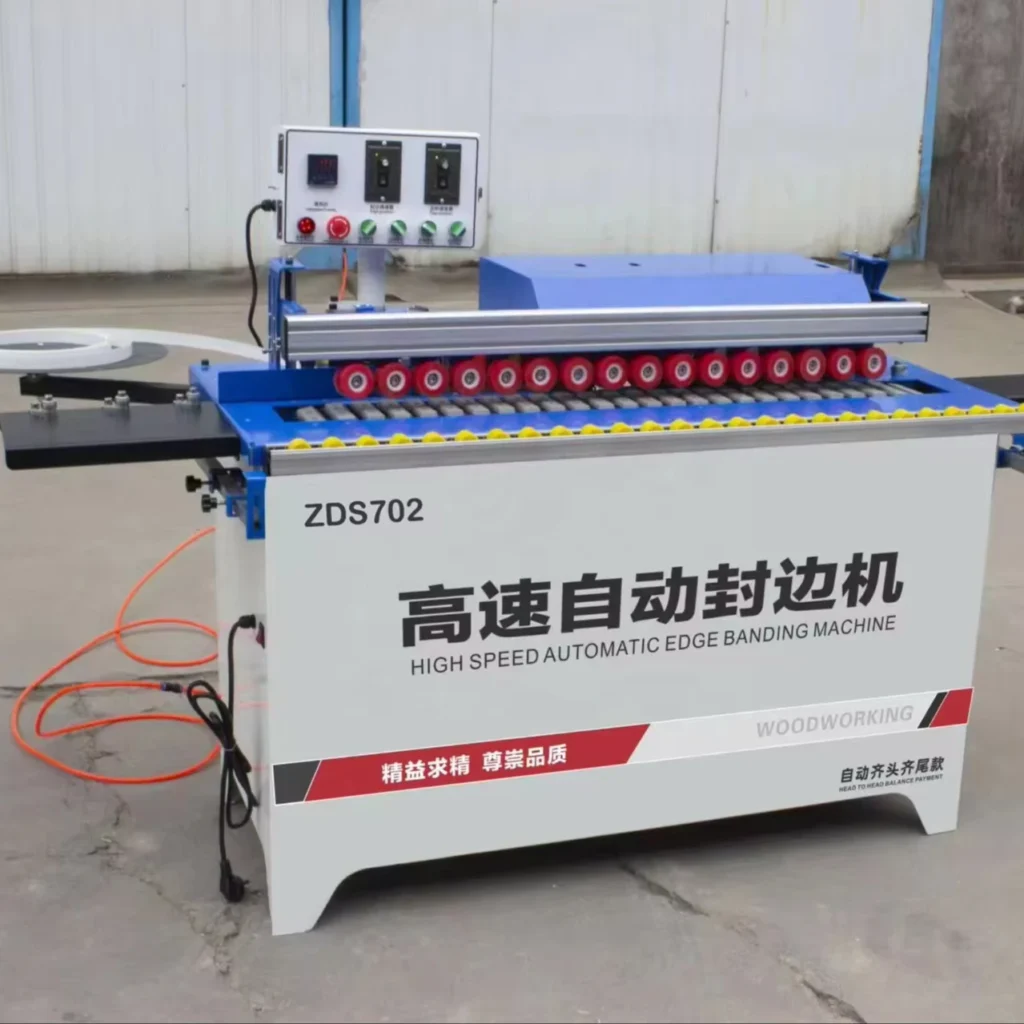
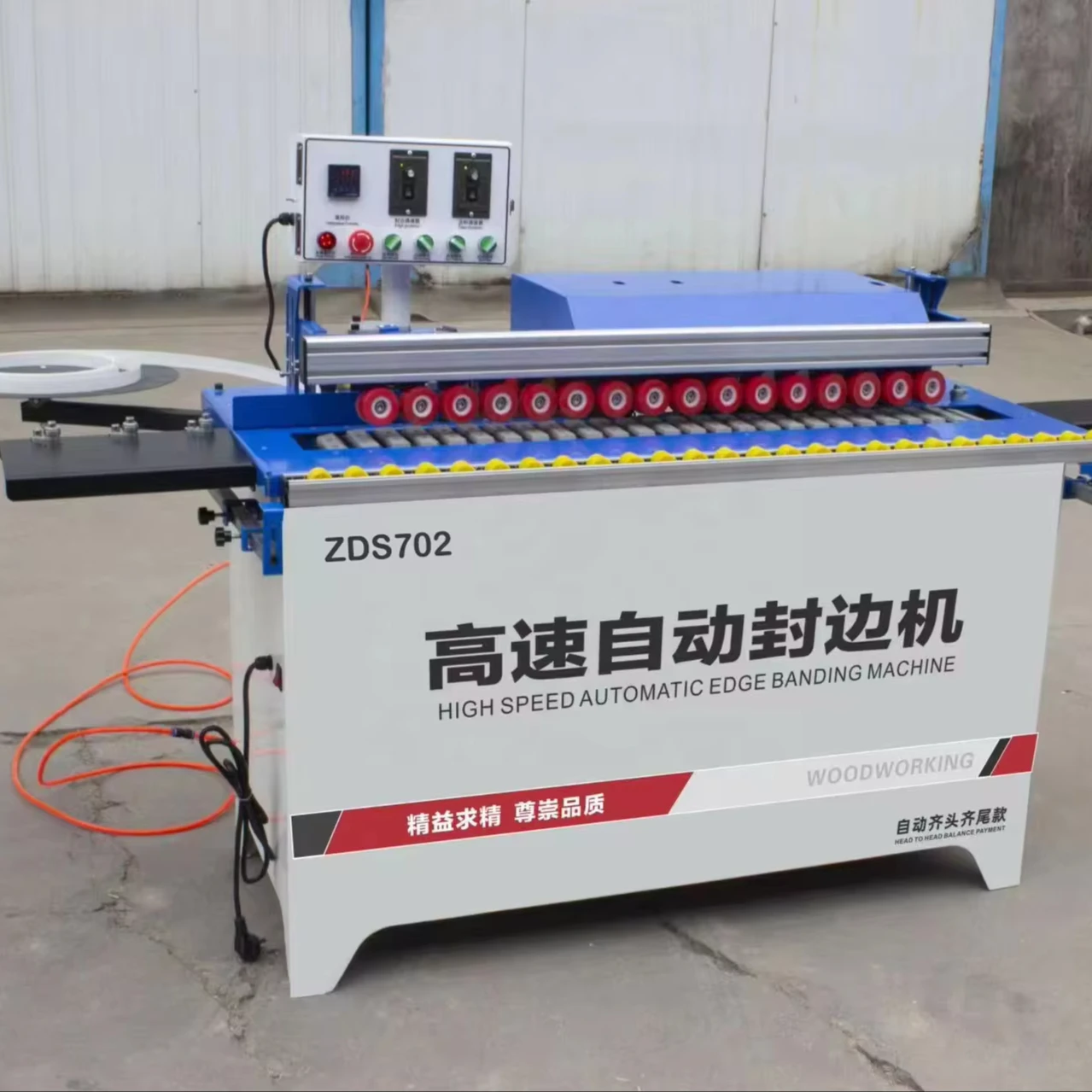
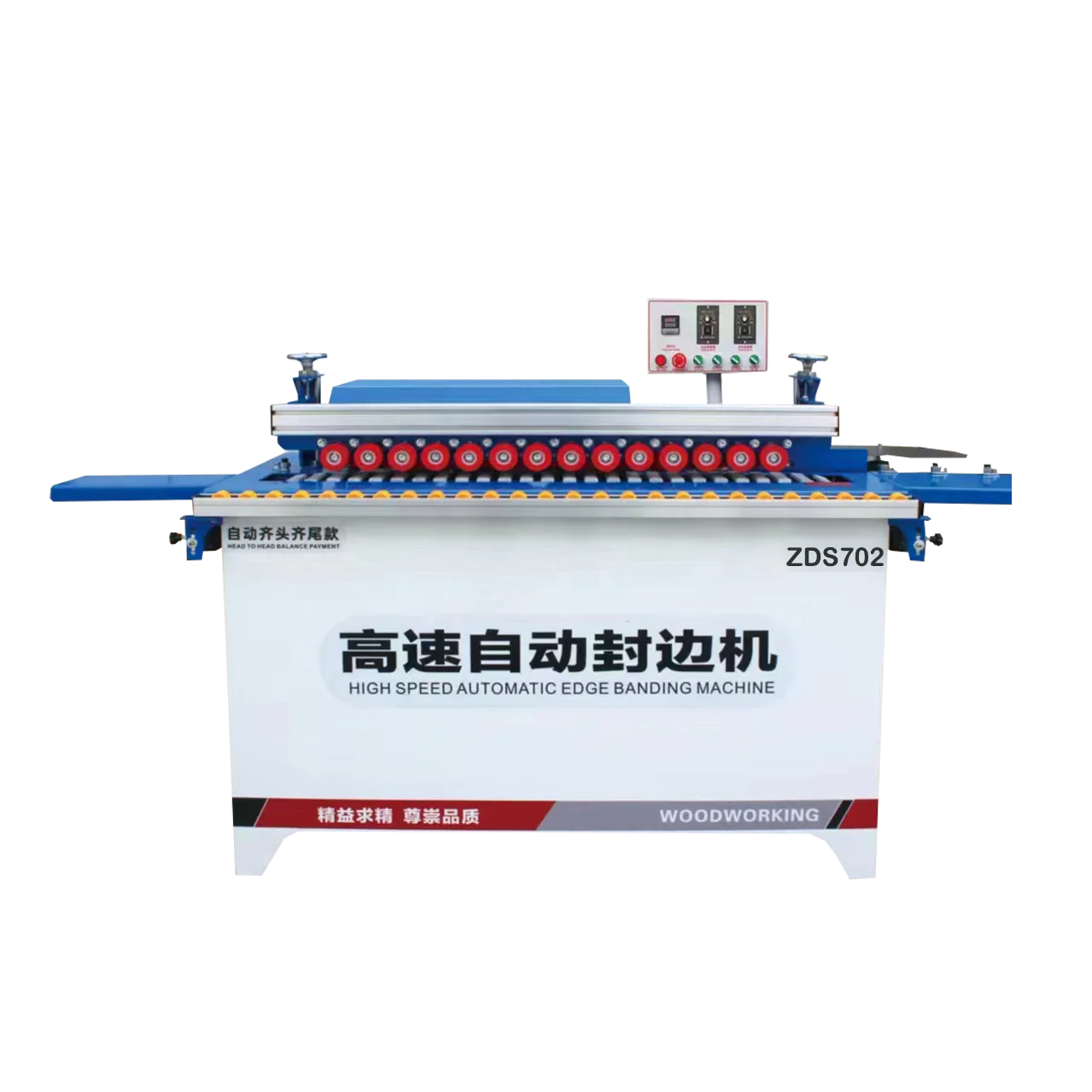
Compact Footprint With Full Function — the ZDS702 packs automatic plate feeding, end cutting, trimming, and integrated dust extraction into a 120×55×120 cm frame, letting small workshops survey the entire model range from a single supplier.
Technical Specifications
| Parameter | Value |
|---|---|
| Model | ZDS702 |
| Product Type | Automatic Edge Banding Machine |
| Edge Type | Straight line |
| Feed Speed | 0–10 m/min (variable) |
| Panel Thickness Range | 5–50 mm |
| Edge Banding Thickness | 0.3–3 mm |
| Rated Voltage | 220V / 380V / customization |
| Rated Power | 3.8 kW |
| Heating Power | 1000 W (warm-up 5–10 min) |
| Glue Pot Capacity | 1000 ml |
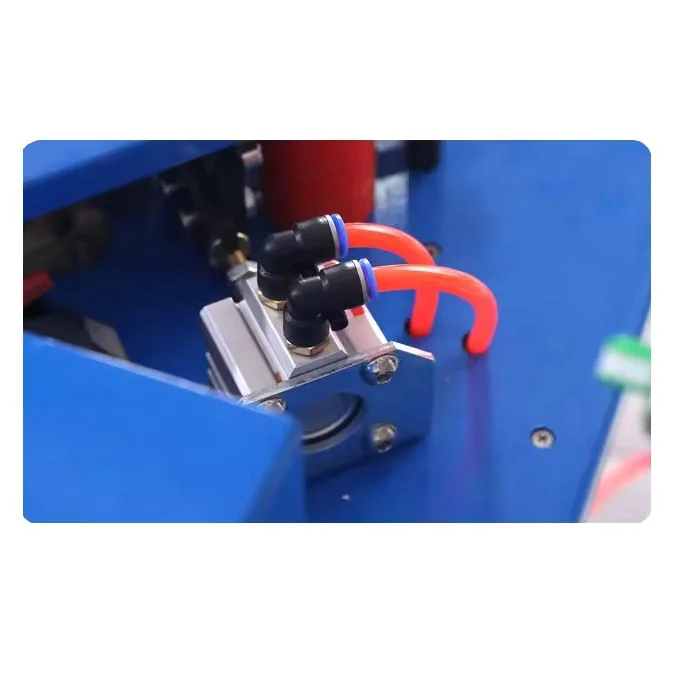
| Rated Air Pressure | 0.4–0.6 MPa |
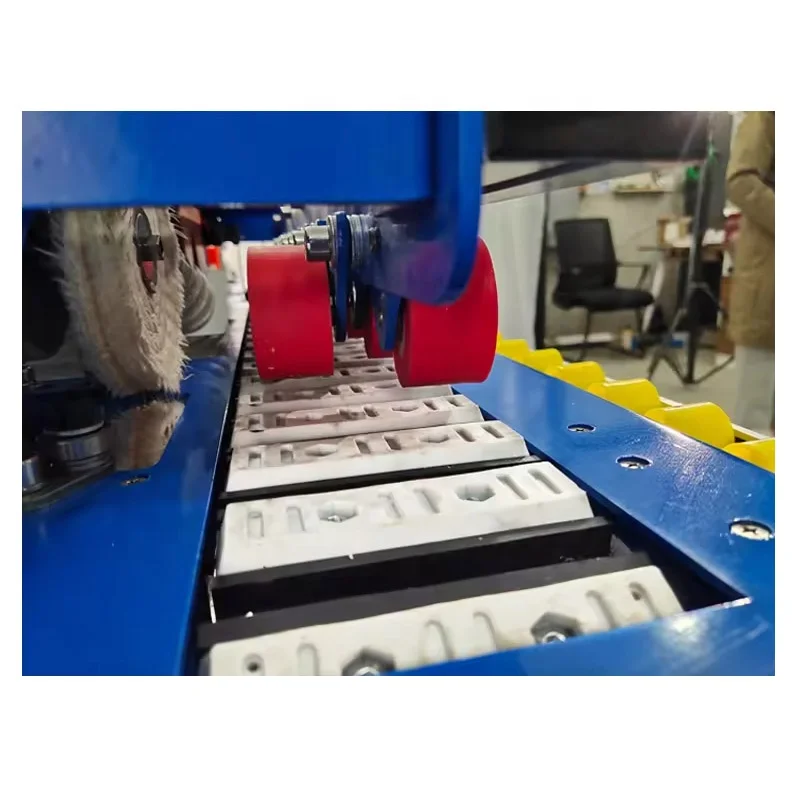
| Pressure System | Integrated pressure beam, double row pressure wheels, silicone conveyor belt |
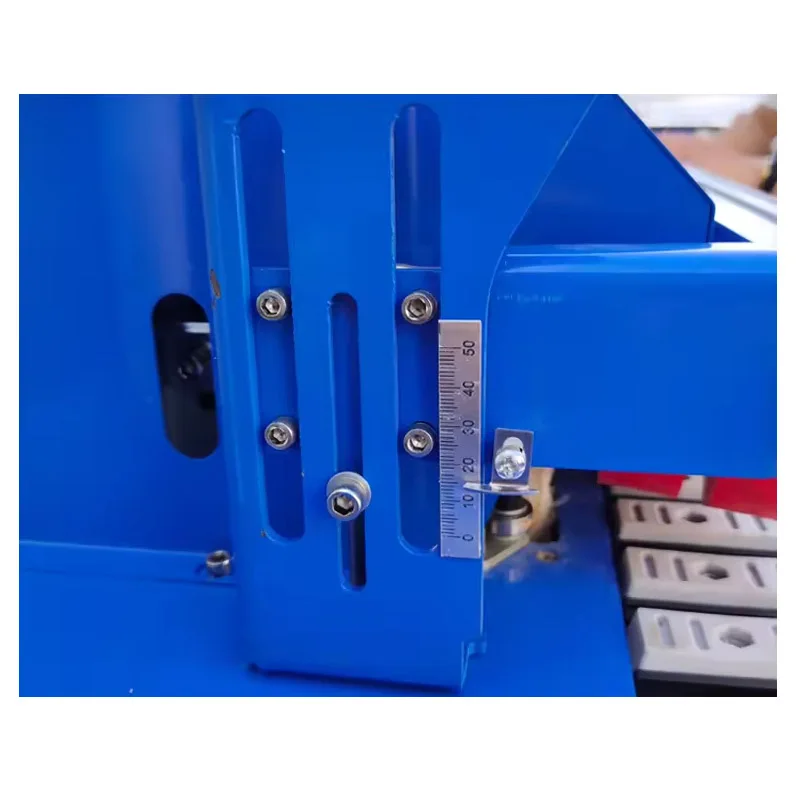
| Adjustment | Hand crank wheel with precision scale |
| Overall Dimensions | 120 × 55 × 120 cm |
| Machine Weight | 105 kg |
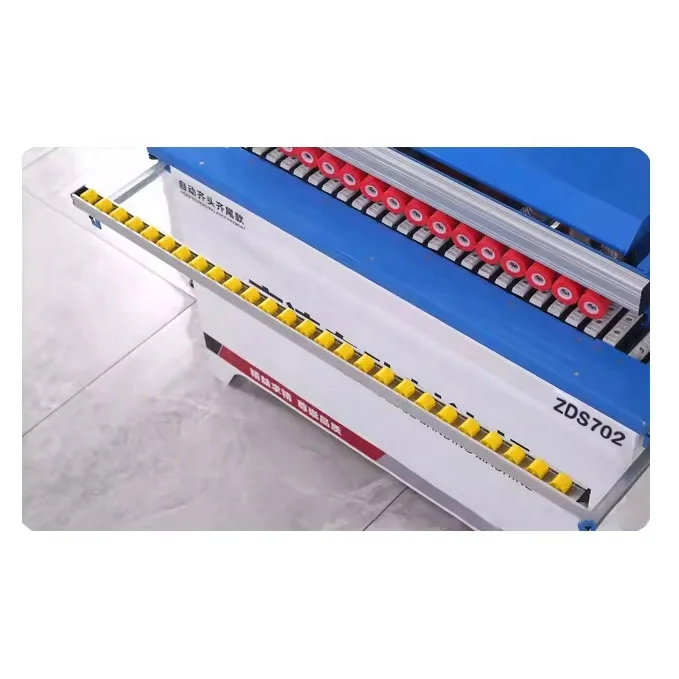
| Functions | Automatic plate feeding, end cutting, upper and lower polishing, automatic head and tail trimming, integrated dust collector |
| Certification Context | CE, ISO 9001 |
Application Suitability
| Application | Material or Output |
|---|---|
| Small-scale custom furniture edging | MDF and plywood panels with PVC edge banding up to 3 mm |
| Cabinet door and carcass production | Particleboard with veneer or melamine banding |
| Joinery startup transitioning from manual to machine | Solid wood panels and blockboard within 5–50 mm thickness |
| Prototype and short-run panel finishing | Mixed substrates requiring frequent banding thickness changes |
Why the Voltage Question Should Come Before the Price on an Automatic Edge Banding Machine for Sale
Confirming your local voltage and frequency before comparing quotes prevents a machine from arriving unusable on the shop floor.
I spent years watching equipment sit idle in Middle East workshops because nobody checked the three-phase supply against the motor nameplate. One cabinet factory in Dubai ordered a batch of edge banders rated for 380V/50Hz, only to discover their site ran 220V/60Hz — the motors overheated within the first shift and the glue pots never reached stable temperature. The ZDS702 ships with voltage configurable from 220V to 380V and customization beyond that range, but the confirmation must happen at inquiry stage, not at packing. [NEED_CITE: voltage and frequency standards by export market]
Mapping the Complete Model Range Against Your Production Cell
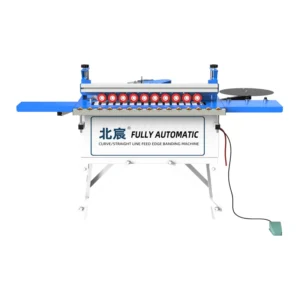
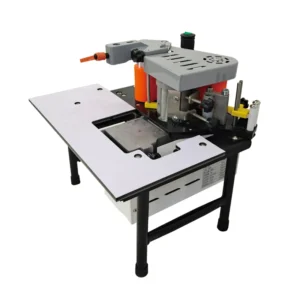
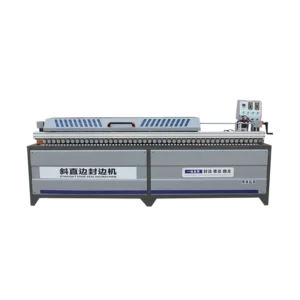
When a furniture factory plans multiple production cells — one for carcass panels, another for door fronts, a third for shelving — the buyer needs to see the full model lineup to match each cell’s throughput and tolerance requirement. The ZDS702 occupies the compact entry tier of this automatic edge banding machine for sale range, handling panel thicknesses from 5 to 50 mm at variable feed speeds up to 10 m/min. Higher-volume cells in the same facility can step up to full-function pre-milling models within the same product family, keeping spare parts, operator training, and technical support under one supplier relationship. This tiered structure means a distributor surveying the catalogue can build a regional offering that covers a joinery startup and a mid-size panel processor without sourcing from two different manufacturers.
How the Catalogue Supports Phased Investment
A workshop that begins with a single ZDS702 for straight-line PVC banding on MDF can later add a pre-milling station model for veneer work without retraining operators on a completely different control interface. The product family shares adjustment logic — the hand crank pressure wheel and precision scale appear across the range — so muscle memory transfers when production volume justifies a larger machine. Distributors evaluating the lineup for a regional market can stock fast-moving entry-tier units while quoting higher-tier models on a made-to-order basis, reducing warehouse commitment while still covering the full spectrum of buyer requirements. [NEED_CITE: CE machinery directive requirements for industrial equipment]
Reading the Spec Sheet Against Your Actual Substrates
The 5–50 mm panel thickness range and 0.3–3 mm edge banding thickness define what this machine can physically feed, but the real decision point is how those limits interact with your most common board. MDF at 18 mm with 0.4 mm PVC banding runs comfortably within the middle of both ranges, giving the double row pressure wheels enough surface contact for stable transport. Particleboard at 25 mm with 2 mm ABS banding pushes closer to the upper banding limit, where the 1000 W glue pot and 1000 ml capacity must maintain consistent melt viscosity across the entire feed cycle. The silicone material conveyor belt resists adhesive buildup that would otherwise mar lighter veneer surfaces, and the integrated pressure beam keeps the banding flush against the panel edge during the head and tail trimming sequence. Operators adjusting for a new substrate rely on the hand crank wheel and precision scale rather than trial-and-error shimming, which shortens changeover between jobs.
What Happens When the Specification Sheet Is Ignored
A buyer who selects a machine based on price alone, without matching the pressure system and feed speed to their heaviest panel, will discover visible glue lines on particleboard within the first production run. The integrated dust collector on the ZDS702 keeps the trimming zone clear, but if the upstream air pressure falls below 0.4 MPa, the end-cutting cylinder hesitates and leaves ragged edges that the polishing stations cannot correct. Workshops that skip the voltage confirmation step and receive a unit wired for the wrong frequency report erratic glue pot heating, which manifests as banding that peels off days after delivery to the end customer. [NEED_CITE: common edge banding failures linked to air pressure and electrical supply mismatch]
Why Sourcing the Full Range From One Manufacturer Matters
The ZDS702 and its higher-tier siblings share a common adjustment philosophy and control language structure, so a distributor training a local service team only needs one curriculum. Voltage, control panel language, and specification customization are treated as standard configuration steps rather than special requests, which shortens the gap between inquiry and confirmed order. Every unit ships with a factory test record run on the buyer’s specified panel thickness range, packing photographs, and an operation manual in the agreed language — eliminating the commissioning delays that arise when documentation arrives only in the manufacturer’s domestic language. The four-stage quality control process covers incoming material inspection through pre-shipment verification, and an engineer-led configuration recommendation with formal quotation is available within 24 hours of a detailed inquiry.
Documentation & Verification
- CE declaration of conformity specific to the ZDS702 model and its configured voltage
- Machine specification sheet confirming rated voltage, frequency, and control panel language before production
- Factory test record showing trim quality on your specified panel thickness and banding material
- Electrical schematic matching the as-built wiring for local electrician reference during installation
- Operation and maintenance manual translated into the agreed operator language
- Packing photographs documenting crate condition and accessory count before container loading
Installation, Commissioning & Support
- Requires a dedicated circuit matching the confirmed 220V or 380V supply with appropriate breaker rating for the 3.8 kW total load
- Floor space of approximately 120 × 55 cm plus operator clearance on the feed and discharge sides
- Air line connection at 0.4–0.6 MPa with a dedicated regulator and moisture trap upstream of the machine
- Glue pot warm-up cycle of 5–10 minutes before first panel feed to stabilize adhesive viscosity
- Hand crank pressure adjustment calibrated against your thickest and thinnest panels during commissioning
- Spare wear parts list covering conveyor belt segments, trimming blades, and pressure wheel surfaces
Starting the Configuration Conversation
Tell us the specific panel substrates you run most often — MDF, particleboard, plywood, or solid wood — along with the thickness range and the edge banding material and width you intend to use. Share your local voltage and frequency so the motor and heating elements can be wound accordingly, and specify the control panel language your operators read. If your workshop is evaluating multiple production cells, describe the throughput expectation for each cell so we can position the ZDS702 correctly within the broader model range and recommend where a higher-tier unit belongs.
Frequently Asked Questions
Q: How do I choose between entry-level and full-function edge bander models for my production volume?
A: Start with your daily panel count and the substrate mix. The ZDS702 suits short-run custom furniture and cabinet shops where feed speeds up to 10 m/min cover the workload. If your volume demands continuous running with pre-milling for veneer, a higher-tier model in the same family adds those stations while keeping the same adjustment logic and operator familiarity.
Q: What voltage and frequency options are available, and how is compatibility confirmed before shipment?
A: The machine is configurable across 220V and 380V with customization for other standards. Your local voltage and frequency are confirmed at the quotation stage and locked into the electrical schematic. The factory test record verifies motor rotation direction and glue pot heating stability under the specified supply before dispatch.
Q: Can the control panel language be matched to my operators’ requirements?
A: Yes. The multilingual control panel is specified during the inquiry stage so that labels, error messages, and parameter displays appear in the language your team reads. This is confirmed on the specification sheet before production begins, preventing commissioning stalls caused by unreadable interfaces.
Q: What documentation is included with each machine, and in what language?
A: Each unit ships with a CE declaration, machine specification sheet, electrical schematic, factory test record, operation and maintenance manual, and spare parts list. All documents are provided in the agreed language confirmed at order stage. Packing photographs are shared before the crate leaves the factory floor.
Q: How does the model range support future scaling without changing supplier?
A: The ZDS702 shares adjustment mechanisms and control logic with higher-tier models in the same product family. When your production volume grows, you can add a full-function pre-milling edge bander from the same manufacturer without retraining operators or qualifying a new supplier for spare parts and technical support.