Description
Engineer-Led Configuration — Every ZDSJCX-880S proposal is backed by a formal quotation with full electrical schematics and voltage confirmation, drawn up within 24 hours by a production-floor-trained technical team.
Technical Specifications
| Parameter | Value |
|---|---|
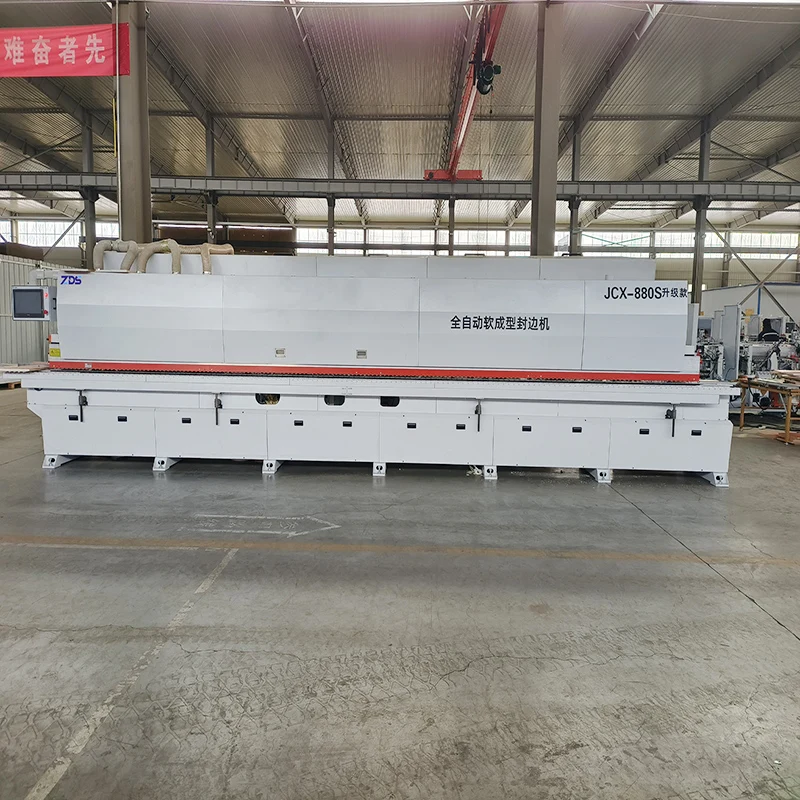
| Model | ZDSJCX-880S |
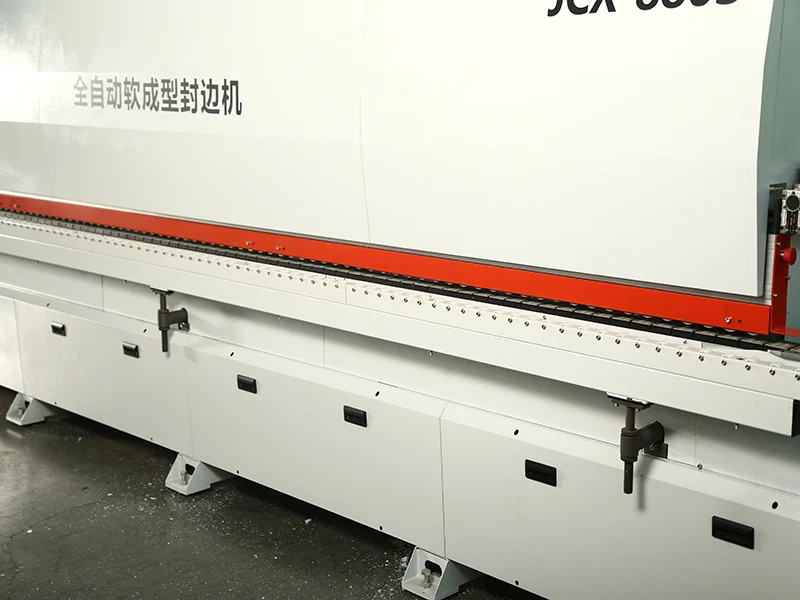
| Product Type | Automatic Edge Banding Machine |
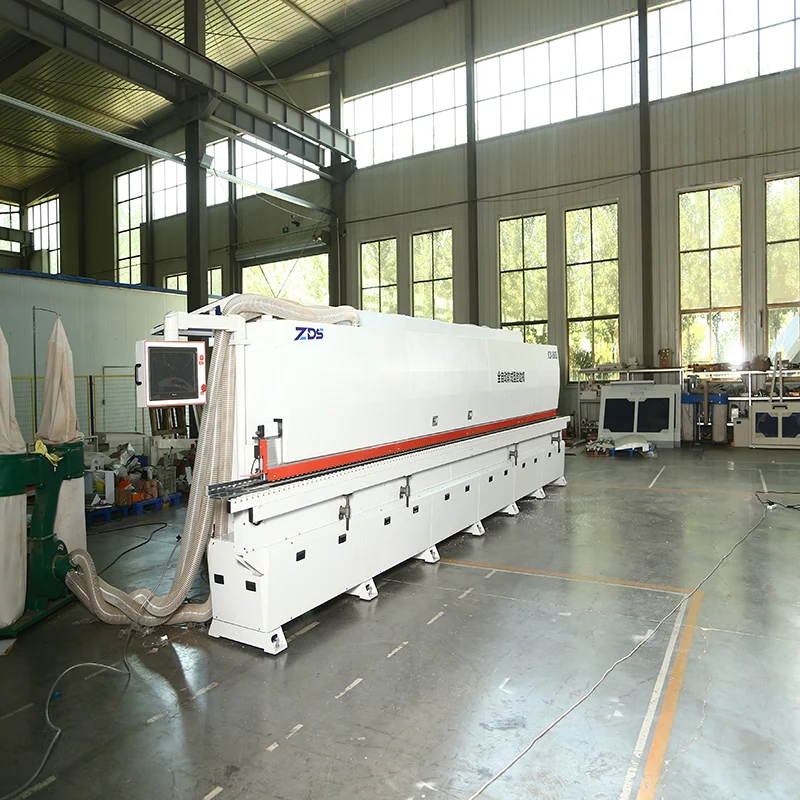
| Overall Dimensions (L×W×H) | 8.82 × 1.07 × 1.85 m |
| Net Weight | 3200 kg |
| Total Power | 47.1 kW |
| Voltage | 380 V (frequency to be confirmed per market) |
| Air Supply Requirement | 0.6–0.8 MPa |
| Vacuum Port | Ø100 mm × 6 |
| Panel Thickness Range | 18–22 mm |
| Edge Banding Thickness Range | 0.5–0.8 mm |
| Edge Banding Width (max) | 58 mm |
| Minimum Sheet Width | 150 mm |
| Minimum Sheet Length | 300 mm |
| Feed Speed | 6–8 m/min |
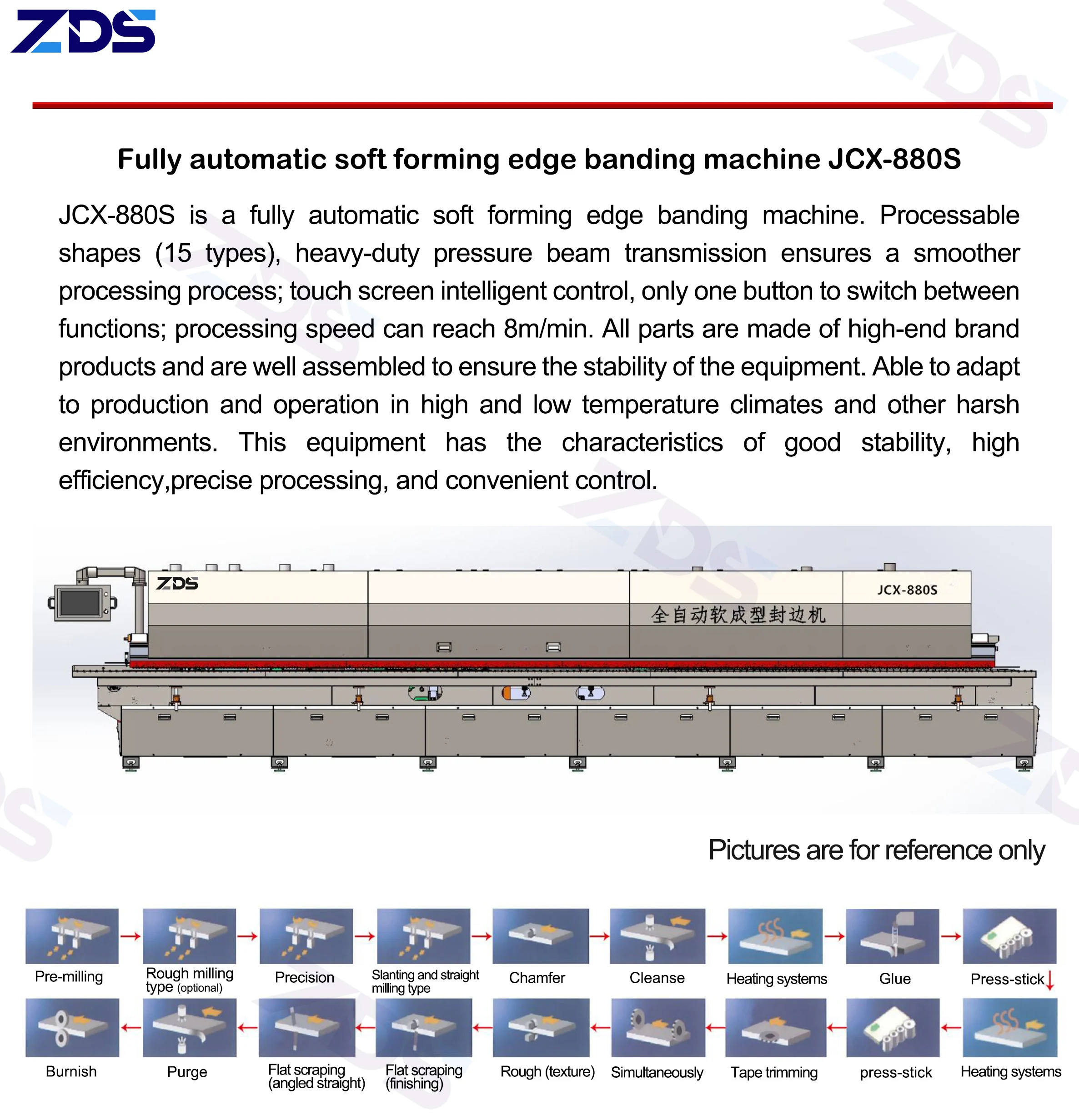
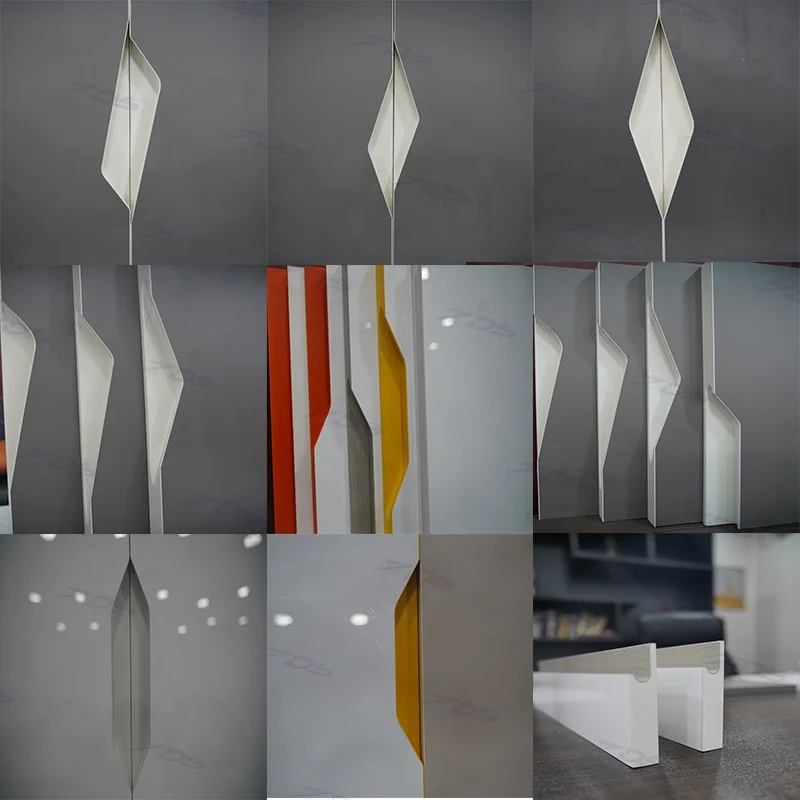
| Machining Shape Options | J type, C type, oblique straight, left and right semi-pass, water drop, rhombus, triangle (15+ profiles) |
| Warranty | 1 year |
Application Suitability
| Application | Material or Output |
|---|---|
| Cabinet door and carcass edge finishing | MDF and melamine-faced particleboard with PVC or ABS banding |
| Wardrobe panel edge processing | Plywood and particleboard with 0.5–0.8 mm PVC edge banding |
| Custom furniture component edging | Solid wood panels and MDF with ABS profiles including J and C type |
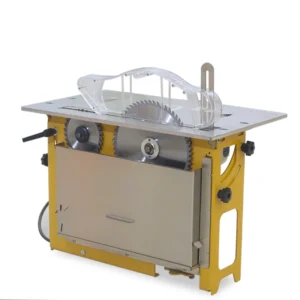
| Panel processing line integration | Board stock from sliding table saws and panel saws, 18–22 mm thickness |
Why the Voltage Question Must Come Before the Machine Order
Confirming local supply voltage and frequency on paper prevents a machine from sitting idle for weeks after arrival.
I once watched a customer in the Middle East take delivery of a fully automatic edge banding machine only to discover their workshop ran on a 440V grid while the motor was wound for 380V. The unit could not be energized until a step-down transformer was sourced and installed, a delay that stretched past three weeks and stalled the entire cabinet production schedule [NEED_CITE: voltage and frequency standards by export market]. That single oversight cost more in downtime than any price negotiation could have saved. When evaluating an automatic edge banding machine manufacturer, the first technical exchange should always cover electrical compatibility, not just feed speed or trimming stations.
Where the ZDSJCX-880S Sits in the Full Edge Bander Range
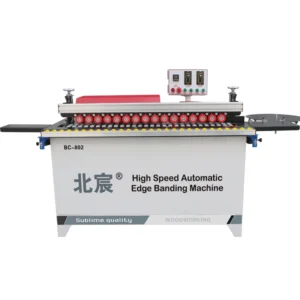
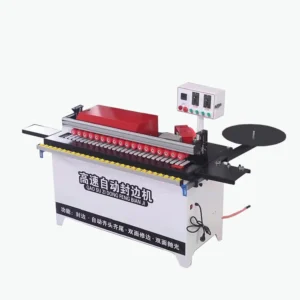
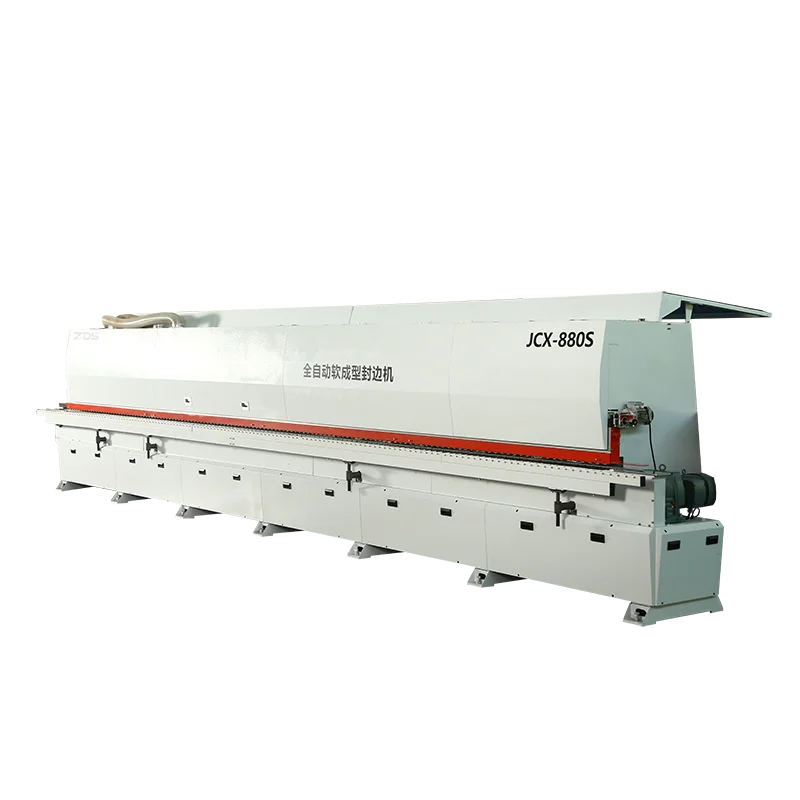
The ZDSJCX-880S occupies the standard tier within the Ruiqi edge banding family, positioned above compact entry-level units and below full-function pre-milling models. It is designed for workshops that have moved beyond manual edge banding and now require consistent profile shaping across J type, C type, and more than a dozen other contours. Buyers surveying the complete catalogue will find this model bridges the gap between basic straight-edge trimming and the multi-station pre-milling configurations demanded by high-volume panel plants.
Matching Model Tier to Your Workshop Throughput
A joinery shop processing several hundred panels per shift typically finds the ZDSJCX-880S feed speed of 6–8 m/min well aligned with upstream sliding table saws and downstream multi-boring machines. Scaling beyond that throughput or introducing exotic substrate materials may warrant stepping up to a full-function variant with pre-milling and scraping stations. The value of sourcing from a single automatic edge banding machine manufacturer is the ability to upgrade within one product family without retraining operators on an entirely different control interface [NEED_CITE: production line throughput matching for furniture factories].
Reading the Specification Sheet Against Real Panel Behaviour
The 18–22 mm panel thickness range covers standard MDF, particleboard, and plywood used in cabinet and wardrobe construction, but shops running thinner drawer bottoms or thicker solid-wood panels must verify suitability before ordering. Feed speed at 6–8 m/min, combined with the 0.6–0.8 MPa air supply, maintains steady pressure on the banding roller and keeps glue-line thickness uniform across the panel edge. The six Ø100 mm vacuum ports provide sufficient dust extraction capacity to keep the trimming zone clear, which directly affects edge finish quality and reduces abrasive wear on cutting tools over consecutive shifts.
The Cost of Ignoring Feed Height and Line Compatibility
Workshops that purchase individual machines from different suppliers often discover mismatches in feed height, conveyor speed, or panel orientation once the equipment is arranged on the floor. A panel exiting a saw at a different height than the edge bander infeed requires manual lifting at every transfer point, introducing handling damage and slowing the entire line. These incompatibilities are rarely visible in a brochure but become expensive daily realities [NEED_CITE: material flow and feed height alignment in panel processing lines]. Selecting machines from a unified catalogue eliminates guesswork in line layout.
What Ruiqi Brings to This Model Configuration
Every ZDSJCX-880S leaves the Ningjin facility with a factory test record documenting actual edge banding performance on the buyer’s specified panel thickness and banding material. Voltage is confirmed against the destination market’s grid before the motor is wound, and the electrical schematic is included in the shipping documentation package. The four-stage quality control process covers incoming component inspection, in-process assembly checks, finished unit testing, and pre-shipment verification. Custom control panel languages and OEM branding are accommodated as standard options rather than special requests.
Documentation & Verification
- CE declaration of conformity issued specifically for the ZDSJCX-880S model
- Electrical schematic with confirmed voltage and frequency for destination grid
- Factory test record showing edge banding results on buyer-specified panel stock
- Operation and maintenance manual translated into the agreed operator language
- Spare parts list with part numbers matched to the as-built configuration
Installation, Commissioning & Support
- 8.82 m length requires clear floor space with level concrete substrate and anchor provisions
- 47.1 kW total power demands a dedicated circuit with correctly rated breaker and cabling
- Partially assembled delivery means final station alignment and belt tensioning completed on site
- 380 V supply must be verified at the workshop panel before energizing the main motor
- Six Ø100 mm vacuum ports to be connected to the central dust collection system before first run
- 0.6–0.8 MPa compressed air line with inline filter and regulator installed at the machine inlet
Before You Request a Quotation
Share your primary panel materials, typical thickness range, and the edge banding profiles you run most often so the correct model tier can be recommended. Confirm your workshop voltage, frequency, and available compressed air capacity to avoid electrical mismatches at delivery. If you are integrating this unit into an existing line, provide the feed height and conveyor speed of adjacent equipment for compatibility verification.
Frequently Asked Questions
Q: Where does the ZDSJCX-880S sit compared to entry-level and full-function edge banders?
A: This model is the standard tier, offering 15+ profile shapes and 6–8 m/min feed speed for workshops beyond entry-level volume. Entry models suit low-output shops with simpler edge requirements, while full-function pre-milling variants add scraping, buffing, and pre-milling stations for higher-throughput panel plants.
Q: How do I confirm the machine voltage matches my workshop supply?
A: Provide your local voltage and frequency at the inquiry stage. The technical team issues a voltage confirmation sheet and electrical schematic with the formal quotation, ensuring the 380V or alternative configuration matches your grid before production begins.
Q: Can the control panel display my operator’s language?
A: Multilingual control panels are available as a standard customization option. Specify the required language during the configuration discussion so the HMI is programmed and the operation manual is translated before shipment.
Q: How does this machine align with my existing saws and boring machines?
A: Share the feed height, conveyor speed, and panel orientation of your upstream and downstream equipment. The engineering team reviews line compatibility and recommends adjustments or alternative models to ensure smooth material flow without manual transfer bottlenecks.
Q: Is it possible to visit the factory and run a test with our own panels?
A: Factory visits are welcomed and sample processing tests can be arranged. Bring or ship your typical panel stock and edge banding material so the test reflects your actual production conditions and the results are documented in the factory test record.