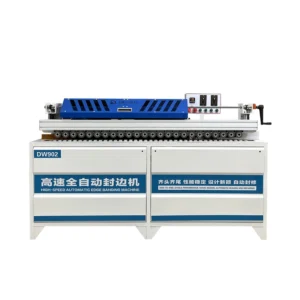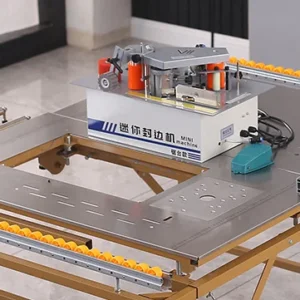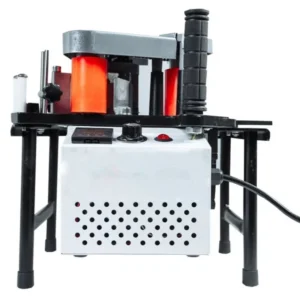
Description
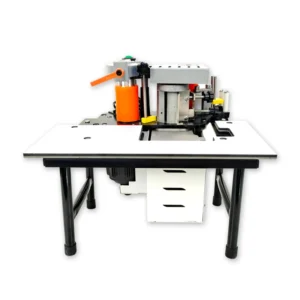
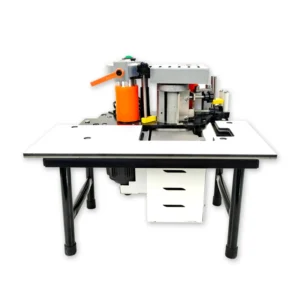
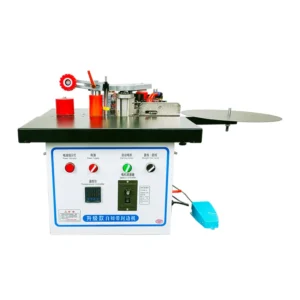
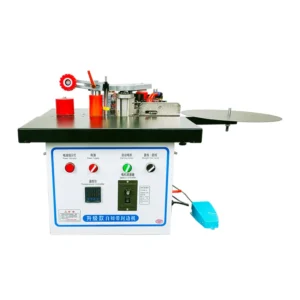
In-house manufacturing with patented cutting mechanisms — verified tolerance and configuration flexibility for the F802 and its wider product family, supporting workshops from single-machine setups to scaled production lines.
Technical Specifications
| Parameter | Value |
|---|---|
| Model | F802 |
| Product Type | Automatic Edge Banding Machine |
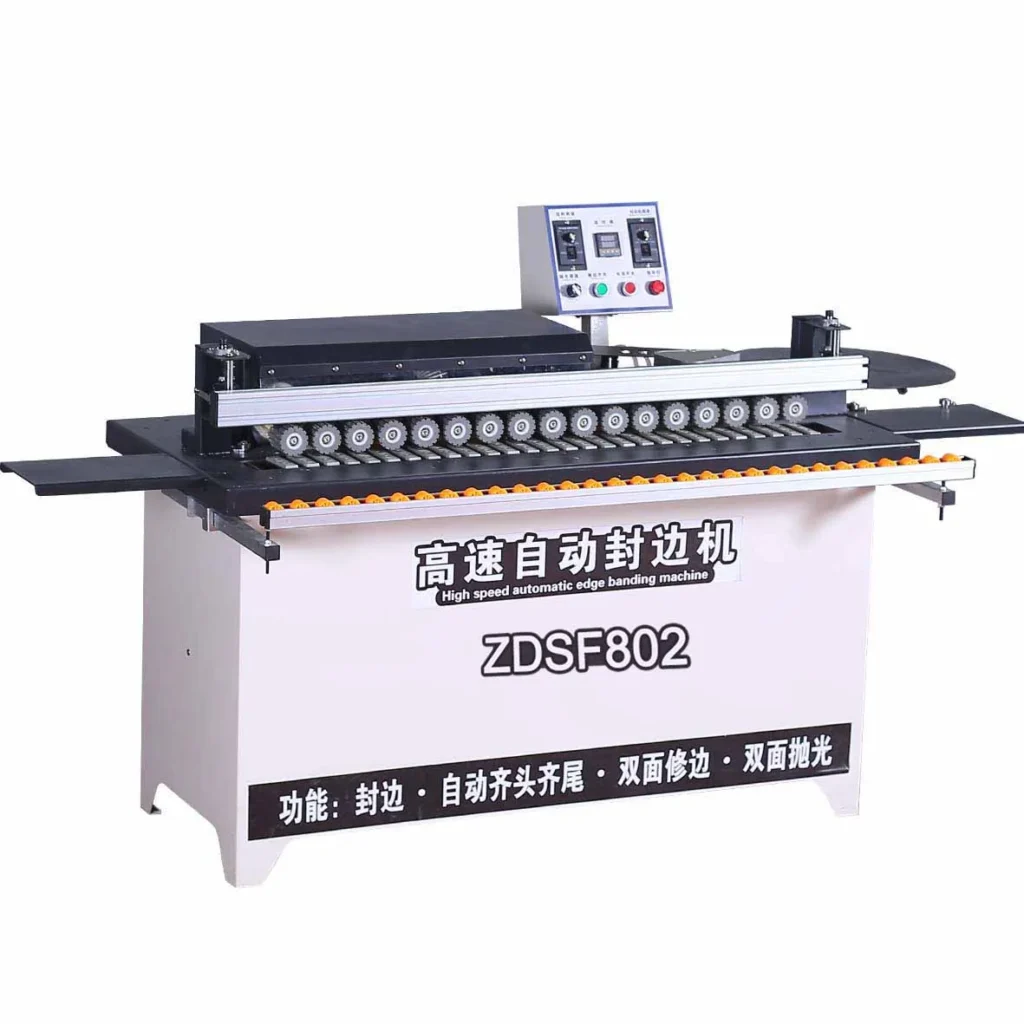
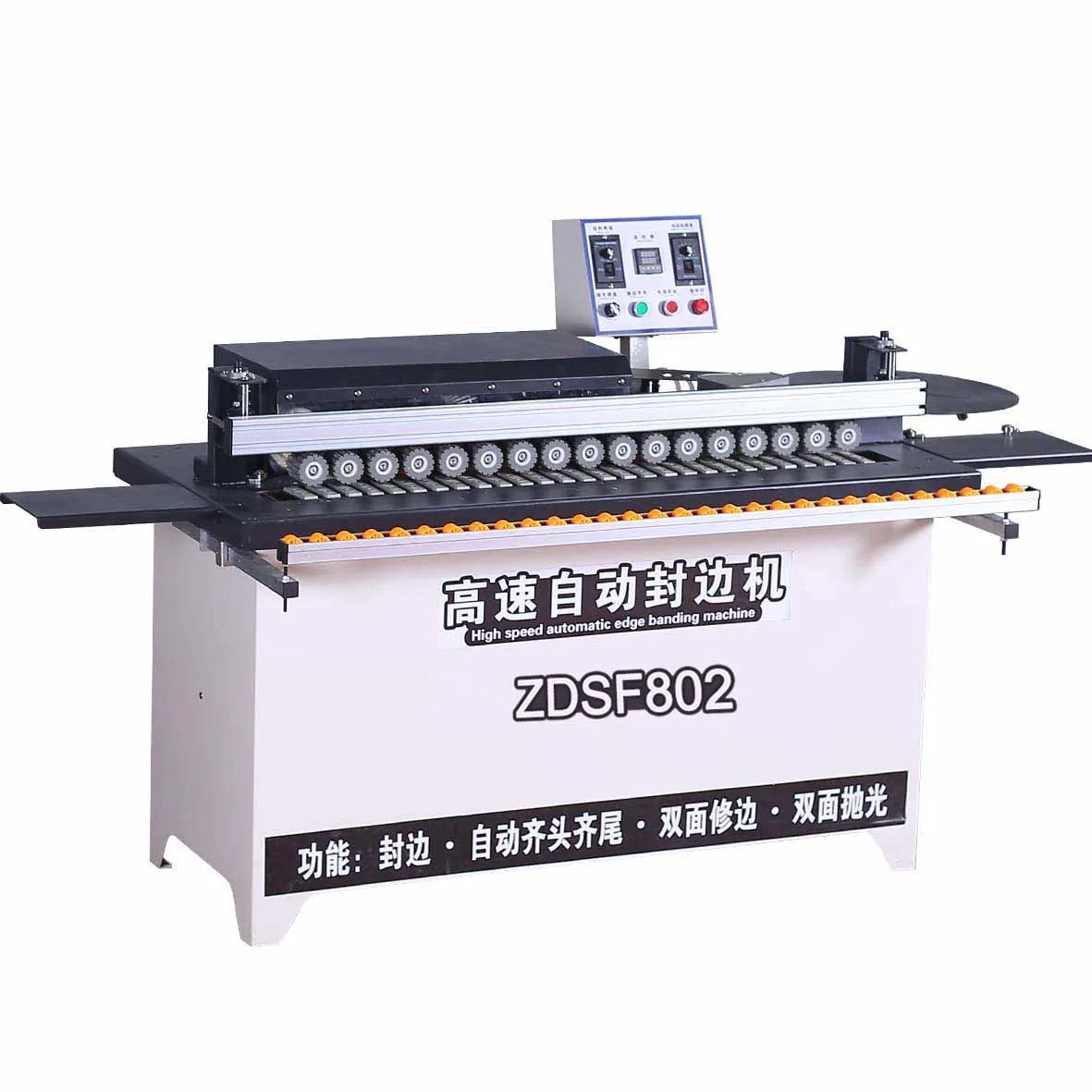
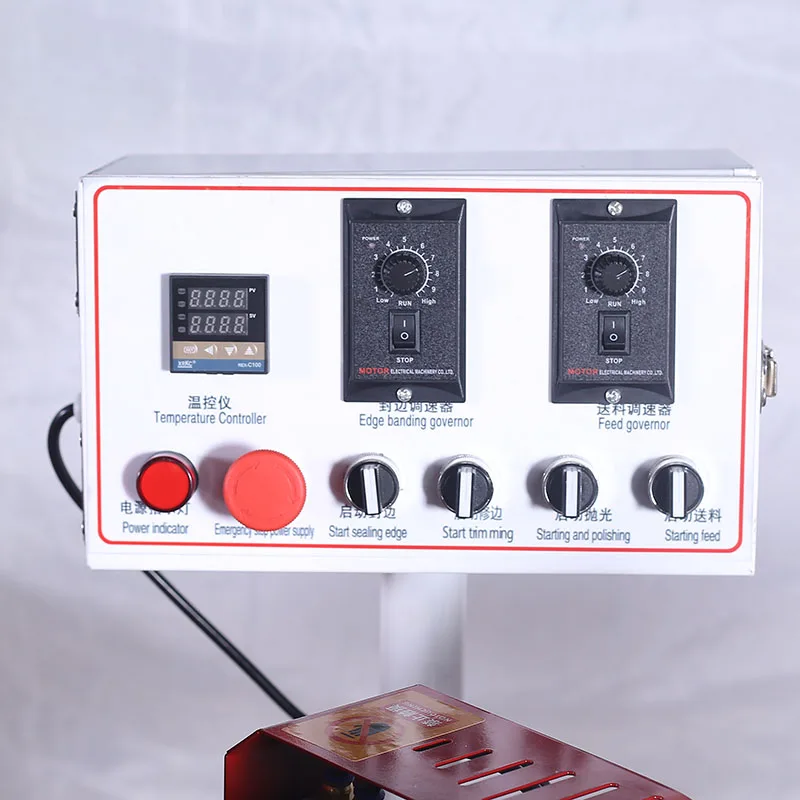
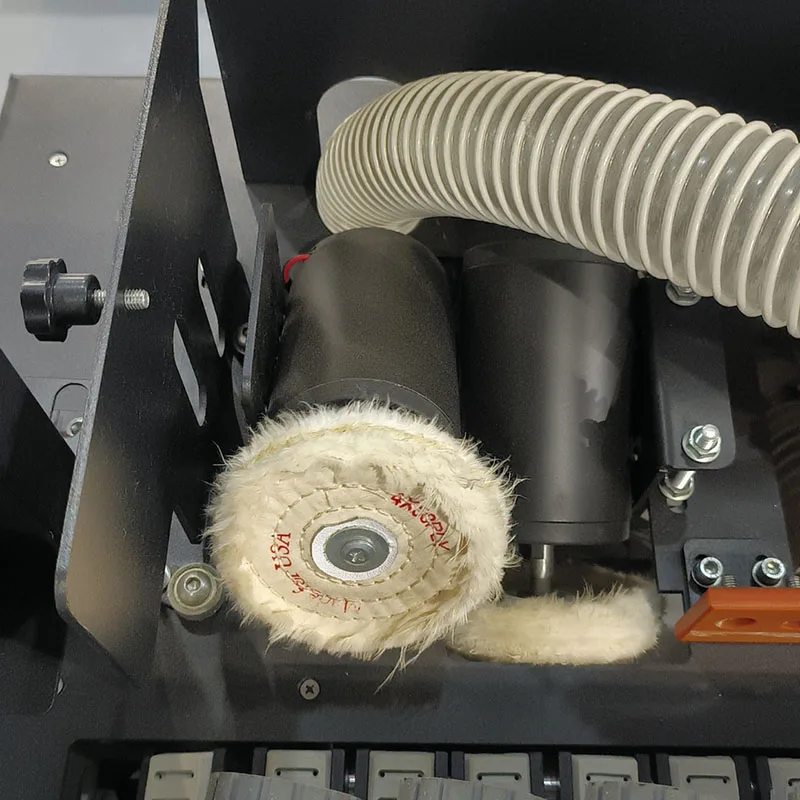
| Function | Automatic plate feeding, end cutting, upper and lower polishing, head and tail trimming, dust collector |
| Edge Type | Straight line |
| Rated Voltage | 220V |
| Rated Power | 4 kW |
| Rated Air Pressure | 0.4–0.6 MPa |
| Strip Thickness | 0.5–2.5 mm |
| Sheet Thickness | 10–50 mm |
| Feed Speed | 0–10 m/min |
| Conveyor Belt Speed | 0–10 m/min |
| Glue Pot Capacity | 4000 ml |
| Heating Power | 1000 W (heat-up 5–10 min) |
| Trimming Power | 800 W × 2 |
| Polishing Power | 180 W × 2 |
| Suction Power | 1200 W |
| Overall Dimensions | 130 × 65 × 75 cm |
| Net Weight | 150 kg |
| Control Panel | Digital display for glue pot temperature, independent switches |
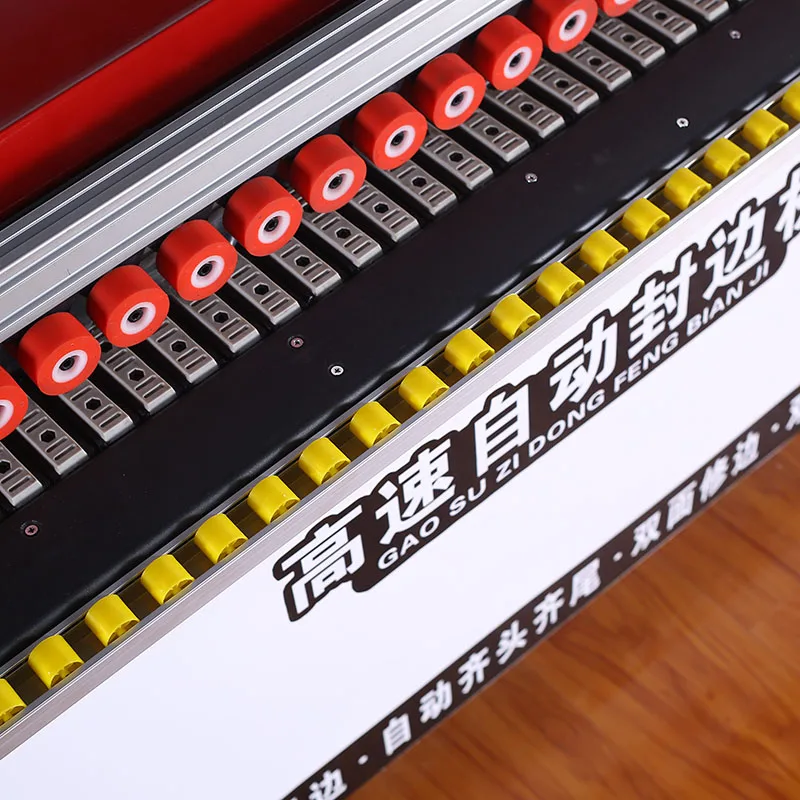
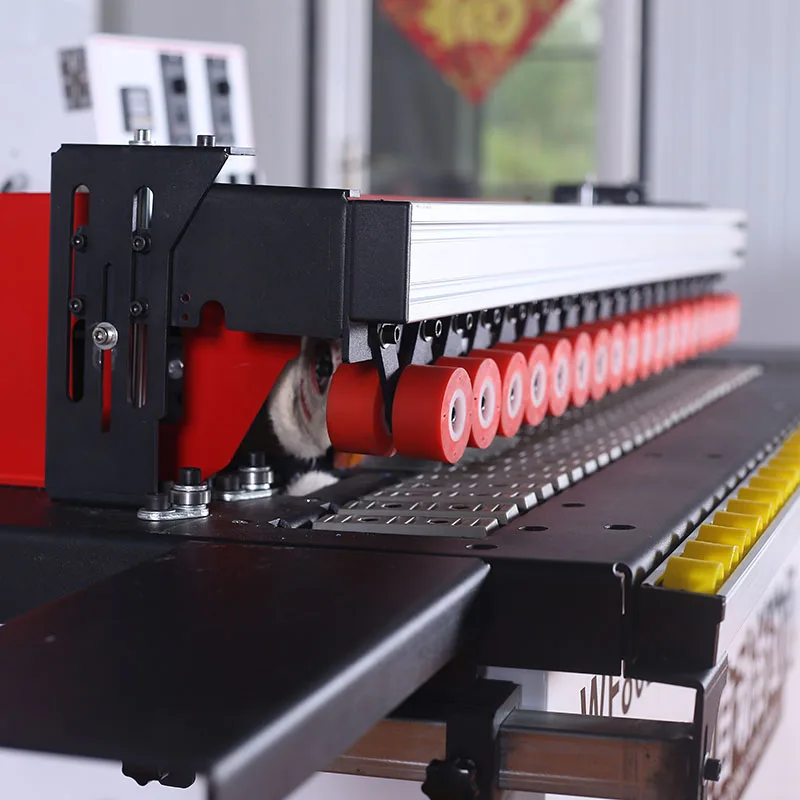
| Pressure Beam | One-piece pressure beam, double rows of pressure wheels |
| Conveyor Belt Material | Silicone |
| Extendable Fluent Strips | Yes |
Application Suitability
| Application | Material or Output |
|---|---|
| Cabinet door edge banding | MDF and particleboard with PVC or melamine edge strips |
| Furniture panel finishing | Plywood and blockboard with veneer or ABS banding |
| Custom wardrobe production | Laminated particleboard panels up to 50 mm thickness |
| Small workshop edge sealing | Solid wood panels and composite boards in straight-line runs |
Why Voltage Confirmation Matters More Than the Brochure Photo
Mismatched voltage and frequency silence a machine before it ever runs a single panel.
I once flew to Peru to commission what was supposed to be a production-ready automatic edge banding machine. It sat silent for three weeks. The factory ran 220V 60Hz; the machine had shipped at 380V 50Hz. That experience reshaped how I approach every catalogue review. Before discussing feed speed or trimming stations, I confirm the buyer’s local electrical standard. [NEED_CITE: voltage and frequency standards by export market] When you survey a full machine range — from entry-level models like the F802 through to full-function pre-milling configurations — voltage compatibility is the filter that determines which models are even viable for your shop. Skipping this step means you might fall in love with a specification sheet that your facility cannot power.
How the F802 Fits Within a Scalable Product Family
The F802 operates as an accessible entry point within a broader automatic edge banding machine manufacturer lineup. It handles straight-line banding on panels between 10 and 50 mm thick, feeding stock at up to 10 m/min. Workshops starting with cabinet components or small furniture runs find this configuration sufficient for daily output without over-investing in stations they have not yet learned to manage. When volume grows or edge quality demands tighten, the same product family offers models with pre-milling, corner rounding, and buffing stations — meaning you stay with one supplier and one parts ecosystem rather than splitting across multiple brands.
Browsing the Full Catalogue Before Committing to a Tier
Workshops often purchase a single machine and later discover that its feed height, conveyor width, or glue system is incompatible with the next station they need. Reviewing the complete model range before narrowing down prevents this mismatch. A panel processing plant evaluating edge banding capacity should compare the F802’s 4000 ml glue pot and 0.5–2.5 mm strip range against higher-tier models that handle thicker ABS or solid wood lipping. [NEED_CITE: edge banding material thickness standards for panel furniture] This catalogue-wide view ensures the machine you select today does not become the bottleneck you replace tomorrow.
Reading the F802 Spec Sheet Against Real Workshop Conditions
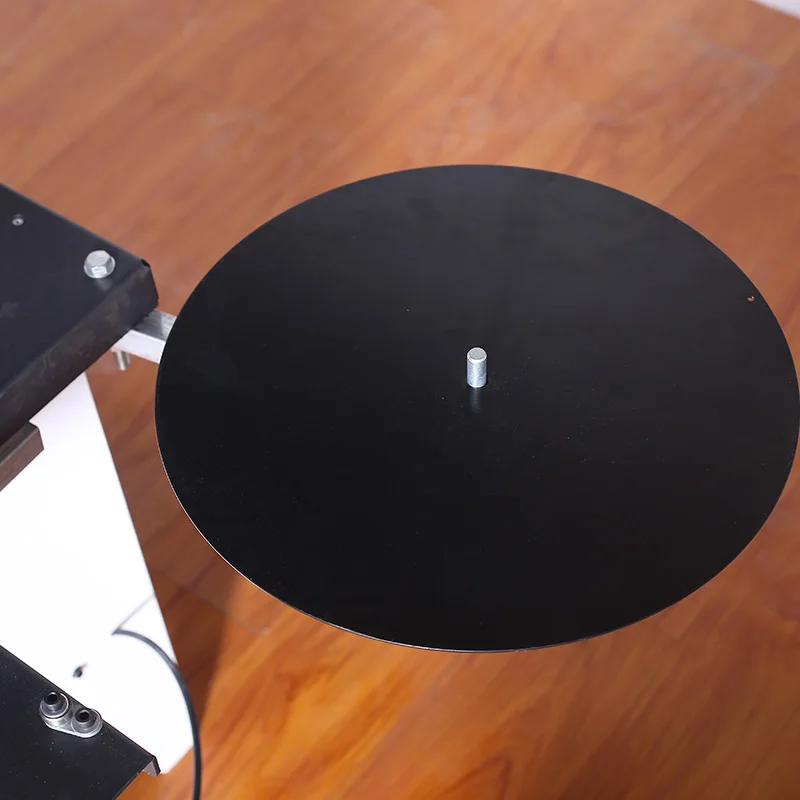
The 0–10 m/min feed speed range gives operators fine control when switching between thin MDF and thicker blockboard panels. Slower feed on dense substrates allows the glue more open time to bond before the pressure wheels engage. The one-piece pressure beam with double rows of pressure wheels keeps panels flat against the conveyor, which matters when board warp or cupping would otherwise produce uneven glue lines. The silicone conveyor belt prevents surface scratching on pre-finished laminates — a detail that reduces rework downstream. Meanwhile, the extendable fluent strips stabilize large-format boards that would otherwise overhang and chatter during trimming.
The Cost of Skipping Model-Tier Evaluation
A joinery workshop that buys the cheapest available edge bander often discovers the glue pot is too small for sustained runs, forcing mid-shift refills that cool the adhesive and produce weak bonds. Panels come back from the customer with peeling edges, and the shop blames the operator rather than the machine’s capacity mismatch. [NEED_CITE: common causes of edge banding adhesion failure in small workshops] Selecting from a tiered family lets you match the model to your actual daily panel count and material mix, rather than discovering the gap through returned goods.
What This Range Delivers Beyond a Single Listing
Every model in the range ships from the same manufacturing facility with the same four-stage quality control sequence: incoming material inspection, in-process checks, finished product verification, and pre-shipment testing. Voltage, control panel language, and plug type are configured per order rather than assumed. The product family spans the F802 through to full-function pre-milling machines, so a workshop can scale production stages without renegotiating supplier terms or retraining maintenance staff on a different brand. Engineer-led configuration recommendations arrive within 24 hours of a detailed inquiry, matching your factory’s scale, processing requirements, and budget to the appropriate tier.
Documentation & Verification
- CE declaration of conformity matched to the specific model configuration shipped
- ISO 9001 certificate covering the manufacturing process for your unit
- Machine specification sheet confirming tolerance, feed speed, and panel thickness range
- Electrical schematic with voltage and frequency confirmation for your facility
- Factory test record run on your specified panel material before dispatch
- Operation and maintenance manual in the language your operators read
Installation, Commissioning & Support
- Requires a dedicated 220V circuit rated for the F802’s 4 kW total draw
- Footprint of 130 × 65 × 75 cm fits through standard workshop doors for placement
- Air supply must deliver 0.4–0.6 MPa at the machine inlet for consistent pressure beam operation
- Glue pot heat-up takes 5–10 minutes at 1000 W before first panel enters
- Silicone conveyor belt inspection and tension check recommended at each shift start
- Digital temperature display allows operators to verify glue pot heat without guesswork
Preparing Your Inquiry for a Fast Configuration Match
Share the panel substrates you run most often — MDF, particleboard, plywood — along with typical board thickness and the edge strip material you prefer. State your local voltage and frequency so the quotation reflects a machine that runs on arrival. If you are planning a phased line build-out, indicate which upstream and downstream equipment you already operate so the engineer can match feed heights and throughput between stations.
Frequently Asked Questions
Q: How do I choose the right model tier from the range for my current and future production volume?
A: Start by defining your daily panel count and the edge materials you run. The F802 suits small to mid-size workshops processing MDF and particleboard at moderate speeds. If your volume will grow or you need pre-milling for thick ABS edges, the same product family offers higher-tier models. An engineer-led review of your requirements maps the right tier without forcing you to switch suppliers later.
Q: What panel thickness range and feed speed does the F802 support compared to other models in the family?
A: The F802 handles sheet thickness from 10 to 50 mm with adjustable feed speed up to 10 m/min. Higher-tier models in the range extend both the thickness envelope and the feed rate, adding pre-milling and corner rounding stations. Comparing these parameters across the catalogue helps you select a machine that covers your current work without limiting near-future growth.
Q: Can the voltage, control panel language, and plug type be configured for my local market?
A: Yes. Each model in the range ships with voltage and frequency set to your facility’s supply, and the control panel labels and digital display can be produced in the language your operators use. Confirming these details during the quotation stage prevents the kind of commissioning delays I have witnessed when standard export configurations arrive in markets with different electrical standards.
Q: What documentation arrives with the machine to support installation and ongoing maintenance?
A: You receive a CE declaration, ISO 9001 certificate, full specification sheet, electrical schematic, factory test record, operation manual in your chosen language, spare parts list, and packing photographs. These documents cover installation, commissioning, and routine maintenance, reducing dependence on external technicians for basic service tasks.
Q: Is a factory visit or sample processing test available before I commit to a purchase?
A: Factory visits are welcomed, and sample processing tests can be arranged using your specified panel material and edge strip. Seeing the machine run your actual substrate provides confidence in edge quality and feed behavior that no specification sheet alone can deliver.