Description
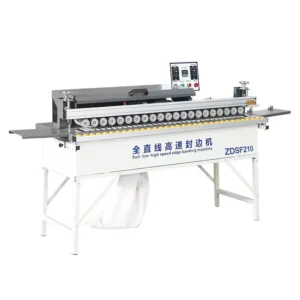
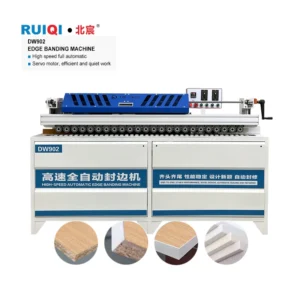
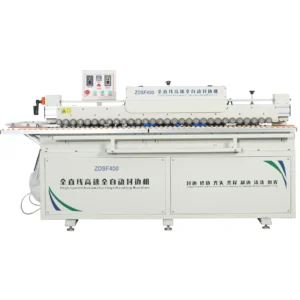
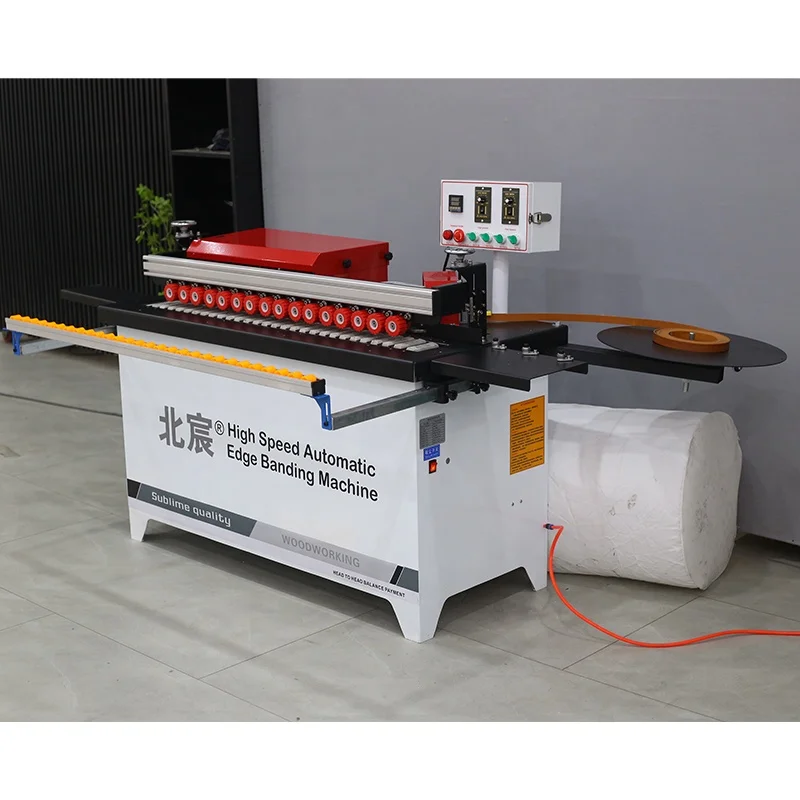
Full Product Family Scaling — Ruiqi offers a complete range of automatic edge banding machines from entry-level to full-function pre-milling models, allowing your workshop to grow output without switching suppliers.
Technical Specifications
| Parameter | Value |
|---|---|
| Model | DW802 |
| Product Type | Automatic Edge Banding Machine |
| Total Power | 4200W |
| Voltage & Frequency | 220V/380V/customization |
| Glue Pot Capacity | 4000ml |
| Edge Banding Thickness | 0.3-3MM |
| Edge Banding Height | 0-50MM |
| Minimum Sheet Dimensions | 25CM (L) × 10CM (W) |
| Trimming Motor Power | 800W × 2 |
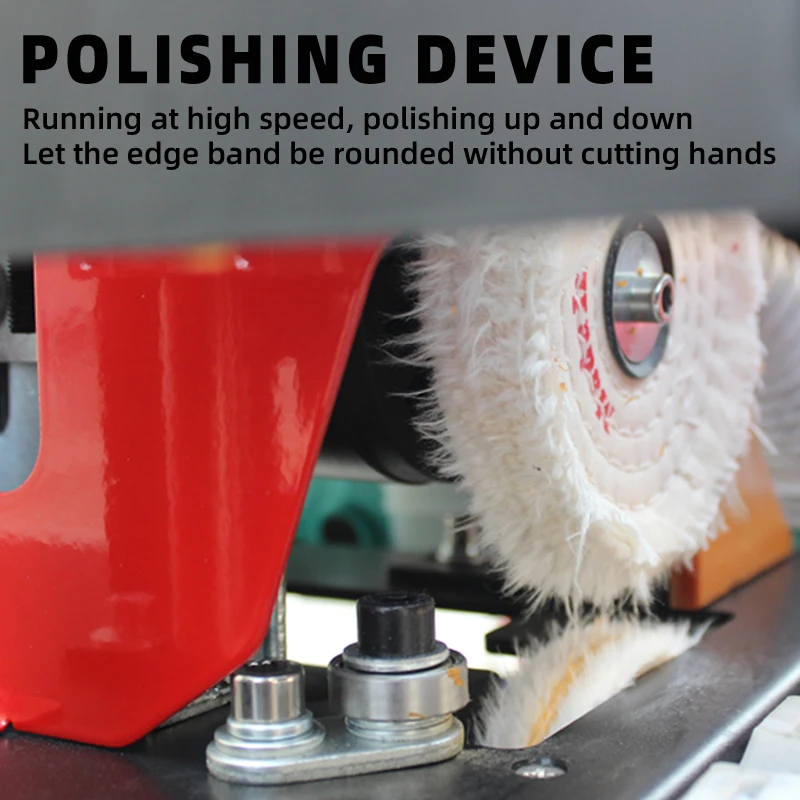
| Polishing Motor Power | 180W × 2 |
| Vacuum Motor Power | 1200W |
| Air Source Pressure | 0.4-0.8Mpa |
| Overall Dimensions | 130 × 60 × 95 CM |
| Net Weight | 135KG |
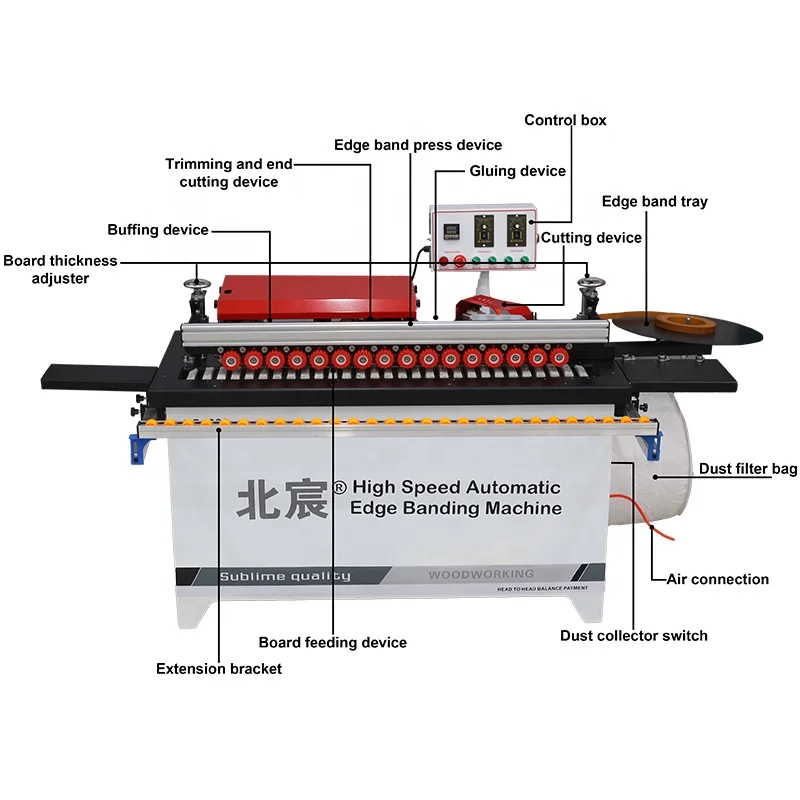
| Standard Features | Edge banding, trimming, polishing, automatic head and tail cutting, vacuum hold-down |
| Control & Interface | Chinese and English (customizable to Spanish or other languages) |
| Plug Options | EU, USA, AU, UK |
Application Suitability
| Application | Material or Output |
|---|---|
| Custom Cabinet Manufacturing | MDF and particleboard with PVC or melamine edge banding |
| Home Decoration Joinery | Plywood and ecological board for interior fit-outs |
| Small to Medium Workshop Operations | Solid wood panels and composite substrates up to 50mm edge height |
| Furniture Component Processing | Panel formats down to 250mm length for drawer sides and small shelves |
Why the Voltage Question Must Precede the Purchase Order
Confirming your facility’s voltage and frequency prevents a machine from arriving as dead weight.
I have stood in workshops where a brand-new automatic edge banding machine for sale sat under a tarp for three weeks because the local supply was 220V/60Hz and the machine was wired for 380V/50Hz. The transformer cost more than the freight. The DW802 is configurable for 220V or 380V with regional frequency matching, but this specification must be locked before the build starts. A machine that cannot run on your shop floor is not a production asset; it is a 135KG paperweight [NEED_CITE: voltage and frequency standards by export market].
Mapping the Complete Machine Range to Your Production Stage
Ruiqi maintains a tiered catalogue so that a joinery startup and a scaling cabinet factory can source from the same product family. The DW802 serves as the entry point for workshops transitioning from manual edge application to semi-automated output, handling panel formats common in residential cabinetry. When your daily throughput demands continuous pre-milling and multi-stage scraping, the range extends upward to full-function models without requiring you to retrain operators on an unfamiliar brand.
Matching Edge Banding Thickness to Your Actual Material Mix
A 0.3-3MM banding thickness range covers the PVC, melamine, and veneer tapes most common in custom furniture production. The critical step is confirming your primary material before ordering. I recall a cabinet maker who validated a trial run using thin PVC, then switched to high-durometer ABS on the production floor. The trimming station struggled with the increased density, and the edge finish required manual rework. Confirming your banding material type and hardness upfront ensures the trimming and polishing motors are configured for your actual workload, not a best-case sample [NEED_CITE: ABS versus PVC edge banding hardness comparison].
Reading the Spec Sheet Against Your Assembly Tolerances
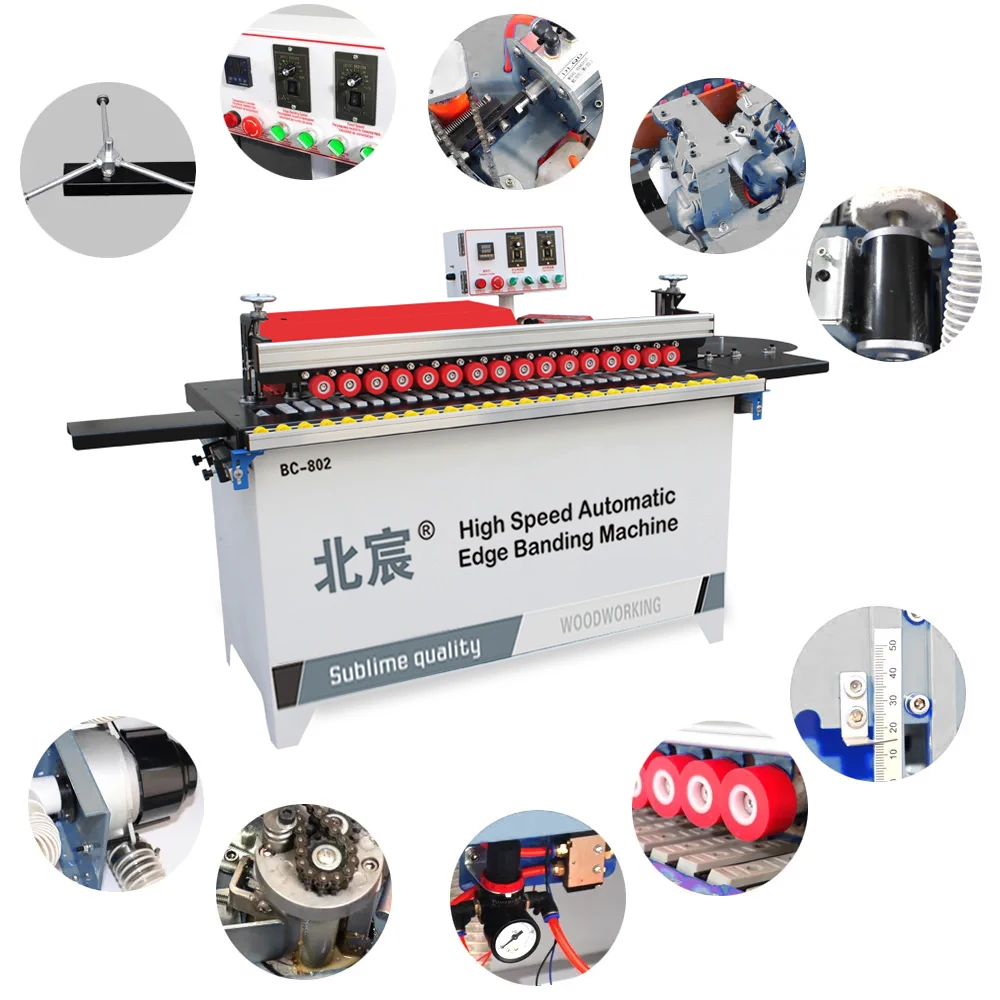
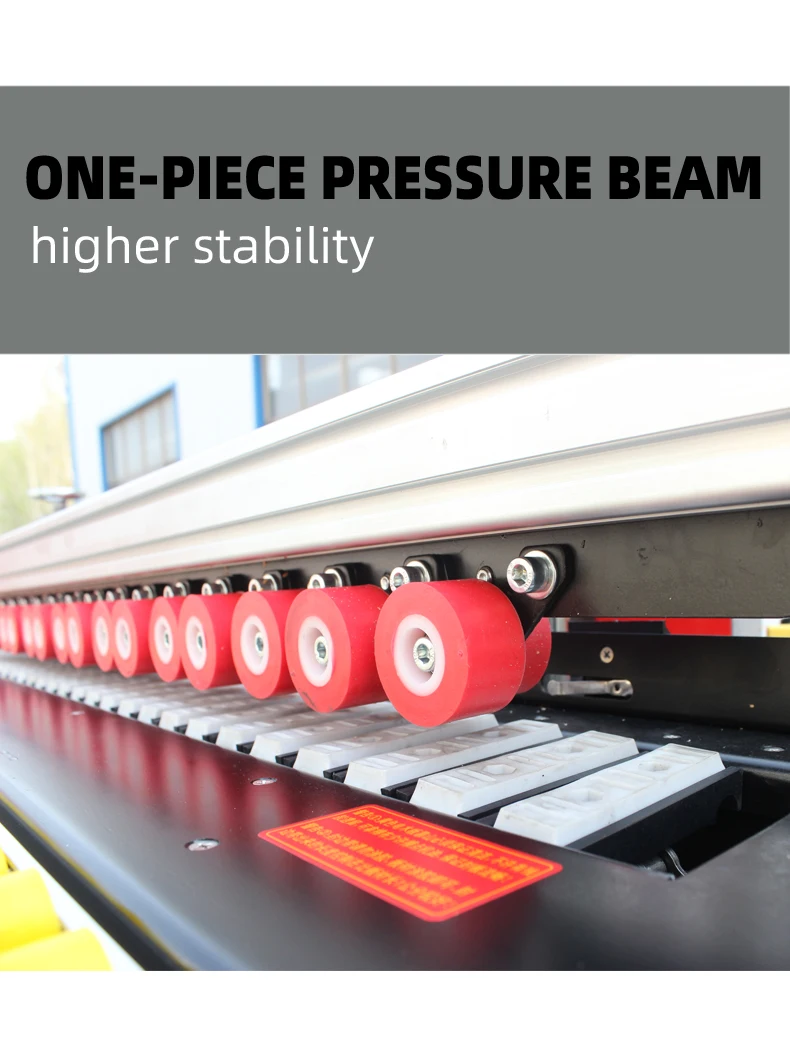
The DW802 integrates a 4000ml glue pot, dual 800W trimming motors, and vacuum hold-down to stabilize the panel during the sealing and finishing sequence. The glue pot volume reduces refill interruptions during a batch run, which matters when you are processing dozens of carcass panels in a single shift. The vacuum system holds smaller workpieces — down to 250mm in length — against the feed chain, preventing the lateral drift that causes misaligned trimming passes. For workshops producing drawer components and narrow shelving, this minimum sheet length capability determines whether the machine can handle your full product mix or only your large-format panels.
The Hidden Cost of Underspecifying the Feed Mechanism
When a workshop buys a machine rated only for large-format panels, operators spend hours manually supporting small components through the feed zone. The resulting inconsistency in edge alignment cascades into the assembly department, where dowel holes and hinge bores no longer register against the finished edge. Panels get rejected, rework consumes the schedule, and the machine’s effective throughput drops to a fraction of its nameplate rating. An automatic edge banding machine for sale that cannot handle your smallest production format is a bottleneck disguised as a capacity upgrade [NEED_CITE: common causes of edge banding rejection in cabinet assembly].
Why Buyers Source This Range From Ruiqi
Ruiqi manufactures the complete DW802 product family in-house, from the feed chain to the polishing station, which means specification changes and replacement parts originate from a single facility. The voltage, plug type, and control panel language are confirmed as line items on the quotation, not assumptions left to the shipping department. A four-stage quality control process covers incoming components, in-process assembly, finished product testing, and pre-shipment verification on the exact unit you ordered. Engineers provide a formal configuration proposal within 24 hours of receiving your panel dimensions, material type, and production volume, and factory visits are available for buyers who want to witness a test run on their own substrates.
Documentation & Verification
- CE declaration of conformity for the DW802 unit shipped to your facility.
- Electrical schematic confirming your specified voltage, frequency, and plug configuration.
- Factory test record documenting edge finish quality on your panel thickness and banding material.
- Operation and maintenance manual in your agreed language with illustrated parts breakdown.
- Spare parts list identifying wear items with reorder intervals.
Installation, Commissioning & Support
- The 130 × 60 × 95 CM footprint requires a level concrete floor with clearance for panel infeed and outfeed zones.
- A dedicated circuit matching your confirmed voltage (220V or 380V) must be installed before the machine arrives.
- The unit ships fully assembled in a wooden crate; uncrating and positioning require standard workshop lifting equipment.
- First-run commissioning includes trimming and polishing adjustment for your specific edge banding thickness and material.
- Operator training covers glue pot temperature management for your primary banding substrate.
- Wear parts inventory should include trimming blades and polishing wheels matched to your banding material hardness.
Preparing Your Inquiry
To receive an accurate configuration for an automatic edge banding machine for sale, specify your primary panel substrate, the edge banding material type and thickness you run most frequently, and your local voltage and frequency standard. Include the smallest panel dimension in your product mix so the feed mechanism can be validated. If you are integrating the DW802 into an existing line, note the upstream saw and downstream boring equipment so throughput can be matched across stations.
Frequently Asked Questions
Q: How do I match the DW802 to my workshop’s daily panel volume?
A: Provide your average daily panel count and the edge banding material you run most often. The DW802 suits small to medium workshops scaling from manual processes. If your volume demands continuous pre-milling and higher feed speeds, Ruiqi’s range extends to full-function models within the same product family, preserving operator familiarity and parts commonality as you grow.
Q: What minimum panel size can the DW802 handle reliably?
A: The machine accepts sheets as small as 25CM in length and 10CM in width, with edge heights up to 50MM. This range covers drawer sides, narrow shelving, and small cabinet components. Confirming your smallest production format ensures the vacuum hold-down and feed chain are validated for your actual workpiece mix before the machine ships.
Q: Can the control interface and electrical system match my country’s standard?
A: Yes. The control panel is available in Chinese and English, with customization to Spanish or other languages. Voltage is configurable between 220V and 380V, and plug options include EU, USA, AU, and UK types. These specifications are confirmed on the formal quotation to ensure the machine operates correctly upon arrival without external transformers.
Q: What edge finish quality should I expect on MDF versus particleboard?
A: The dual 800W trimming motors and 180W polishing stations deliver clean edge finishing on both substrates when the correct banding material and glue temperature are applied. MDF typically produces a smoother trimmed edge due to its uniform density. Particleboard requires sharper trimming blades and more frequent replacement to maintain finish quality across a production run.