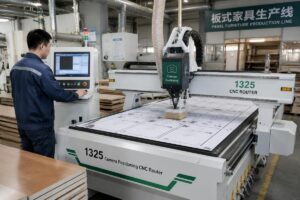
Norwegian distributors sourcing a cost-effective wood planer for Norway must prioritize factory-direct engineering that withstands high humidity and strict EU safety directives. True value balances robust cast-iron construction with verified compliance to ensure machines survive cold starts and fluctuating rural grids without compromising operator safety.
Cost-Effective Wood Planer Wholesale Supplier for Norway
A CE mark is not a guarantee of Nordic reliability.
For Norwegian distributors, sourcing a cost-effective wood planer for Norway means prioritizing factory-direct engineering that withstands high humidity and strict EU safety directives over simply selecting the lowest bid. True value lies in balancing robust cast-iron construction with verified compliance to the EU Machinery Directive, ensuring machines survive cold starts and fluctuating rural grids without compromising operator safety or surface finish quality.
I remember standing in a sawmill near Tromsø, watching a hydraulic system struggle to engage at minus ten degrees Celsius. The oil had thickened into a sluggish gel, causing the feed rollers to stutter and ruin the surface of expensive Nordic pine. The local technician wasn’t blaming the machine’s design; he was blaming the lack of cold-start specifications. That day reinforced a hard lesson: machinery built for temperate workshops fails in the North unless engineered for thermal variance. This experience drives my approach to verifying every cost-effective wood planer for Norway before it leaves the production line. It is not just about cutting wood; it is about ensuring the machine functions when the environment fights back.
Transitioning from reactive repairs to proactive specification requires a deep understanding of what makes a machine truly suitable for this market. Distributors need more than a brochure; they need technical validation.
Why Do Norwegian Distributors Choose Chinese Wood Planers?
Cost-efficiency does not imply compromised quality if the supply chain is transparent.
Many buyers assume that lower pricing from Asian manufacturers correlates with inferior materials. However, the reality is that removing intermediary markups allows for competitive pricing while maintaining high-grade components. The key is identifying a cost-effective wood planer for Norway that utilizes heavy-duty cast iron frames rather than lightweight aluminum alloys. Cast iron provides the necessary mass to dampen vibrations during heavy planing tasks, which is critical for achieving micron-level surface finishes on dense hardwoods.
When evaluating suppliers, the focus must shift from unit price to total cost of ownership. A cheaper machine that requires frequent recalibration due to frame warping costs more in labor and downtime. I have seen workshops where the initial savings were wiped out within months by service calls. By choosing a manufacturer with integrated production facilities, distributors can secure machines that offer long-term stability. The ability to customize voltage inputs from 110V to 440V ensures compatibility with various grid conditions across different regions of Norway, from urban centers to remote rural sites.
The decision to source from China should be driven by the availability of OEM customization. This includes adapting control panels to local languages and ensuring electrical components meet European standards. A cost-effective wood planer for Norway must be ready for integration into existing production lines without requiring extensive retrofitting. This level of readiness reduces the burden on local technicians and accelerates time-to-market for distributors.
What Technical Specs Matter for Nordic Woodworking?
Moisture resistance and thermal stability are non-negotiable for Nordic climates.
Norwegian wood often has higher moisture content, especially during certain seasons. Planing wet timber places significant stress on machine tables and cutter heads. Aluminum tables may warp under these conditions, leading to inconsistent thickness. In contrast, cast-iron tables maintain their flatness, ensuring uniform cuts. When selecting a cost-effective wood planer for Norway, distributors must verify the material composition of the working surfaces.
| Feature | Basic Import Model | Premium OEM Specification |
|---|---|---|
| Frame Material | Welded Steel/Aluminum Mix | Heavy-Duty Cast Iron |
| Table Stability | Prone to Warping in Humidity | High Rigidity, Moisture Resistant |
| Motor Tolerance | Standard Range | Wide-Range Voltage Adaptation |
| Cold Start Performance | Standard Hydraulic Oil | Low-Viscosity/Heated Options |
| Surface Finish | Visible Tool Marks | Micron-Level Smoothness |
[NEED_CITE: ISO standards for woodworking machine safety and performance]
Voltage stability is another critical factor. Rural areas in Norway may experience grid fluctuations. Machines equipped with built-in voltage stabilizers or motors with wide tolerance ranges prevent burnouts and ensure consistent feed speeds. I recall a workshop where power dips caused repeated motor failures. Switching to a machine with robust electrical protection eliminated these issues entirely. This technical resilience is what defines a truly cost-effective wood planer for Norway.
Furthermore, feed speed consistency under load is vital. Variable feed rates lead to uneven surface textures. High-quality planers maintain a steady meter-per-minute rate regardless of wood density. This consistency reduces the need for secondary sanding, saving time and abrasive costs. Distributors should request data on feed speed stability under maximum load to verify performance claims.
How to Verify CE Compliance and Safety Standards?
A CE sticker is meaningless without the accompanying technical file.
Many suppliers slap a CE mark on their machines without undergoing proper testing. For the European market, this is a legal liability. True compliance with the EU Machinery Directive (2006/42/EC) requires comprehensive documentation, including noise emission tests and emergency stop logic verification. When sourcing a cost-effective wood planer for Norway, distributors must demand the full technical file, not just the certificate.
Noise levels are a specific concern in indoor workshops. Excessive noise can violate local labor regulations. Verified machines will have documented decibel ratings tested according to international standards. Additionally, the emergency stop system must be fail-safe, cutting power immediately upon activation. I have inspected machines where the E-stop button was merely a switch that did not isolate the main power circuit, a dangerous flaw that would fail any serious audit.
[NEED_CITE: EU Machinery Directive 2006/42/EC compliance requirements]
Electrical safety is another area where corners are often cut. Wiring should be enclosed in protective conduits, and all connections must be secured against vibration. Loose wires can cause short circuits, especially in humid environments. A thorough inspection of the electrical cabinet reveals the true build quality. Distributors should look for organized wiring, labeled components, and high-quality contactors. These details indicate a manufacturer who prioritizes safety and longevity.
Verifying these standards protects both the distributor and the end-user. It ensures that the cost-effective wood planer for Norway meets all legal requirements for operation in the EU. This due diligence builds trust with customers and reduces the risk of costly recalls or legal actions.
Which After-Sales Support Models Reduce Downtime?
Remote diagnostics and spare parts availability are critical for minimizing operational interruptions.
Even the best machines require maintenance. The difference between a minor inconvenience and a production halt often lies in the support structure. Distributors should partner with manufacturers who offer remote diagnostic capabilities. This allows technicians to troubleshoot issues via video call or software interface, reducing the need for physical visits. For a cost-effective wood planer for Norway, this support model is essential given the geographical distances involved.
Spare parts availability is equally important. Long lead times for replacement components can shut down a workshop for weeks. Manufacturers with standardized parts inventories can ship critical components quickly. I have seen cases where a simple bearing failure stopped production for a month because the part was not stocked locally. Choosing a supplier with a committed spare parts supply chain mitigates this risk.
Training local technicians is another effective strategy. Manufacturers who provide detailed installation guides and training videos empower local teams to handle routine maintenance. This reduces dependency on external experts and lowers long-term service costs. A cost-effective wood planer for Norway should come with comprehensive documentation in the local language, facilitating easier maintenance and operation.
Conclusion
Sourcing wisely means valuing engineering integrity over initial price tags.
Finding a cost-effective wood planer for Norway requires a balanced approach that considers climate resilience, regulatory compliance, and long-term support. By focusing on cast-iron construction, verified CE documentation, and robust after-sales networks, distributors can offer machines that deliver true value. This strategy ensures reliability for end-users and sustainability for the distribution business.
Tags

Written by
author
Editor covering global sourcing, supplier verification, and industrial product knowledge. Content is compiled from manufacturer specifications, industry standards, and hands-on experience with international B2B buyers. Every article is fact-checked before publishing to help procurement professionals make informed decisions.
View all posts