Description
Voltage-Configurable Assembly — Every portable edge bander leaves our floor with electrical schematics matched to the buyer’s confirmed frequency and phase, eliminating the three-week rewiring delays we have seen on mismatched shipments.
Technical Specifications
| Parameter | Value |
|---|---|
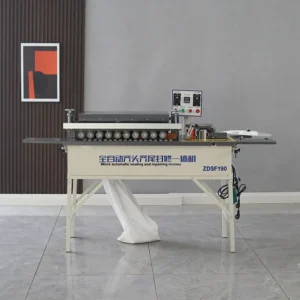
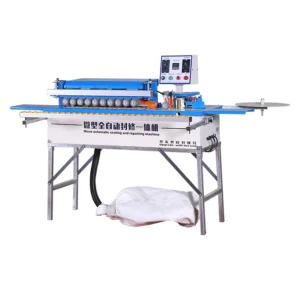
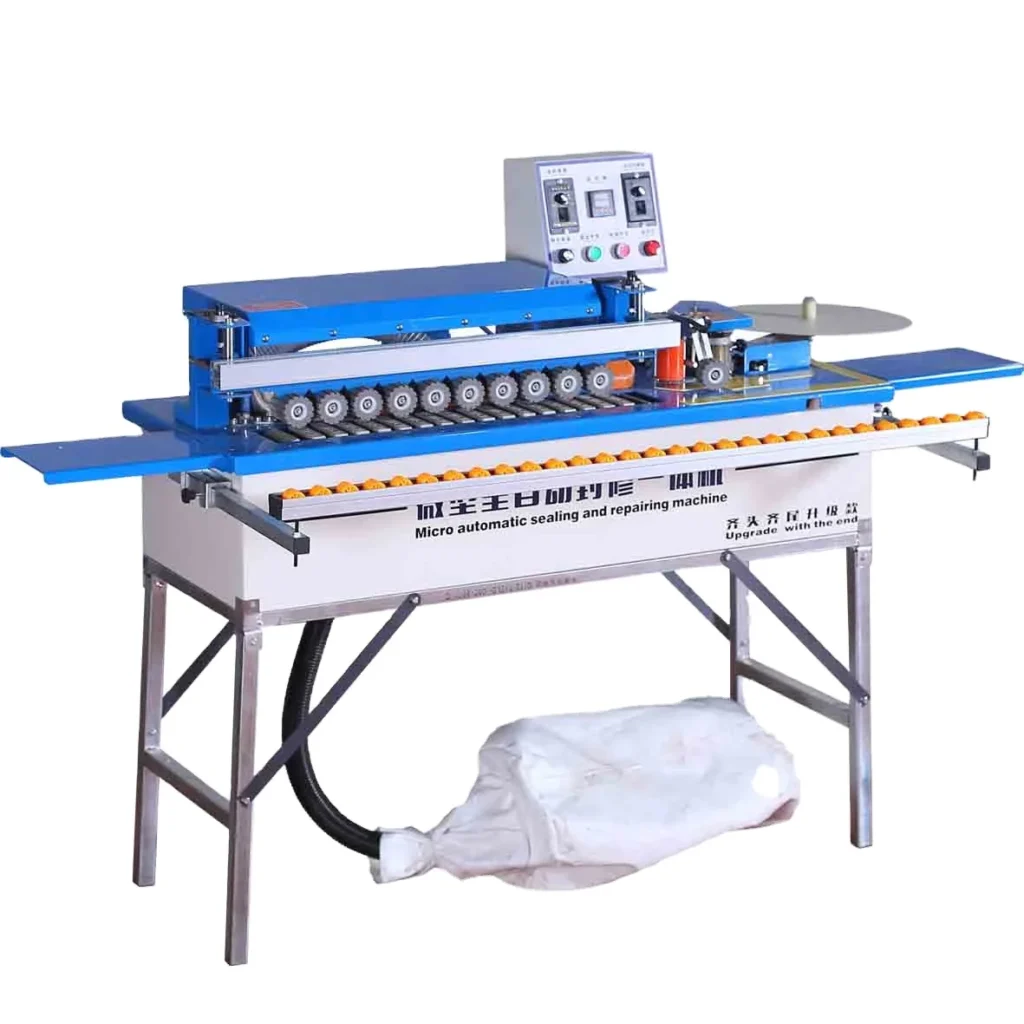
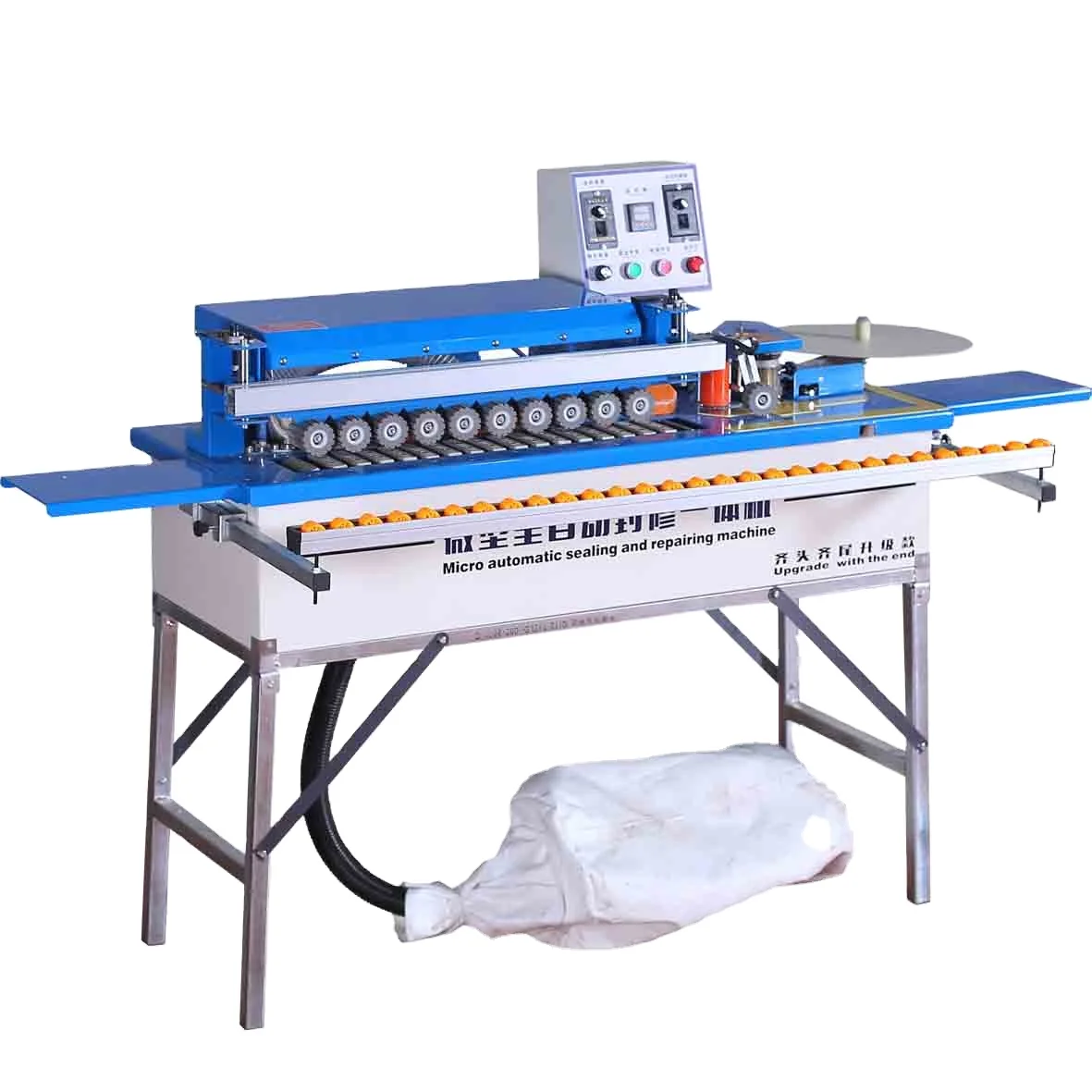
| Product Type | Portable Edge Banding Machine (Curved & Straight) |
| Voltage | 220V (configurable from 110V to 440V) |
| Suction Power | 1200W |
| Belt Power | 25W |
| Transmission Power | 60W |
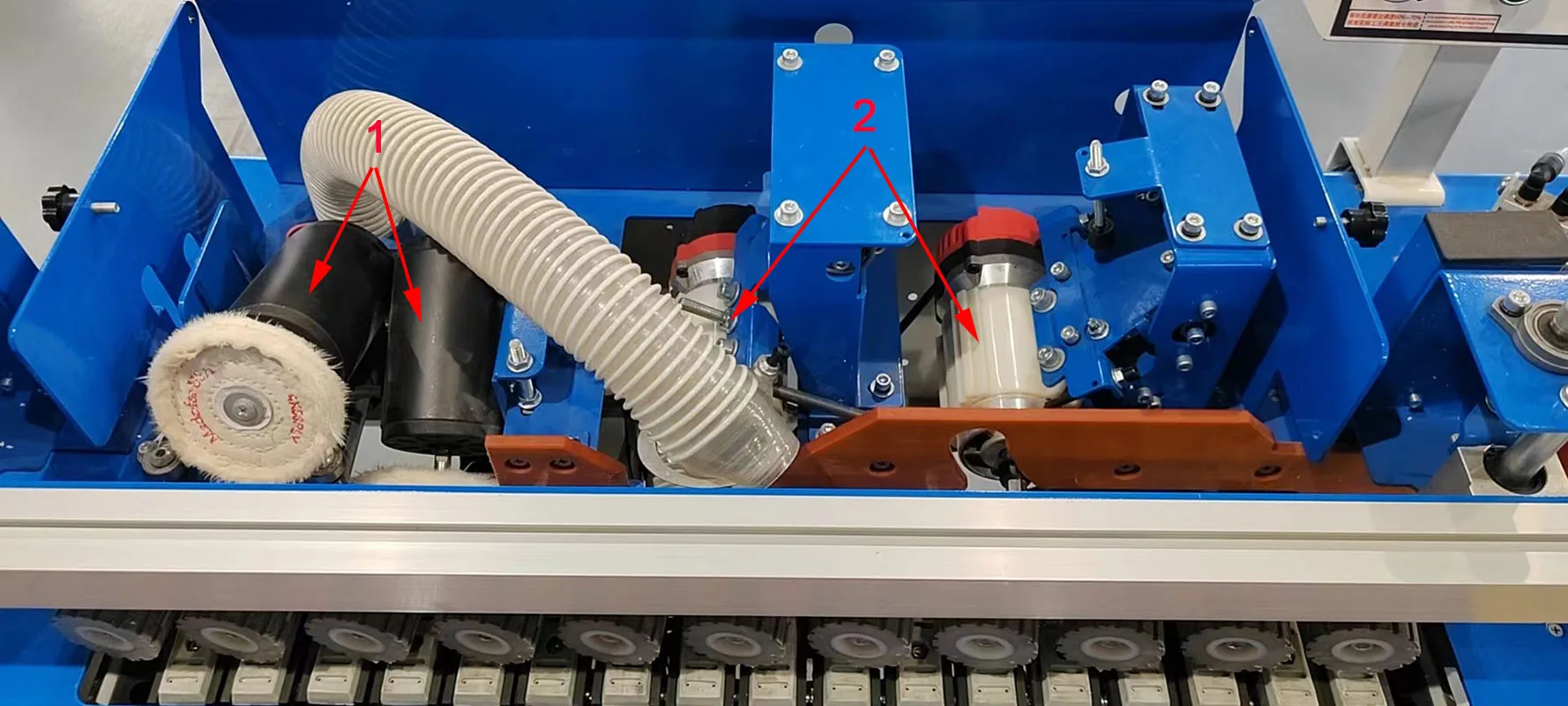
| Polishing Power | 180W × 2 |
| Trimming Power | 800W × 2 |
| Conveying Speed | 0–15 m/min |
| Edging Speed | 0–6 m/min |
| Edge Height Range | 10–60 mm |
| Edge Thickness Range | 0.3–3 mm |
| Overall Dimensions (L×W×H) | 120 × 54 × 72 cm |
| Net Weight | 81 kg |
| Gluing Method | Double-sided adhesive application |
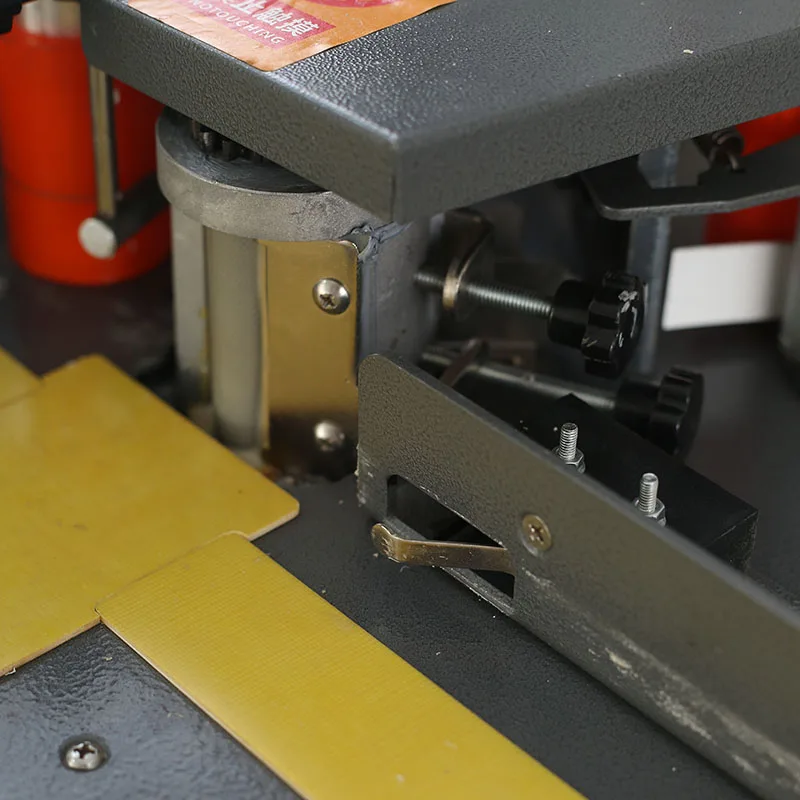
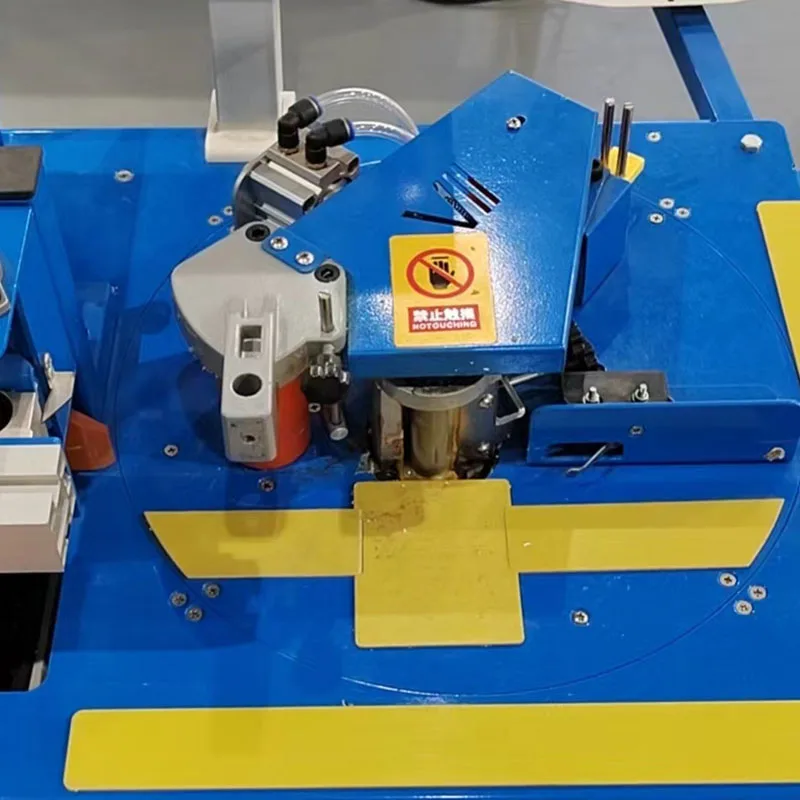
| Gluing Device Rotation | 180° for curved edge banding |
| Trimming Stations | Upper and lower trimming motors |
| Polishing Stations | Upper and lower cross-polishing motors |
| Dust Extraction | Integrated dust suction device |
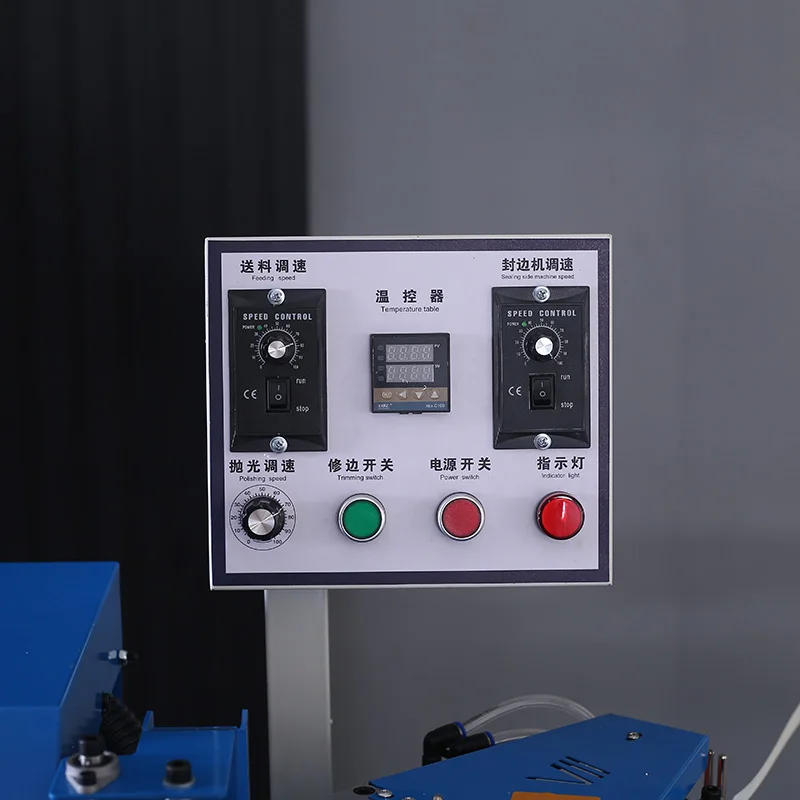
| Control Panel | Independent function controls |
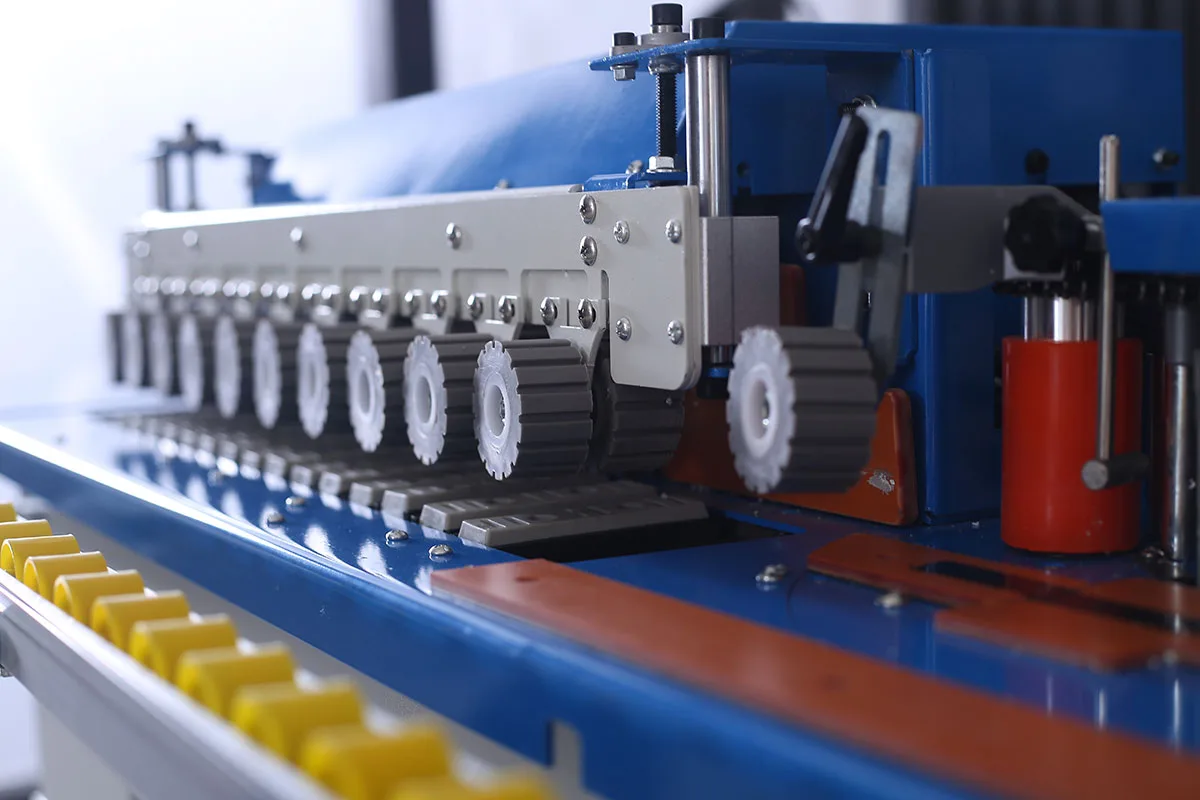
| Board Feeding | Automatic with double-row rubber pressure wheels |
| Warranty | 1 year |
Application Suitability
| Application | Material or Output |
|---|---|
| Custom cabinet edge finishing | MDF and particleboard with PVC edge banding 0.3–3 mm |
| Small workshop curved panel edging | Plywood and shaped MDF with veneer or PVC strips |
| On-site furniture repair and touch-up | Pre-cut panels requiring curved or straight re-edging |
| Joinery startup scaling from manual banding | Particleboard shelving and carcass panels with PVC edging |
Why the Voltage Question Must Come Before the Portable Edge Banding Machine Order
Confirming local voltage and frequency before production prevents the most expensive three weeks a workshop can waste on a machine that will not start.
I spent years on the assembly floor before moving into technical sales, and the lesson that stuck came from a custom cabinet shop that received a portable edge banding machine wired for 380V when their facility ran 440V at 60Hz. The machine sat idle while a local electrician reconfigured the supply, and the customer lost production time they could not recover. Since that job, I screenshot the voltage confirmation with every buyer before a single component is pulled from stock. [NEED_CITE: voltage and frequency standards by export market]
Mapping the Catalogue: Where This Portable Model Sits
The full edge banding range spans entry-level manual units through to fully automatic pre-milling lines with six or more processing stations. This portable edge banding machine occupies the compact tier — designed for workshops that need both curved and straight edging but do not yet have the volume to justify a stationary automatic machine. Its 10–60 mm edge height range covers standard cabinet and shelving panels, and the 180° rotatable gluing device means a single unit handles the shaped components that would otherwise require a dedicated curved bander.
Scaling Without Changing Supplier
A joinery startup typically begins with manual hand-edge banding, moves to a portable unit like this one, and eventually adds a full-function stationary machine as daily panel volume grows. Because the entire product family shares common control logic and spare part architecture, the transition between tiers does not force the operator to learn a new interface from scratch. The portable model remains useful even after a larger machine arrives — it stays in the shop for short-run curved work, repair jobs, or on-site installation tasks where dragging a stationary line machine is impractical. [NEED_CITE: typical workshop scaling path from manual to mechanised edge banding]
Reading the Specs Against Your Panel Range
The 0.3–3 mm edge thickness range accommodates both thin PVC for visible cabinet faces and thicker veneer strips for worktops where impact resistance matters. Conveying speed reaches 15 m/min for straight runs, while edging speed caps at 6 m/min — the slower rate gives the adhesive time to bond on curved profiles where the banding must conform to a radius. The double-row rubber pressure wheels on the feed system keep panels aligned through the trimming and polishing stages, reducing the drift that causes uneven edge overhang on narrower stock. Integrated dust extraction at 1200W suction pulls trim waste away from the polishing motors, which matters in a small workshop where airborne PVC dust settles on finished panels waiting for assembly.
The Hidden Cost of Underspecifying a Portable Unit
Buying a portable edge bander rated only for straight edges, then discovering your production mix includes curved cabinet doors, forces a second purchase or manual hand-trimming that eats into margins. Similarly, specifying a machine whose edge height range tops out below your thickest panel means the trimming motors cannot reach the full band, leaving visible overhang that fails visual inspection. These mismatches rarely show up in a catalogue comparison — they surface on the shop floor when the first batch of curved panels comes off the machine with incomplete trimming and the operator realises the unit was never configured for the job. [NEED_CITE: common edge banding specification mismatches in small workshops]
Why Source This Machine Through Our Catalogue
In-house manufacturing with patented cutting mechanisms means the trimming and polishing stations are built and tested under one roof, not assembled from third-party sub-contractors. Voltage configuration from 110V to 440V is confirmed in writing before production begins, so the machine that arrives matches the electrical supply already in the workshop. The full product family — from this portable model through to multi-station automatic lines — lets a buyer scale within one supplier relationship rather than managing multiple vendor accounts. Four-stage quality control includes a pre-shipment verification run on the buyer’s specified panel material, with a factory test record included in the documentation package. Engineer-led configuration recommendations arrive within 24 hours of an inquiry, giving buyers a formal quotation to compare against other options on the table.
Documentation & Verification
- CE declaration of conformity covering portable edge banding machinery
- Machine specification sheet confirming voltage, frequency, and edge height range
- Electrical schematic matching the confirmed local power supply
- Factory test record on the buyer’s panel thickness and banding material
- Operation and maintenance manual in the operator’s agreed language
- Spare parts list with trimming motor and polishing brush part numbers
Installation, Commissioning & Support
- Requires a dedicated 220V circuit with capacity for the combined 1200W suction and 800W × 2 trimming load
- Some assembly required on arrival — gluing device and feed wheels must be mounted to the base frame
- First commissioning includes verifying the 180° gluing device rotation on both curved and straight test panels
- Independent function controls allow each station to be activated separately during setup and troubleshooting
- Double-row rubber pressure wheels should be inspected for alignment before the first production run
- Integrated dust suction hose connects to a standard workshop extraction port or operates standalone
What to Include in Your Inquiry
To match the right portable edge banding machine configuration to your workshop, send through the panel materials you process most often — MDF, particleboard, or plywood — along with the edge banding type and thickness range. Confirm your facility voltage and frequency so the electrical package is built correctly before shipment. If curved edging is part of your production mix, note the smallest radius you typically work so the gluing device can be verified against that profile before dispatch.
Frequently Asked Questions
Q: How do I know this portable edge bander is the right tier for my daily panel volume?
A: If your workshop runs fewer panels per day than a full automatic line is rated for, and you need both curved and straight edging on one unit, this portable model fits. For higher sustained volumes with exclusively straight edges, a stationary automatic machine in the catalogue will offer faster feed rates and additional processing stations. Share your daily panel count and edge profile mix for a tier recommendation.
Q: Can the voltage and frequency be customised before I place the order?
A: Yes. Voltage is configurable from 110V to 440V and frequency is matched to your local supply standard. The confirmed electrical specification is documented in the machine specification sheet and electrical schematic before production begins. No unit ships without written voltage confirmation from the buyer on file.
Q: How does the 180° gluing device handle curved edges in practice?
A: The gluing device rotates to follow the panel contour, applying double-sided adhesive along the curved profile while the banding conforms to the radius. Upper and lower trimming motors then remove overhang, and cross-polishing stations finish the edge. The 0–6 m/min edging speed gives the adhesive adequate bonding time on curves.
Q: What spare parts should I keep on hand after installation?
A: Trimming motor brushes, polishing pads, and feed wheel rubber inserts are the most frequently replaced consumables. The spare parts list included with the machine documentation lists part numbers for each. Keeping one set of trimming and polishing consumables in stock avoids downtime while waiting for replacements.
Q: When should I consider moving from this portable model to a full-function stationary machine?
A: When daily panel volume increases to the point where the portable unit’s 0–6 m/min edging speed becomes the bottleneck, or when your production requires pre-milling, corner rounding, and scraping stations that only a multi-station automatic machine provides. The portable unit remains useful for curved short-run work even after a stationary line is installed.