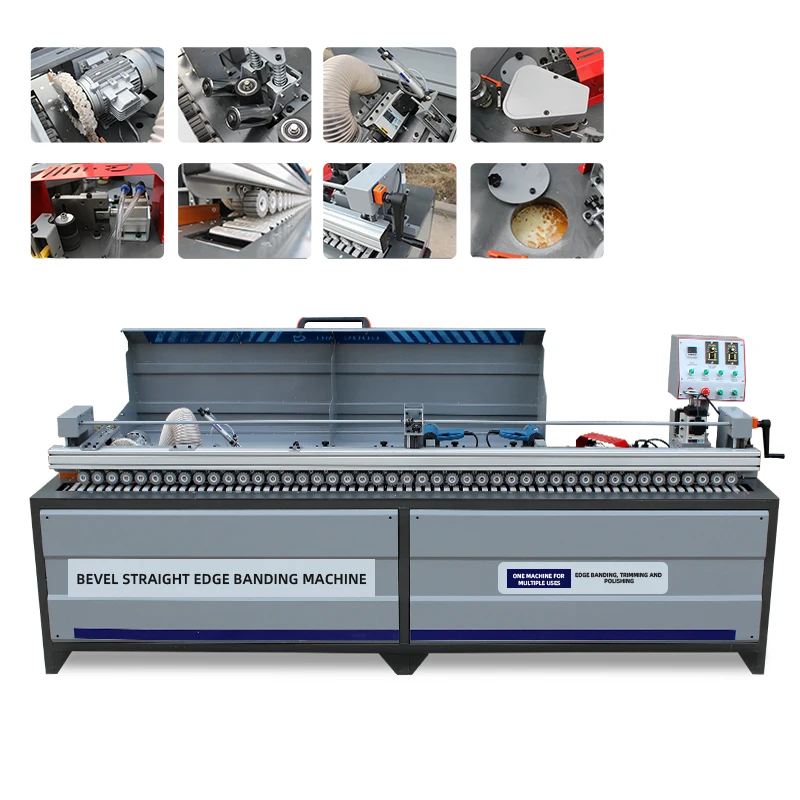
Description
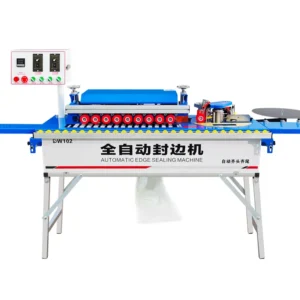
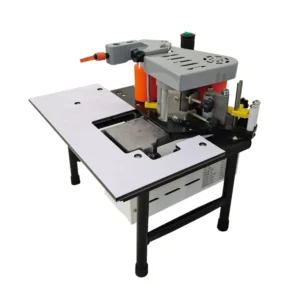
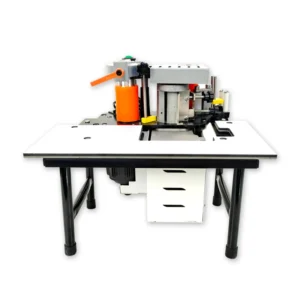
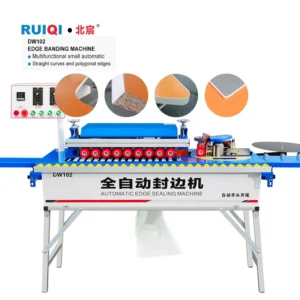
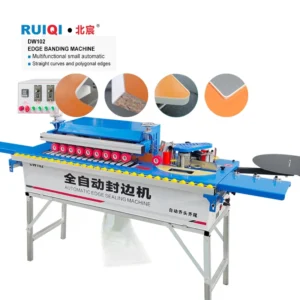
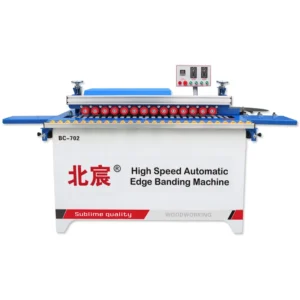
Full product family coverage — the DW3000 sits within a complete range from entry-level to full-function edge banding machines, so workshops can scale production without switching suppliers.
Technical Specifications
| Parameter | Value |
|---|---|
| Model | DW3000 |
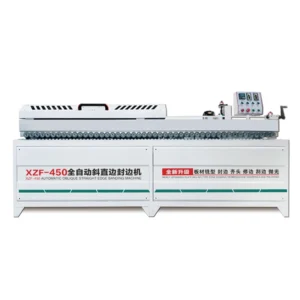
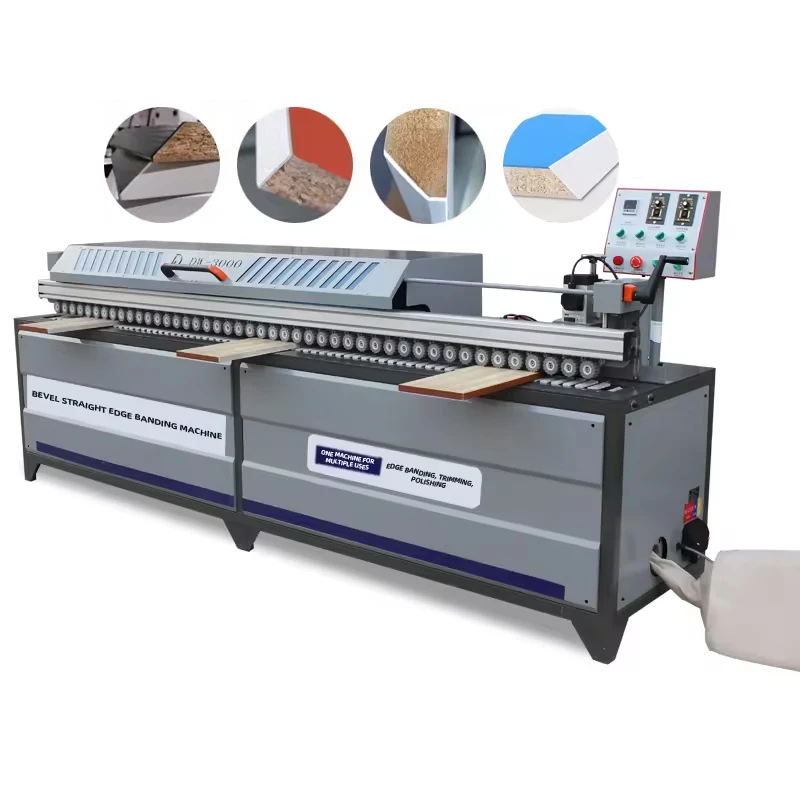
| Product Type | Fully Automatic 45 Degree Bevel and Straight Edge Banding Machine |
| Total Power | 11 kW |
| Voltage | 380V / 415V |
| Frequency | (basis to be confirmed) |
| Control System | (basis to be confirmed) |
| Language Options | Chinese and English standard; Spanish and other languages available on custom request |
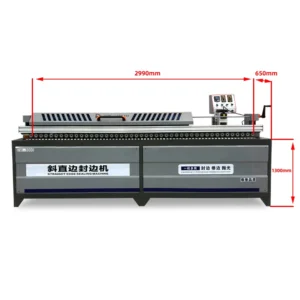
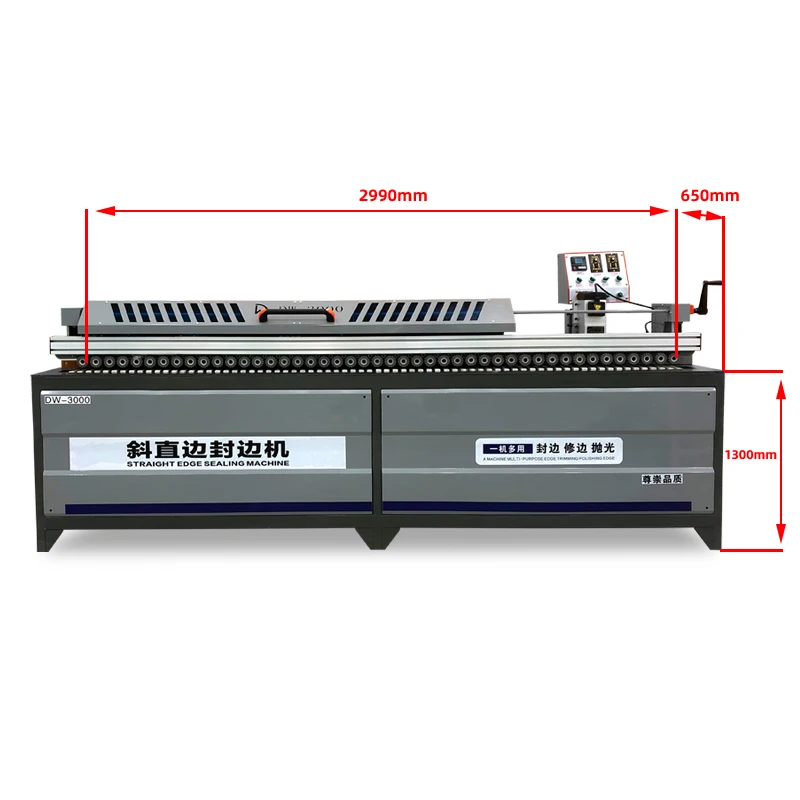
| Overall Dimensions (L×W×H) | 299 × 65 × 130 cm |
| Net Weight | 430 kg |
| Feed Speed | 0–12 m/min |
| Minimum Panel Length | 30 cm |
| Minimum Panel Width | 15 cm |
| Edge Banding Height | 0–50 mm |
| Edge Banding Thickness | 0.3–3 mm |
| Pre-milling Motor | 2.2 kW |
| Trimming Motor | 2.2 kW × 2 |
| Polishing Motor | 0.4 kW × 2 |
| Vacuum Motor | 550 W |
| Edge Feeding Motor | 160 W |
| Transmission Motor | 180 W |
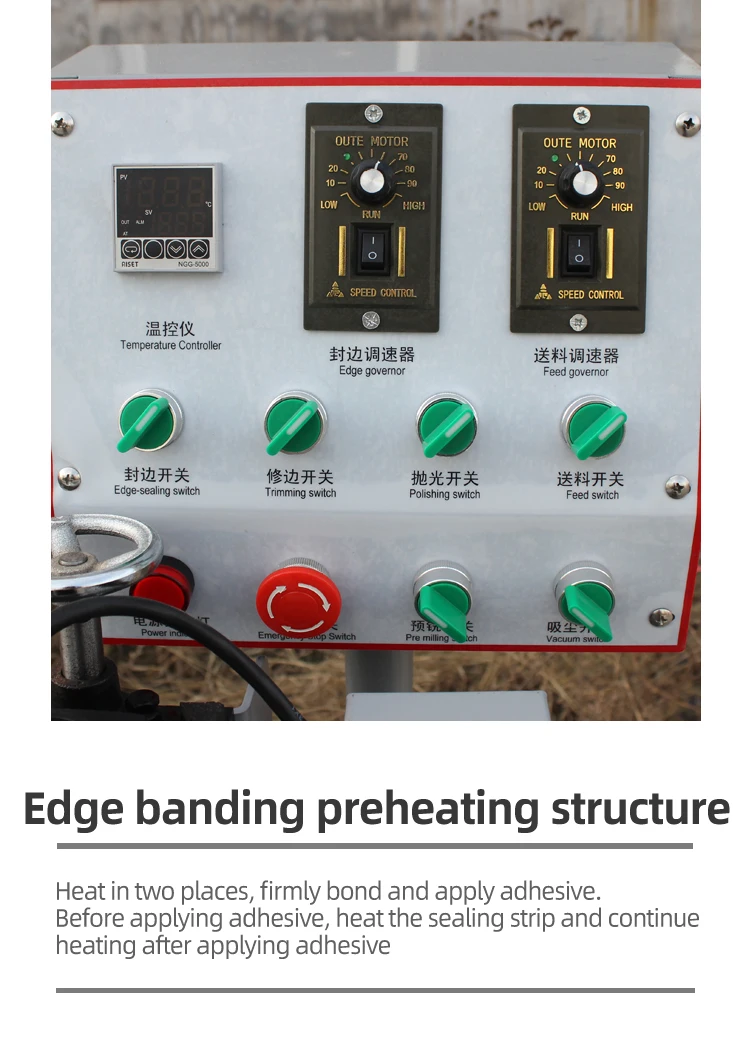
| Heating Power | 2.2 kW × 2 (double hot air gun) |
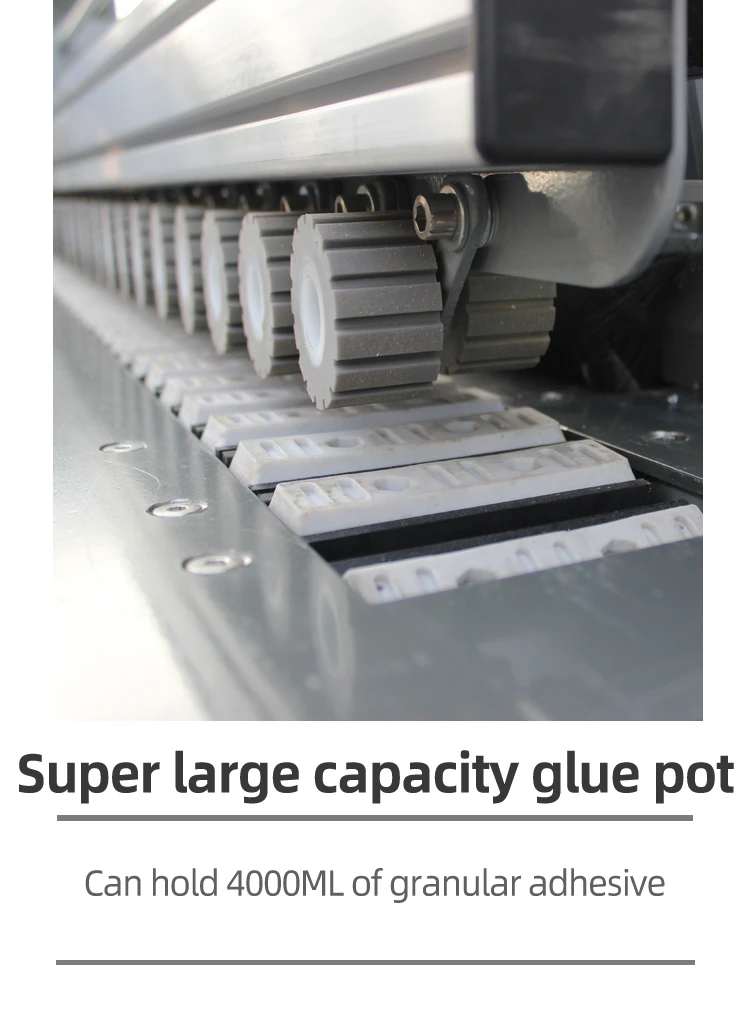
| Glue Pot Capacity | 4000 ml |
| Air Source Pressure | 0.5–0.7 MPa |
| Standard Functions | Pre-milling, 30–90° bevel edge banding, trimming, scraping, polishing, high-power vacuuming |
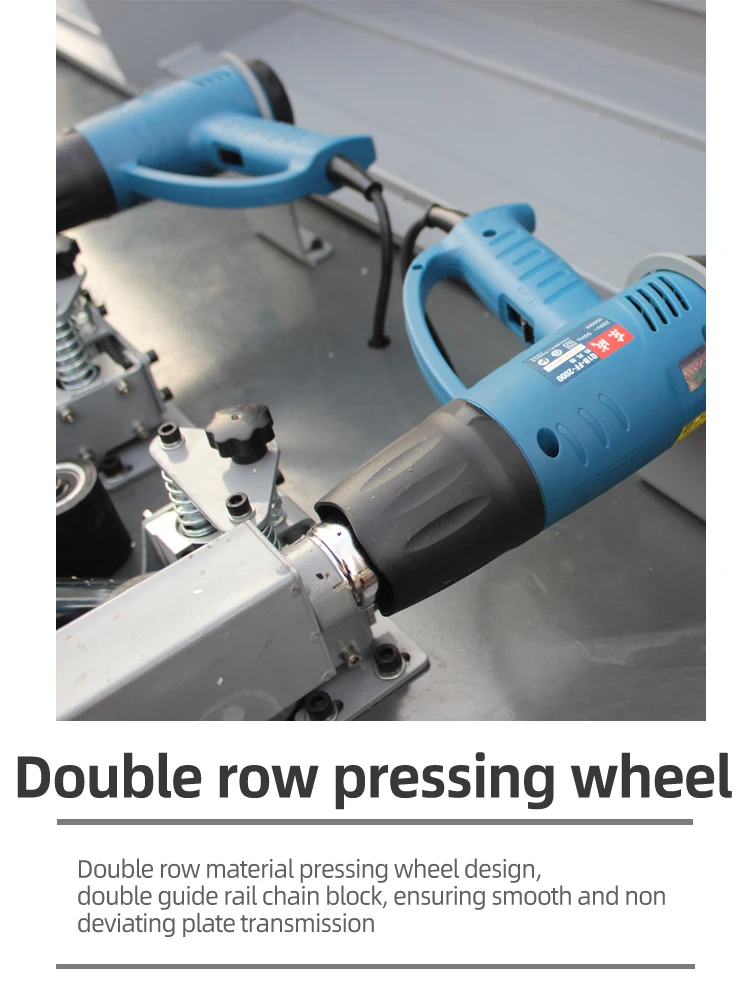
| Oblique Pressure Wheels | 8 sets, adjustable 30° to 90° |
| Edge Banding Type | Straight and 45° bevel |
| Certification | CE, ISO 9001 |
| Assembly State | Fully assembled, ready for installation |
| Key Features | Pre-milling station, spindle trimming, flexible edge scraper, polishing, integrated dust extraction |
Application Suitability
| Application | Material or Output |
|---|---|
| Cabinet door edge finishing | MDF and particleboard with PVC or melamine edge banding |
| Decorative panel bevel edges | Plywood and MDF with wood veneer banding |
| Custom furniture straight edges | Particleboard and MDF with 0.3–3 mm PVC or ABS strips |
| Joinery workshop panel sizing | Solid wood panels with veneer edge banding up to 50 mm height |
| Regional distributor model stocking | Mixed material applications across customer tiers |
Why Voltage Verification Must Come Before the Price Tag
Machines quoted without confirming local voltage and frequency arrive unusable on the factory floor.
I once spent four days re-tuning a bevel edge bander for a customer whose actual wood veneer material behaved nothing like the standard PVC used during factory testing. The same principle applies to electrical supply: a 380V machine shipped to a 440V market will either underperform or burn out within weeks. Every export market carries its own voltage and frequency standards, and skipping that conversation at the quotation stage creates costly delays [NEED_CITE: voltage and frequency standards by export market]. An automatic edge banding machine manufacturer worth working with will ask these questions before quoting, not after the crate is opened.
Where the DW3000 Fits Within the Complete Machine Range
The Ruiqi catalogue spans from compact entry-level banders for single-operator workshops up to high-throughput full-function lines. The DW3000 occupies the full-function tier with integrated pre-milling, trimming, scraping, and polishing stations in one frame. This means a production manager evaluating an automatic edge banding machine manufacturer can source every tier from the same supplier, keeping maintenance training and spare parts logistics under one roof.
Scaling Without Changing Supplier
A joinery workshop starting with manual edge finishing might begin on an entry-level model, then move to the DW3000 as order volumes grow and 45-degree bevel work becomes routine. Because the control interface and mechanical architecture share common DNA across the range, operators transition without a steep relearning curve. Distributors stocking multiple tiers can serve small cabinet makers and mid-size panel plants from the same product family [NEED_CITE: CE machinery directive requirements for industrial equipment].
How Core Parameters Translate to Shop Floor Results
Feed speed range of 0–12 m/min lets operators slow down for delicate wood veneer or accelerate through high-volume PVC runs without swapping hardware. The double hot air gun heating system at 2.2 kW × 2 maintains consistent glue temperature across both straight and bevel passes, which matters when switching between substrates mid-shift. Eight sets of oblique pressure wheels adjustable from 30° to 90° give the flexibility to handle bevel angles that single-angle machines simply cannot reach. The pre-milling station at 2.2 kW cleans panel edges before the glue roller makes contact, removing saw marks that would otherwise show through thin veneer banding. Combined with the spindle trimming motor pair and flexible edge scraper, the result is a glue line that requires minimal manual clean-up before the panel moves to assembly.
The Hidden Cost of Buying Outside Your Production Tier
Purchasing an entry-level bander for daily production volumes it was never designed for leads to premature bearing wear and inconsistent feed traction. Conversely, specifying a full-line automatic system for a workshop that only runs twenty panels a day ties up capital in stations that sit idle. Buyers who skip the throughput conversation often discover the mismatch only after the machine is bolted to the floor [NEED_CITE: edge banding machine sizing guidelines for production volume]. Matching the model tier to actual daily panel count and material mix avoids both scenarios.
What Manufacturing Depth Means for This Machine
In-house precision grinding of components keeps the trimming and scraping stations aligned within tolerance, verified through a four-stage QC process that includes pre-shipment testing on your specified panel material. The patented cutting mechanisms developed at the Ningjin facility achieve edge finishes that reduce downstream sanding. Voltage configuration from 110V to 440V and multilingual control panels are confirmed before production begins, not discovered as a surprise on delivery. Factory test records ship with every DW3000 so buyers can verify performance against agreed specifications. The automatic edge banding machine manufacturer backs the machine with a documentation package that supports customs clearance and local compliance audits.
Documentation & Verification
- CE declaration of conformity covering the full DW3000 assembly and safety systems
- ISO 9001 certificate for the manufacturing facility
- Machine specification sheet with confirmed voltage and frequency for your market
- Factory test record on your specified panel material and edge banding type before dispatch
- Electrical schematic matching the as-built voltage configuration
Installation, Commissioning & Support
- Allocate a level concrete pad accommodating the 299 × 65 cm footprint with clearance for panel infeed
- Provide a dedicated 380V/415V circuit rated for the 11 kW total power draw plus start-up surge
- Machine ships fully assembled; position and connect utilities per the included electrical schematic
- First-run commissioning includes glue pot temperature calibration for your chosen banding material
- Operator training covers oblique pressure wheel angle adjustment across the 30° to 90° range
- Spare parts list identifies wear items for the trimming motors and polishing wheels
What to Include With Your Enquiry
To configure the right solution, share the panel materials you process most often, typical panel dimensions, and whether you need straight edges, bevel edges, or both. Specify your workshop voltage and frequency, preferred control panel language, and any upstream or downstream equipment the DW3000 must integrate with. If you want a factory test on your actual edge banding stock before shipment, send a sample roll along with your target feed speed.
Frequently Asked Questions
Q: Where does the DW3000 sit within the full edge banding machine range?
A: The DW3000 is the full-function model, integrating pre-milling, bevel banding, trimming, scraping, polishing, and dust extraction in one frame. Entry-level and mid-range models are available for workshops with lower throughput or simpler edge requirements, and all share common control architecture so operators can transition as production grows.
Q: How should I choose between entry-level and full-function models?
A: Start with your daily panel count and edge complexity. Workshops running mainly straight PVC edges at moderate volume may not need pre-milling or bevel capability. If you handle wood veneer, decorative bevels, or run mixed materials daily, the DW3000 full-function configuration avoids bottlenecks at trimming and finishing stages.
Q: Can the DW3000 handle MDF, particleboard, and plywood equally well?
A: Yes, with correct parameter adjustment for each substrate. MDF and particleboard accept standard PVC and ABS banding at typical feed speeds. Plywood and solid wood panels may require slower feed rates and adjusted glue temperature, especially when using wood veneer banding. Factory testing on your actual material before shipment confirms optimal settings.
Q: What voltage and language customizations are available?
A: Voltage is configurable from 110V to 440V, confirmed during the quotation stage to match your local supply. Control panels ship in Chinese and English as standard, with Spanish and other languages available on request. Electrical schematics and voltage confirmation documents are included in the shipment package.
Q: How does the DW3000 integrate with other equipment in a production line?
A: The 0–12 m/min feed speed range allows throughput matching with upstream panel saws and downstream boring or assembly stations. The integrated high-power vacuuming reduces dust load on central extraction systems. For complete line planning, Ruiqi provides layout recommendations covering material flow and station spacing.