Description
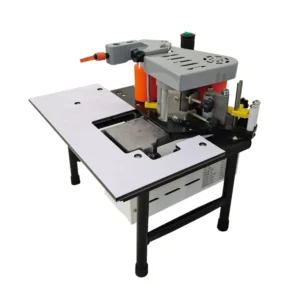
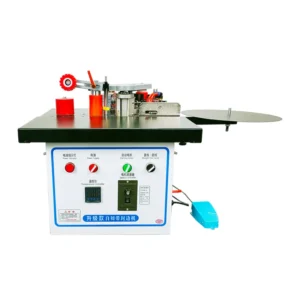
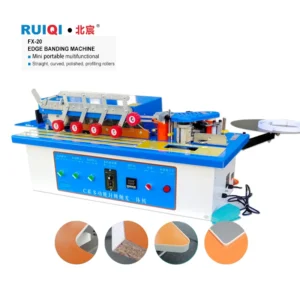
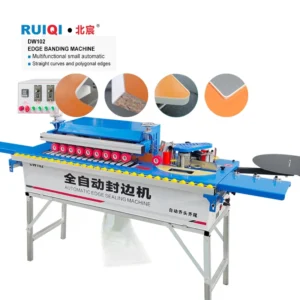
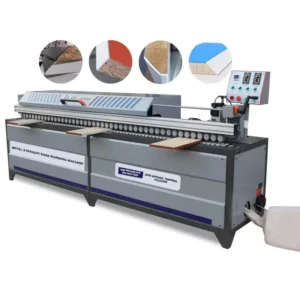
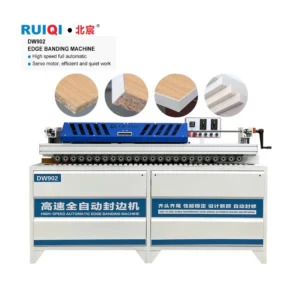
Unified Product Family — The DW802 sits within a complete edge banding machine range from entry-level to full-function pre-milling models, allowing a workshop to scale capacity without switching suppliers.
Technical Specifications
| Parameter | Value |
|---|---|
| Model | DW802 |
| Product Type | Automatic Edge Banding Machine |
| Total Power | 4200W |
| Voltage | 220V / 380V / Custom |
| Feed Speed | (basis to be confirmed) |
| Minimum Sheet Length | 25 cm |
| Minimum Sheet Width | 10 cm |
| Edge Banding Height | 0–50 mm |
| Edge Banding Thickness | 0.3–3 mm |
| Edge Feed Power | 140W |
| Transmission Power | 140W |
| Trimming Power | 800W × 2 |
| Polishing Power | 180W × 2 |
| Vacuum Power | 1200W |
| Air Source Pressure | 0.4–0.8 MPa |
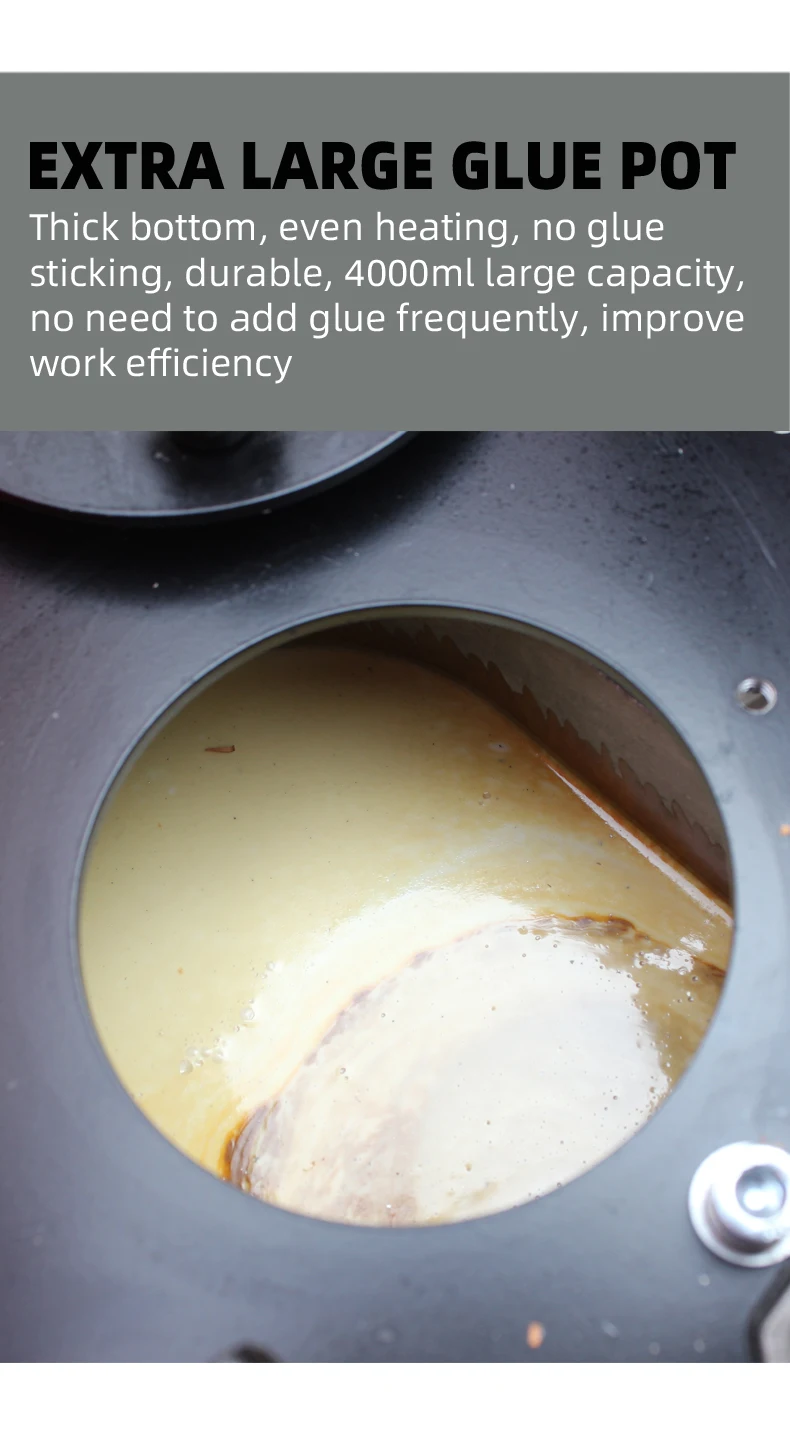
| Glue Pot Capacity | 4000 ml |
| Product Size | 130 × 60 × 95 cm |
| Product Weight | 135 kg |
| Control System | (basis to be confirmed) |
| Language Options | Chinese / English standard, other languages available |
| Assembly State | Fully assembled |
| Dust Extraction Port | (basis to be confirmed) |
Application Suitability
| Application | Material or Output |
|---|---|
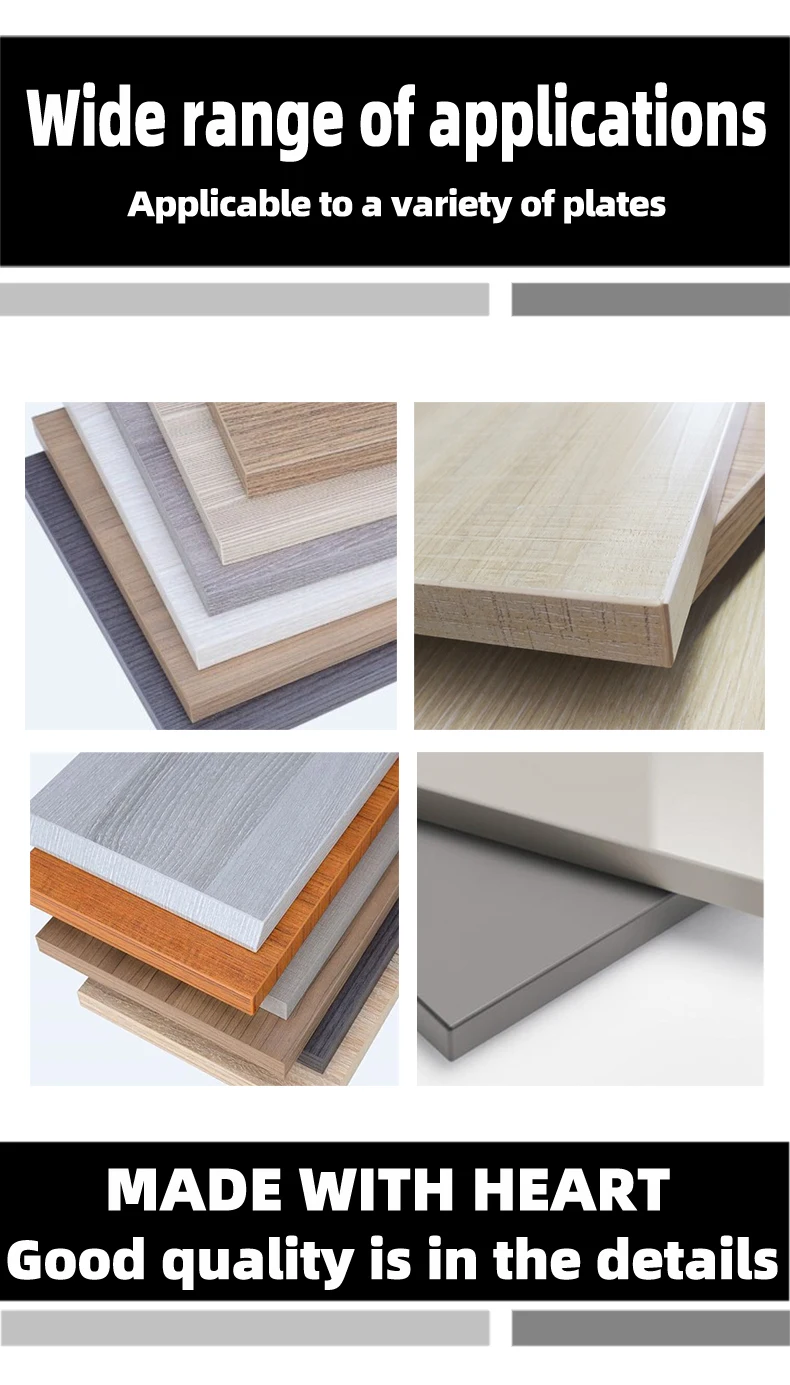
| Custom furniture production | MDF and particleboard panels with PVC edge banding |
| Cabinet door manufacturing | Plywood and ecological board with veneer or melamine edges |
| Home decoration joinery | Solid wood board and blockboard for interior fit-outs |
| Small-to-medium workshop scaling | Transition from manual edge application to automated sealing |
The Voltage Problem That Halts Entire Production Lines
Confirm the destination voltage and frequency before releasing the order, not after the crate arrives.
I spent years running installations across Africa and South Asia, and the most frustrating stall I ever saw was not a mechanical failure. A fully automatic edge banding machine arrived at a customer facility, the electricians opened the panel, and the local supply was a 440V three-phase system. The machine had left the factory configured for 380V. The whole line sat idle at the edge sealing station while they sourced a step-down transformer, and panels piled up across half the shop floor waiting to move. An edge banding machine manufacturer should flag this during the quotation stage, not leave it to the installer to discover on day one [NEED_CITE: voltage and frequency standards by export market].
Mapping the Full Range Before Narrowing Down
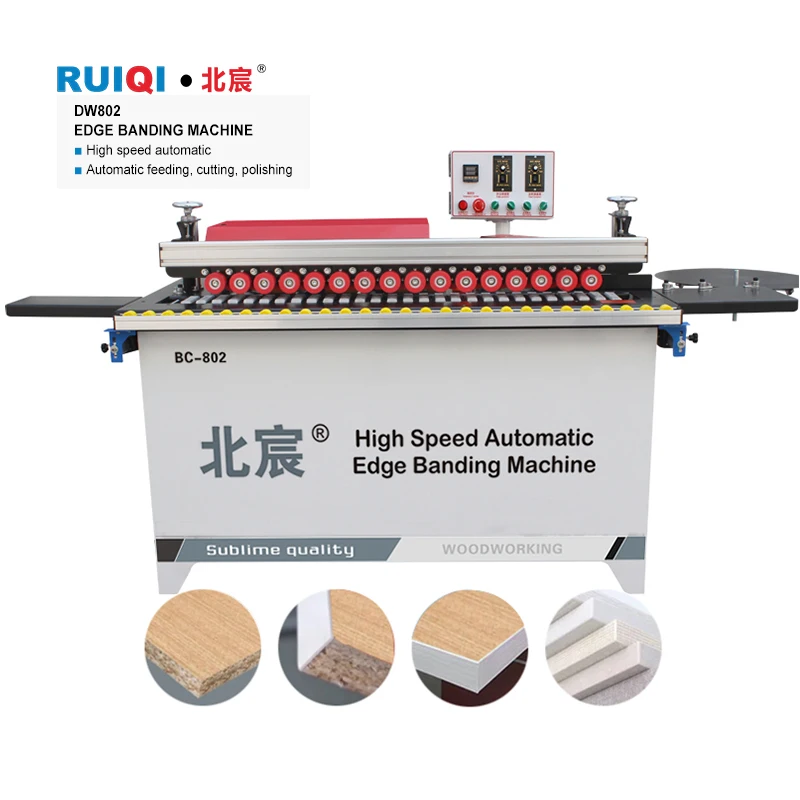
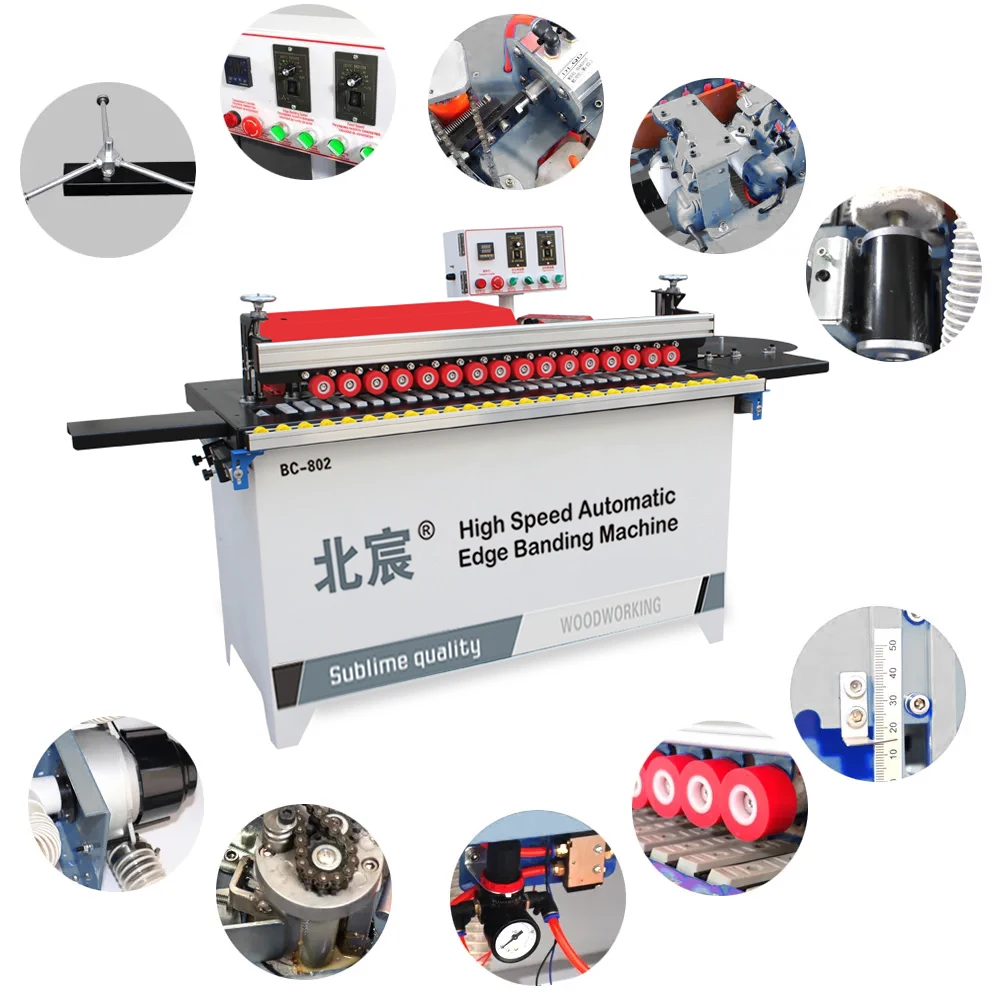
The DW802 occupies the compact, integrated tier of the Ruiqi edge banding lineup. It brings gluing, trimming, polishing, automatic head-and-tail cutting, and vacuum extraction into a single 130 × 60 × 95 cm footprint, which matters when a joinery workshop is moving off manual methods and has limited floor space. Choosing a model within one product family means the next step up — a full-function pre-milling unit for higher throughput — shares the same control logic and spare parts ecosystem.
How the Catalogue Tiers Connect to Production Stages
Workshops often buy a single machine based on today’s order book and discover, two years later, that the feed height and throughput are mismatched with a second machine added downstream. Surveying the full edge banding machine manufacturer catalogue at the outset lets a production manager map which model tier fits each stage of growth. The DW802 handles panel lengths down to 25 cm and edge thicknesses from 0.3 to 3 mm, covering the PVC, veneer, and melamine banding materials most common in custom furniture. When volume grows beyond what this tier is designed for, the next model in the range picks up where the DW802 leaves off, avoiding the cost of re-qualifying a new vendor entirely [NEED_CITE: machinery procurement cycles in custom furniture manufacturing].
What the Numbers on the Spec Sheet Actually Mean
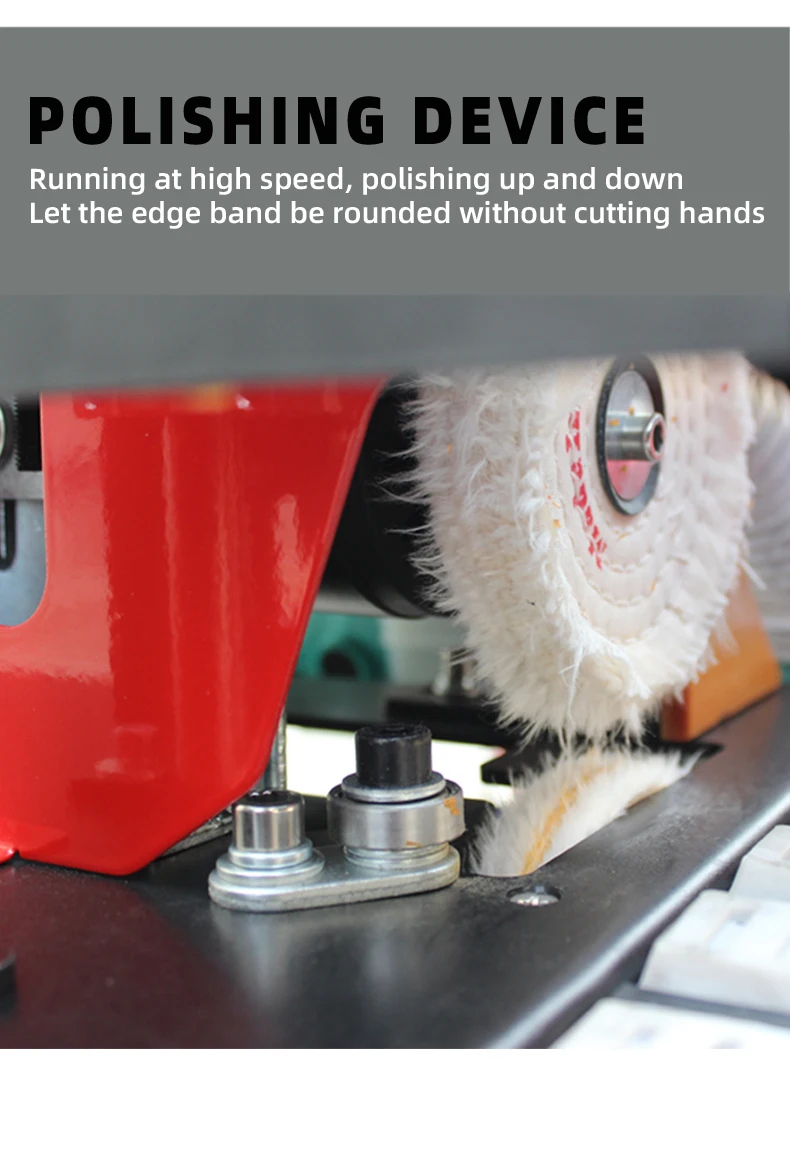
The 4000 ml glue pot capacity allows continuous edge sealing across multiple panels without stopping for frequent refills, which keeps small batch runs moving without interruption. The 800W × 2 trimming motors provide enough spindle power to score and flush-trim PVC and veneer cleanly at the working feed rate, while the 180W × 2 polishing wheels take off the residual haze left by the trimming cutters. Edge banding height coverage of 0–50 mm accommodates the standard panel thicknesses used in cabinet carcasses and shelving, from thin 10 mm stock up to 50 mm solid-wood components. The 0.4–0.8 MPa air pressure range is typical for pneumatic actuators controlling the pressure roller and trimming units — verify that the workshop compressor can sustain the upper end of that range before connecting.
When a Single Machine Purchase Creates a Bottleneck
Buying one machine in isolation, without reference to the rest of the line, is how workshops end up with a feed height that does not match the panel saw upstream or a throughput that starves the boring station downstream. The edge banding station then becomes the constraint the entire shop works around. Selecting from a unified product family means the feed geometry, conveyor height, and electrical standards are consistent across stations, reducing the integration work when capacity expands [NEED_CITE: production line integration challenges in panel processing].
Why Procurement Starts Here
The DW802 is built on a platform with proprietary cutting mechanism patents and verified tolerance, so the trimming and polishing results are consistent rather than dependent on operator adjustment. Voltage configuration from 220V to 380V and beyond is confirmed in writing before production begins, eliminating the transformer stall scenario. Multilingual control panels are available as standard, so an operator in any market can read the interface during commissioning. The four-stage quality check — incoming material, in-process, finished product, and pre-shipment verification — means the machine you see in the factory test is the machine that ships. Factory visits are welcomed, so a buyer can compare model tiers side by side on the production floor.
Documentation & Verification
- CE declaration of conformity covering the DW802 for the destination market
- Machine specification sheet confirming station configuration against the quoted model
- Electrical schematic with voltage and frequency written for the destination facility
- Factory test record run on the buyer’s specified panel thickness and edge material
- Operation and maintenance manual in the operator’s agreed language
- Spare parts list with part numbers matching the installed components
Installation, Commissioning & Support
- Floor space of 130 × 60 cm plus operator clearance on the infeed and outfeed sides
- Dedicated circuit matching the confirmed voltage, rated for the 4200W total draw
- Machine ships fully assembled; connect power, air supply at 0.4–0.8 MPa, and dust extraction
- First-run parameter setting for glue temperature, feed rate, and trimming depth included
- Operator training on the multilingual control panel during the commissioning visit
- Wear parts for trimming cutters and polishing wheels listed in the shipped spare parts set
What to Include in Your Inquiry
Provide the panel substrates and edge banding materials you run most often, along with typical panel dimensions, so the configuration can be matched to your production mix. State the local voltage, phase, and frequency at the installation site to ensure the electrical build is correct before the machine enters production. If you are evaluating where the DW802 fits within a broader line, share the upstream and downstream equipment so throughput compatibility can be reviewed.
Frequently Asked Questions
Q: Where does the DW802 sit in the Ruiqi edge banding range, and which model should I look at if my volume grows?
A: The DW802 is a compact, integrated model covering gluing, trimming, polishing, and head-and-tail cutting in one unit. It fits workshops moving from manual to automated edge sealing. When volume outgrows this tier, the full-function pre-milling models in the same range pick up higher throughput and additional stations, keeping you within one supplier ecosystem and one spare parts catalogue.
Q: How do I confirm the voltage, frequency, and plug type match my facility before placing the order?
A: Share your local supply specification — voltage, phase, frequency, and plug standard — during the quotation stage. The electrical build is confirmed in writing before production begins, and the shipped electrical schematic reflects the destination configuration. This avoids the situation where a machine arrives configured for a different grid standard and halts the line.
Q: What edge banding materials and panel substrates are validated on this model?
A: The DW802 handles PVC, veneer, and melamine edge banding in thicknesses from 0.3 to 3 mm and heights up to 50 mm. Validated substrates include MDF, particleboard, plywood, ecological board, and solid wood board. A sample processing test on your specific material combination can be arranged before the order is released.
Q: Can I visit the factory to see the full catalogue and compare model tiers side by side?
A: Factory visits are welcomed. You can see the DW802 running alongside other models in the edge banding range, compare footprints and station configurations, and run your own panel and edge banding material through the machine to verify output quality before committing to the order.
Q: What documentation ships with the machine and in which language?
A: The DW802 ships with a CE declaration, machine specification sheet, electrical schematic, factory test record, operation and maintenance manual, and spare parts list. The manual and control panel are provided in the language agreed during the quotation stage, with Chinese and English available as standard and other languages customizable.