Description
Verified tolerance on every station — the ±0.02 mm edge accuracy is achieved through in-house patented cutting mechanisms and multi-stage inspection, giving furniture workshops a dependable baseline across this five-model automatic edge banding machine family.
Technical Specifications
| Parameter | Value |
|---|---|
| Model | ZDS365 / ZDS-368 / ZDS-468 / ZDS-468J / ZDS-468JJ |
| Product Type | Automatic Edge Banding Machine |
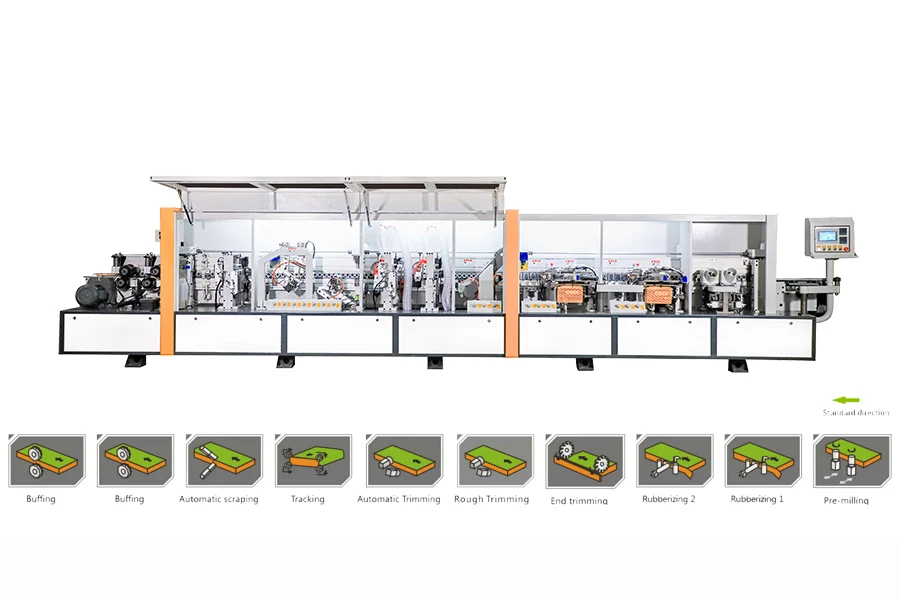
| Pre-milling Unit | Standard on ZDS-468J and ZDS-468JJ; not included on ZDS365, ZDS-368, ZDS-468 |
| Gluing Station | Single glue pot on ZDS365 / ZDS-368 / ZDS-468 / ZDS-468J; Dual glue pot on ZDS-468JJ |
| End Trimming | Standard on all models |
| Rough Trimming | Standard on ZDS-368 / ZDS-468 / ZDS-468J / ZDS-468JJ; not on ZDS365 |
| Fine Trimming | Standard on all models |
| Corner Rounding | Standard on ZDS-468 / ZDS-468J / ZDS-468JJ; not on ZDS365 / ZDS-368 |
| Scraping | Standard on all models |
| Buffing | Single on ZDS365 / ZDS-368 / ZDS-468 / ZDS-468J; Dual on ZDS-468JJ |
| Minimum Panel Size | 300×60 mm (ZDS365, ZDS-368, ZDS-468); 300×60 mm or 150×150 mm (ZDS-468J, ZDS-468JJ) |
| Panel Thickness Range | 10–60 mm |
| Edge Banding Thickness Range | 0.4–3 mm |
| Total Power | 8.15 kW (ZDS365) / 9.65 kW (ZDS-368) / 13 kW (ZDS-468) / 16 kW (ZDS-468J) / 18.5 kW (ZDS-468JJ) |
| Voltage | 3-phase 380V (basis not stated in source — frequency 50/60 Hz and regional voltage options available) |
| Overall Dimensions (L×W×H) | 4070×900×1600 mm (ZDS365) / 4570×900×1600 mm (ZDS-368) / 5800×900×1600 mm (ZDS-468) / 6600×900×1600 mm (ZDS-468J) / 8000×900×1600 mm (ZDS-468JJ) |
| Net Weight | 1200 kg (ZDS365) / 1400 kg (ZDS-368) / 1600 kg (ZDS-468) / 2000 kg (ZDS-468J) / 2300 kg (ZDS-468JJ) |
| Working Pressure | 0.6 MPa |
| Control System | PLC control system |
| Gluing System | Teflon-coated glue pot with anti-carbonization design; optional upper glue pot and PUR glue pot |
| Feed Speed | (basis not stated in source) |
| Warranty | 1 year |
Application Suitability
| Application | Material or Output |
|---|---|
| Custom cabinet door edge sealing | MDF and plywood with PVC, ABS, or melamine edge strips |
| Wardrobe and shelving panel production | Particleboard with 0.4–3 mm edge banding across straight runs |
| Small-workpiece joinery components | Solid wood panels down to 150×150 mm on ZDS-468J / ZDS-468JJ |
| Whole-house furniture panel processing | High-density MDF and laminated boards requiring pre-milling before gluing |
| Furniture factory phased expansion | Starting with basic trimming, scaling to corner rounding and dual buffing |
Why Voltage Confirmation Matters Before You Look at Model Tiers
Every electrical specification must match the buyer’s local supply before a machine enters production.
I have seen edge banders of this class sit idle on a workshop floor for weeks because the frequency was wrong — a 60 Hz machine shipped to a 50 Hz market, or a 380V unit arriving where the local industrial supply runs at 415V. The main motor runs, the PLC boots, but the high-frequency trimming motors overheat or the feed speed drifts outside tolerance. This automatic edge banding machine range covers 3-phase configurations, yet the correct voltage and frequency pairing has to be confirmed during the quotation stage, not at the packing stage [NEED_CITE: voltage and frequency standards by export market]. Getting this wrong does not just delay commissioning; it can damage motor windings before the first panel is even edged.
How Five Model Tiers Map to a Growing Workshop
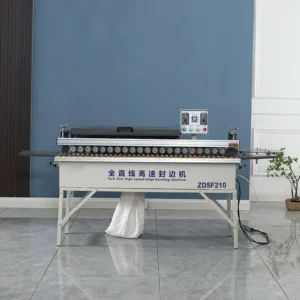
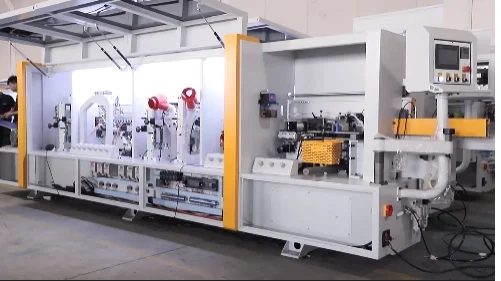
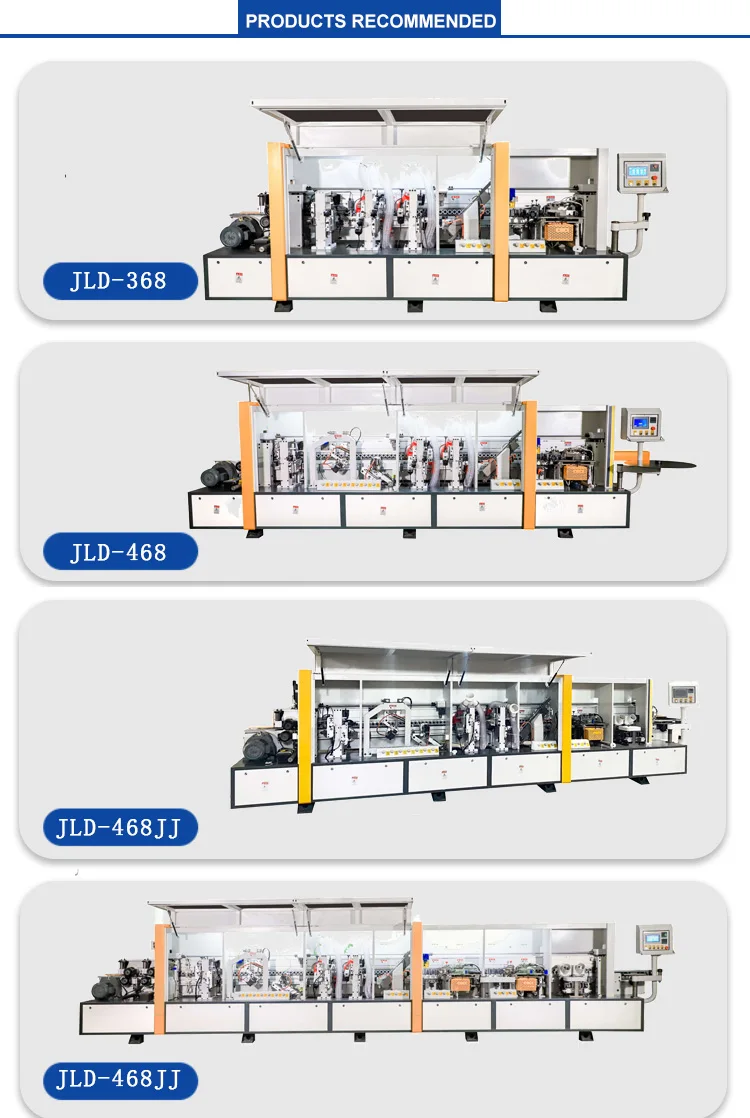
Each model in this automatic edge banding machine family adds stations progressively, so a workshop can match its configuration to the complexity of the orders it is actually running. The ZDS365 handles end trimming, fine trimming, scraping, and buffing — enough for a joinery shop doing straight PVC edging on standard cabinet components. Move up to the ZDS-368 and rough trimming joins the line, which matters when thicker ABS or melamine strips leave excess material that fine trimming alone cannot clean up efficiently.
Corner Rounding and Pre-milling: Where the Product Family Diverges
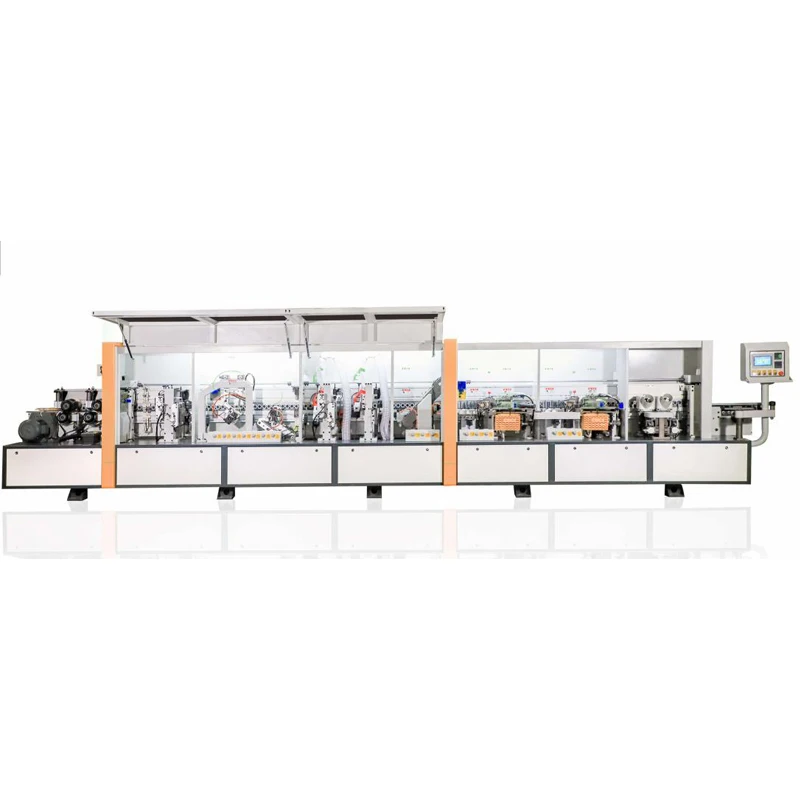
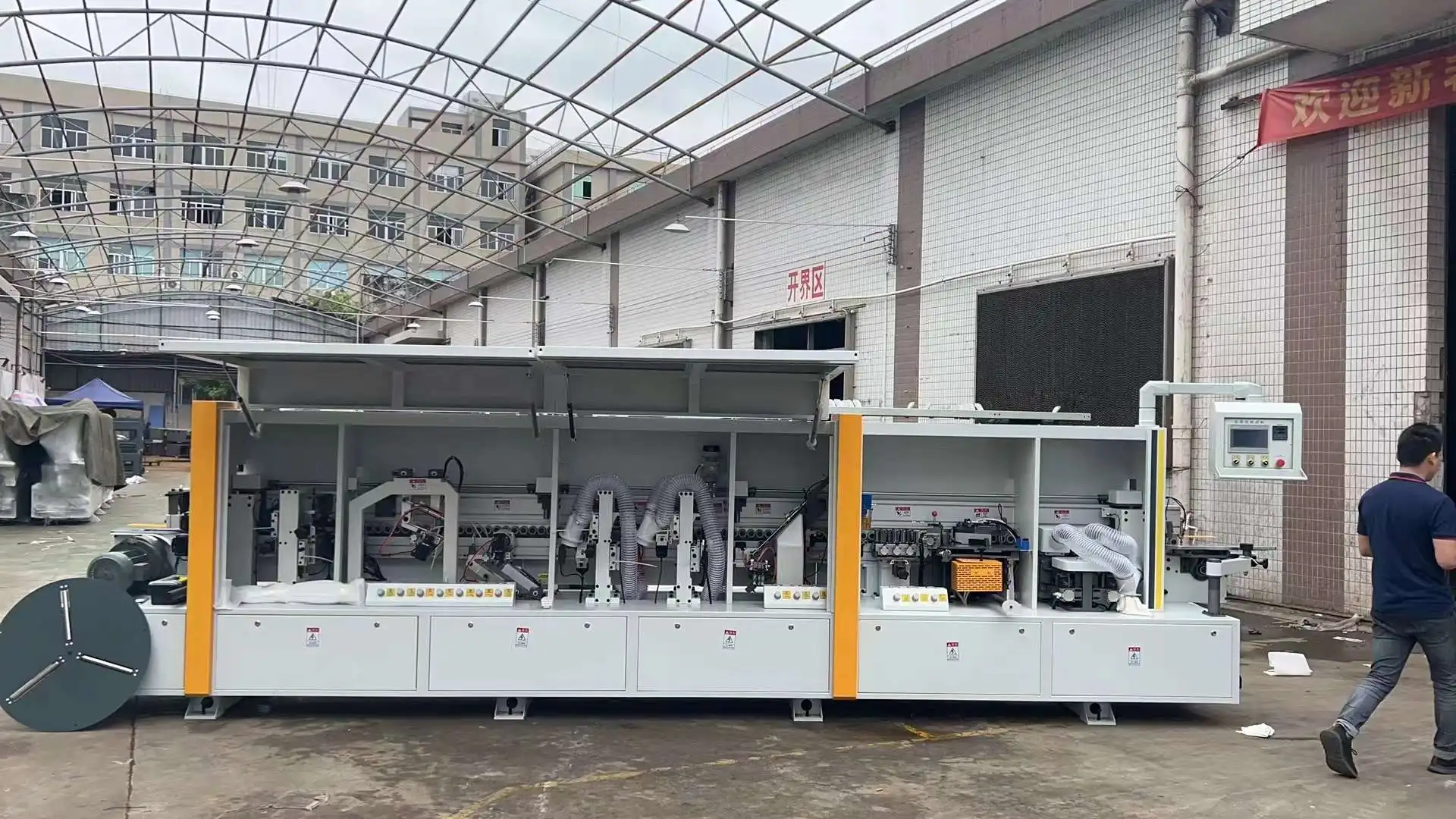
The ZDS-468 introduces corner rounding with a four-motor profiling and tracking unit, giving edges a finished radius instead of a sharp 90-degree intersection. This is the station that separates a basic cabinet edge from one that passes visual inspection on premium furniture. The ZDS-468J then adds a pre-milling unit with diamond cutters removing up to 2 mm of panel edge, which eliminates chip-out and ensures a square gluing surface even when the upstream panel saw leaves a rough cut [NEED_CITE: effect of pre-milling on edge band adhesion]. The ZDS-468JJ goes further with a dual glue pot and dual buffing, addressing shops that switch between EVA and PUR adhesives across different board types in the same shift.
What the Station Count Actually Means for Edge Quality
The panel thickness range of 10–60 mm covers everything from thin shelving stock to thick worktop panels, but the number of active stations determines what happens at the boundaries of that range. On a 10 mm MDF panel, fine trimming alone may suffice because the edge strip overhang is minimal. On a 60 mm particleboard worktop with a 3 mm ABS strip, rough trimming takes the bulk of the excess before fine trimming and scraping produce a flush finish. The pre-milling unit’s 12000 rpm diamond cutters are particularly relevant here — thicker, denser substrates are more likely to have saw-blade tear-out that only a dedicated milling pass can correct before the glue pot applies adhesive. The Teflon-coated glue pot with its anti-carbonization design keeps adhesive clean during long production runs, reducing the risk of dark streaks on light-colored edge banding.
The Cost of Specifying Stations You Will Not Use
Buying a ZDS-468JJ for a workshop that only runs straight PVC edging on standard cabinet panels means paying for pre-milling and dual buffing capacity that never activates. The longer machine footprint — 8000 mm versus 4070 mm for the ZDS365 — also consumes floor space that could hold a sliding table saw or a boring machine. More importantly, each additional station adds motors, pneumatic valves, and wear parts to the maintenance schedule. A four-motor corner rounding unit needs periodic calibration even if it only profiles a small percentage of the daily output [NEED_CITE: maintenance burden of unused edge banding stations]. Matching the model to actual order complexity avoids both wasted capital and unnecessary downtime.
What Sets This Range Apart at Each Tier
In-house manufacturing with patented cutting mechanisms means the trimming and pre-milling stations are built and tested under one roof, not sourced from third-party units and bolted on. The four-stage QC process — incoming material, in-process, finished product, and pre-shipment verification — runs on every model regardless of tier, so the ZDS365 receives the same inspection discipline as the ZDS-468JJ. Voltage customization from 110V to 440V and multilingual control panels are offered as standard configuration steps, not special requests. An engineer reviews the buyer’s panel material, thickness range, and daily volume before recommending a specific model, with a formal quotation provided within 24 hours. Factory visits are available so buyers can watch their own substrate run through the proposed configuration before placing an order.
Documentation & Verification
- Machine specification sheet detailing each model’s station configuration, motor ratings, and dimensional drawings
- Electrical schematic with voltage and frequency matched to your local industrial supply
- Factory test record run on your specified panel thickness and edge banding material before dispatch
- Operation and maintenance manual provided in your agreed language, with a complete spare parts list
- CE declaration of conformity and ISO 9001 certificate included with shipping documentation
- Packing photographs and customs documentation support for smooth clearance at destination port
Installation, Commissioning & Support
- Floor space from 4070 mm to 8000 mm in length requires planning for material infeed and outfeed clearance on both sides
- 3-phase 380V supply with a dedicated circuit breaker sized to the model’s total power draw up to 18.5 kW
- Machines ship as single units and require on-site leveling and pneumatic connection to a 0.6 MPa air supply
- First-run commissioning includes setting pressing roller pressure and trimming motor offsets for your specific panel thickness
- PLC control panel configured in your operator’s language before shipment to avoid delays during training
- Spare parts list covers wear items such as trimming cutters, scraping blades, and glue pot seals for routine replacement
What We Need to Recommend the Right Configuration
To match a model from this range to your production line, we start with your panel substrate — MDF, particleboard, plywood, or solid wood — along with the thickness range and the edge banding material you run most often. Then we look at your daily panel volume and whether your orders include small workpieces that need the 150×150 mm minimum capability. Finally, confirm your local voltage, frequency, and the control panel language your operators need.
Frequently Asked Questions
Q: How do I decide between the ZDS365 and the ZDS-468JJ for my current workload?
A: Start with your edge complexity. If you run straight PVC on standard cabinet panels, the ZDS365 covers trimming, scraping, and buffing adequately. If your orders include corner rounding, thick ABS strips requiring rough trimming, or substrates with saw-blade tear-out needing pre-milling, the upper models add those stations progressively. Share your typical panel mix and daily volume so we can map it to the right tier.
Q: What voltage and frequency options are available before I place an order?
A: The standard configuration is 3-phase 380V, but voltage can be adjusted from 110V to 440V to match your local industrial supply. Frequency must also be confirmed as 50 Hz or 60 Hz because it affects high-frequency motor speed and feed rate. We verify these details during the quotation stage and document them on the electrical schematic before production begins.
Q: Can I add pre-milling or a PUR glue pot to a lower-tier model after delivery?
A: Some optional features like the PUR glue pot or quick melt unit can be specified at order and integrated during assembly. However, stations such as pre-milling involve structural changes to the machine frame and feed path, making them difficult to retrofit. It is more practical to select the model tier that includes the stations you anticipate needing within your planning horizon.
Q: What is the smallest panel each model can process?
A: The ZDS365, ZDS-368, and ZDS-468 handle panels down to 300×60 mm. The ZDS-468J and ZDS-468JJ extend that to 150×150 mm, which matters for small joinery components, drawer parts, or narrow shelving. If your product mix includes workpieces below 300 mm in length, the upper models are the appropriate choice.
Q: How does this model range support a phased factory investment plan?
A: Because all five models share the same product family, a workshop can start with a ZDS365 or ZDS-368 for basic edge banding, then add a ZDS-468J or ZDS-468JJ later as order complexity grows. Spare parts, control systems, and operator training carry over between models, reducing the learning curve when expanding the production line.