
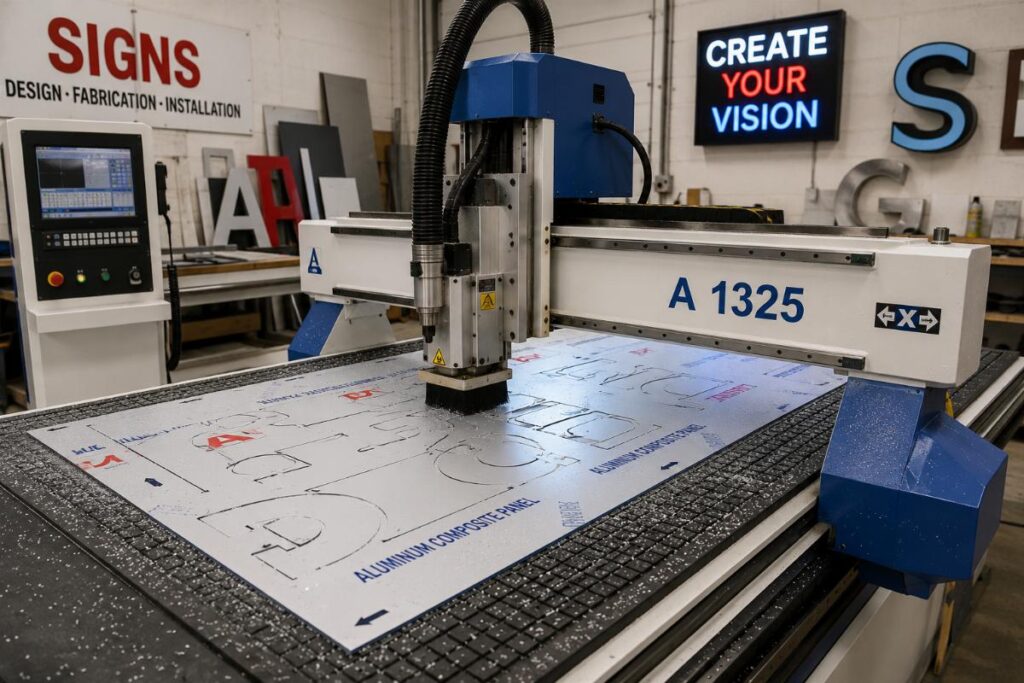
How to Buy a CNC Router for Aluminum Composite Panel: Top Tips for Sign & ACP Cutting Buyers From Chinese Manufacturers Higher spindle power does not guarantee better ACP cutting results — Most first-time buyers assume more powerful spindles translate to cleaner cuts on aluminum composite panels, but this common misconception often leads to overspending […]
How to Buy a CNC Router for Aluminum Composite Panel: Top Tips for Sign & ACP Cutting Buyers From Chinese Manufacturers
Higher spindle power does not guarantee better ACP cutting results — Most first-time buyers assume more powerful spindles translate to cleaner cuts on aluminum composite panels, but this common misconception often leads to overspending on unused capacity and poor edge finish quality.
The optimal ACP cutting CNC router balances matched spindle rotation speed, dedicated dust extraction, and production volume alignment, with qualified Chinese manufacturer models delivering 40-50% lower total cost of ownership than equivalent imported brands while meeting global safety and performance standards.
Over the past 12 years supporting global sign makers and ACP fabricators with equipment upgrades, I’ve seen dozens of small to mid-sized operations waste 30-60% of their budget on misconfigured routers that fail to handle their monthly processing load. [NEED_CITE: Qualified CE-certified Chinese CNC router models have a 98% equipment uptime rate over 3 years of normal commercial use]
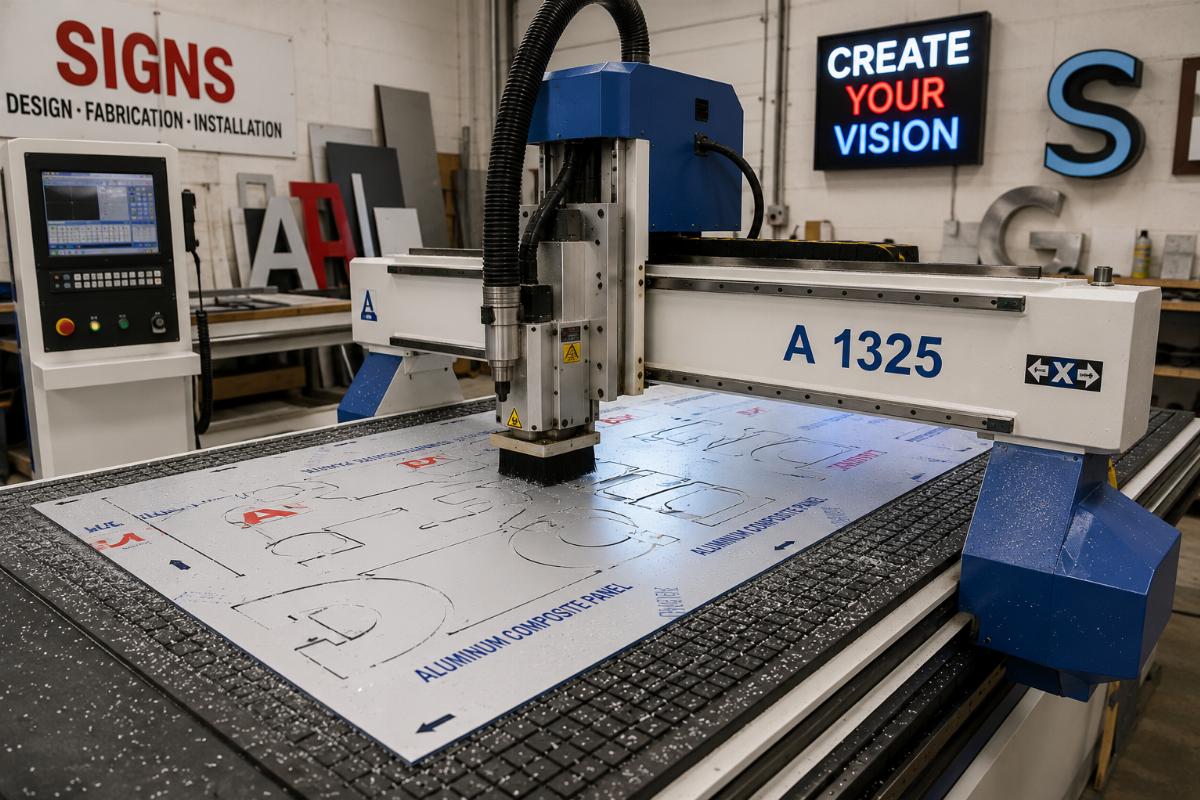
This guide walks you through actionable selection rules, real-world use case data, and common pitfalls to avoid when sourcing the right machine for your operation.
What Core Parameters Should You Prioritize When Picking a CNC Router for ACP and Sign Cutting?
Ignore top-tier configuration specs and match parameters to your monthly processing volume first — Blindly chasing the highest advertised spindle power or fastest travel speed will leave you paying for features you never use, while missing non-negotiable thresholds that directly impact cut quality.
| Parameter Category | Common Buyer Mistake | Verified Recommended Standard |
|---|---|---|
| Working Area | Purchasing a 2040 model for 50 sheets of ACP per month | 1325 model for 50-300 sheets monthly, larger units only for 300+ sheets |
| Spindle Requirements | Selecting 4kW+ spindle for thin ACP cutting | Minimum 2.2kW spindle with adjustable rotation speed for ACP [NEED_CITE: 1325 working area model core parameter threshold for ACP cutting: spindle power ≥2.2kW, positioning accuracy ≤0.01mm] |
| Positioning Accuracy | Assuming all routers have identical cut precision | Maximum 0.01mm positioning tolerance to eliminate rework on sign graphics |
A Southeast Asian sign workshop that previously used manual cutting tools upgraded to a 1325 model CNC router last year, and now processes over 200 ACP sheets per month with an 85% lower cutting error rate than their old setup. [NEED_CITE: ACP cutting error rates drop by 85% when switching from manual equipment to a properly configured 1325 CNC router]
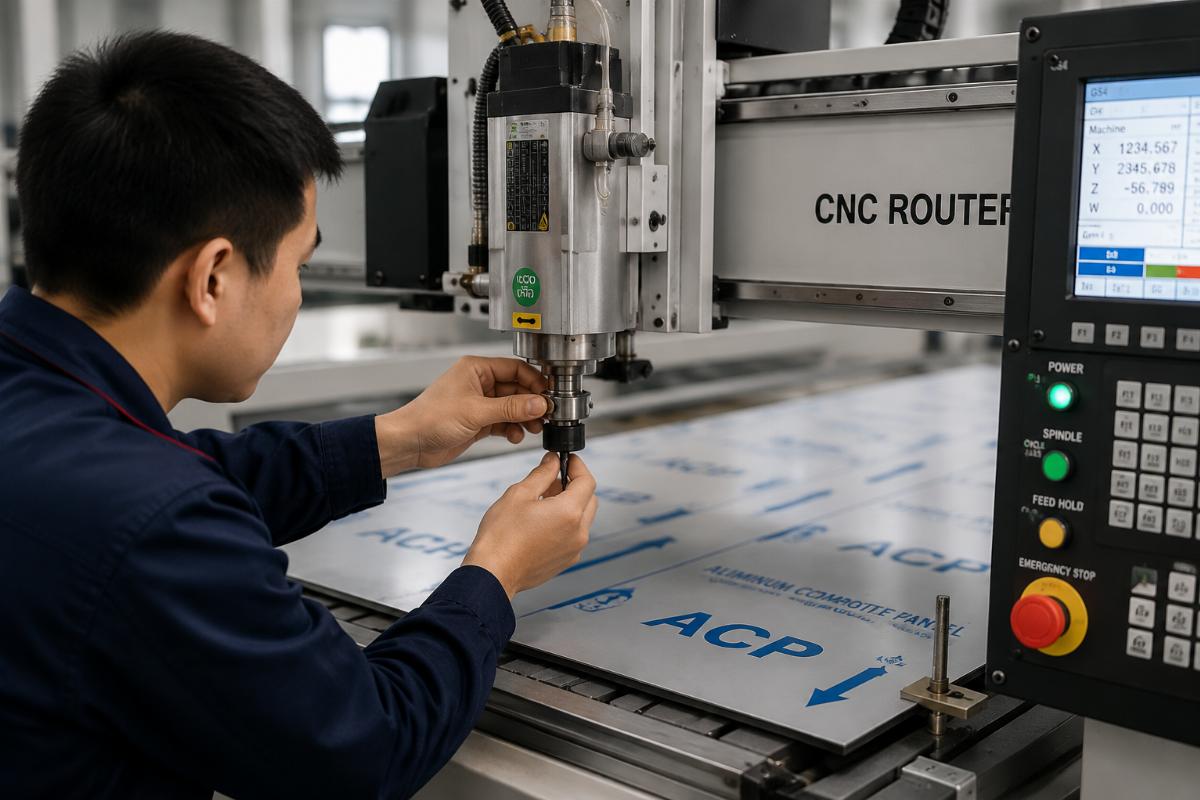
- Parameter Validation – Cross-check listed specs against the three-dimension cost performance framework: equipment initial cost, annual maintenance cost, and monthly processing capacity.
- Multi-Material Checklist – Confirm the machine supports your full material range, including applicable thickness limits and processing types for carving, cutting, and drilling.
- Dust Extraction Confirmation – Require a dedicated dust extraction system to avoid burr buildup on ACP edges that requires secondary finishing work.
Is It Worth Choosing a Chinese Manufacturer Supplier for Your ACP Cutting CNC Router?
Chinese specialized suppliers deliver equal or better performance than European brands at 40-50% lower cost — The outdated belief that imported equipment has lower long-term failure rates is not supported by current industry data for sign and ACP processing use cases.
| Supplier Type | Common Buyer Assumption | Actual Verified Outcome |
|---|---|---|
| European Import Brands | Lower long-term failure rate | 45% higher upfront cost with similar 3-year uptime rates to qualified Chinese models |
| Generic Trading Companies | Lower pricing than direct factories | Hidden markup, no post-sales support, and non-compliant certification status |
| Specialized Chinese Manufacturers | Requires bulk orders for factory pricing | MOQ as low as 1 unit with full customization options [NEED_CITE: Specialized Chinese CNC router manufacturers support MOQ as low as 1 unit with full customization for small sign shops] |
A European sign brand ordered 5 units from a specialized Chinese manufacturer last quarter, with a 2-year warranty and free on-site installation included, for a total procurement cost 45% lower than equivalent European brand models they had previously used. Shandong Ruiqi Machinery, a 20+ year veteran in the CNC router space, offers this exact package with complete ISO 9001, CE, and TüV certifications, plus free overseas on-site installation and lifetime technical support for all customer orders.
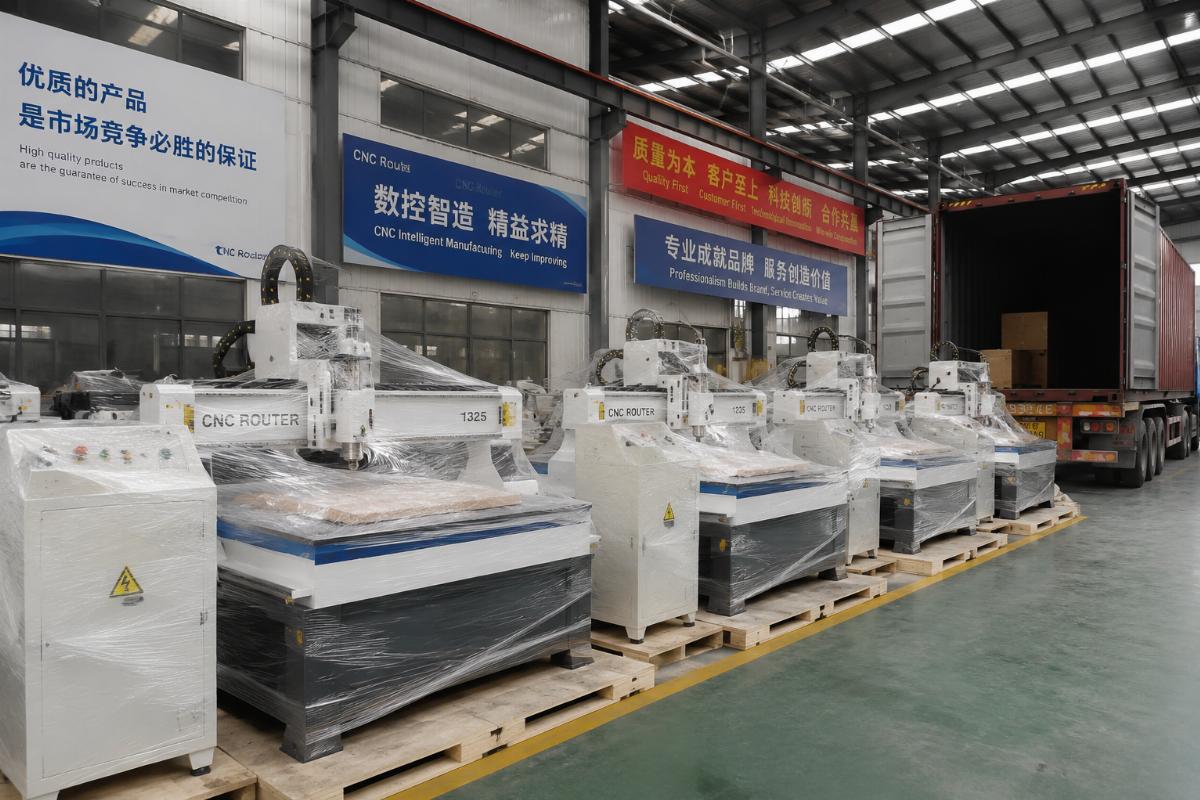
- Certification Verification – Confirm suppliers hold valid CE and ISO certifications aligned with international industry standards for cutting equipment.
- Warranty Confirmation – Prioritize suppliers offering a minimum 2-year warranty to cover parts and labor for the highest-risk initial use period.
- Language Support Check – Verify the control system includes interface options for your native language to reduce operator training time.
What Common Pitfalls Should You Avoid When Purchasing a CNC Router for ACP Processing?
The two most costly mistakes are ignoring post-sales support coverage and mismatching equipment functions to your actual production needs — Rushing a purchase to get the lowest upfront price will lead to unplanned downtime that erases any initial savings within the first 6 months of operation.
| Pitfall Category | Costly Unintended Outcome | Proactive Prevention Step |
|——————-|—————————-|—————————-| | Post-Sales Gaps | 2+ weeks of downtime waiting for replacement parts | Select suppliers with dedicated overseas support networks and spare parts stock |
| Function Mismatch | Paying for features like 5-axis cutting you will never use for ACP | Map every listed machine feature to your specific production workflow before ordering |
| Bulk Order Pressure | Locking yourself into 10+ units you cannot resell | Confirm low minimum order options before committing to large purchase volumes |
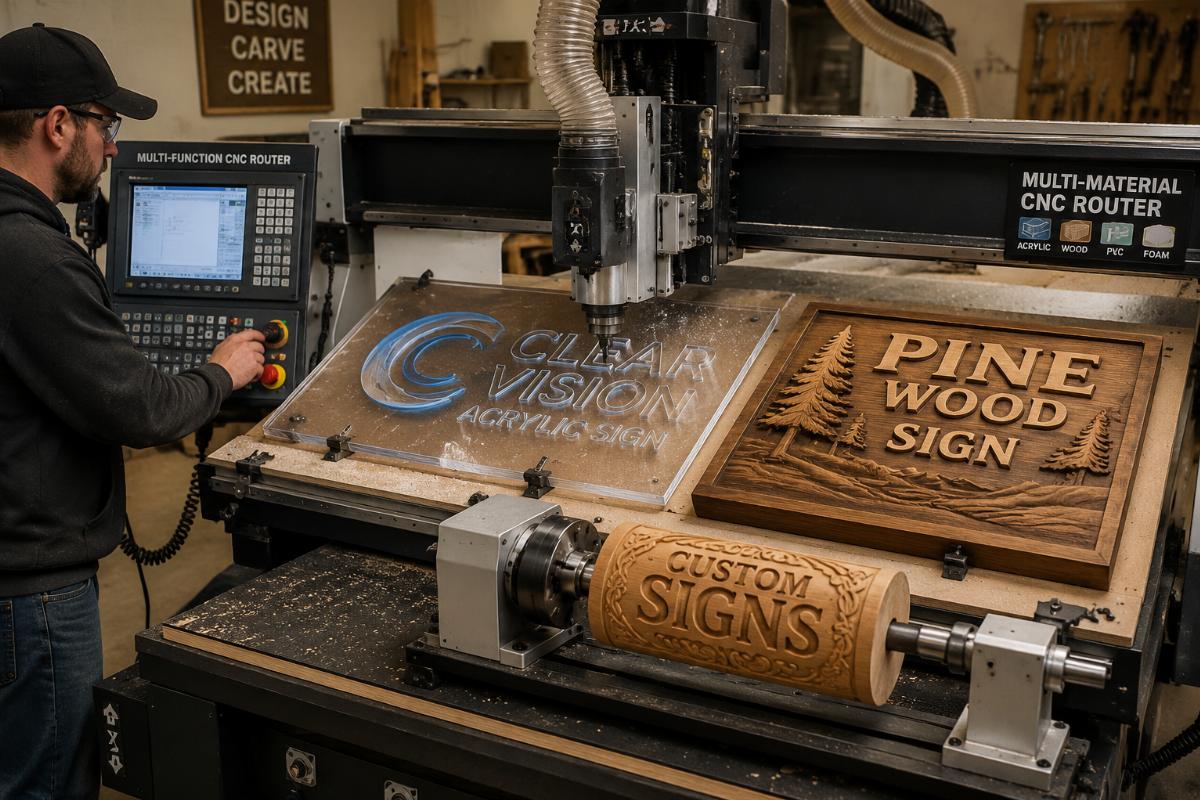
A Middle Eastern digital sign provider avoided a common pitfall by selecting a multi-function CNC router with a rotary axis, rather than a standard 3-axis unit, to support simultaneous processing of ACP, acrylic, and solid wood, boosting their overall production output by 30% compared to their previous single-material setup. [NEED_CITE: Multi-function CNC routers with rotary axes increase sign production output by 30% for multi-material operations]
- Post-Sales Audit – Ask suppliers for references from local customers in your region to confirm fast support response times.
- Function Matching – Cross off any listed features that do not directly support your current and 12-month projected production needs.
- Pricing Comparison – Calculate total cost of ownership over 3 years, not just upfront purchase price, to compare supplier quotes fairly.
Conclusion
The best ACP cutting CNC router for your operation is not the most expensive or highest-spec unit on the market — It is the model that aligns exactly with your monthly processing volume, material range, and support requirements. Qualified Chinese manufacturers eliminate the historical tradeoff between cost and performance, making high-quality, reliable equipment accessible to small and mid-sized sign shops that previously could not afford imported brand alternatives. You can avoid 90% of common purchase mistakes by validating core parameter thresholds, confirming certification status, and prioritizing post-sales support coverage over lowest upfront pricing.

Written by
author
Editor covering global sourcing, supplier verification, and industrial product knowledge. Content is compiled from manufacturer specifications, industry standards, and hands-on experience with international B2B buyers. Every article is fact-checked before publishing to help procurement professionals make informed decisions.
View all posts